
Professor cabbage is a first-line (F1) white cabbage hybrid with a long shelf life, but intended exclusively for fresh consumption. It is distinguished by a strong immune system and a mid-late ripening period. The Swiss agricultural company Syngenta Crop Protection AG is considered the originator. The year of selection is 2019.
Description of appearance, taste, application
The hybrid is characterized by a sweet flavor and a very juicy texture of the leaf pulp. However, it's best used in fresh salads and appetizers, as the variety doesn't fully develop its properties when pickled or salted.
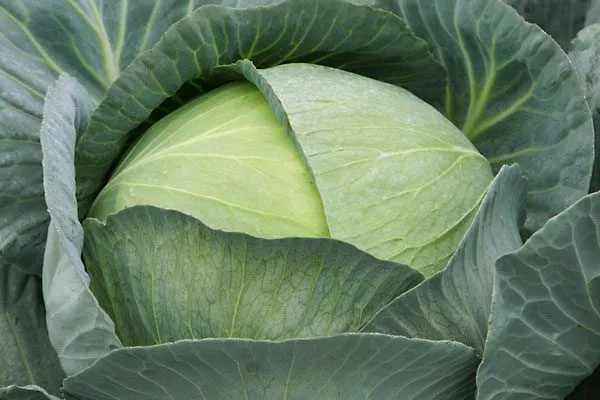
Hybrid features:
- location of the leaf rosette – along the horizon;
- shape and color of leaves – broad, obovate, medium-sized, greyish-green;
- leaf surface – with a waxy coating, but of medium intensity;
- venation type – half fan;
- edges of leaf blades – with slight waviness;
- cabbage stalk – the internal one has average parameters, and the external one is shortened;
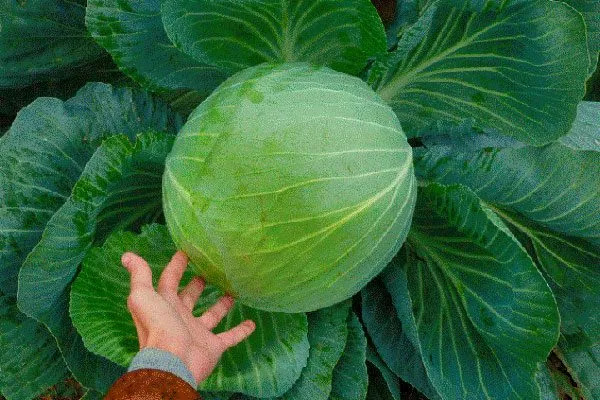
- cabbage head shape – flat-rounded;
- head sizes – medium-sized, weighing from 2 to 3.5 kg, but there are also larger specimens, up to 5-7 kg;
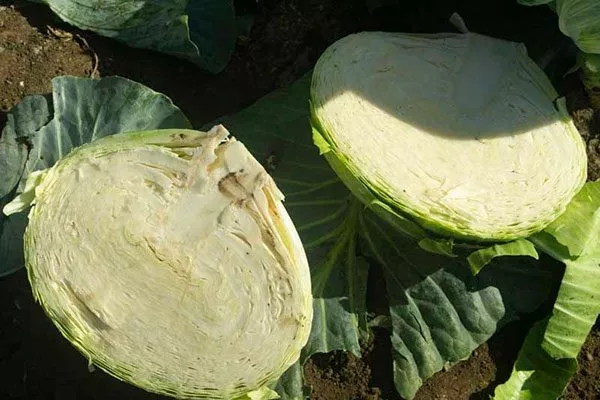
- density – at a high level;
- color when cut – yellowish.
Characteristics
Professor F1 is a mid-late hybrid – from sowing to harvest, it takes 130 to 160 days. However, if grown from seedlings, the plants are transplanted into the ground after 45-50 days. Other characteristics:
- the yield is good – from 1 square meter you can harvest from 12 to 15 kg, from 1 hectare – from 700 to 850 centners;
- transportability – excellent;
- shelf life – 4-5 months, but under particularly favorable conditions the shelf life is 8-9 months;
- commercial properties – are valued at 87%;
- ripening type – extended (about 15 days);
- optimal region for cultivation – Central part of Russia, southern territories;
- possibility of cracking – absent;
- resistance to bacteriosis, fusarium and other diseases – high;
- tolerance to sudden temperature changes – high.
Advantages and disadvantages
This cabbage variety has heads of universal size – they are easy to store, load, harvest, and use for cooking.
Landing
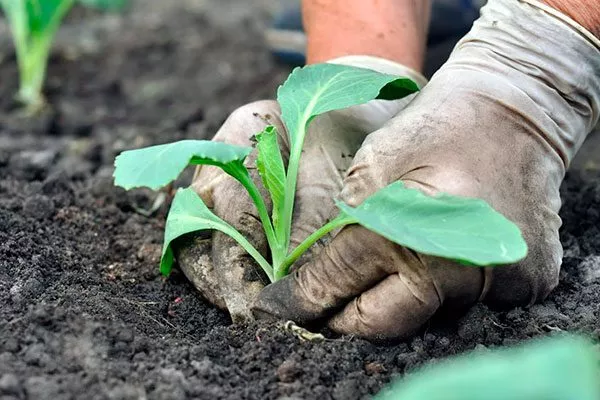
Cabbage can be planted both outdoors and indoors. Seeds for seedlings are sown in March-April, and seedlings are transplanted outdoors in May. Planting instructions:
- Recommended planting pattern: 60x50 cm.
- For successful plant growth, it is important to choose an area that receives good sunlight.
- To achieve a bountiful harvest, cabbage is grown in fertile, light loamy or loamy soils that are well-drained, not too dense, and have a neutral pH.
- The best predecessors for cabbage are tomatoes, peppers, potatoes and root vegetables.
- ✓ The soil pH level should be strictly within 6.0-7.5 for optimal nutrient absorption.
- ✓ The soil must contain at least 4% organic matter to ensure adequate nutrition.
Growing and care
The treatment procedures are simple and include the following:
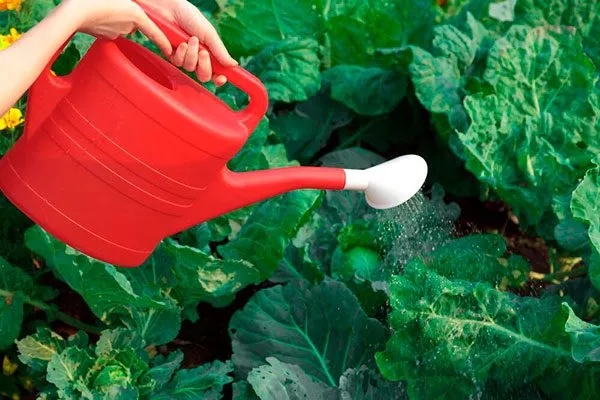
- watering early in the morning or in the evening (rate 8-10 liters per 1 bush);
- fertilizing with fertilizers containing nitrogen, potassium and phosphorus;
- loosening the soil every 4-6 days;
- hilling, creating a mound 20-30 cm in diameter around each plant.
Reviews
The Professor F1 hybrid cabbage has impeccable flavor and can be grown both outdoors and in greenhouses. It boasts excellent yields and disease resistance. However, pests should be avoided, so preventative treatments are carried out in the spring.