
Parel cabbage is an early-ripening white cabbage variety of hybrid origin. It is characterized by compact heads, resistance to cracking, and a moderate yield. Its primary use is for fresh salads. This hybrid is often used for conveyor cultivation with seeding at 15-day intervals.
History of origin
The Parel F1 hybrid was developed by a breeding team from the Dutch agricultural company Bejo Zaden BV. The work involved crossing several high-yielding varieties. This resulted in the creation of an early-ripening vegetable with impeccable flavor and appearance.
In 1993, Parel F1 was officially registered in the State Register of the Russian Federation and received permission for cultivation throughout the country.
Characteristics
The hybrid quickly gained popularity due to its high yield, making it a preferred choice for both private farms and industrial production.
What does cabbage look like?
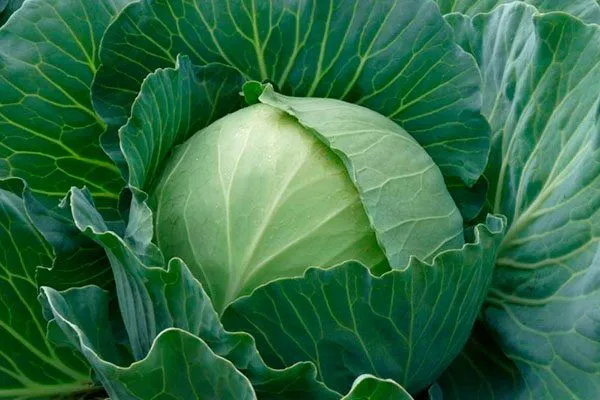
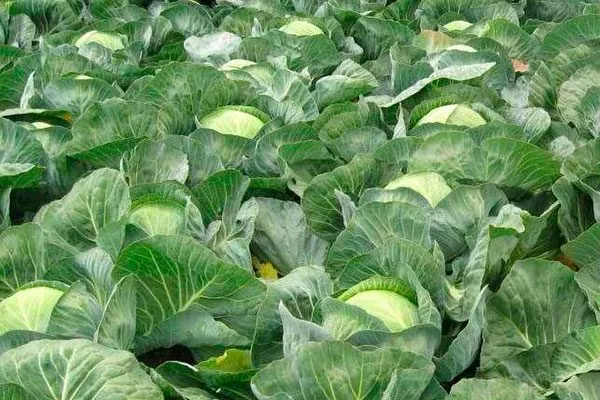
Parel F1, unlike other varieties, has leaves arranged in a horizontal line. But the hybrid also has other distinctive features:
- leaf rosette – raised and small;
- surface of the leaf blade – has slight wrinkling;
- leaf shape – round-oval, with smooth edges and a bluish-greenish tint;
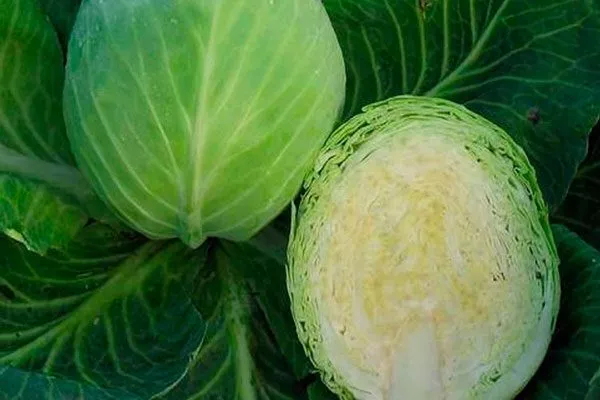
- the stalk inside the head of cabbage – small or medium;
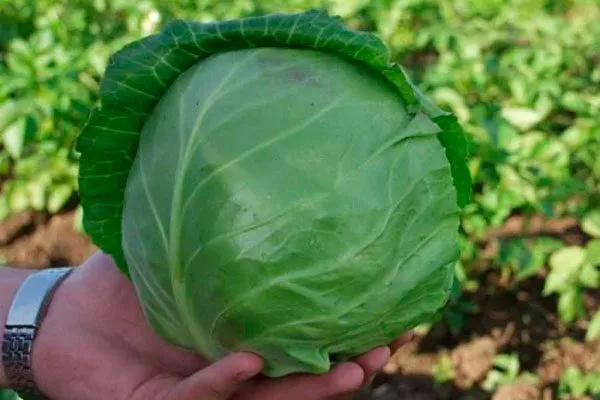
- cabbage head shape – round, without flattening;
- weight of one fruit – from 700 g to 1.5 kg;
- coil density – average;
- cabbage leaves – light green on the outside and snow-white on the inside;
- taste - juicy, sweet cabbage.
- ✓ Slight wrinkling of the leaf blade.
- ✓ The presence of a thin waxy coating on the surface of the leaves.
Chemical composition, trace elements and vitamins, beneficial properties
Parel F1 cabbage leaves are rich in nutrients, including the following:
- Vitamins:
- C: 50-60 mg;
- PP: 0.55 mg;
- B1: 0.05 mg;
- H: 0.07 mg;
- B6: 0.08 mg.
- Macro- and microelements:
- potassium: 180 mg;
- calcium: 47 mg;
- phosphorus: 25 mg;
- magnesium: 16 mg;
- sodium: 15 mg;
- Iron: 1.5 mg.
- Other:
- mono- and disaccharides: 4.2 g;
- fiber: 0.4 g;
- amino acids: 0.06 g;
- carotenoids: 0.02 g.
This composition gives Parel F1 cabbage numerous healing properties: it stimulates the kidneys and adrenal glands, normalizes metabolism, promotes the elimination of toxins, lowers cholesterol levels, and aids in weight loss.
How is it used in cooking?
With its fresh, sweet flavor and light aroma, cabbage is ideal for green salads and stews. It is often used in baby food and dietary nutrition.
It's easy to prepare and purées well when cooked. Honeycomb is absolutely not suitable for pickling, salting, or long-term storage.
Ripening period
From planting to harvest, it takes only 55-65 days. During this time, strong, medium-sized heads of cabbage form.
Productivity
The Parel F1 hybrid exhibits high yields—from 4 to 6-6.5 kg per square meter. This hybrid is unique in that productivity is not negatively affected by dense plantings—the heads will remain the appropriate size and weight even when planted close together.
Disease resistance
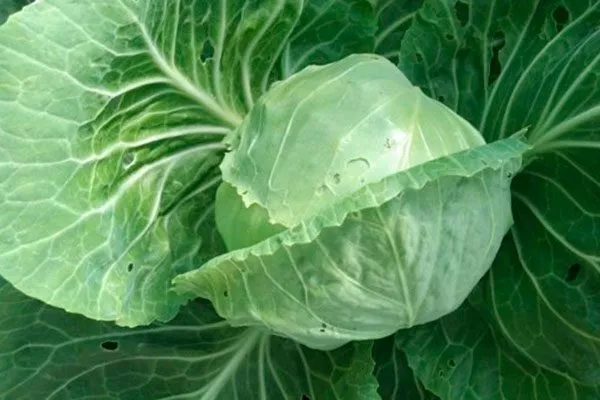
This hybrid is distinguished by good immunity to various diseases and pests.
Cold resistance
The variety exhibits resistance to adverse weather conditions and can withstand spring frosts down to +2 to +5 degrees Celsius, but plants require additional protection during prolonged cold spells. The most favorable temperature range for the hybrid's growth is +12 to +18 degrees Celsius.
Growing regions and climate and soil requirements
It is recommended to grow in the following climatic regions of Russia:
- Central.
- Volga-Vyatka.
- Central Black Earth.
- North Caucasian.
- Eastern and Western Siberia.
- Ural.
- Far East.
Preferred soils are loamy, fertile soils. The optimal pH ranges between 6.5 and 7.5. You can purchase a potting mix for seedlings or prepare it yourself by mixing equal parts of turf, compost, humus, and river sand. Add charcoal (200-250 g per 10 kg of potting mix), mix thoroughly, and water generously with a potassium permanganate solution.
Pros and cons of the variety
Although Dutch breeders have not yet succeeded in creating the ideal cabbage variety, Parel F1 already demonstrates many advantages:
At the same time, the variety also has some disadvantages:
Landing
Good predecessors for Parel F1 cabbage include potatoes, cucurbits, perennial grasses, and legumes. Avoid planting in areas where tomatoes, beets, turnips, or radishes were grown the previous year. The hybrid can be cultivated in two ways: by growing seedlings or by sowing in open beds.
Basics of seedling technology
Growing from seedlings accelerates the maturation of cabbage heads. This method is especially effective if a greenhouse is available. You can begin planting seedlings in March, after preparing and sterilizing the soil mixture.
- ✓ Optimum temperature for seed germination: +20-+22°C.
- ✓ Required soil moisture: 70-75% of the total moisture capacity.
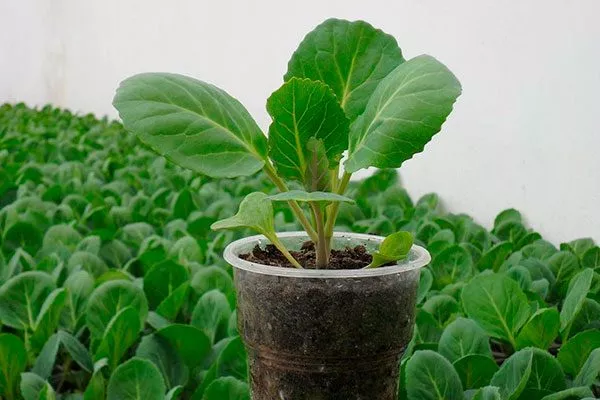
Key fundamentals:
- It is recommended to sow seeds directly into individual containers to avoid the need to transplant sensitive plants later. If transplanting is necessary, it should be done 15 days after germination.
- Keep the seedlings at a temperature of about +20-+22 degrees with good lighting.
- The seedlings are watered once a week using warm, clean water or a weak solution of potassium permanganate.
- Transplant seedlings at 3-4 weeks of age.
Seedless cultivation method
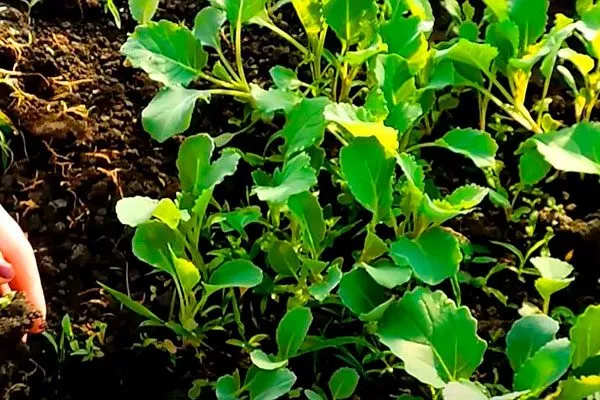
In the fall, prepare the site and fertilizer. To do this, form the beds, add organic fertilizer, and cover with mulch and, of course, black plastic film, which is removed when the spring warmth arrives. Sow the seeds at a rate of 4-5 seeds per square meter.
Care
Caring for cabbage seedlings requires careful attention and adherence to all necessary agricultural practices common to all varieties of this crop. However, keep in mind that hybrids can be prone to overripening of the fruit.
Rules:
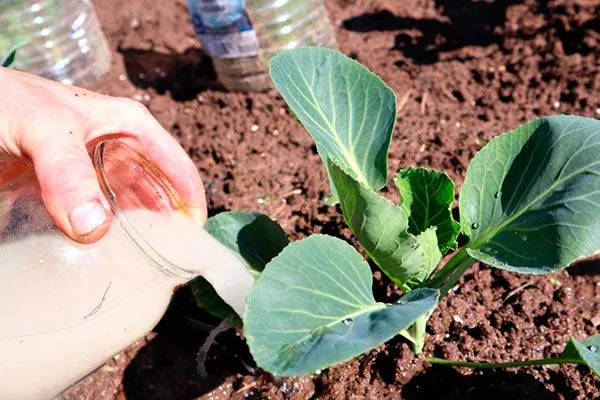
- Watering mode. Cabbage should be watered so that the soil is thoroughly moistened, but not stagnant. In arid regions, seedlings should be watered with settled water at least 2-3 times a week and in the evenings. In temperate zones, watering once a week or as needed is sufficient.
- Loosening. This procedure is performed no more than twice a month, but with extreme caution to avoid damaging the plants. As the cabbage grows and heads form, it's best to remove weeds by hand. Hilling the cabbage strengthens the stems and reduces their susceptibility to disease. The first hilling is performed 20 days after planting.
- Top dressing. Cabbage should be fed with nitrogen fertilizer once during the growing season. If the leaves turn pale green, a second feeding is required. A few days before planting, apply a potassium-phosphorus fertilizer to stimulate root formation.
Difficulties in growing
In rare cases, difficulties arise when cultivating this hybrid. However, if the bushes are not watered regularly and fertilized periodically, the fruits will not become juicy and sweet.
The Parel F1 cabbage hybrid is highly resistant to diseases and pests. However, if not properly cared for, it may be susceptible to the following diseases:
- Root rot can cause the stem to soften or rot;
- Clubroot appears as growths or swellings on the leaves;
- Downy mildew is characterized by spots and a strong coating on green mass;
- Fusarium causes yellowing of leaves and affects the roots;
- Vascular bacteriosis manifests itself as spotting on the leaves;
- Mucous bacteriosis is accompanied by the formation of brown oily spots and a putrid odor.
Fungicides are used to combat infections. If root rot appears, watering should be temporarily discontinued. For greenhouse plants, it is recommended to increase the frequency of ventilation to reduce humidity.
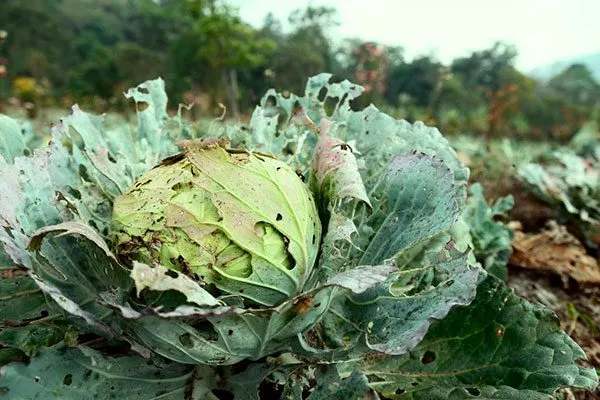
Difficulties may also arise due to attacks by harmful insects:
- cruciferous flea beetles, cabbage flies, and leaf beetles are active at the seedling stage;
- The cabbage white butterfly is dangerous during the fruit setting period;
- aphids attack ripe heads of cabbage.
At the early stages of pest detection, folk remedies such as tobacco or ash solutions can be used. If these remedies are ineffective, biological or chemical insecticides should be used. In particularly severe cases, strong chemicals are used.
Harvesting and storage
Parel F1 ripens fully in early July in the south and in mid-July in cooler climates. Leaving ripened fruits in the garden beds is strictly prohibited.
How and when to collect?
The optimal time to harvest is early morning or evening. Use a large, sharp knife to cut the vegetables, making a cut at the base. If the weather is favorable, leave the cut vegetables in the garden for a week before moving them to their permanent storage location.
Storage characteristics and shelf life of the Parel F1 hybrid
The maximum storage time for the Parel hybrid is 5 weeks, but this should be done in a well-ventilated area at a temperature of about +4-7 degrees.
Measures to increase yield
To ensure your cabbage produces its maximum yield, be sure to follow key agricultural practices. Here's what's important:
- remove weeds regularly;
- apply additional nitrogen-phosphorus fertilizers;
- free plants from insects in a timely manner;
- carry out prevention of fungal and bacterial diseases;
- increase the frequency of watering during the formation of heads of cabbage
Reviews
Parel white cabbage is a successful hybrid cultivated both in private plots and commercially. It boasts a delicate flavor and perfectly smooth leaves, excellent germination, and is easy to grow.