
The Orion F1 cabbage variety is a domestically bred, first-generation hybrid. It is considered a late-ripening white cabbage with a wide range of uses and high yields. Disease resistance depends on the type of infection—pay particular attention to this when planting.
Breeding history
The hybrid appeared at the end of the last century – in 1997. This cabbage appeared thanks to the work of Koroleva S. V., Bondarenko L. D., Monakhos G. F. and Kryuchkov A. V.
Description of the variety
The hybrid is considered a productive vegetable that can be harvested both manually and mechanically, making it particularly attractive to large-scale farmers. It has a fairly long shelf life—approximately 8-9 months under favorable conditions. It also has other advantages:
- regions for cultivation – almost everything, right up to East Siberian;
- disease resistance – good resistance to bacterial diseases and other diseases, average resistance to fusarium wilt;
- pest resistance – normal, especially high to thrips;
- risk of crack formation – absent;
- cold resistance – excellent;
- marketability – at a high level;
- transportability – long-distance transportation is possible;
- drought tolerance – only for a short time.
| Disease | Sustainability | Control measures |
|---|---|---|
| Bacteriosis | High | Treatment with copper-containing preparations |
| Fusarium wilt | Average | Crop rotation, use of resistant varieties |
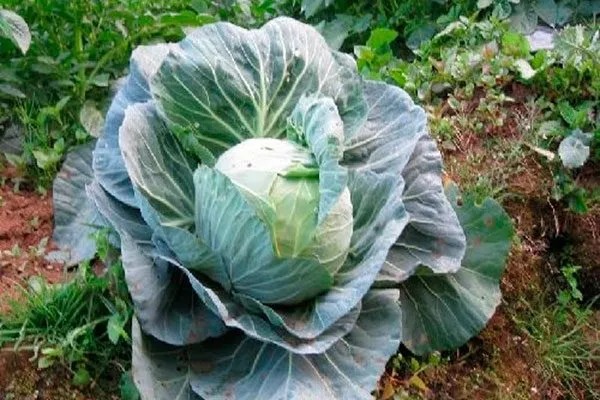
Characteristic features of appearance
Orion is a fairly hardy variety with upright rosettes. This compact plant is distinguished by the following characteristics:
- height - about 35 cm;
- diameter – 75 cm;
- weight - 2.2-2.5 kg;
- leaves - round, medium-sized, with short petioles;
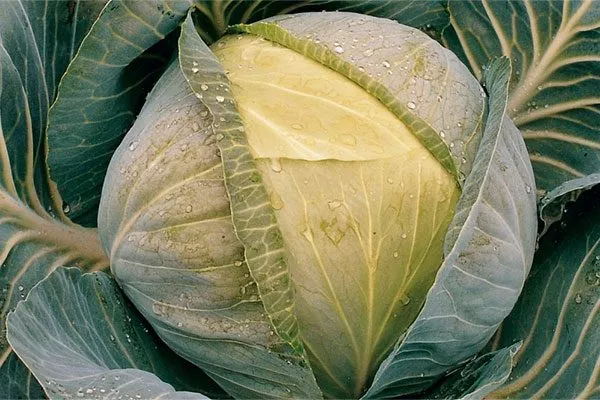
- color - dark green with blue on the outside, light green on the inside, whitish-yellow when cut;
- surface – with a light waxy coating;
- height of the outer stalk – 19-20 cm, internal 7.5 cm;
- density – excellent;
- cabbage head shape – rounded with slight elongation;
- leaf stiffness - absent.
Where it is used and taste qualities
Orion cabbage heads retain their commercial qualities for a long time, both on the vine and during transportation. The sweet flavor and juiciness make this vegetable versatile, suitable for everything from fresh salads to canning and pickling.
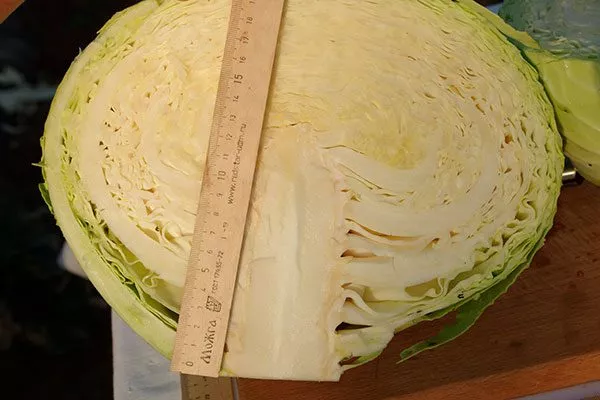
Composition of Orion cabbage:
- dry matter: 8.9–9.5%;
- Sahara: 4.0–4.5%;
- ascorbic acid: 27.8–29.5 mg per 100 g.
Ripening and yield level
Orion is a late-ripening variety, so it takes 160 to 170 days to mature. It has uniform head ripening and is suitable for commercial cultivation, delivering yields of 390-480 c/y.
How to plant and care?
Experts recommend growing from seedlings. Planting material should be sown throughout April, and transplanted 45 days after sprouting begins, when the seedlings reach a height of 15-20 cm and have five leaves.
- ✓ Optimum soil temperature for planting seedlings: 12-15°C.
- ✓ Seed planting depth: 1-1.5 cm.
- ✓ Distance between rows when planting seedlings: 70 cm.
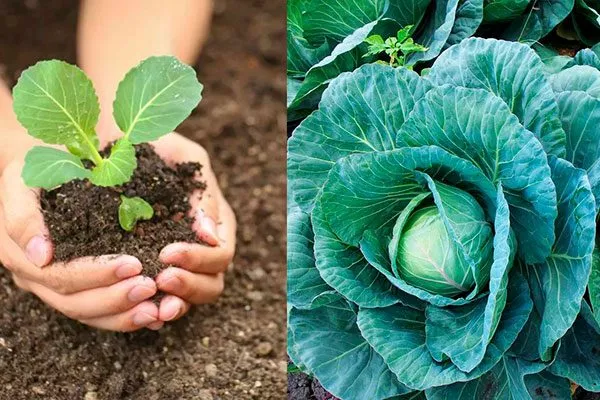
Requirements:
- Choose a sunny planting location in loamy or clay soils with a pH of 6-7.
- In autumn, the soil is dug up and enriched with humus; if the soil is acidic, deoxidizing agents are added.
- Planting of seedlings is carried out according to the standard: 70×50 cm.
- Add 100 g of high-moor peat and coarse river sand, 200 g of compost, 50-70 g of ash, and 0.5 teaspoon of nitrophoska to each planting hole. Combine the mixture thoroughly and water. Then place the plants in the hole, carefully covering the roots with moistened soil, then with dry soil.
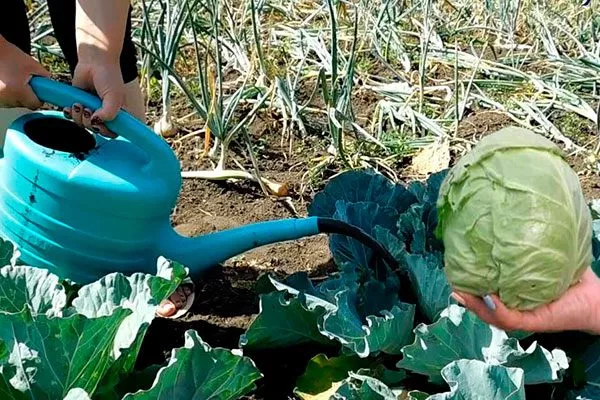
Further cabbage care includes regular watering, fertilizing, and hilling. Rules:
- Cabbage loves moisture, so in cool or cloudy weather, water every 5-7 days, and in hot weather, every 2-3 days. Water carefully, but avoid getting water on the leaves.
- After watering, it is recommended to lightly loosen the soil.
- Hilling of cabbage is done twice: the first time 20-23 days after transplanting the seedlings to the beds, the second time 10-12 days after the first.
- Plant feeding is carried out in stages. The first stage involves applying fertilizer 20 days after the first shoots emerge, using a solution of organic compounds. The second stage, 15 days later, involves applying nitrophoska (1 tablespoon per 10 liters of water), and the third stage, a couple of weeks later, involves applying organic matter, double-strength superphosphate, and potassium sulfate.
- Orion requires preventative measures against diseases and pests. Periodically, dust the heads with wood ash. To protect against pests, wrap the heads in non-woven material, tying it around the stalk to completely prevent pests from reaching them.
Reviews
Orion cabbage is renowned not only for its juicy flavor but also for its high yields and resistance to weather fluctuations and stress. The plants transplant easily, but it's important not to damage the root system.