
Nastya cabbage is one of the most popular and reliable varieties. Its combination of high yield, ease of cultivation, and excellent taste makes it an attractive choice for both beginner and experienced gardeners. With proper care, you can grow healthy plants that are resistant to diseases. The yield of the crop depends on proper agricultural practices.
Description of the variety
This hybrid white cabbage boasts high yields and excellent flavor. This variety is distinguished by its exceptionally early maturity, making it ideal for cultivation in both small and large plots.
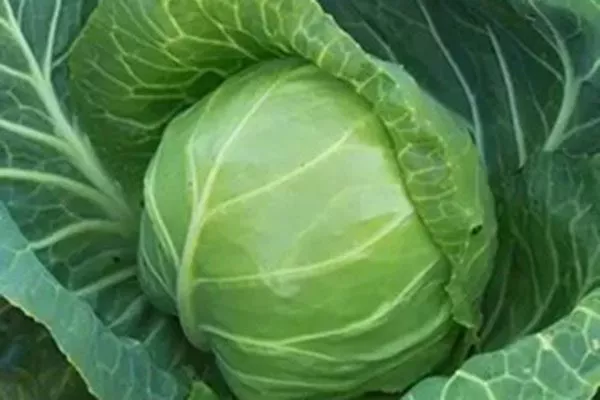
Characteristics of the appearance of the plant and heads of cabbage
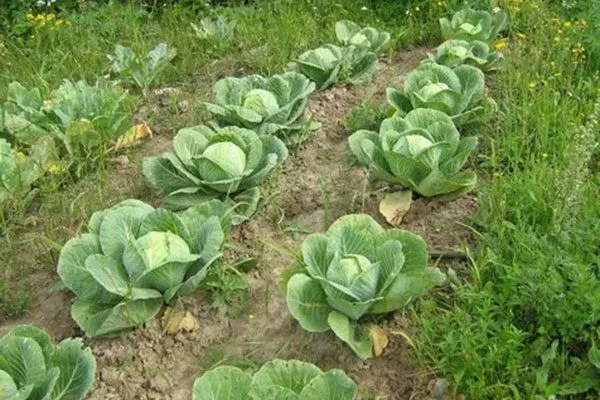
The Nastya cabbage rosette is partially raised, and its leaves are medium in size. The surface is slightly bubbly with a slight waxy coating. The leaves are green in color. The stalk is small, and the head weighs between 1.1 and 1.3 kg.
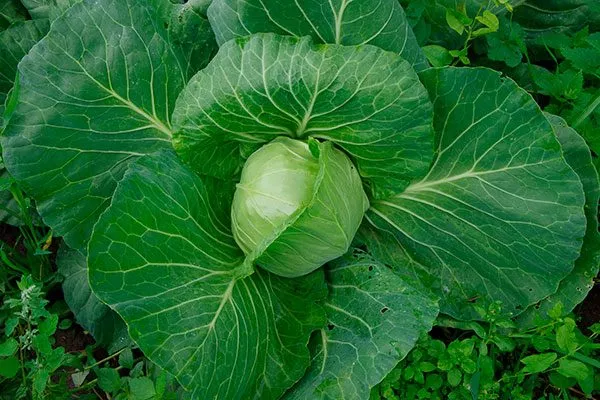
Purpose and taste
Nastya cabbage is suitable for a variety of uses: fresh, processed, used as a garnish, and pickled. It boasts excellent flavor, making it a versatile vegetable for a variety of culinary purposes.
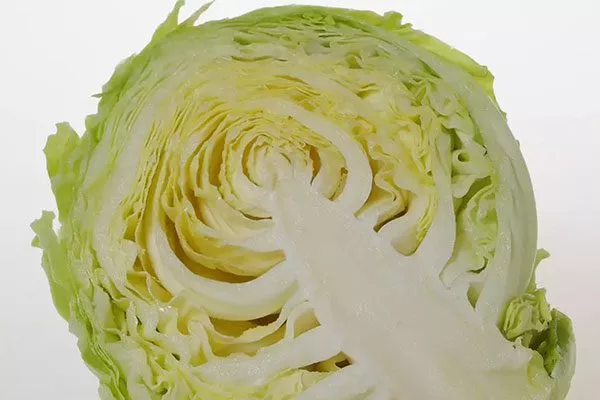
Ripening and yield level
The first harvest can be collected 48 days after planting seedlings grown for 40 days. The expected yield is 5.5 to 7 kg per square meter.
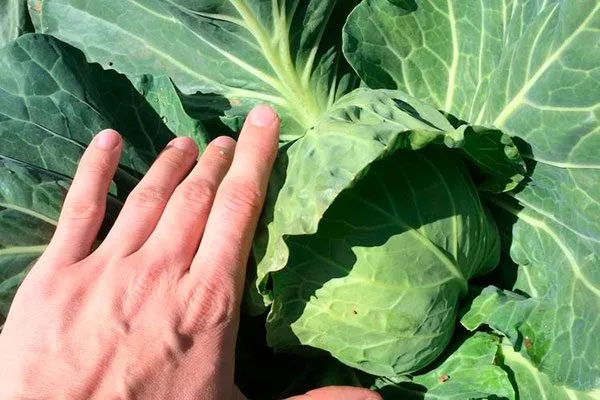
Growing and care
To successfully grow the Nastya cabbage variety, it's important to follow a few rules. Before planting, thoroughly prepare the soil. This includes digging the soil, removing weeds, and applying organic and mineral fertilizers to provide the plant with the necessary nutrients.
- ✓ The soil pH level should be within 6.0-7.5 for optimal growth of Nastya cabbage.
- ✓ The soil must be well-drained to avoid waterlogging and root rot.
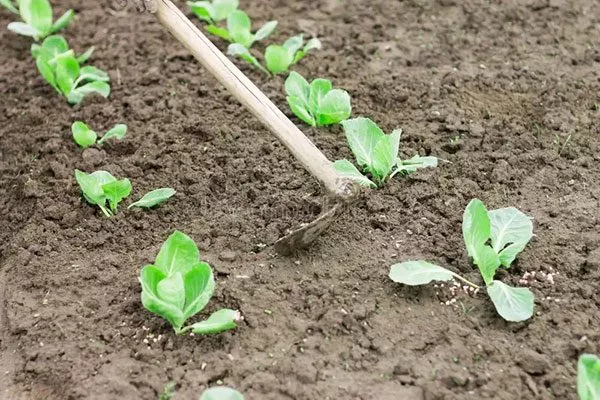
Seeds can be planted as seedlings or directly into the ground. When growing from seedlings, plant the seeds in individual pots or containers, then transfer them to the garden bed once the seedlings emerge. The distance between plants depends on the size of the heads and is approximately 50 cm.
Agrotechnical measures:
- After planting, ensure the plants are regularly watered, fertilized according to recommendations, loosened to ensure oxygen reaches the roots, and weeded around the bushes.
- Inspect your plants regularly to detect any signs of pest or disease infestation. If necessary, apply control measures such as chemical treatments.
Reviews
Nastya cabbage is the ideal solution for those who value ease of cultivation and consistent results. Its ease of care, disease resistance, and regular harvests make it an indispensable garden companion. By following important agricultural practices, you can achieve consistent yields.