
Nadezhda cabbage is a long-standing and sought-after variety among Russian gardeners. Its low maintenance, high resistance to adverse weather conditions, and excellent flavor attract the attention of both novice and experienced gardeners. Proper care is essential for obtaining a bountiful harvest.
Breeding history
Developed by Russian breeders at the West Siberian Experimental Station, this high-yielding plant was created by crossing the 'Densely' and 'Slava Enkgoisena' varieties.
After passing all the necessary tests, it was approved for cultivation throughout the country in 1975.
Indicators of plant and head appearance
The rosette is characterized by a semi-spreading form and small size. The leaf blades are medium-sized, with a wrinkled surface and a grayish-green tint, rounded in shape and wavy edges. The inner stalk is shortened.
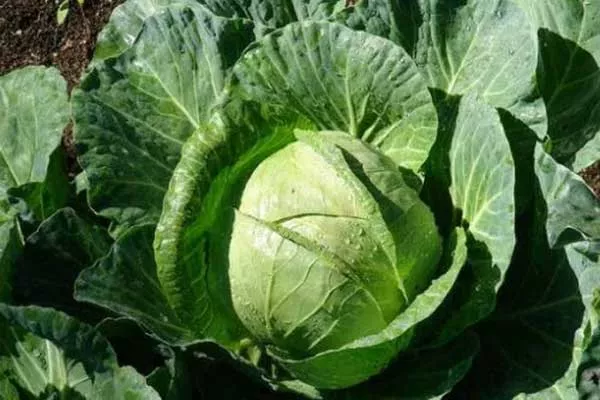
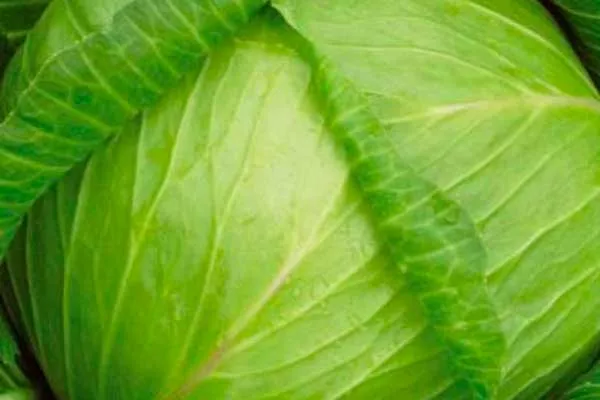
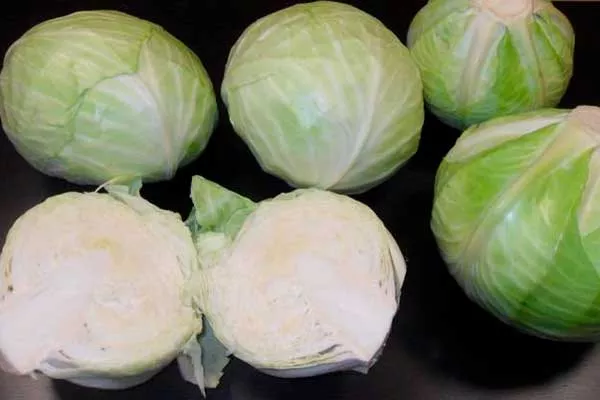
Heads of cabbage range in weight from 2.4 to 3.4 kg. They are round or round-flat in shape. The medium-sized vegetables are light green in color, with a snow-white interior. Ripe cabbages are firm and juicy in texture.
Characteristics
Today, there are many varieties and hybrids of white cabbage, but there are also time-tested varieties, such as Nadezhda cabbage. It is high-yielding, hardy, and has excellent flavor, and has been a favorite for garden cultivation for almost half a century.
Purpose and taste
Characterized by a pleasant, slightly sweet flavor without bitterness, this popular variety is versatile—ripe heads are suitable for both fresh consumption and processing. Nadezhda cabbage is often canned, fermented, and pickled.
Chemical composition and beneficial properties
The vegetable is rich in vitamins, minerals, and fiber, but the content of these nutrients can vary depending on the growing region. For example, in southern regions, cabbage contains less sugar but retains a high vitamin content. In sunny summers with moderate temperatures, vitamin C levels increase.
Ripening time
It's a mid-season variety: from germination to technical maturity, the heads of cabbage take 120-145 days. Harvest usually occurs in September. The short growing season makes it suitable for cultivation in temperate climates by sowing seeds directly into open ground. Ripening occurs gradually.
Productivity
A variety with excellent productivity – on average, 696-1128 centners are harvested per hectare, or 6-11 kg per square meter. With proper agricultural practices, this figure can be increased to 15 kg per square meter.
Resistance to diseases, pests and cold
The plant has a strong immune system, but preventative measures are still necessary. Improper care, especially due to excess soil moisture, can lead to diseases such as clubroot and bacterial slime.
Which regions is it suitable for?
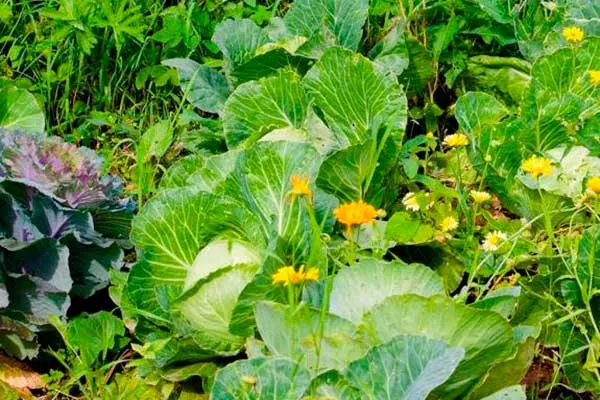
Nadezhda is highly prized in areas with harsh climates, especially in the Urals, Siberia, and the Far East. It is popular in the Northwestern, Central, Volga-Vyatka, Central Black Earth, Middle Volga, and Lower Volga regions.
Features of planting and growing
Cabbage can be grown using both seedlings and direct-seeding methods. It's important to consider certain requirements and follow the advice of experienced gardeners.
Preparing for planting seeds
Sow seeds in early April. Follow these recommendations:
- Fill the prepared containers with soil consisting of equal parts of garden soil, sand and peat, which should first be disinfected by watering with a weak solution of potassium permanganate.
- Calibrate the seeds and soak them for half an hour in a solution of potassium permanganate, then for 30 minutes in hot water (+50°C) and for 2-3 minutes in cold water.
- Place the prepared seeds 1-1.5 cm deep in moistened soil, water, and cover the containers with plastic wrap, placing them in a warm location (20 to 22°C). Once the seedlings emerge, maintain the temperature in the seedling room at 12 to 15°C during the day and 8 to 10°C at night.
- It's important to provide plants with 12-15 hours of daylight. If necessary, use fluorescent or phytolamps for additional lighting.
- Water the seedlings moderately, monitoring the soil moisture level to avoid drying out or over-watering.
- Feed the seedlings with complex mineral fertilizers, and 10 days before transplanting into open ground, begin hardening them off by placing them outside and gradually increasing the time they stay there from 15 minutes to 24 hours.
During hardening, carry out foliar feeding by spraying the leaves with a solution of potassium sulfate and urea at the rate of 250 ml per 1 bush.
Place of cultivation
For successful cabbage growth, choose a site that receives full sun throughout the day. Insufficient light in partial shade can lead to the following problems:
- Slowing down vegetative processes, which increases ripening time.
- Decreased usefulness due to accumulation of nitrates.
- The heads of cabbage become loose and lose density, resembling brooms, which reduces their shelf life.
Give preference to places protected from strong winds so that the bushes are not exposed to mechanical damage.
Soil requirements and precursors
Nadezhda prefers light, loose and fertile soil with sufficient nitrogen, calcium and potassium content, neutral or medium acidity (pH 6.4-7.5).
- ✓ The soil pH level should be strictly within 6.4-7.5 for optimal nutrient absorption.
- ✓ The nitrogen, calcium and potassium content in the soil must be balanced to prevent deficiency or excess.
The ideal soil is slightly loamy or clayey. If the soil is acidic, lime it or add dolomite flour.
Timing, scheme and rules of planting
Transplant the seedlings into open ground when they are 30-45 days old. By this time, the plants will be about 20 cm tall and have 5-6 leaves.
In central Russia, the optimal time for transplanting is mid-May, depending on weather conditions and soil temperature, which should be between +4 and +12°C.
Step-by-step instructions:
- On a pre-prepared and fertilized area, form beds with an interval of 70-80 cm between them.
- In each row, dig holes 25 cm deep, 50-60 cm apart.
- Add a mixture of humus, wood ash and potassium fertilizers to the holes, then pour in 2 liters of water.
- Carefully remove the seedlings from the containers and place them in the center of the prepared holes.
- Cover the plants with soil, deepening them to the first leaves, and carefully compact the soil.
The final stage is moistening the seedlings.
Seedling cultivation
In most regions of our country, cabbage is usually grown as seedlings, as the cold spring does not allow for immediate sowing of seeds in open ground.
Soil preparation
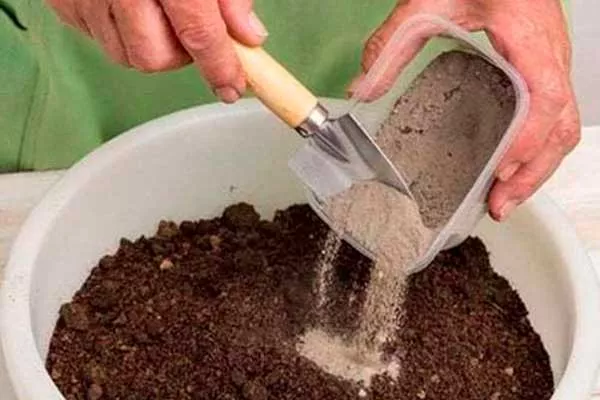
Use a soil mixture consisting of equal parts sand, peat, and turf. Before planting the seeds, water the prepared soil with a weak solution of potassium permanganate to disinfect it.
Sowing seeds
Treat the planting material with growth activators, such as Zircon, Albit, or Agat-25. Plant them 0.5 cm deep and water immediately.
When the first shoots appear, reduce the room temperature to +10°C to adapt the plants to outdoor conditions.
Picking
This procedure is performed during the growing stage of cabbage seedlings. Pricking out weak sprouts allows for the removal of weaker, more vigorous plants.
How to plant without seedlings?
In southern regions, sow seeds directly into open ground. Sow seeds in late April or early May.
Step-by-step algorithm:
- Form the beds at a distance of 75-80 cm between rows, and leave 50-70 cm between holes.
- Place 2-3 seeds in each hole and cover them with film or glass.
- When the seedlings reach a height of 10-15 cm, remove the weak plants, leaving only the strongest specimens.
With the seedless method, the growing season is reduced by 15-18 days.
Care nuances
To obtain a high yield of Nadezhda cabbage, it's important to follow the rules for caring for the plants in open ground. Follow standard agricultural practices.
Watering mode
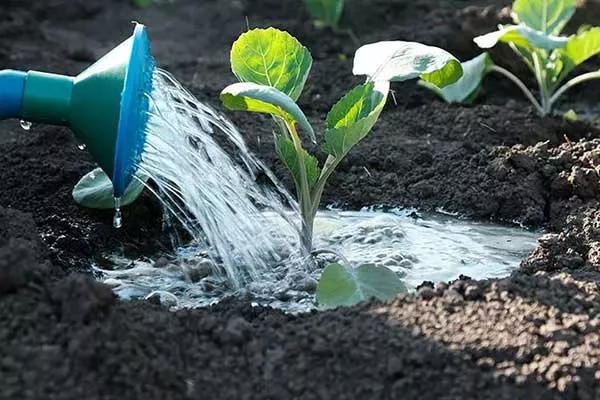
Water the plants regularly. While the cabbage is growing in the nursery, use warm water, and later use water from a barrel. Avoid overwatering the plants to prevent fungal diseases. Use drip irrigation, which delivers measured amounts of water directly to the roots.
Loosening and hilling
White cabbage requires light, well-drained soil. To ensure comfortable growth, frequently loosen the soil to help remove weeds.
Since this variety has a weak stem, hill up the bushes, doing this simultaneously with loosening the soil after watering or rain. Stop working when the leaves cover the soil.
Top dressing
The crop especially requires nitrogen, calcium, and potassium. Use the following fertilizers:
- infusion of mullein and chicken manure;
- green fertilizer from fresh grass;
- dry wood ash and extract from it.
During the growing season, apply no more than four fertilizing applications, combined with irrigation. Follow this schedule:
- 20 days after transplanting, feed the seedlings with nitrogen-containing fertilizers.
- After another two weeks, add potassium compounds.
- Later use Superphosphate.
- After 20 days from transplanting, apply nitrogen-containing fertilizer to stimulate leaf growth.
- After another two weeks, add potassium compounds to strengthen the root system.
- At the stage of head formation, use superphosphate to improve the density and quality of the crop.
If necessary, apply another top-up.
Measures to increase yield and secrets of successful agricultural technology
The quality and quantity of cabbage heads depend on proper care. Water the plants regularly, avoiding both drying out and waterlogging.
Apply fertilizers in a timely manner to promote crop growth and development, and carry out preventative treatment of plantings to protect against diseases and pests.
Pest and disease control
Strengthening the plant's immune system is a key aspect of plant care. Ignoring preventative measures can lead to the loss of the entire harvest.
Diseases
Timely preventative measures will help prevent cabbage diseases. The most common ones are:
| Disease | Symptoms | Treatment |
| Cabbage clubroot | This disease requires special attention, as infected areas cannot be used for growing cruciferous crops for 5-6 years. Clubroot is a fungal growth that forms on the roots, leading to stunted growth and, ultimately, plant death. | To prevent clubroot, collect and destroy damaged plant debris, apply lime to the soil, practice crop rotation, and disinfect seeds before sowing.
Treat seedlings with Fitosporin. Plant nightshades, lilies, and goosefoot crops in the infested soil to help kill the fungus. |
| Mucous bacteriosis | The disease develops during prolonged wet weather and high vegetable storage temperatures. Mechanical damage, frost, and pest attacks compromise the integrity of the heads, creating conditions favorable for infection.
First, the outer leaves rot and become slimy, then the entire head and stalk are affected, leading to the death of the plant. In another variant of the disease, rotting begins from the head. | To prevent and combat bacterial slime, practice proper crop rotation, control pest populations, maintain optimal storage conditions, and disinfect storage facilities. Seedling treatments with Planriz and Binoram are effective. |
Pests
The crop is susceptible to attack by various pests, as there is no data on its resistance to them. Among the insects that cause the most damage are:
| Pest | Symptoms | Treatment |
| Cabbage white butterfly | Young larvae and adult caterpillars of the cabbage white butterfly can cause significant damage to the crop by eating the edges of the leaves. In large numbers, they can destroy the flesh of the cabbage head, and within a few days, the entire head of cabbage.
Female white butterflies lay eggs on the underside of leaves. | Inspect your plants regularly, collecting eggs and hatched caterpillars. If the pest infestation becomes overwhelming, use insecticides such as Karate Zeon or Calypso. Spread wormwood in your garden beds to repel white butterflies. |
| Cruciferous flea beetle | These are small jumping bugs, about 3 mm in size, that feed on the succulent leaves of cabbage and other cruciferous plants. Without control, this pest can damage all cabbage seedlings after planting them outdoors. | Dust plants with wood ash or tobacco dust mixed with slaked lime in equal proportions. In case of a large infestation, use chemicals such as Anabasine Sulfate and Bitoxibacillin. |
Difficulties in growing
When cultivating vegetables, growers may encounter a number of challenges. Here are the main ones:
- Small and loose heads of cabbageThis can be due to a lack of sunlight if the cabbage is growing in partial shade. Light quality is critical for normal growth and the formation of large specimens.
- Yellowing of leaves and loss of turgorThese symptoms may indicate clubroot, a disease that develops in highly acidic soil. If cabbage grows in such conditions, it may suffer from nutrient deficiencies.
Pay attention to growing conditions and provide cabbage with the necessary resources for successful harvest formation.
Harvesting and storage
Harvest vegetables in August-September. To determine the optimal time, pay attention to the condition of the heads: they should be firm, without any air pockets, and the lower leaves should be slightly drooping.
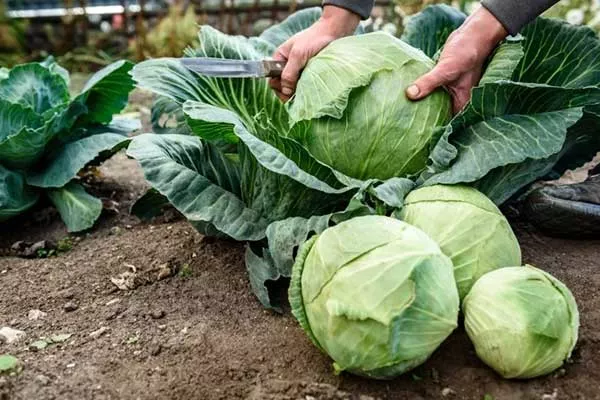
Dig up the plants along with the roots, leaving 3-4 outer leaves and a 3-4 cm long stalk on the heads. Inspect the harvest carefully, setting aside heads for immediate use and discarding damaged or diseased specimens.
Place heads of cabbage suitable for storage in a cellar or basement, where they can be stored for 5-6 months under optimal conditions: air temperature from -1 to +1°C and humidity of 90-98%.
Positive and negative qualities
Before growing this variety, carefully study its advantages and disadvantages to avoid various problems.
Reviews
Nadezhda is a popular cabbage variety that is resistant to diseases and adverse conditions. It is ideal for a variety of climates. Although the crop has some drawbacks, proper care and adherence to agricultural practices can significantly increase yields.