
Kazachok cabbage has been popular for many years among experienced agronomists, who have appreciated its excellent characteristics. Beginning vegetable growers also choose this crop because it is easy to grow, produces good yields, and has excellent flavor. For best results, it's important to ensure timely care.
Who developed the variety and when?
This hybrid has long been known in Russia. Its history began in the mid-1990s, when a group of breeders, including A. V. Kryuchkov, G. F. Monakhos, L. D. Bondarenko, S. V. Koroleva, and N. N. Vorobyova, developed this variety in Krasnodar. After successful variety testing, it was added to the State Register in 1996.
Features of the variety
Every year, this variety receives rave reviews from vegetable growers. Most gardeners and farmers are completely satisfied with the results this cabbage produces. Occasionally, you may encounter reports of unattractive fruits, but this is most often due to insufficient watering and high temperatures.
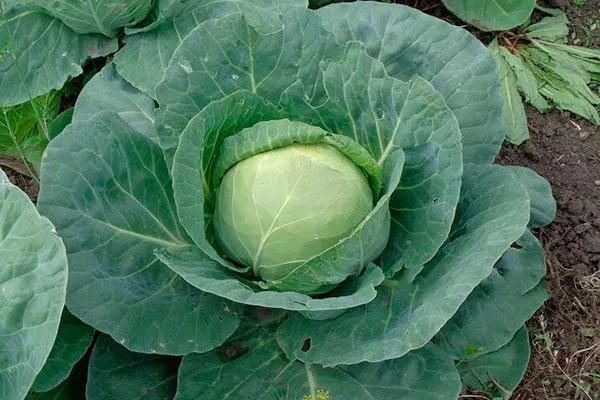
Description of the plant and heads of cabbage
It is distinguished by its raised rosette of leaves, reaching from 55.4 to 67.4 cm in diameter and from 21.2 to 28 cm in height. Distinguishing features:
- It has miniature round leaves, colored in a rich green hue.
- Large wrinkles are present, and the edges of each leaf are slightly wavy with cuts.
- The petiole is small. The outer stalk reaches 8-10 cm in length, the inner stalk – 6 cm.
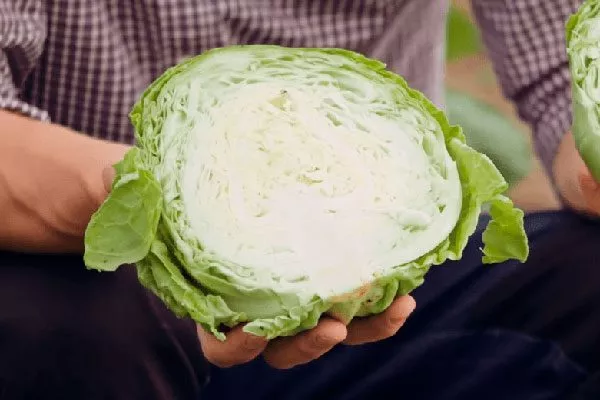
- The shape of the head is circular, with a weight of 0.8 to 1.2 kg and a height of 15.5-17.5 cm.
- Inside, the head of cabbage is snow-white with a yellow-cream tint.
Frost resistance
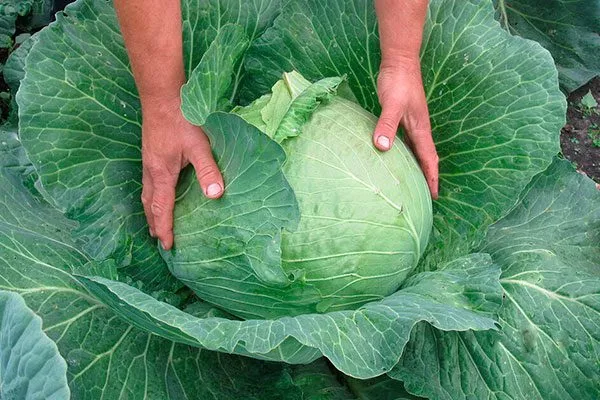
This hybrid was developed specifically for growing in regions with variable climates. It is unpretentious to weather conditions and can easily withstand spring frosts down to -3-5°C.
It's especially popular in regions with high humidity and frequent rainfall, where such conditions promote successful growth and development. Rainy weather in these regions is more of an advantage than a disadvantage for cultivation.
Ripening time
It's an early-ripening variety. If grown from seedlings, the first harvest can be collected within 1.5 months of planting. Typically, it takes about 100 days from germination to harvest.
Productivity
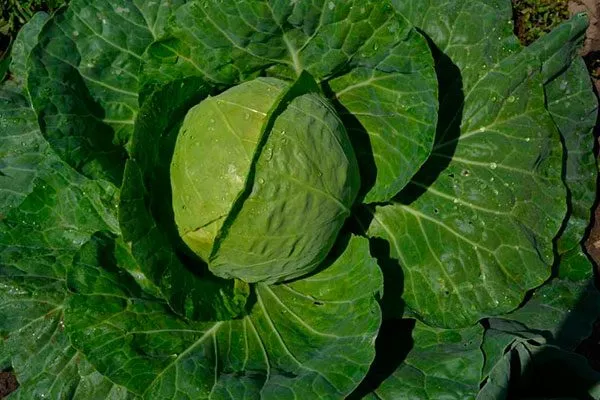
The yield significantly exceeds average, reaching approximately 4 kg per square meter of planting area. A farmer can obtain approximately 318 to 461 centners of vegetables per hectare of land.
Taste and uses
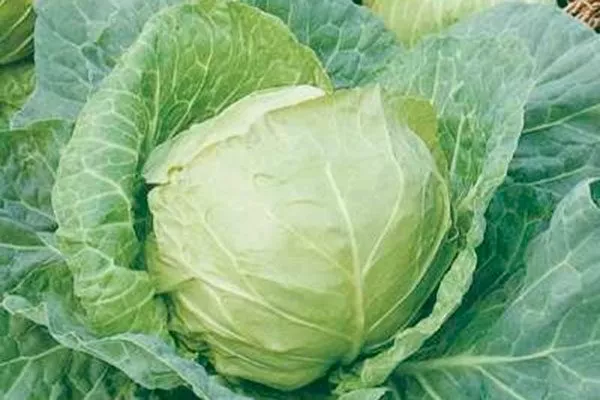
Kazachok cabbage is highly rated for its excellent flavor. Its tender and juicy texture is perfectly balanced with a subtle sweetness, without the slightest trace of bitterness or other negative qualities. Its dry matter content is 7.2%, and its total sugar content is 4.2%.
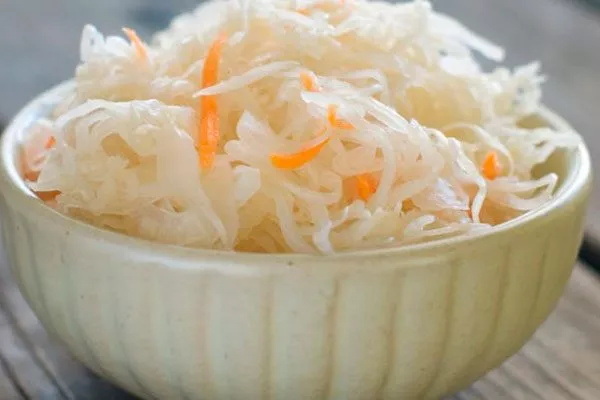
It contains a significant amount of ascorbic acid—42.9 mg per 100 g of raw product. Its flavor is best revealed in salads, although it can be used in a variety of culinary preparations, including hot and cold dishes, and in preserves.
Growing regions
This variety has a wide geographical distribution. It can be found in various regions of Russia, including Western and Eastern Siberia, the North Caucasus, the Far East, the Urals, the Volga-Vyatka, Middle Volga, Northern, Central Black Earth, Lower Volga, and Northwestern Russia.
Soil requirements
It performs best when grown in fertile, non-acidic soils. Ideally, it should be planted in a location where similar potatoes, onions, or cucumbers have previously been grown. Such soils provide favorable conditions for the hybrid's development and prosperity.
- ✓ The soil pH level should be between 6.0-7.5 to prevent the development of clubroot in cabbage.
- ✓ The soil must be well-drained to avoid waterlogging and root rot.
Agricultural technology of cabbage Kazachok
In unfavorable climates, it shows good results when grown directly from seeds in open ground. However, seedlings are a better choice.
Sowing
It's best to sow cabbage seeds in early or mid-March. To ensure gradual ripening, sow the seeds in batches, spaced 3-5 days apart. If possible, prepare a soil mixture that includes pre-heated turf. Loosen the soil and treat it with Fitosporin to protect against infections.
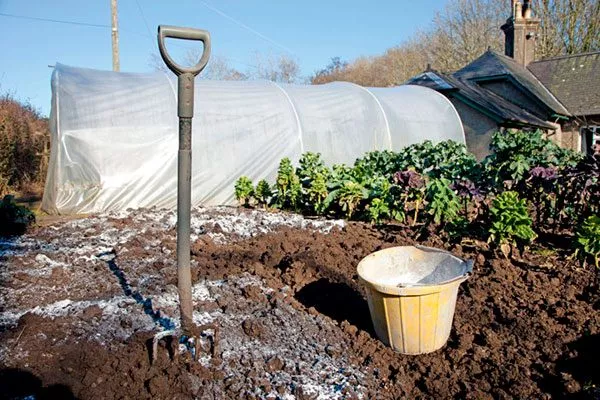
For the first week after planting, keep the plants in a cool place, then gradually increase the temperature. After 10-14 days of germination, transplant the seedlings, burying them down to the cotyledons, and water them only after the soil around the trunk has dried out.
Plant seedlings 40-45 days after germination in moist, but not cold, weather. If the weather is hot and sunny, protect the seedlings from direct sunlight for the first 1-2 weeks after planting and regularly monitor their moisture levels.
Care
Water the plants generously every two days. Warm water is ideal, but cool water won't harm the seedlings either. The plant thrives in non-acidic soils with adequate nitrogen. To reduce acidity, use ash, and to increase nitrogen, apply urea 20-30 days after germination.
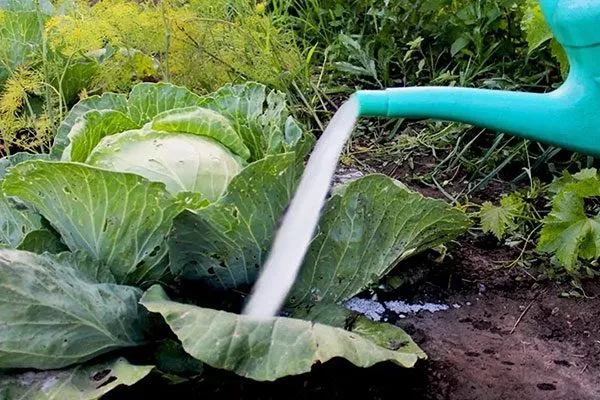
Fertilize the variety twice more throughout the growing season. The first time, use a mullein infusion diluted at a ratio of 1 part manure to 3 parts water.
- Ten days after planting the seedlings, add a urea solution (10 g per 10 l of water) to stimulate leaf growth.
- During the period of head formation, use potassium-phosphorus fertilizers (20 g of superphosphate and 10 g of potassium salt per 10 liters of water) to improve the quality of the heads.
Add urea to the first infusion feeding at a ratio of 1 g per 1 liter. The final feeding should contain complex fertilizers high in potassium and superphosphate.
Diseases and pests
The Kazachok cabbage variety is resistant to diseases such as blackleg and bacterial wilt. Maintaining optimal growing conditions will help prevent attacks by insects such as cabbage whites, flea beetles, and slugs.
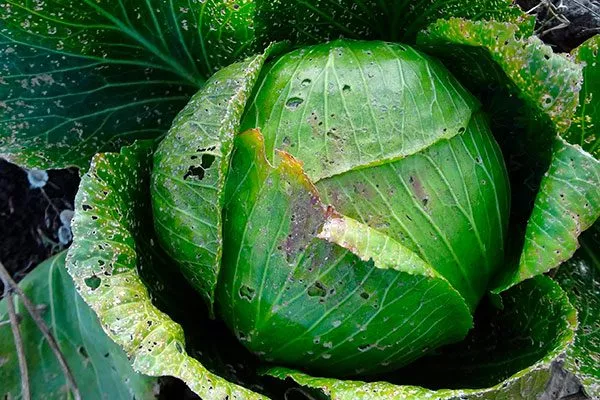
One method of pest control is to plant certain plants around your garden beds whose essential oils repel or attract pests. These include mint, marigold, and calendula. Use Fitoverm for treatment.
Harvesting and storage
Once the heads have reached the desired size and maturity, it's time to harvest. It's best to harvest cabbage in dry weather, preferably in the morning or evening, to avoid overheating the vegetables and preserve their freshness.
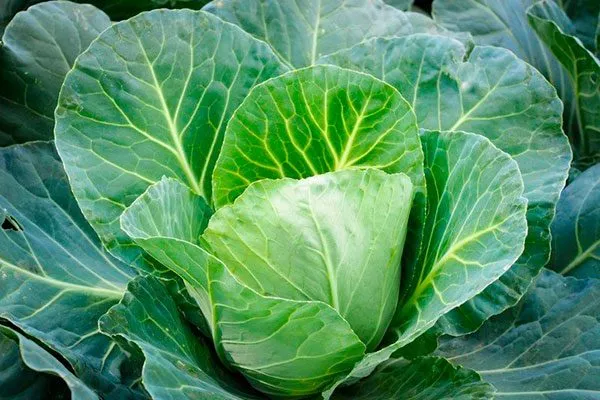
To harvest the cabbage heads, use a sharp knife or pruning shears, carefully cutting them from the stem. Avoid damaging or bruising them to preserve the quality and integrity of the harvest. After harvesting, thoroughly clean the heads of cabbage to remove any dirt and dust. They can then be stored in a cool, dry place.
The optimal storage temperature is around 0-2°C, with a relative humidity of around 90-95%. A refrigerator or cellar is suitable for this purpose. The variety can be stored for up to six months.
Advantages and disadvantages of the variety
Before planting a new variety in your garden, study its positive and negative qualities. Kazachok has many advantages:
Reviews of Kazachok cabbage
Kazachok cabbage is one of the most popular and important cultivated plants, widely used as a food crop worldwide. This variety has become popular among gardeners due to its high yield, excellent flavor, and disease resistance. With proper care, it can achieve excellent yields.