
Kharkiv winter cabbage is suitable for both beginner and experienced gardeners. It's easy to grow and requires little attention from agronomists. The heads grow large and are resistant to cracking. With proper care, you can reap bountiful harvests and preserve the crop for the winter.
Who developed the variety and when?
Breeders developed the variety in 1976 by crossing Amager 611 and Dauerweiss. It was added to the State Register that same year. The crop is popular in Ukraine and Russia, and is a favorite among gardeners with and without experience.
What kind is this?
This late-ripening and easy-to-grow variety produces high yields in a variety of climates. This vegetable is characterized by its large, juicy heads with a delicate texture, making it versatile.
Description and characteristics
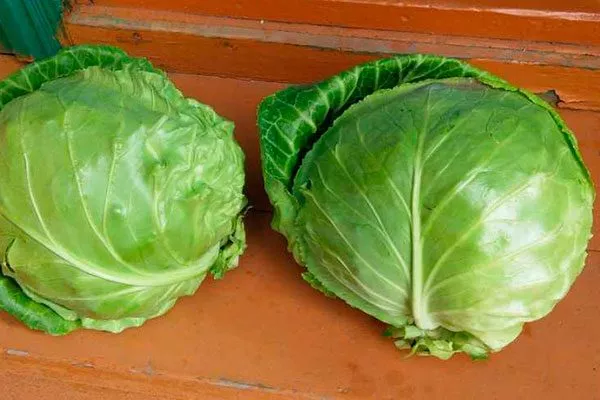
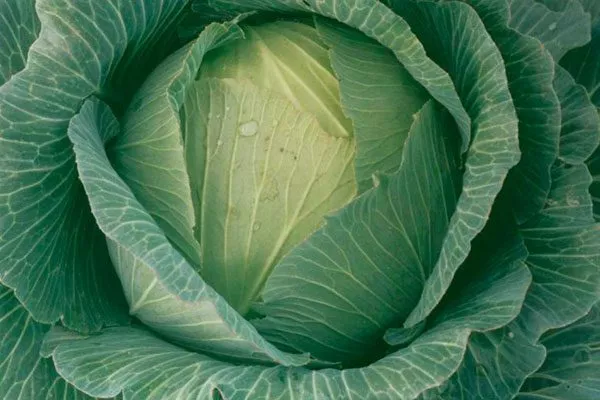
Characterized by a compact, upright rosette of leaves, this is a large cabbage variety, reaching 3.5-4 kg in weight. Large, green leaves with a smoky hue have slightly wavy edges and a rich waxy coating. The heads have a flattened, rounded shape.
Purpose and taste
The internal structure of the cabbage heads is white and pleasantly juicy. This vegetable is valuable for its rich composition. It contains sulfur, potassium, zinc, vitamin C, and fiber, making it very healthy.

Many people prefer to eat this cabbage fresh, adding it to salads, or use it for pickling, canning, fermenting, or preparing preserves with other vegetables. It's suitable for any culinary experiment.
Ripening and yield level
This is a late-ripening variety. It takes 150-160 days from germination to maturity. Harvesting begins in September. Yields in small plots are approximately 11 kg per square meter. On an industrial scale, average yields range from 583 to 832 centners per hectare.
Pros and cons of the variety
This ancient hybrid remains extremely popular. It's grown by both amateur gardeners and professional farmers. It has many advantages:
Features of cultivation
Kharkiv Winter succulent thrives in loose, light, and fertile soil with good drainage and air permeability, and a neutral (pH 6.5-7) or slightly acidic (pH 7-7.5) pH. Sandy and loamy soils are ideal. This plant thrives in full sun, so choose a site on the south side of the plot.
- ✓ The soil pH level should be strictly within 6.5-7.5 for optimal nutrient absorption.
- ✓ It is essential to have drainage in the soil to prevent water stagnation and root rot.
Landing
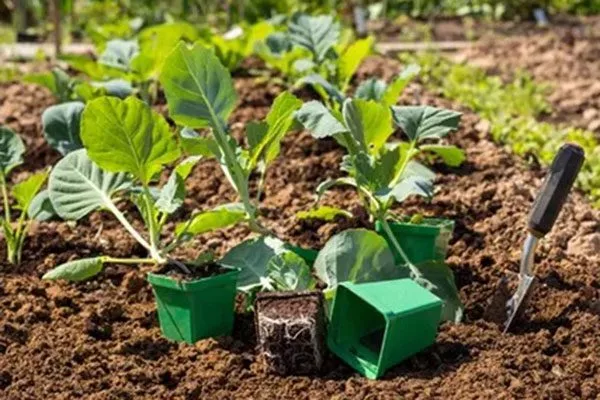
This variety can be grown using either direct or direct seedling methods. If direct seedlings are chosen, sow the seeds outdoors in late April or early May. For direct seedlings, sow the seeds approximately 1.5 months before transplanting into the ground—early April in temperate regions.
Helpful tips:
- Seedling substrate can be purchased in specialized stores or prepared independently by mixing equal parts of peat, river sand and turf soil, and adding a certain amount of wood ash, dolomite flour and superphosphate.
- To prevent disease, soak the seeds for 30-40 minutes in a solution of potassium permanganate or fungicides. Place them in hot water (50°C), then cool and place in a cool place at 5°C for 12 hours.
- Sow the seeds on the prepared substrate and cover with plastic to create a greenhouse effect. Remove the plastic once the seedlings emerge.
Water the seedlings with warm, settled water with added potassium permanganate as the top layer of soil dries out, feed them twice with a solution of cow manure, provide a daylight period of at least 12 hours, and transplant when 2-3 leaves appear on the seedlings.
Transplanting seedlings is carried out as follows:
- Prepare the soil on the site: dig it up, add 10 kg of humus, 20-30 kg of sand, 1-1.5 kg of chalk or dolomite flour, and mineral fertilizers per square meter.
- Prepare beds at a distance of 60-70 cm from each other.
- Create planting holes 5-10 cm deep.
- Place the plants in the holes so that the distance between them is 35-40 cm.
The optimal time for transplanting seedlings into the ground is mid- or late May, depending on the date the seeds were sown.
Care
Established cabbage requires regular watering, especially during periods of hot and dry weather. Water the plants approximately every 5-6 days, increasing the frequency during hot weather. Use purified water warmed to room temperature.
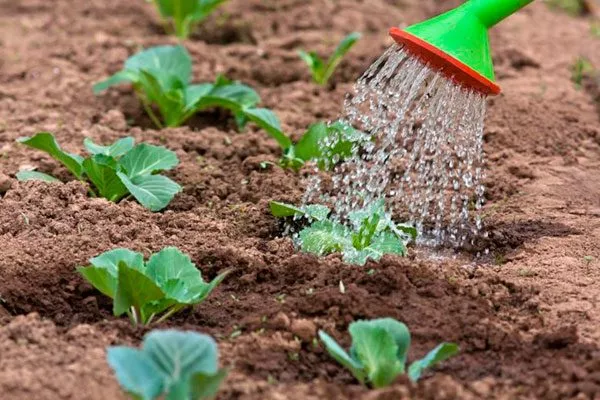
For young plants, it is recommended to use 6 liters of water per 1 square meter; then double this dosage.
Kharkivska is drought-resistant, but regular watering is necessary for proper development. Provide fertilizer for optimal growth and development. Fertilize four times after planting:
- After 2 weeks, use cow manure diluted with water (0.5 liters per 10 liters). Pour 500 ml of liquid under each plant.
- Repeat the procedure after 4 weeks.
- After 6 weeks, apply a nitrophoska solution (20 g per 10 l), consumption – 7 l per 1 sq. m.
- On the 9th week, use cow manure or nitrophoska.
- Two weeks after planting, apply a solution of cow manure (0.5 l per 10 l of water) under each plant.
- After 4 weeks, repeat the cow manure feeding.
- On the 6th week, use a solution of nitrophoska (20 g per 10 l of water) at a rate of 7 l per 1 sq. m.
- In the 9th week, apply cow manure or nitrophoska for final feeding.
Protection from diseases and pests
Kharkiv Winter is resistant to most common diseases, including bacterial slime, fusarium wilt, rot, and necrosis. Its leaves are covered with a waxy coating, providing protection from flea beetles and aphids.
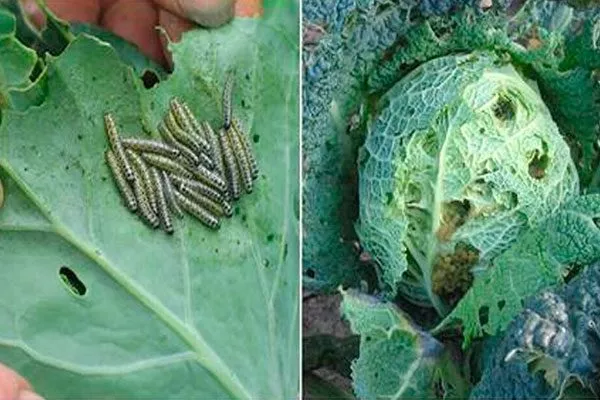
To prevent diseases and pest attacks, treat plants with fungicidal preparations such as Fitoverm, Inta-Vir, Decis, and insecticidal agents such as Gerold, Aliot, and Mukhoed.
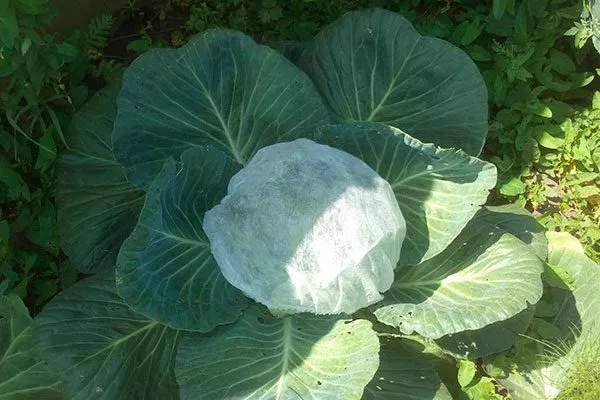
Slugs are a particular pest. To combat them, sprinkle a mixture of wood ash, table salt, ground black pepper, and mustard powder over your garden beds.
Harvesting and storage
Harvest on a clear, dry day. In temperate climates, this should be done in mid-September or the second half of October. It's best to complete harvesting before the first frost, as prolonged exposure to low temperatures can cause the heads to rot during storage.
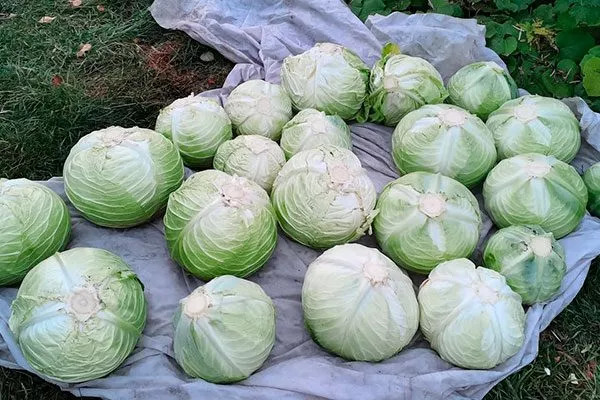
The heads of cabbage do not split, even if they remain in the garden for a long time. Inspect and sort the harvested cabbage, remove any debris, and set aside any small or unusual specimens for immediate use.
After this, spread the harvest under a canopy and leave it to dry for 5 hours. Avoid direct sunlight to prevent the cabbage from wilting. Store the fruit in a cool, dark place with good ventilation and humidity between 85% and 95%. The temperature should be between 0°C and 2°C.
Farmers' reviews
Kharkiv Winter Cabbage is characterized by high weather resistance, high yields, and excellent flavor. With proper planting and care, you can protect the plants from diseases and pests and produce a large number of heads.