
Express F1 is an early-ripening variety of white cabbage. This hybrid is popular with domestic gardeners and farmers growing vegetables for its high yield, excellent marketable quality, and the ability to harvest as early as early June.
Who developed the variety and when?
Express F1 is an achievement of Ukrainian breeding. The hybrid was developed by the Kyiv-based Nasko agricultural firm. In 2003, it was added to the Russian Federation state register. This hybrid cabbage variety can be grown in garden plots in the following regions of the country:
- Siberia;
- Central;
- North Caucasian;
- Ural;
- Volga region.
Characteristics of Express cabbage
This hybrid possesses many excellent characteristics. Not only is it early maturing and high-yielding, but it is also resistant to cracking, bolting, and frost.
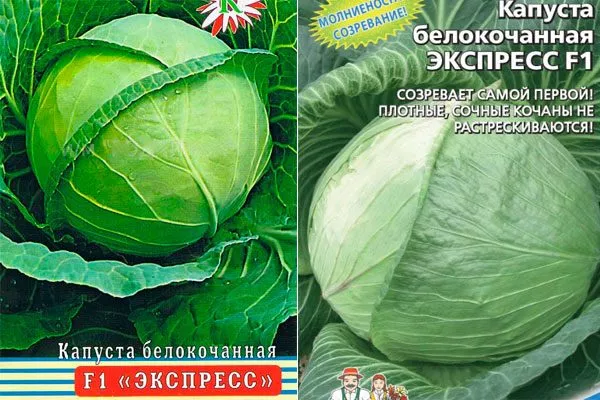
Description of the Express cabbage variety
| Name | Ripening period | Disease resistance | Recommended growing regions |
|---|---|---|---|
| Express F1 | 60 days | High | Siberia, Central, North Caucasian, Ural, Volga |
| Aelita F1 | 70 days | Average | Central, North Caucasian |
| F1 Transfer | 65 days | High | Siberia, Ural |
The plants of this hybrid cabbage variety are compact and small, yet quite vigorous. The rosette of leaves is small and raised, consisting of small, light green leaves.
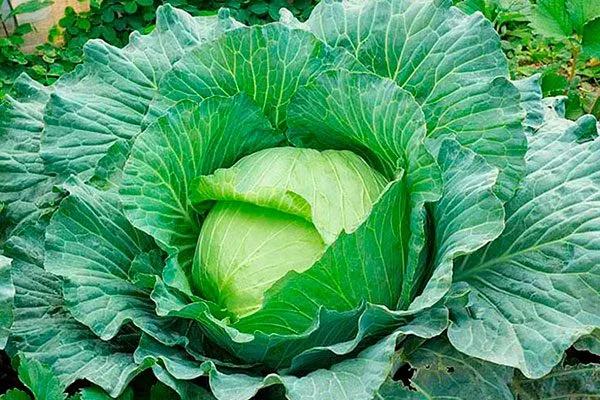
The heads have the following characteristics:
- rounded shape;
- medium density;
- light green color of the outer leaves, which have a waxy coating;
- weight - from 0.8 kg to 1.5 kg;
- creamy color of the inner leaves, which have a delicate central vein;
- with a short stalk.
White cabbage yield Express
In industrial cultivation of this vegetable hybrid, farmers harvest 40,000-50,000 kg of yield per hectare. This yield exceeds that of many popular white cabbage hybrids, including the following standards:
- Aelita F1;
- F1 Transfer.
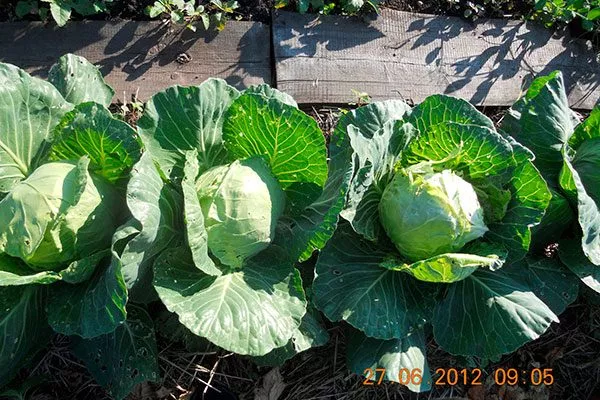
60% of the harvest comes from the first harvest of heads. The marketable yield is 90%. When growing Express cabbage in garden plots, gardeners get 4 kg per square meter of planting.
Taste and purpose
This vegetable variety is distinguished by its delicate fiber structure and juiciness. Its leaves are crisp and very pleasant to the taste. They contain 5% sugar.
Housewives use Express Cabbage like this:
- added fresh to vegetable salads;
- cabbage rolls are made from it (the tender leaves of the hybrid make the dish more delicious);
- Bake the head of cabbage whole or cut it into 2 halves.
Maturation
This vegetable crop is considered very early maturing. Vegetable growers harvest the Express hybrid in the first weeks of June. This cabbage ripens evenly. It takes 60 days from sprouting to the heads being ready for harvesting (45 days from planting to harvest).
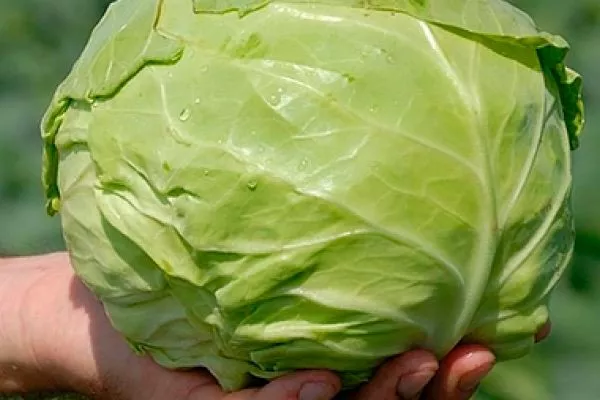
Gardeners can plant this hybrid vegetable variety at different times:
- in the spring, to obtain heads of cabbage at the stage of technical maturity in June;
- in the summer (in July) to harvest in the fall.
Sowing hybrid seeds for seedlings is possible even at the end of winter due to the resistance of this vegetable crop to frost.
Application
Express cabbage yields not only have high commercial quality but also are easy to transport. This makes the hybrid suitable for commercial cultivation. It is grown not only by small farms producing vegetables for sale but also by large vegetable growing enterprises.
Features of growing Express cabbage
This variety of vegetable crop can be grown as follows:
- under film cover to obtain an extremely early harvest in early June;
- in open beds.
Gardeners don't sow seeds directly into the garden soil. Express plants are grown from seedlings, which are then transplanted into a greenhouse or open garden bed.
Growing seedlings
Express seeds are sown for seedlings in the first weeks of March, ready to be planted in the garden in mid-May. In southern regions, earlier sowing (late February) is acceptable. In cooler climates, sowing is done two weeks later.
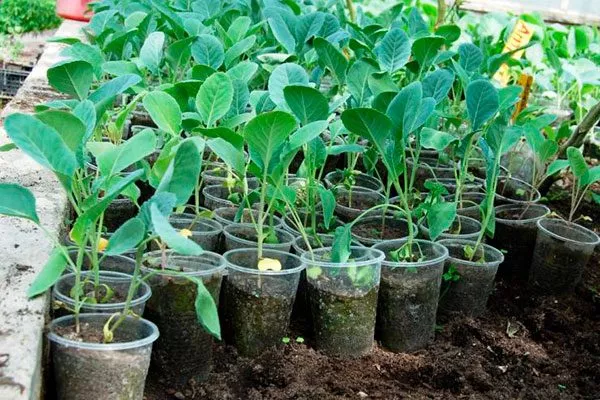
To grow seedlings, use a general-purpose soil or make your own by mixing these ingredients:
- turf soil - 2 parts;
- peat - 1 part;
- sand - 1 part;
- humus - 1 part.
- ✓ Soil pH should be between 6.0-7.5 for optimal seedling growth.
- ✓ The soil must be well-drained to avoid waterlogging and root rot.
Prepare seeds for sowing:
- Leave for 20 minutes in warm water (+50°C).
- Place them in cold water for 5 minutes.
- Dry by laying it out on the table in one layer.
- Treat them with Fitosporin 1 day before sowing.
Sow to a depth of 1 cm. If using a shared container, maintain a spacing of 10 cm. Cover the planting containers with plastic film. Periodically ventilate and moisten the seedlings. Grow the seedlings at a temperature of 16-18°C. Provide them with good lighting.
Transplantation into the ground
Once the seedlings have five leaves, transplant them to the garden bed. Prepare the area for planting cabbage in advance:
- clean;
- dig up;
- level it out.
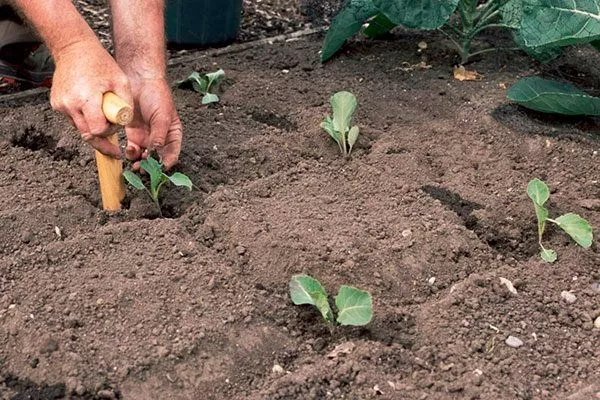
This hybrid isn't picky about soil composition, but it does require plenty of sunlight. Thirty days before transplanting, fertilize the soil with humus (8 kg per 1-2 square meters). Plant the seedlings in a 50x50 cm pattern (linear or staggered).
Caring for the crop
To obtain a rich harvest, Express cabbage requires the following care:
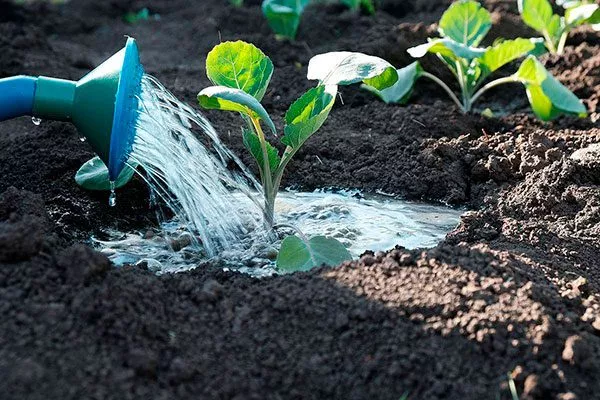
- Regular wateringWater the plants every other day until the cabbage heads form. During rainy periods, reduce watering to once every 3-4 days. Use 12 liters of water per square meter. Stop watering 14 days before harvest.

- Loosening and hillingTo develop the plants' root system, loosen the soil after rain and watering. Hilling will prevent cabbage heads from lodging and reduce the risk of disease. Perform the first procedure after the seedlings have rooted. Perform it after watering.
- WeedingRemove weeds regularly to prevent them from inhibiting the growth of cabbage.
- Top dressingFertilize the seedlings with urea for the first time 14-21 days after planting. Fertilize the seedlings again with organic matter 14-21 days later. If necessary, replenish any nutrient deficiencies by applying complex fertilizers.
Potential problems when growing
When cultivating Express cabbage, gardeners face complications:
- Holes appear on the leavesThis is a sign of attack by whiteflies, cabbage moths, aphids, cutworms, cabbage flies, and flea beetles. Once the threat is identified, treat the planting with Actellic, a decoction of tomato tops, or an ash infusion.
- Small heads of cabbageThe problem is caused by an incorrect planting location. The hybrid doesn't like shade.
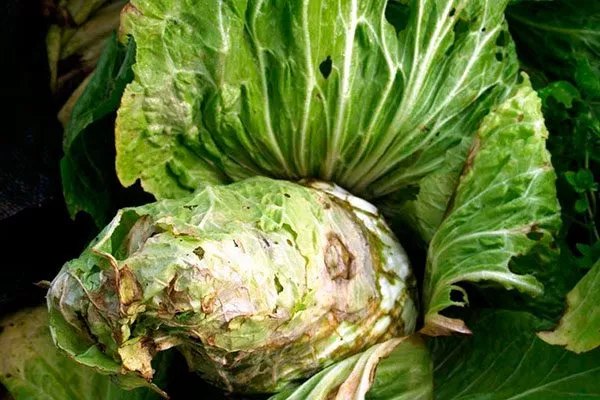
- Leaf deformation, discoloration, spottingThis is how nutritional deficiencies, insufficient or excessive moisture, and disease and parasite infestations manifest themselves.
Conduct a diagnosis, taking into account all the growing conditions of the crop. Correct any nutritional deficiencies with fertilizer. Adjust watering if necessary. Use pest and disease control products.
Diseases and parasites
Express is susceptible to the main cabbage diseases. It is also susceptible to harmful insects, particularly cabbage aphids and cutworms.
Kila
This is a fungal infection that is difficult to detect in its early stages. It causes growths on the cabbage roots. Destroy any affected plants.
These measures will help you avoid getting sick:
- pre-sowing treatment of seeds and soil;
- adding humus or compost to the soil;
- planting onions, beets, spinach, and garlic near cabbage beds.
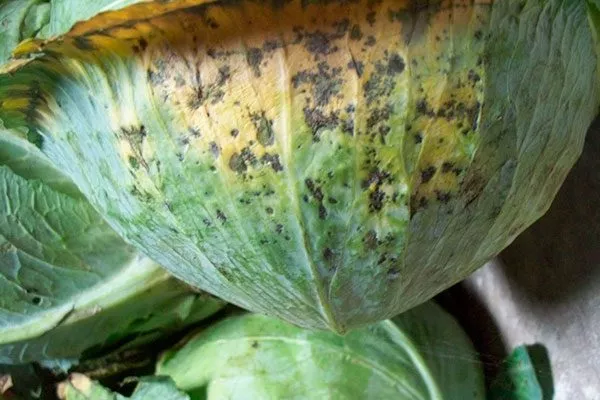
Fomoz
This is a dry rot that affects young and mature plants. It can be identified by gray spots on cabbage. To prevent the problem, treat the soil with a fungicide in the fall. To combat the disease, use horsetail decoction and pepper infusion.
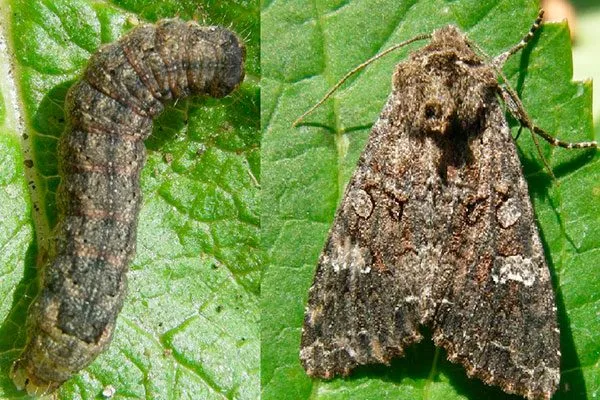
Cabbage moth
These are greenish or brown larvae that feed on succulent plant foliage. Collect the caterpillars by hand and use chemicals to kill them.
Harvesting and storage
Harvest hybrid cabbage heads in dry, warm weather. Cut off the heads, leaving a 3-cm stalk and leaving the outer leaves.
Store the harvested crop in a room that meets the following requirements:
- cool (+1°C);
- wet (90-98%);
- well ventilated.
- ✓ Heads of cabbage are ready for harvesting when they reach a weight of 0.8-1.5 kg and have a dense structure.
- ✓ The inner leaves should be cream-colored with a delicate vein.
Pros and cons of the variety
Reviews
The Express hybrid is suitable for growing in various regions of the country. Gardeners love it for its early maturity and high yield. The cabbage heads have a long shelf life and retain their marketable appearance and quality.