
If you're looking to grow cabbage specifically for pickling or fermenting, consider the varieties listed below. This article describes the most popular varieties, along with their distinctive characteristics.
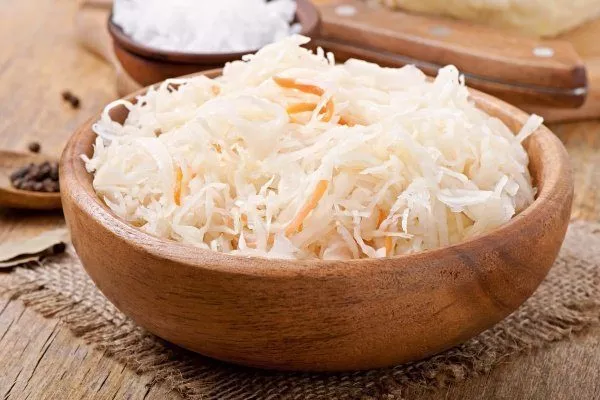
Early ripening varieties of cabbage
These varieties have a growing season of 100-115 days. They are most often eaten fresh, as the heads are not particularly dense. Early cabbage is prone to budding and spoils quickly in storage, so it is not stored until winter.
| Name | Ripening period | Weight of head of cabbage, kg | Resistance to cracking |
|---|---|---|---|
| June | early | 0.9-2.4 | average |
| Cossack | early | 0.8-1.2 | high |
| Rinda | average | 3.2-5 | low |
| Tobia | average | 1.8-3.0 | high |
| Glory 1305 | average | 2.4-4.5 | low |
| Present | mid-late | 2.5-4.5 | high |
| Belorusskaya 455 | mid-late | 1.5-4 | average |
| Menza F1 | average | up to 12 | high |
| Aggressor | mid-late | 2.5-5 | high |
| Amager 611 | late | 2.5-4 | high |
| Moscow late 15 | late | 4-6 | high |
| Kharkiv winter | late | 3.5-4 | high |
| Geneva F1 | late | 3-5 | high |
| Turkic | late | 2-3 | high |
| Atria F1 | late | 2-4 | high |
| Miracle for pickling F1 | average | 3-4.5 | average |
| Kvashenka | average | 3.6 | high |
| Polar MS | mid-late | 1.5-2.9 | high |
| Megaton F1 | mid-late | 3-4 | high |
| Anniversary F1 | average | 2.5-4 | high |
June
This variety is grown throughout Russia, including for commercial production. The commercial yield is 97%. The head of the mushroom has a medium density and a round shape. It is small in size, weighing 0.9-2.4 kg.
This variety is moderately resistant to cracking. The leaves are small, light green, and have a subtle waxy coating. The leaf edges are slightly wavy. "June" cabbage has a good flavor and tolerates spring frosts down to -5°C. It is moderately resistant to pests such as flea beetles and cabbage flies.
The harvest is collected in the temperate zone in late June, and 20 days earlier in southern regions. Ripe heads become firm, and the lower leaves turn yellow.
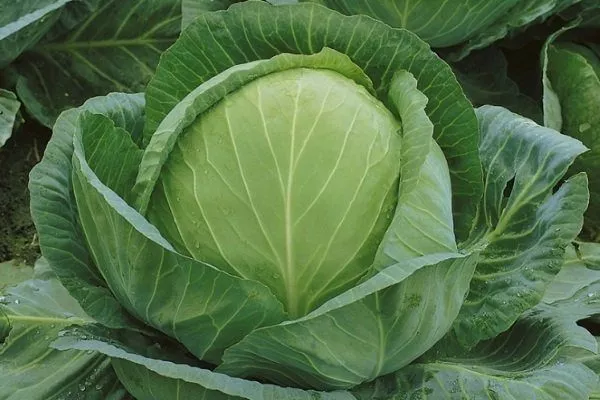
Cossack
A hybrid that grows well throughout Russia. The growing season lasts 106-112 days. Experts recommend eating it fresh. The head is round, dense, and compact. It weighs no more than 1.2 kg and is resistant to cracking.
The leaves are small, dark green with a bluish tint, covered with a medium-thick waxy coating. The coarsely wrinkled leaf blades have slightly wavy edges.
This hybrid is characterized by high yields and is resistant to blackleg and slimy rot (or soft bacterial rot of cabbage). It is moderately resistant to clubroot and vascular rot. Insects also favor this cabbage variety, causing significant damage.
Pests seriously damage crops, so preventative measures are essential.
This variety doesn't tolerate heat and requires regular watering. If the plant suffers from a lack of moisture during drought, it will soon stop growing and forming a head. It should also be avoided in the shade; it prefers sunny areas protected from cold northern winds.
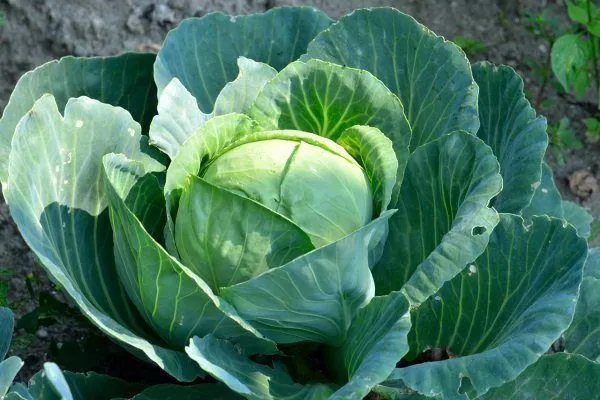
The best mid-season varieties
Mid-season varieties require a longer ripening period—130 to 145 days. These varieties, unlike early-season varieties, contain more sugar and vitamin C. They are suitable for short-term storage and are suitable for pickling, fermenting, and other delicacies.
Rinda
A hybrid from Dutch breeders. Experts recommend growing it in the Central and Volga-Vyatka regions of Russia, but gardeners in Siberia and the Northwest also grow it without any special techniques.
The head is round, very dense, weighing 3.2 to 3.7 kg, and prone to cracking. The cut surface is yellow-white. The leaves are thin, firm, and light green. The stalk is short.
Rinda produces high yields, tolerates temperature fluctuations, and is immune to various diseases. However, it suffers from pest attacks, including cabbage white butterflies, flea beetles, and slugs. However, this hybrid does not tolerate prolonged droughts and requires ample sunlight.
If cabbage is planted in shaded areas, the yield will be significantly reduced.
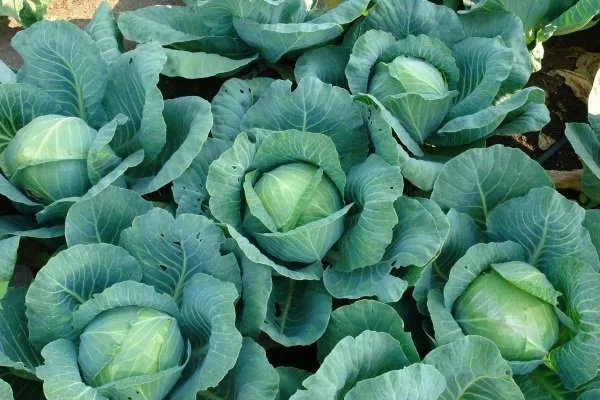
Tobia
Another Dutch hybrid, it is suitable for cultivation in most regions of Russia, with the exception of the Northern, Central Black Earth, North Caucasus, Lower Volga, and Far Eastern regions. The head is round and weighs a maximum of 3 kg.
The leaves are gray-green with a medium-thick waxy coating. They are thin, without coarse veins. The cut surface of the head is white. It does not crack when overripe. Cabbage is immune to Fusarium wilt. Overwatering can cause the lower leaves to rot. Cabbage has a shelf life of up to 3 months.
Glory 1305
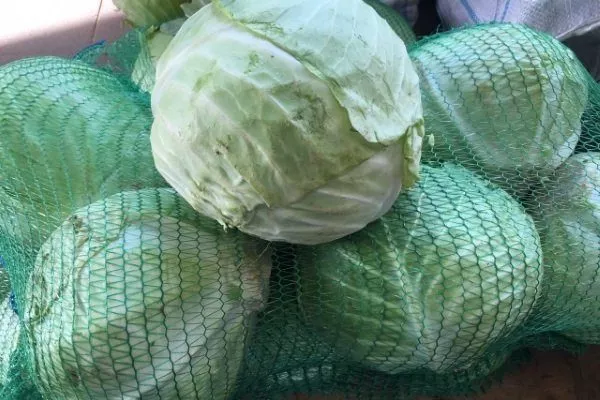
A Soviet variety developed in 1938. It can be grown in all regions of the Russian Federation. The head is round or round-flat, medium to large in size, and firm. It can weigh up to 7.9 kg, with a minimum of 2 kg.
The leaves are medium-sized, finely wrinkled, rounded, grayish-green or green, covered with a light to medium layer of wax. Harvesting should be done promptly, as the cabbage is prone to cracking. The variety is susceptible to clubroot, fusarium wilt, and vascular bacteriosis.
Forks are stored for no more than 3 months.
Present
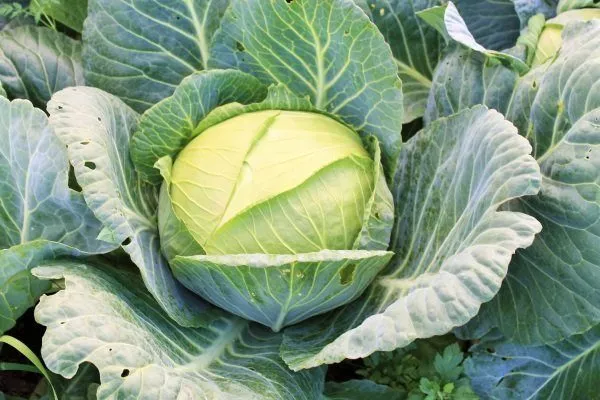
Another Soviet variety that remains popular with gardeners and is suitable for cultivation throughout Russia. It boasts high yields, frost-resistant seedlings, and is suitable for long-term storage (up to 5 months).
The head is resistant to cracking. The head is round or round-flat, very dense, and weighs an average of 3.5 kg. The leaves are wrinkled, gray-green, and have a heavy to medium waxy coating. The edges are slightly wavy.
The plant is undemanding to soil.
Belorusskaya 455
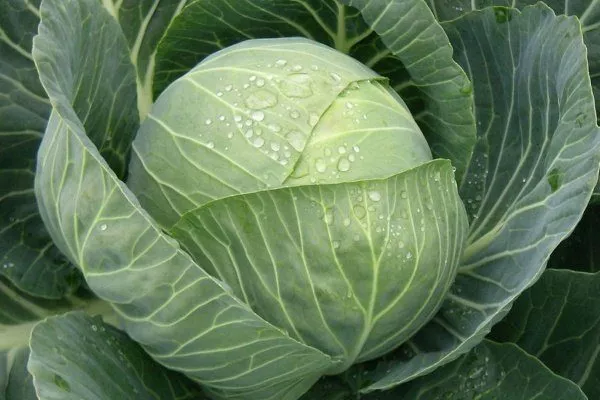
This cabbage is considered one of the best for pickling and is cultivated in all regions of the Russian Federation, with the exception of the North Caucasus and Lower Volga Federal Districts. It is a moisture-loving, cold-resistant variety that prefers to grow only in fertile soils and is demanding of soil moisture.
The head is round, very dense, weighing up to 4 kg, and is not prone to cracking. The leaves are slightly wrinkled or smooth, and their color ranges from gray-green to dark green. The stalk is short. The variety is not immune to clubroot or vascular bacteriosis.
Menza F1
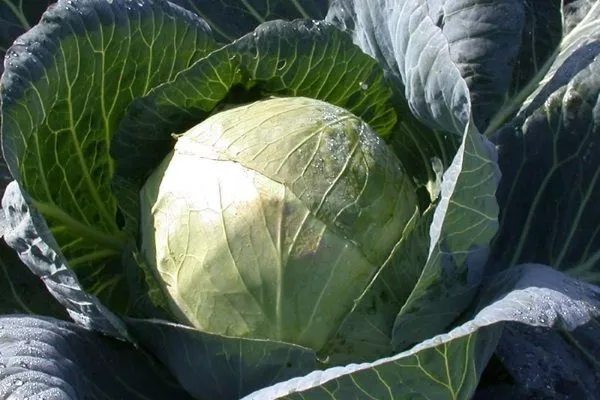
A Dutch hybrid distinguished by its drought tolerance and high yield. The round, flat head is very dense, white across, weighing 4 to 9 kg, and is resistant to cracking. The leaves are gray-green and completely covered with a waxy layer.
This hybrid is grown in virtually all regions of Russia. Its advantages include resistance to powdery mildew, tobacco mosaic, and bacterial wilt, but it lacks immunity to clubroot. Cabbage can also be severely susceptible to pests such as cabbage flea beetles and aphids.
Cabbage can be stored for 6-7 months.
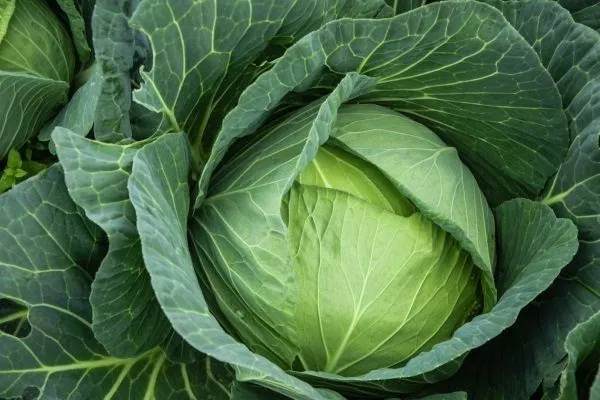
Aggressor
A Dutch hybrid that has become established throughout Russia, with the exception of the Arkhangelsk and Murmansk regions and the Republics of Karelia and Komi. The head is dense, medium-sized, and round. When cut, it is yellow-white.
The leaves are green with a thick waxy coating. They are rounded, slightly vesicular, and slightly wavy along the edges. The plant is resistant to fusarium wilt and is not damaged by cruciferous flea beetles and thrips, thanks to its rough leaves. Whiteflies and aphids pose the greatest threat to 'Agressor,' and the plant is susceptible to fungal diseases.
Cabbage tolerates adverse weather conditions, nitrogen deficiency, and can grow in poor soils. Bitterness may develop when pickled.
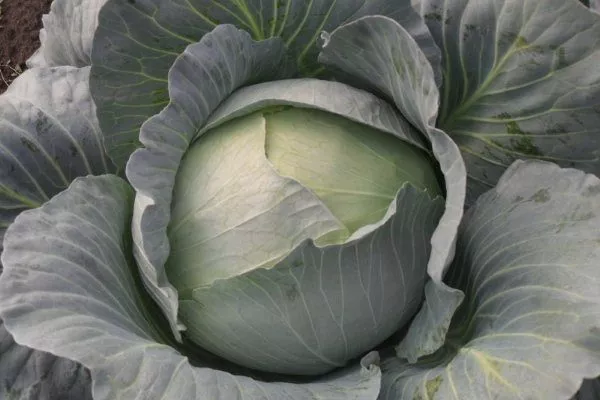
The best late-ripening varieties
Late-ripening cabbage varieties include those with a growing season of 160 days or more. Unlike other varieties, late-ripening cabbage has a dense head and a high dry matter content. It is suitable for long-term storage, and the longer the cabbage is stored, the sweeter it becomes, as the concentration of sugars increases during storage.
Amager 611
An ancient variety grown throughout Russia, with the exception of the Northern and East Siberian districts. This cabbage is frost-resistant, demanding of soil composition, and grows only in fertile soil types and requires increased moisture.
The head is round and flat. It is very dense, weighing 3.5-4.5 kg, and is not prone to cracking. The leaf blades are gray-green and covered with a thick waxy coating. They are coarsely wavy along the edges. The variety is susceptible to Fusarium wilt and vascular bacteriosis.
The heads of cabbage are known for their good shelf life during winter storage. However, the harvest should be monitored for spoilage, as the variety is often affected by gray mold and pitting necrosis during storage.
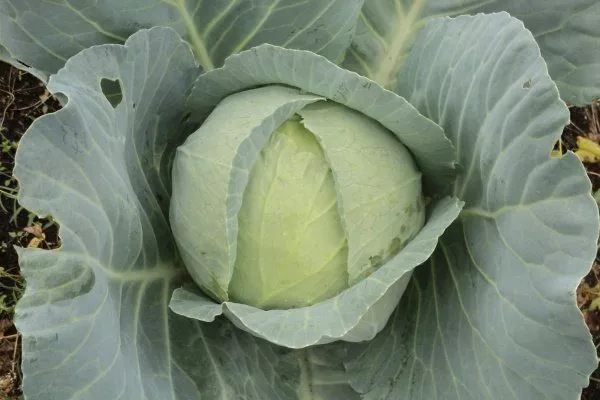
Moscow late 15
An old variety intended for cultivation in the Northwest, Far East, Central, and Volga-Vyatka regions. The heads are dense, round or round-flat, and large. Each head weighs 3.2-5 kg. The leaves are medium-sized, gray-green with a slight waxy coating, and wrinkled.
This is a productive variety, but it does not tolerate drought and is demanding of soil, resistant to keel and pestsThe bushes need to be hilled up, otherwise they will fall over due to the high outer stalk.
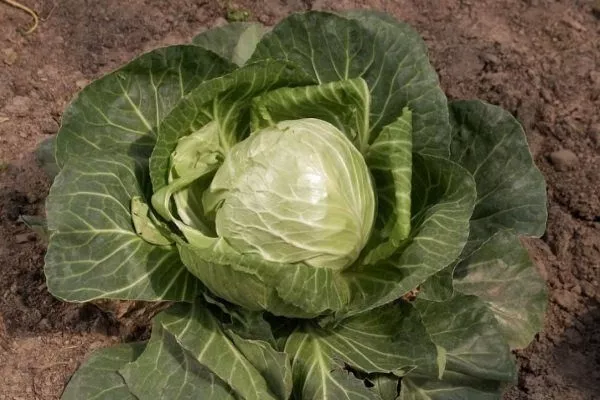
Kharkiv winter
Cabbage is suitable for cultivation in most regions of Russia, except for the Northern, Far Eastern, and East Siberian districts. The heads are round or flat-round, dense, and weigh up to 4 kg. The leaves are gray-green with a strong waxy coating.
It has average heat and cold tolerance, withstanding frosts down to -2°C and short-term heat up to +40°C. It is not susceptible to pitting necrosis during storage. It can be grown in areas with insufficient moisture; lack of moisture has no effect on flavor or yield.
Geneva F1
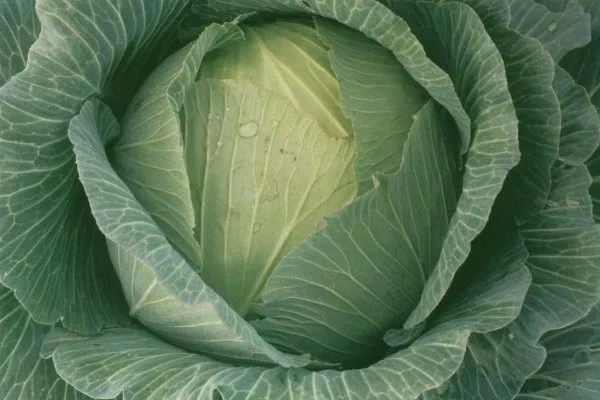
A high-yielding hybrid with a maturation time of 130-140 days. The head is dense, round, white in cross-section, and resistant to cracking. The leaves are green and covered with a waxy coating.
The internal stalk is short. Each head of cabbage weighs up to 3-5 kg. The cabbage has a shelf life of up to 8-9 months and is suitable for long-distance transportation. The plant is immune to Fusarium wilt.
Turkic
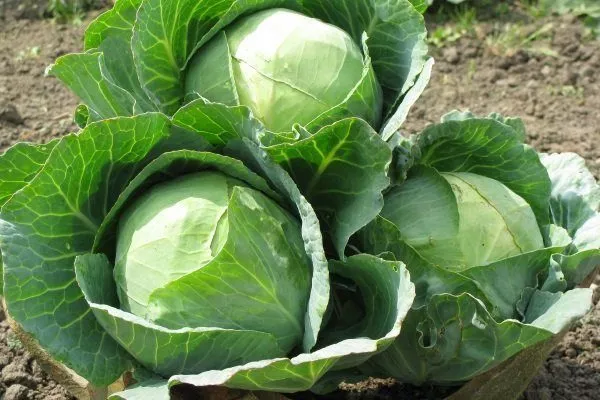
This high-yielding variety, originally from Germany, boasts excellent resistance to a number of diseases, including vascular bacteriosis, fusarium wilt, clubroot, and phoma. The head is dense, medium-sized, weighing 2–3 kg, and is resistant to cracking. The cross-section is white. The leaves are dark green.
The variety is drought-resistant, moisture- and light-loving, and grows best in the southern regions.
New varieties of cabbage for pickling
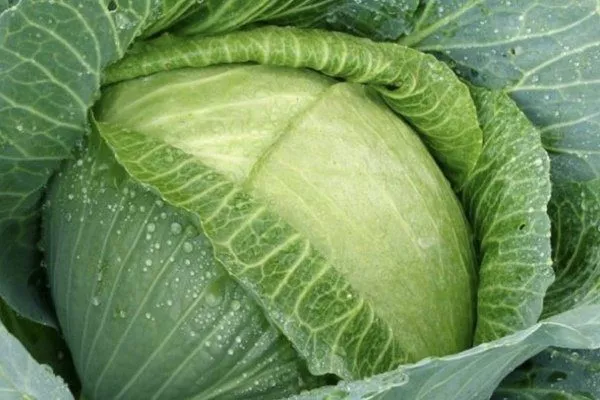
Not only old, time-tested varieties are suitable for salting and pickling, but also new ones that have proven themselves well.
- ✓ The sugar content of the leaves must be at least 4% for optimal fermentation.
- ✓ The density of the head of cabbage must be high to maintain its structure during fermentation.
- ✓ Resistance to cracking is critical to maintaining head integrity during growth and harvest.
Atria F1
A late-ripening Dutch hybrid. It has become established in many Russian regions, with the exception of the Northern, Central, North Caucasian, and Lower Volga regions. The head is round or flat-round and does not split.
The leaves are dark gray-green with a strong waxy coating. The leaf edges are free of tears and waviness. Each head weighs 1.5-3.7 kg. The cabbage is resistant to fusarium wilt and gray mold. Pests include thrips.
It is undemanding to soil and does not require mineral fertilizers.
Miracle for pickling F1
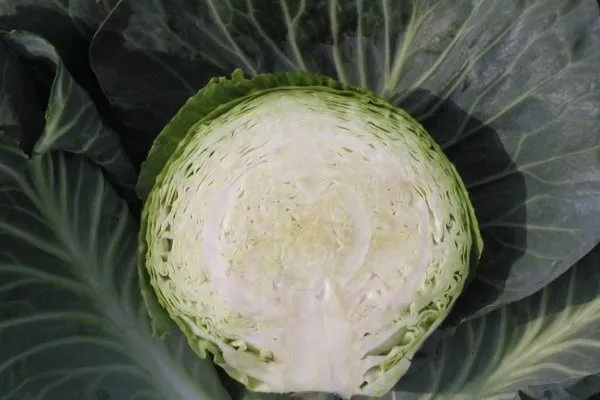
A mid-season Dutch hybrid with high sugar and juice content. The round, non-split head weighs up to 4.5 kg and is very juicy and sweet.
The leaves are green and smooth along the edges. The hybrid is very productive, tolerates adverse weather conditions, requires no additional shelter, and is resistant to numerous diseases.
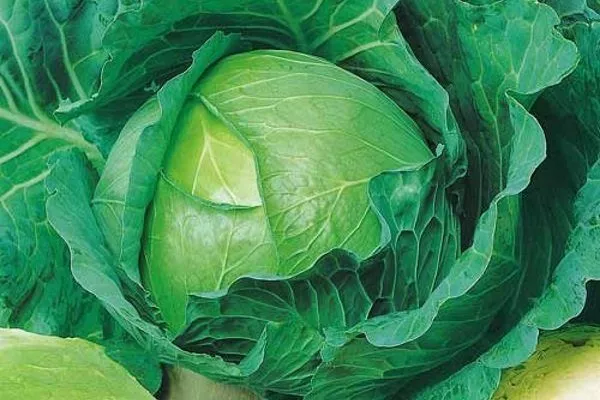
Kvashenka
This mid-season variety reaches technical maturity in no more than 134 days. The head is round, dense, weighing 3.6 kg, and contains a high amount of ascorbic acid, preventing cracking.
The leaves are green, fan-shaped, and slightly wavy along the edges. They are tightly packed together, leaving no gaps. Cabbage is a cold-hardy species and is resilient to the vagaries of the weather.
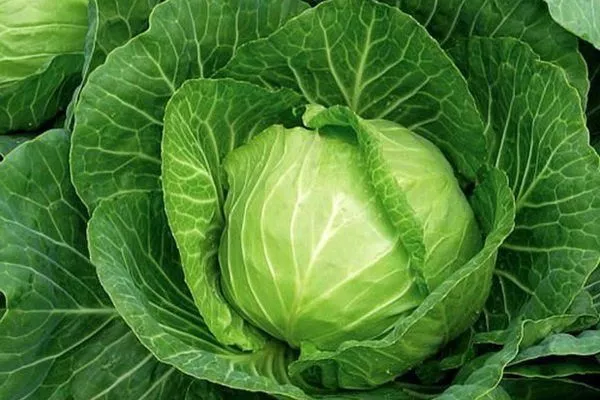
Polar MS
A Czech variety grown primarily by vegetable growers in the Central Region, namely the Bryansk, Vladimir, Moscow, Tula, Ryazan, Smolensk, Ivanovo, and Kaluga regions. This cabbage is a mid-late variety, suitable for short-term storage (up to 5 months).
The head is round and flat, with a medium density. It is white-yellow in cross-section. The leaves are heavily wrinkled and large. They are green with a grayish tint and covered with a medium-thick waxy coating.
The variety is resistant to diseases and can withstand transportation over long distances.
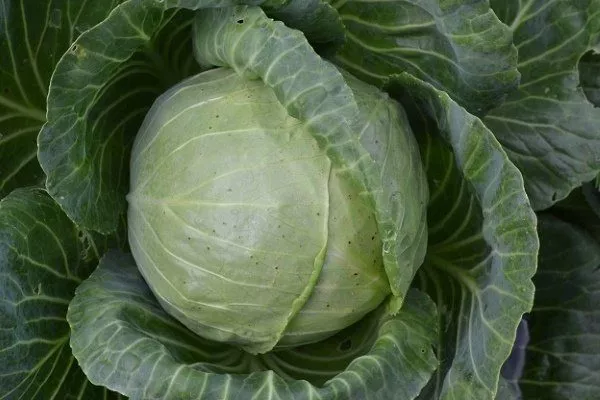
Popular varieties of recent years
In recent years, gardeners have become more fond of the following two varieties.
Megaton F1
A Dutch hybrid grown in all regions of Russia except the Middle Volga region—the Ulyanovsk, Penza, and Samara regions, Tatarstan, and Mordovia. This cabbage is a mid-late variety, reaching technical maturity no later than 168 days.
The head is smooth, round, and firm, weighing 3.2-4.1 kg. The leaves are large, light green, and deeply concave, with a medium-thickness waxy coating. The edges are wavy. The hybrid is immune to Fusarium wilt and moderately resistant to clubroot and gray mold.
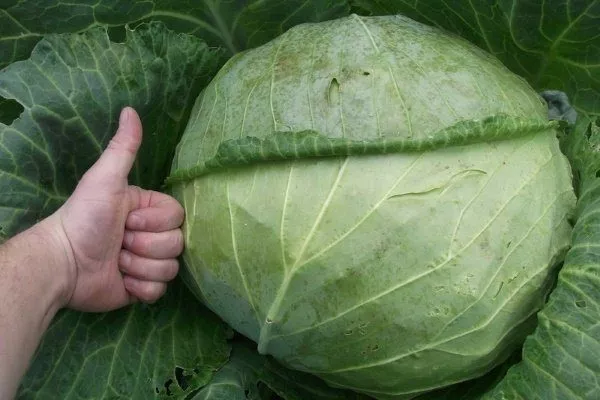
Anniversary F1
A mid-season hybrid with a high yield, excellent flavor, and high marketability. The head is dense, oval-round, and resistant to cracking. It is white when cut.
The plant weighs 2.5-4 kg. The leaves are light green with a thick waxy coating. The cabbage is resistant to vascular bacteriosis.
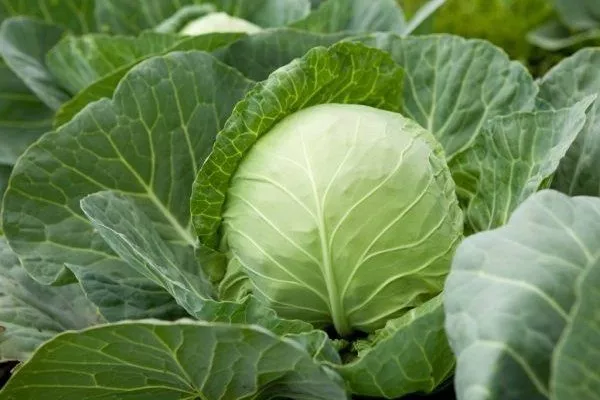
Summary table of varieties by main criteria
The table presents the main criteria of all the varieties listed above:
| Name | Variety/hybrid | Ripening period | Weight of head of cabbage, kg | Resistance to cracking | Disease/pest resistance | Productivity |
| June | variety | early | 0.9-2.4 | average | moderate resistance to pests, not resistant to clubroot | good |
| Cossack | hybrid | early | 0.8-1.2 | high | heavily damaged by pests | high |
| Rinda | hybrid | average | 3.2-5 | low | above average | high |
| Tobia | hybrid | average | 1.8-3.0 | high | to Fusarium wilt | high |
| Glory 1305 | variety | average | 2.4-4.5 | low | low | high |
| Present | variety | mid-late | 2.5-4.5 | high | unstable to keel | high |
| Belorusskaya 455 | variety | mid-late | 1.5-4 | average | low | high |
| Menza F1 | hybrid | average | up to 12 kg | high | unstable to keel | high |
| Aggressor | hybrid | mid-late | 2.5-5 | high | average | high |
| Amager 611 | variety | late | 2.5-4 | high | low | high |
| Moscow late 15 | variety | late | 4-6, maximum 18 kg | high | high | high |
| Kharkiv winter | variety | late | 3.5-4 | high | high | high |
| Geneva F1 | hybrid | late | 3-5 | high | average | high |
| Turkic | variety | late | 2-3 | high | high | high |
| Atria F1 | hybrid | late | 2-4, maximum up to 10 kg | high | to Fusarium wilt, gray mold, thrips | stable |
| Miracle for pickling F1 | hybrid | average | 3-4.5 | average | low | high |
| Kvashenka | variety | average | 3.6 | high | low | stable |
| Polar MS | variety | mid-late | 1.5-2.9 | high | high | stable |
| Megaton F1 | variety | mid-late | 3-4, maximum 15 kg | high | high | high |
| Anniversary F1 | hybrid | average | 2.5-4 | high | to vascular bacteriosis | high |
| Variety | Shelf life, months | Storage conditions |
|---|---|---|
| Amager 611 | 6-7 | 0…+1°C, humidity 90-95% |
| Geneva F1 | 8-9 | 0…+1°C, humidity 90-95% |
| Moscow late 15 | 5-6 | 0…+1°C, humidity 90-95% |
Many vegetable growers, when choosing a cabbage variety, consider its flavor and pickling characteristics. Our article will help you find the variety that's best for you based on its key characteristics.