
A cabbage with the interesting name "Miracle of Record" is designed for cultivation in regions with unfavorable climates, making it suitable even for northerners. It produces abundant harvests, but fertile soil, preferably loamy, is essential. "Miracle of Record" is a vigorous-growing hybrid.
Who developed the variety and when?
This hybrid appeared relatively recently, in 2016, thanks to the work of Dutch breeders. It bears the F1 designation, indicating it is a first-generation hybrid.
- ✓ Soil pH should be between 6.0-7.5 for optimal nutrient absorption.
- ✓ The organic matter content in the soil should be at least 4% to ensure the necessary structure and water-holding capacity.
Peculiarities
This variety is white and large-fruited—so much so that it exceeds all expectations. It also possesses other unexpected characteristics, which is why it is loved by gardeners and large farmers.
Description of the plant
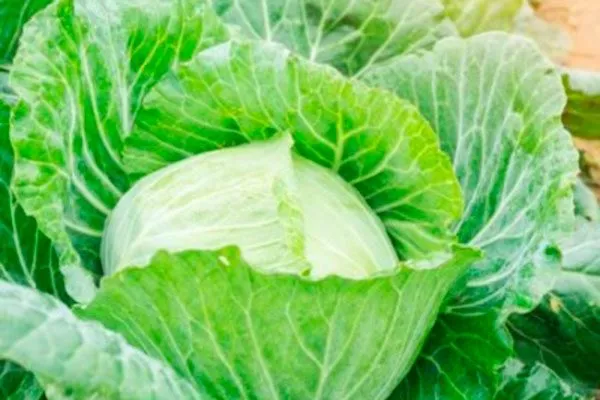
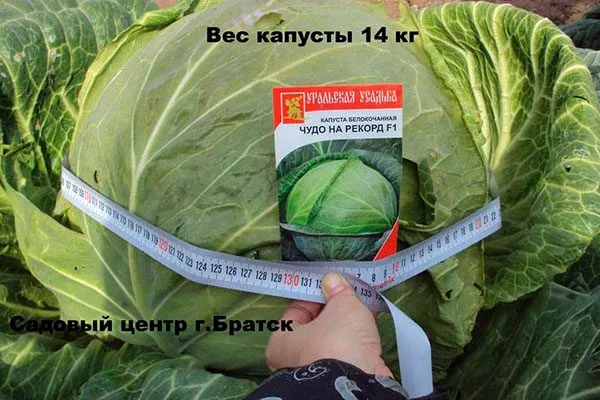
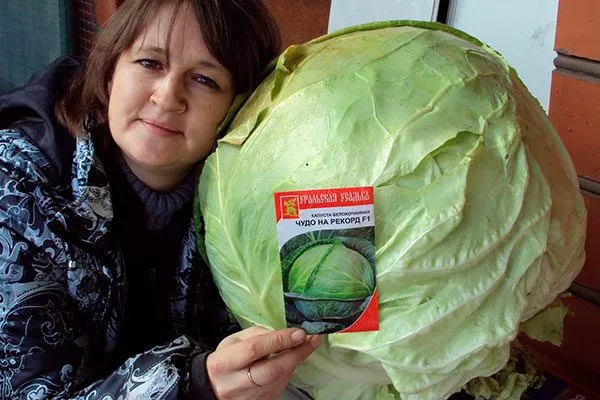
Cabbage is characterized by its gigantic size – the head is approximately 1 m in diameter and weighs between 10 and 17 kg. Gardeners have reportedly managed to reach a weight of 20-21 kg. Other characteristic features include:
- leaf shape – elongated;
- coating color – grayish-green;
- shade in section – light cream;
- venation – insignificant;
- surface – with a waxy coating;
- edges – slightly wavy;
- form - round and flat, looks neat;
- structure – compacted;
- texture – juicy and crispy;
- cabbage stumps – powerful, but the outer one can break off due to the large mass of the head;
- wateriness and fibrousness of leaves – absent.
- ✓ The presence of a waxy coating on the leaves, which is a distinctive feature of the variety.
- ✓ Elongated leaf shape with slightly wavy edges, not typical for other cabbage varieties.
The purpose of large-fruited cabbage and its taste
The Chudo na Rescor cabbage variety is attractive both for its impressive size and its flavor. Its flavor is distinguished by a slight sweetness, tenderness, and a rich, typical cabbage aroma. The leaves retain their crunch even after long-term storage.
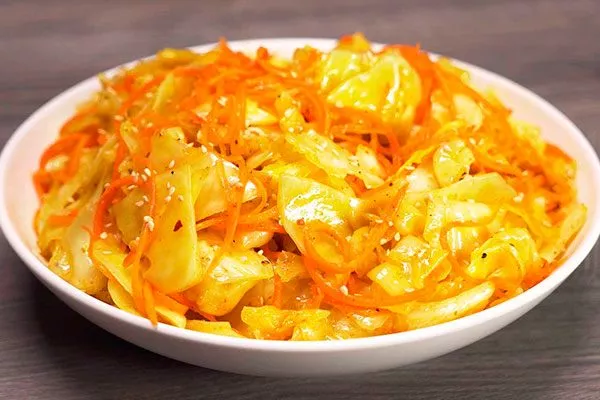
This variety is widely used in cooking: it's pickled, fermented, added to hot and cold dishes, and preserved for winter. Thanks to its excellent flavor, it can be used in soups, appetizers, sauerkraut, main courses, salads, and as fillings for pies and dumplings.
Ripening and yield
The "Miracle on Record" cabbage is a mid-season hybrid. The time from sowing to the heads reaching maturity is 80-85 days. The growing season averages 122-123 days, and the harvest can be made from August 20th until the end of October. With proper care, up to 15-20 kg of crispy heads can be harvested per square meter.
Resistance to diseases and pests
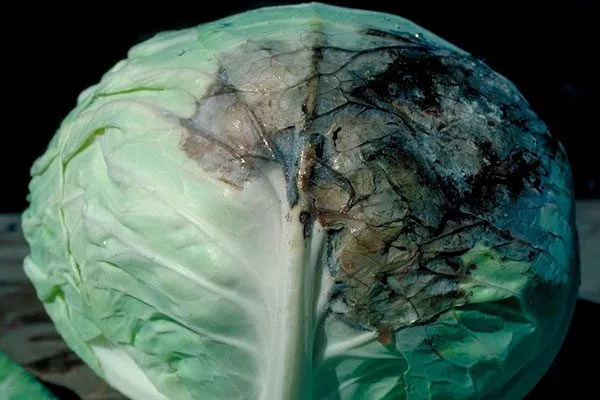
The hybrid has high resistance to the main cabbage diseases, but can suffer from blackleg and gray bacterial rot if overwatered or subject to prolonged rainfall. To prevent this, follow proper agricultural practices and avoid excess moisture.
Landing features
In northern regions, it is recommended to grow this hybrid using seedlings. Seed preparation begins in March, and they are transplanted into open ground at the end of May. In warmer regions, seeds can be planted directly into the ground in early spring.
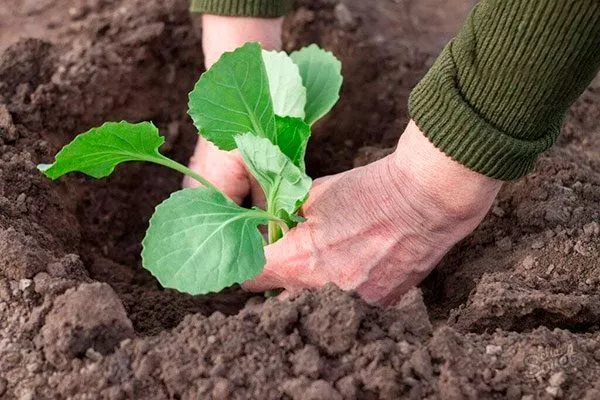
The distance between plants should be at least 60-65 cm, depending on the expected size of the heads. The first shoots appear a week after planting.
Subtleties of agricultural technology
Cultivation practices include timely irrigation and fertilization. Irregular watering will result in poor growth. This hybrid can tolerate short-term droughts, but caution should be exercised when watering—improperly applying all the water at once can cause cracks in the head. Different stages of plant growth require different amounts of water:
- seedlings require 5-7 liters of water per bush;
- at the stage of formation of the upper bud on the stem - 9-10;
- during the period of active growth of the cabbage head - 14-17 liters of liquid;
- 14 days before reaching technical maturity, watering is stopped.
Always consider the weather. In normal soil moisture conditions, seedlings should be watered once every 6-8 days, while mature plants require two waterings during this period.
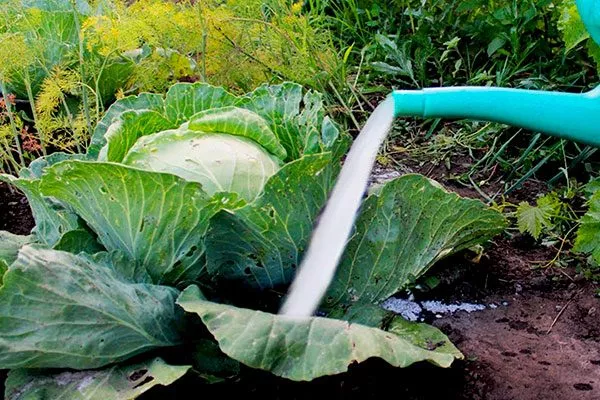
Fertilizing is important during the period of head formation. Various types of fertilizers are used:
- infusion of illuminators and mineral phosphorus fertilizer - 35-45 g per 9-12 l of water;
- one part cow dung, eight parts water, 20 g potassium (preferably sulfate);
- one part bird droppings, 10 parts water, 45-55 g monopotassium phosphate.
For the final watering, it is recommended to use a weed mixture with added yeast: 1 kg of fresh yeast or 150 g of dry yeast per 10 liters of water, with 1 liter poured under each plant. To extend the shelf life of the cabbage heads, add a solution of orthoboric acid to the fertilizer, which acts as a preservative.
Advantages and disadvantages
The variety's main advantage is its gigantic fruits, but for other gardeners, this is a significant drawback, as such a huge head of cabbage is unlikely to be useful indoors. Therefore, to prevent overgrowth, gardeners plant the seedlings closer together than recommended.
Reviews
The "Miracle on Record" cabbage pleasantly surprises with its size, high yield, and robustness. It's mid-season and easily resists major cabbage diseases. However, for successful cultivation, it requires mineral supplements.