
Growing broccoli in gardens is rare, but gardeners are gradually becoming accustomed to this unusual vegetable. Many choose the Montop variety. It requires attention and proper care to ensure a bountiful harvest and high-quality fruit.
Broccoli Montop F1 variety description
This versatile variety is suitable for both open-ground and greenhouse cultivation. Its rosette is raised, and the leaves are gray-green and have a noticeable waxy coating. They are slightly blistered, serrated, and wavy along the edges.
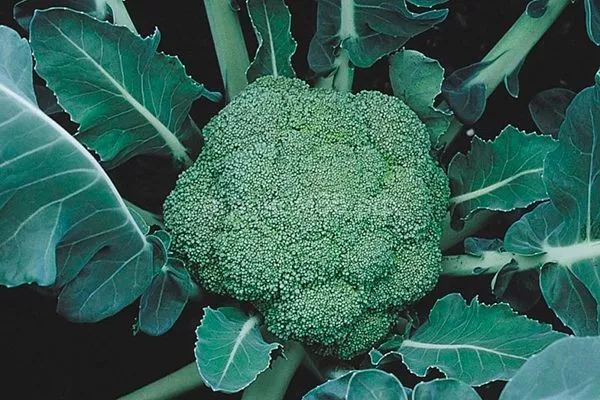
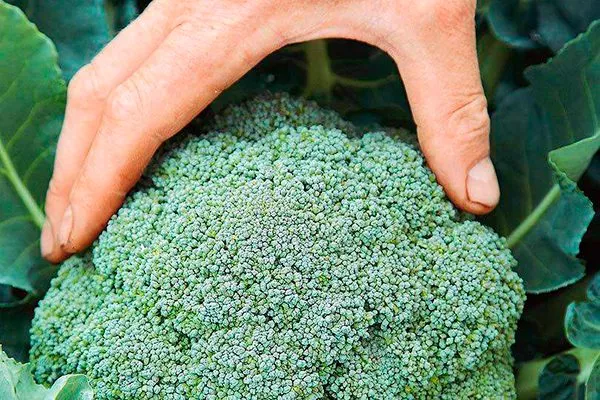
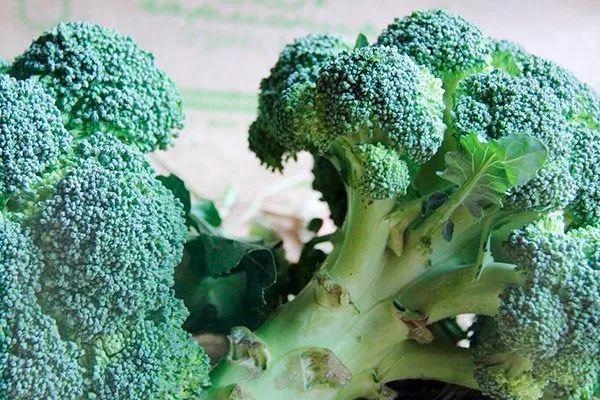
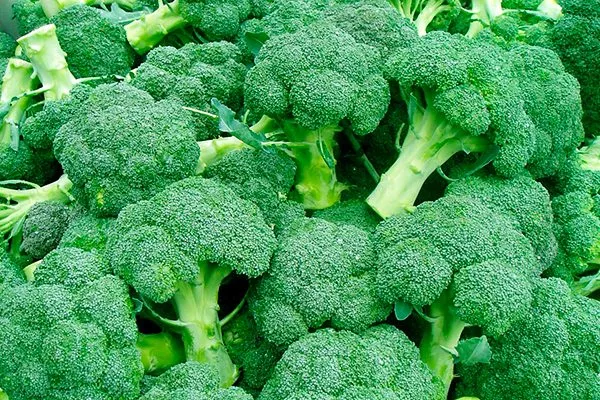
The fruits reach a weight of approximately 0.9 kg. The head is round and flat, making it convenient for culinary use. The fruit is gray-green in color, typical of most broccoli varieties. It has an excellent flavor.
Characteristics
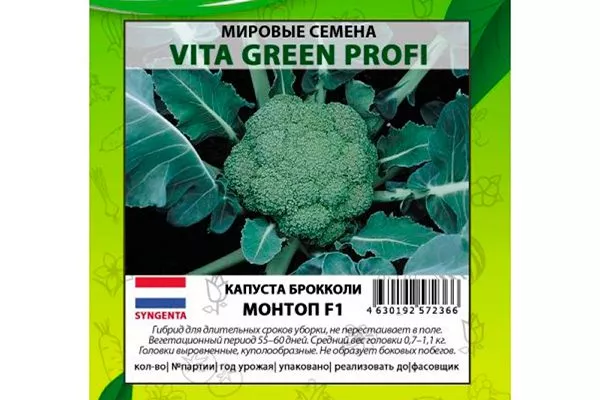
It is characterized by high productivity and resilience, making it attractive to gardeners. It is important to learn the ins and outs of growing this crop outdoors to avoid any potential problems.
Place of cultivation
Prefers a cool climate. It grows and thrives best in moderate conditions with ample sunlight and cool temperatures. A suitable planting location is a well-ventilated area protected from strong winds and temperature fluctuations.
Productivity
The yield is up to 1 kg per plant. When cultivating this vegetable, you can expect high yields – approximately 3.1 kg per square meter of cultivated area.
Ripening time
Montop is an early maturing variety with high yield.
Period from germination to technical maturity
Develops evenly and is ready for harvesting within 60-65 days after planting seedlings.
Fruiting
This hybrid is characterized by uniform and abundant fruiting. It was specifically developed for high productivity and resistance to adverse conditions. The heads ripen almost simultaneously, simplifying the harvesting process. This minimizes crop losses.
Timing of sowing for seedlings
Sowing timing is important to ensure successful growth and development. Sow between March 20th and 30th. Temperatures are usually fairly warm at this time of year.
Timing of planting seedlings in the ground
Plant broccoli sprouts outdoors in mid- to late May. This timing depends on several factors:
- During this period, consistently warm weather typically sets in, promoting active growth and development. This helps avoid potential spring frosts, which could harm young plants.
- At this time of year, the soil is usually warm enough, so the seedlings take root better and successfully adapt to their new environment.
- During this period, active growth is observed, which contributes to the rapid formation of heads of cabbage and, consequently, high yields.
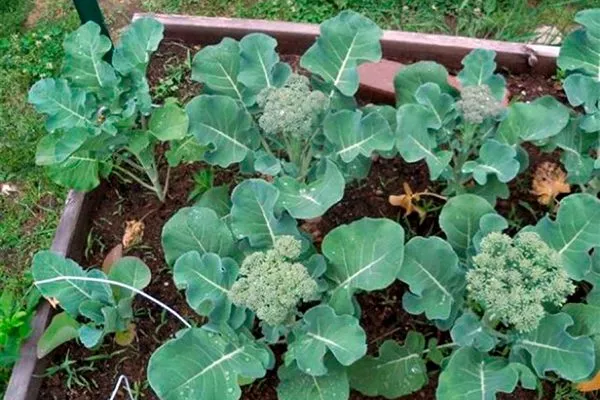
Following the recommended planting dates for the Montop crop in the soil allows you to achieve the best growing results, ensuring a strong and healthy plant capable of producing a bountiful harvest.
Planting diagram
The cabbage planting pattern plays a crucial role in ensuring efficient space utilization and healthy crop development. For the Montop variety, a 60x30 cm pattern is considered optimal. This is due to several factors:
- Cabbage tends to form large heads. This arrangement provides sufficient space for the leaves to open and produce high-quality, large heads.
- Optimal spacing between plants ensures adequate ventilation and sunlight penetration to the lower parts of the cabbage. This helps prevent diseases and ensures uniform growth.
- Spacing makes maintenance easier as it allows for easy access for watering, fertilizing and weed control.
- Moderate planting density helps avoid competition between plantings for nutrients and space, which can positively affect the size and quality of the heads.
- Optimal use of space is ensured, allowing you to grow the maximum amount of vegetables in a limited area.
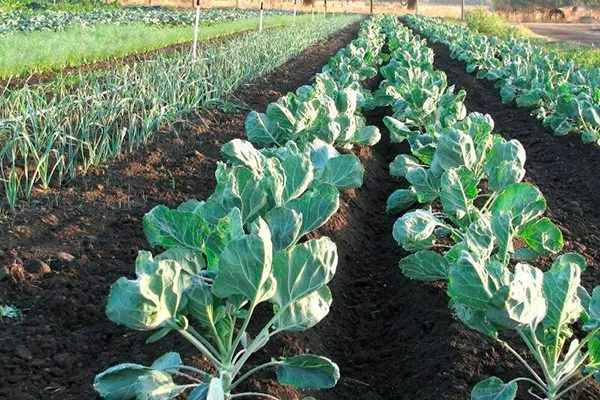
When choosing a scheme, consider local climate and soil conditions, recommendations provided by the seed producer or local agricultural organizations.
Soil
Broccoli thrives in fertile soil, so it's important to plant it in areas with rich soil. It provides broccoli with essential nutrients, such as nitrogen, phosphorus, and potassium. This promotes healthy growth, leaf development, and the formation of large heads.
- ✓ The soil should have a pH level between 6.0 and 7.0 for optimal growth.
- ✓ Drainage is required to prevent water stagnation.
Planting, growing and care
Broccoli thrives in open ground, and the growing process should begin with sowing seeds for seedlings. Before sowing, prepare the garden soil. Follow these recommendations:
- Sow seeds at a depth of 0.5-1 cm. Sowing too deep may slow germination.
- Maintain soil temperature between 18-24°C for optimal seed germination. Use a tray with a transparent lid or plastic film to create a greenhouse effect.
- Broccoli requires bright, light. Use grow lights if natural light is insufficient.
- When the plants reach a height of 5-7 cm, transplant them into separate containers.
- Water the plantings regularly, avoiding overwatering. Feed with a high-nitrogen fertilizer every 10-14 days.
Planting seedlings in open ground is a crucial moment in the vegetable growing process. Taking the right steps during the transplanting stage will ensure strong and healthy growth, which will ultimately impact the quality of the future harvest.
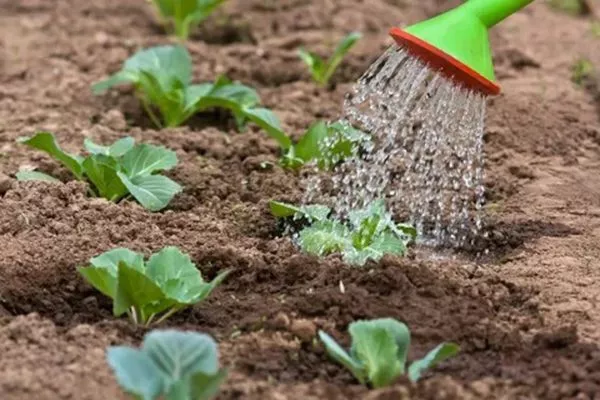
Provide the culture with proper care:
- Watering. Keep the soil moist regularly. Broccoli requires constant moisture, especially during the head formation period. Avoid standing water, as this can promote the development of fungal diseases.
- Fertilizers. Feed cabbage with nitrogen-rich fertilizers during the initial growth stage to stimulate leaf development. As heads form, switch to fertilizers rich in phosphorus and potassium to support fruit development.
- Mulching. Cover the soil with a layer of mulch to retain moisture, suppress weed growth and improve overall soil structure.
- Loosening. Loosen the soil periodically to ensure adequate air circulation and improve water permeability.
- Pest control. Regularly inspect plants for insects and other pests. Use biological control methods, such as attracting beneficial insects or using environmentally friendly insecticides.
- Support. Install supports to support large heads, especially during windy periods.
- Trimming. Remove damaged or diseased leaves to prevent the spread of disease.
- Preparing for winter. If low temperatures are expected, especially in spring and autumn, take measures to protect against frost, such as covering plants.
- Apply nitrogen fertilizer 2 weeks after planting the seedlings.
- During the period of head formation, switch to phosphorus-potassium fertilizers.
- Repeat feeding every 4 weeks until harvest.
Optimal sowing times, proper planting patterns, and careful care are the key factors for successfully growing Montop broccoli. Careful attention throughout the growing process will play a crucial role in achieving optimal results.