
Broccoli occupies a special place due to its rich vitamin and mineral content. The Marathon hybrid is easy to care for, is cold-resistant, and produces high yields. This variety is popular for planting in the Moscow region and central Russia.
Description of the Marathon F1 broccoli hybrid
Originally native to the Mediterranean, broccoli has gained worldwide fame, spreading across the globe. Modern breeding efforts have resulted in the creation of a variety of hybrids, distinguished by increased productivity and disease resistance.
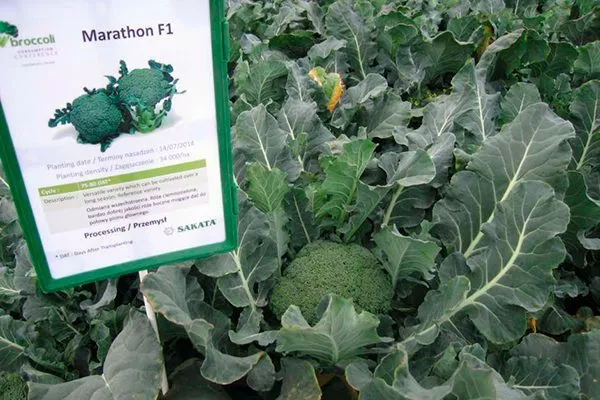
Health benefits of broccoli
The hybrid has gained popularity thanks to its excellent taste. The vegetable is also valued for its numerous beneficial properties:
- It is rich in protein and low in fiber, making it a popular choice for creating dietary dishes.
- It is a source of vitamins C and E, contains potassium, calcium, chromium, magnesium and phosphorus.
- Regular consumption promotes accelerated recovery and has a beneficial effect on overall health due to the presence of folate, choline and methionine.
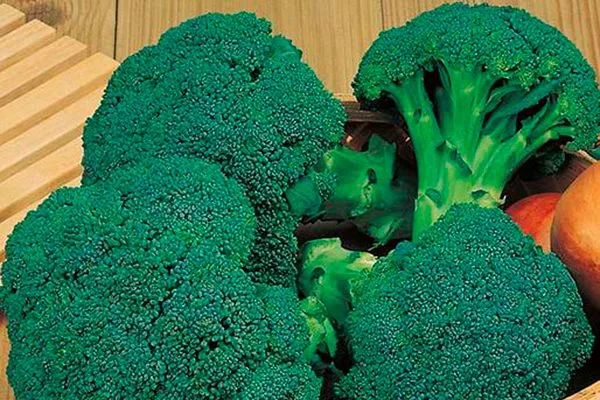
Sulforaphane, found in cabbage, has antibacterial properties and promotes accelerated regeneration of mucous membranes.
Application of the variety
It's widely used in various cooking methods and dietary regimens. Let's take a closer look:
- Fresh consumption. Add chopped to fresh salads, giving them a characteristic taste and nutritional properties.
- Cooking in soups. The inflorescences are a great addition to soups, adding aroma and richness.
- Casseroles and stews. Suitable for casseroles and stews, its delicate flavour and preserved nutrients will add a special taste and benefit to dishes.
- Steam cooking. It can be steamed, preserving the maximum amount of nutrients.
- Pickling and salting. Suitable for pickling, which adds additional flavor nuances, and for salting, which allows the product to be preserved for a long time.
- Freezing for long-term storage. Can be frozen for convenience and long-term preservation of the vegetable.
Appearance of the plant
The medium-sized head, colored gray-green, weighs an average of 0.8 kg. The texture is dense and delicate. The rosette of leaves has a raised structure. The leaves are medium-sized, with a bubbly and smooth surface.
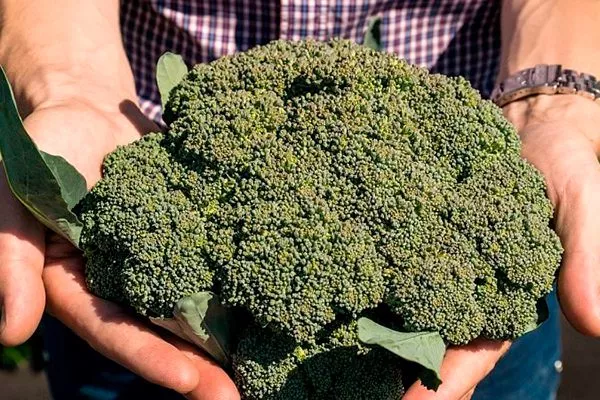
Lateral heads can develop evenly, reaching secondary heads weighing 100 to 150 g, ensuring long-lasting, high-quality fruiting. After harvesting the main head, secondary heads begin to form within 2-3 weeks.
Ripening time and yield
It belongs to the mid-season ripening group – from germination to harvesting the main head takes 80 to 85 days. When grown from seedlings in open ground, this period is reduced to 55-60 days. Yields are estimated at 3.2 to 4 kg per square meter.
Disease prevention
Effective cultivation involves a number of important practices. Preventative measures are essential:
- Seed treatment and hardening. Before sowing, pre-treat and harden the seeds to ensure better germination.
- Preventive spraying. Spray with chemicals or use folk remedies to prevent various pests and diseases.
- Hardening off seedlings. Before planting, harden off the seedlings to strengthen them for more successful adaptation to soil conditions.
- Loosening the soil. Regular loosening between rows and around plants, especially after rain, helps improve soil structure and air access to the roots.
- Watering. Water the plantings as the soil dries out.
- Weeding and removing diseased plants. Regular weeding and removal of diseased plants are important to prevent the spread of diseases.
- Ventilation of greenhouses and hothouses. Ensure good ventilation in greenhouses and hotbeds to prevent overheating and achieve optimal growing conditions.
Crop rotation helps prevent the accumulation of diseases and pests in the soil.
Marathon Broccoli Growing Regions
Ideal for planting in most regions, except those with high temperatures. Not suitable for hot climates:
- Northern;
- Northwestern;
- Central;
- Volga-Vyatka;
- Central Black Earth;
- North Caucasian;
- Middle Volga;
- Lower Volga;
- Ural;
- West Siberian;
- East Siberian;
- Far Eastern.
In these regions, growing conditions may not be favourable enough due to high temperatures, which can affect the development and yield of the crop.
Advantages and disadvantages
During the development of the hybrid, several characteristics were improved, making it popular among farmers worldwide. Advantages of the Marathon hybrid:
The only drawback of this crop is its intolerance to hot climates. Because of this, cultivation in the south may not yield as abundant harvests as in cooler regions.
Features of planting and growing
Growing is only permitted using the seedling method. For best results, follow these steps:
- Seed treatment. Treat seeds before sowing to increase germination and yield. Select large, undamaged seeds, soak them in a weak solution of potassium permanganate, and dry them lightly.
- Sowing seeds for seedlings. Place the seeds in a container or peat cups. Plant them no more than 1 cm deep, with 2-3 cm between each seed. Moisten the soil, cover with plastic wrap, and place in a well-lit area.
- Seedling. Once the sprouts emerge, remove the covering. Transplant the seedlings into individual containers once they have developed 2-3 true leaves.
- Transplantation into the ground. Transplant the seedlings into open ground, choosing a sunny location protected from drafts. Prepare the soil by enriching it with compost. Maintain a distance of 30 cm between plants and 50 cm between rows.
- ✓ The optimal soil pH should be in the range of 6.0-7.0 to prevent the development of diseases.
- ✓ The soil should be well-drained, with a high content of organic matter.
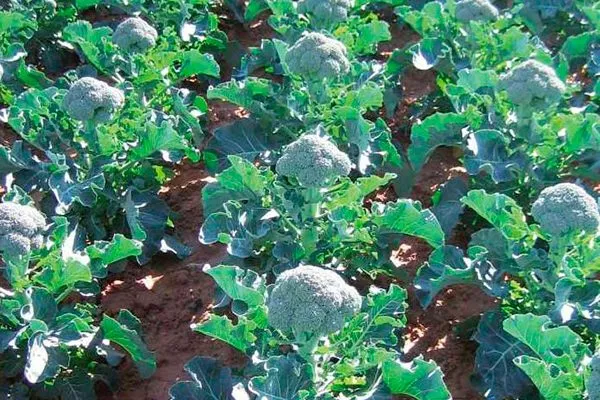
Considering the vegetable's characteristics, the seedling planting method is the most effective, ensuring successful growth and harvest in various climatic conditions.
Care
Despite its low maintenance, cabbage care is essential for a bountiful harvest throughout the growing season. Some key considerations include:
- Loosening the soil. Periodic loosening of the bed while simultaneously removing weeds and hilling up the bushes improves the access of oxygen and moisture to the roots.
- Watering. Provide regular and abundant watering. Water every 6-7 days, morning or evening. The amount of watering should be determined individually, ensuring the soil is moistened to a depth of 12-15 cm. In hot weather, mist the leaves additionally.
- Fertilizer. Apply fertilizer several times during the season: two weeks after planting the seedlings with nitrogen fertilizer and three weeks later with saltpeter. A month after the second application, apply potassium-phosphate fertilizer.
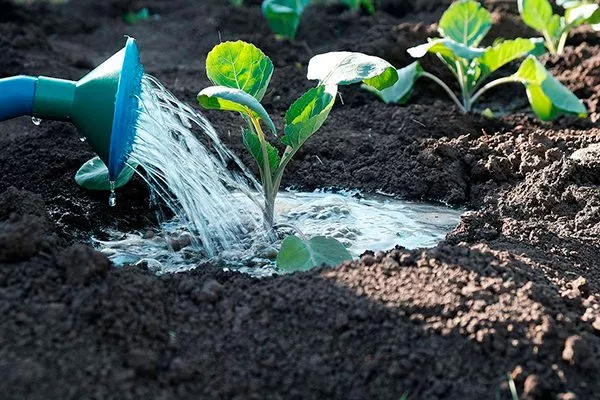
Follow these guidelines to ensure healthy growth and high yields.
Diseases and pests
Marathon has a significant advantage in the form of developed immunity to common cabbage diseases, such as blackleg, mosaic, clubroot, white rot, and dry rot, which often eliminates the need for preventative or curative chemical treatments. In rare cases, aphids or flea beetles may appear.
| Method | Efficiency | Frequency of use |
|---|---|---|
| Onion/garlic infusion | High against aphids and flea beetles | Every 10 days |
| Chemicals | High against all pests | As needed |
To repel pests, spray plants with a weak infusion of onion or garlic. Repeat this procedure every 10 days, using 2 kg of chopped onion or garlic in 10 liters of water.
Difficulties in growing
Broccoli, while not the most common garden crop, can present certain challenges when growing. Here are some problems and solutions:
- Lack of side forks and small central head. The cause is seedlings planted too densely. To increase yield, thin out the crops, leaving only the strongest and healthiest plants.
- Small and long-lasting central fork. This is caused by overgrown seedlings. This problem cannot be corrected. In the future, monitor the timing of seedling plantings to avoid overgrown ones.
- Underdeveloped, withers due to acidic soil. Cabbage grows better in neutral and slightly alkaline soils than in acidic ones. Maintain neutral soil, adding lime or other soil acidity-correcting materials as needed.
Regular monitoring and care of your plants will help prevent potential problems and ensure successful cultivation.
Harvesting and storage
When harvesting, consider several key characteristics to ensure the highest quality produce. Unripe bulbs are unsuitable for storage and cooking, while overripe bulbs begin to bloom, making them inedible.
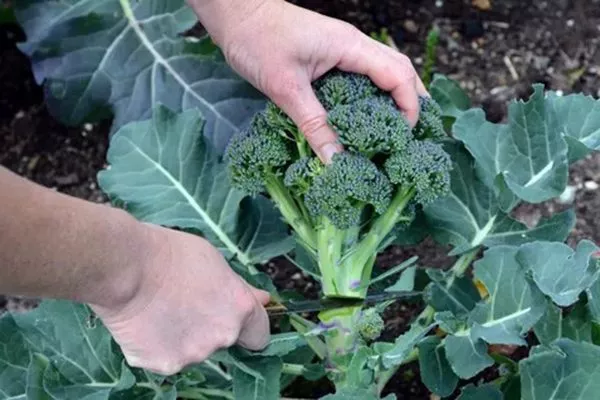
Harvest early in the morning. Trim the heads of cabbage leaving about 10 cm of stem. Fresh cabbage will keep for up to a week. For longer storage, separate it into florets and freeze.
Store in a cool basement at a temperature no higher than 2°C. Wrap each inflorescence tightly in plastic wrap and place in a perforated wooden box. The maximum shelf life is 8 months.
Tips and reviews from experienced gardeners
According to the experience of many gardeners, it's recommended to grow the crop yourself rather than buying seedlings at the market. This approach allows you to monitor the seedlings' development and transplant them into the open ground in a timely manner.
There are many different varieties of broccoli, but among the late hybrids, Marathon deserves special attention. It's easy to care for, cold-resistant, and highly productive, making it ideal for growing in the Moscow region and central Russia.