
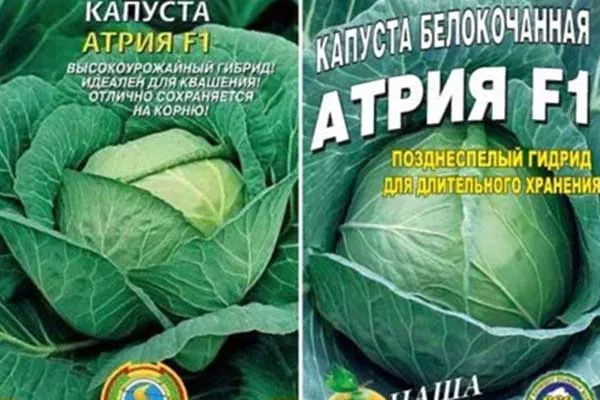
A cabbage with the unusual name Atria (meaning "late-ripening" in Dutch) is characterized by truly late ripening, abundant fruiting, and a long shelf life. A distinctive feature is the flexible leaf blades and the ability of the heads to resist spoilage and freezing at the root. This hybrid is resistant to diseases and pests.
Description of the variety
Hybridization allows breeders to maximize the crop's positive qualities. Atria is completely easy to grow, grows rapidly, and is compact. This cabbage becomes much juicier over time, so it's not recommended to eat it immediately after harvesting.
History of origin
The variety was bred in the 1980s in Holland on the premises of the Monsanto agricultural company. The hybrid appeared in Russia in 1990 and immediately gained popularity, attracting the attention of not only small farmers but also large ones.
Zoning is based on the Central Black Earth region of our country, but gardeners successfully cultivate the crop even in the north.
What is the difference from other types?
The hybrid is resistant to gray mold and fusarium, which is considered excellent. Its heads never crack and are distinguished by the following characteristics:
- socket - raised type, but a little;
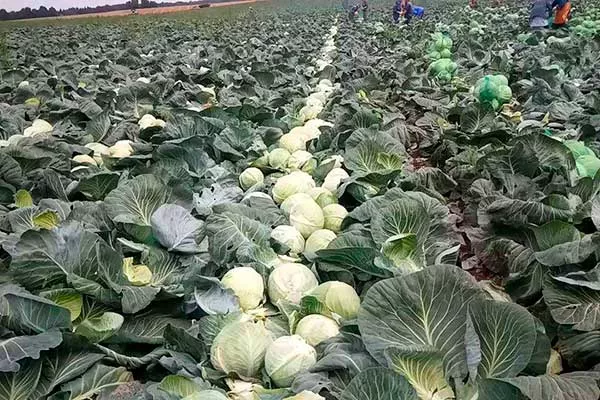
- weight - on average 3-4 kg, minimum 1.5 kg, maximum 7-8 kg, depending on weather and climate conditions, compliance with agricultural technology;
- density of heads – strong;
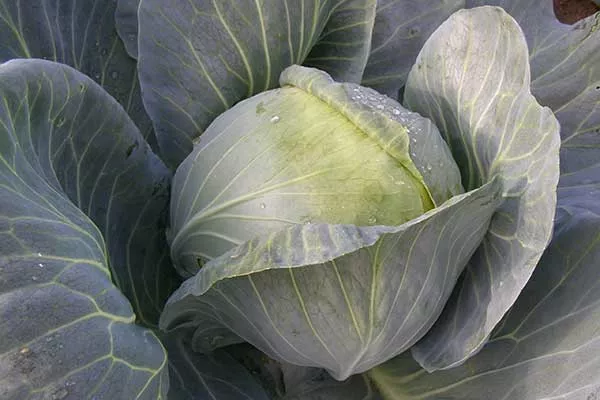
- form - most often rounded, but flattening may also be present;
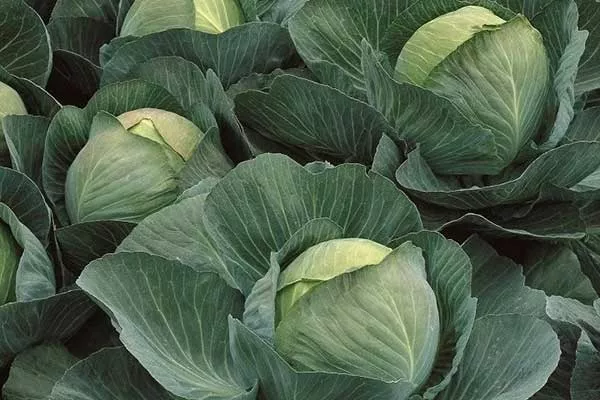
- color of leaf blades – dark green with a grayish tint;
- the shade of the cabbage leaves – classic on the outside, but with an anthocyanin tint, light green on the inside, almost white;
- surface bubbling – almost absent;
- cabbage stalk – the inner one is of small size, thin, the outer one is slightly larger;
- average fork diameter – 15-35 cm;
- stem length – about 25-40 cm;
- spreading of the bush - moderate;
- venation – strongly expressed;
- leaf shape – oval and wide, which makes it convenient to use for stuffing;
- waviness – moderate;
- structure of leaf blades – curved;
- surface – has a waxy coating;
- incision – not observed.
- ✓ The presence of anthocyanin tint on the outer leaves of the cabbage head.
- ✓ Almost complete absence of blistering on the leaf surface.
Chemical composition and beneficial properties
Cabbage has analgesic, anti-inflammatory, and cleansing properties. It is known for its antitumor, expectorant, and wound-healing effects, which is why it is widely used in folk medicine. This hybrid owes its vitamin and mineral content to:
- vitamins – A, PP, K, E, C, group B;
- minerals – sodium, magnesium, chlorine, phosphorus, sulfur, calcium, potassium.
Features of application
Cabbage is the basis for many dishes, especially in Russian cuisine, and is an integral part of many diets. Due to its high potassium content, cabbage helps strengthen the muscular system, including the heart.
Atria cabbage is ideal for both fresh consumption and canning. The Atria F1 hybrid is particularly prized for its thin, flexible, and juicy leaves, which are excellent for pickling, fermenting, and more.
Maturity period and yield
Atria F1 is a late-ripening hybrid. It takes about three months from planting to harvest. The growing season from sowing lasts from 135 to 147 days.
When planting seedlings in a 60x60 cm pattern, up to 6-8 kg of cabbage can be harvested per square meter. The average yield is 35-105 t/ha, and can reach up to 110 t/ha with optimal care.
Resistance to negative factors
Cabbage tolerates nighttime temperatures down to -6-7 degrees Celsius. It is recommended for planting throughout almost all of Russia, with the exception of the northern regions.
Resistant to most diseases and pests, it is nevertheless sensitive to moisture stress – a lack of water during the growing season can seriously reduce the quality and quantity of the harvest, which in some cases can lead to plant death.
Advantages and disadvantages of the Atria F1 hybrid
The Dutch hybrid has many positive qualities and is distinguished by:
The hybrid also has some negative qualities:
Step-by-step instructions for care and planting
For planting, select light soil with a neutral or slightly acidic pH. Avoid beds where cruciferous crops were grown the previous season. Atria requires bright, shade-free areas. The area should be protected from wind and not subject to frost.
- ✓ Soil pH levels should be strictly between 6.0-7.5 for optimal growth.
- ✓ The soil should be enriched with organic matter to a level of at least 4%.
Features of planting and care:
- In spring, don't rush to dig up the area until the weeds have sprouted. After removing them, dig the soil to a depth of about 20-25 cm.
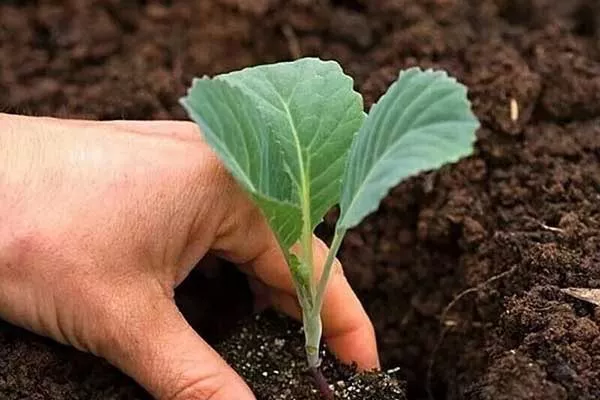
- In cooler regions, seedling cultivation is recommended. Sow seeds in early April. By May 10-20, the seedlings are ready for transplanting outdoors. When planting, maintain a 65x45 cm pattern for optimal growth.
- In warm climates, gardeners prefer to use direct seeding, as the conditions allow for the use of seedlings. Seeds are typically planted between April 15th and 20th, with two seeds placed in each hole pre-treated with a warm solution of potassium permanganate. This is done to compensate for any failure of individual seeds to germinate.
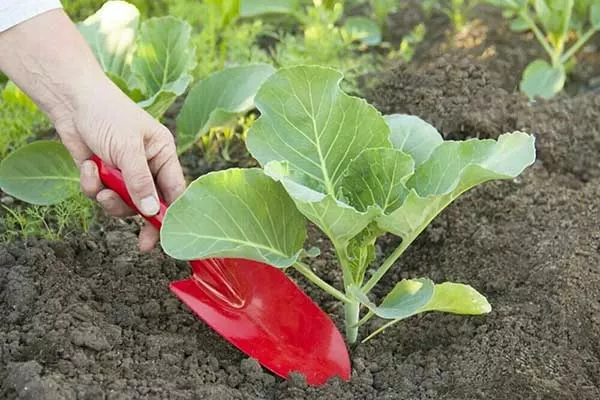
After sowing, the beds are covered with covering material, which is removed after the first shoots appear.
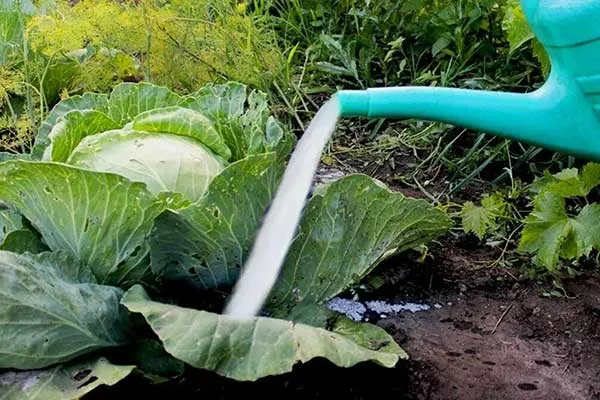
- The Atria variety requires regular watering. Initially, it is recommended to water once every two days, using 6-7 liters of water per square meter. As the heads form, reduce the frequency of watering to once a week, increasing the watering rate to 10-14 liters. A month before harvest, stop watering completely. It is best to water between furrows or using drip irrigation.
- After each watering, it is recommended to loosen the soil.
- Cabbage is hilled twice per season: if the plants are grown from seedlings, the first hilling is done three weeks after planting and again during the head formation phase. When direct seeding, the first hilling is done after the plants have developed 6-7 leaves and is repeated during the head formation phase.
- To ensure strong and juicy heads of cabbage, it's important to properly feed the plants. The following feeding schedule is recommended:
- When 6-7 leaves appear on the plant, add 500 ml of manure solution to the hole (at the rate of 1 kg of organic matter per 10 liters of water).
- During the period of head formation, add 1 liter of ash solution per plant (0.5 kg of charcoal per 10 liters of water).
- 30 days before harvesting, cabbage is fed with iodine (30-40 drops per 9-10 liters of water, 1 liter of solution for each bush).
Diseases and pests
The Atria hybrid is highly resistant to major diseases, but preventative measures are recommended for additional protection. Bacterial and viral diseases affect cabbage crops, as do pests found in nearby crops.
This could be the following:
- Mucous bacteriosis. It often develops at high temperatures, especially if the temperature conditions in the room where the seedlings are stored or grown are abnormal. Improper watering can also contribute to the disease's development, which begins with lesions on the leaves and progresses to the stalks.
- Vascular bacteriosis. It can become active during periods of frequent rainfall, starting with yellowing of leaves and wilting of plants.
- Mosaic. An extremely dangerous disease caused by aphid attacks, with the first signs being a whitish coating on the foliage, leading to stunted growth and wrinkling of the leaves.
- Blackleg. It primarily affects seedlings, manifesting itself as waterlogging of the stems at the root and subsequent thinning and breaking.
- Kila. It spreads through the soil and causes growths on cabbage roots, leading to root rot and plant death. The first signs are yellowing of the leaves.
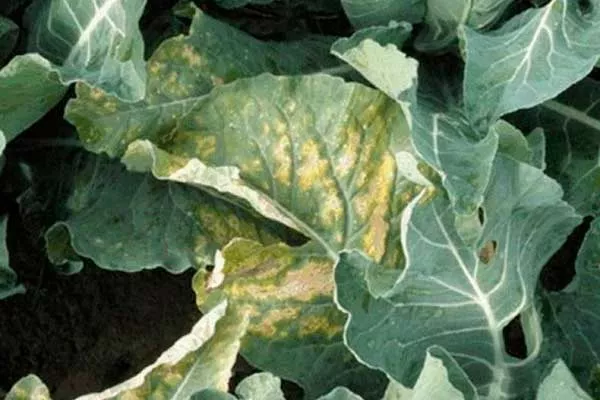
- Peronosporosis. It most often develops on acidified substrates (with a high level of peat in the composition) in greenhouses with an inappropriate heat and humidity regime, manifesting itself as brown or yellow spots on the leaves with a grayish coating on the back side.
- Slugs. They actively reproduce and hide in damp places during the day, feeding on cabbage leaves at night. Control involves avoiding mulching and manually removing the pests.
- Cabbage fly. You can scare them away by planting marigolds, dill or marigolds next to the beds.
- Whitefly. A small butterfly with a very short body length, this insect facilitates the spread of various infections, particularly sooty mold. Affected cabbage leaves initially become covered with a snow-white coating that darkens over time. This causes the cabbage to lose its marketability and become undesirable for consumption.
- Aphid. They live on the inside of the heads and feed on their sap. To combat aphids, you can use various folk remedies, as well as biological insecticides, such as Iskra Bio and other similar products.
Most diseases can be controlled with fungicides such as Binoram, Fitolavin-300, Fitobacteromycin, following the instructions on the package.
Prevention of various problems
If watering requirements are not met, the yield of Atria F1 cabbage is significantly reduced. Heads develop poorly, do not reach sufficient volume and weight, and do not store well. Leaves do not acquire the required elasticity.
To prevent such problems from occurring when growing Atria cabbage, you should do the following:
- Check your garden beds regularly for pests or signs of disease.
- Cabbage grown from seeds requires especially careful care.
- Despite this variety's resistance to certain diseases, it is recommended to treat the plants twice per season for prevention.
- It is important to remove plant debris from the field to minimize the risk of spreading diseases and pests.
Harvesting and storage
The Atria variety is harvested in late August, but full harvesting usually occurs by October 15th. You can check the cabbage's readiness by feeling the heads: if they are firm and unyielding, they are ready to be harvested.
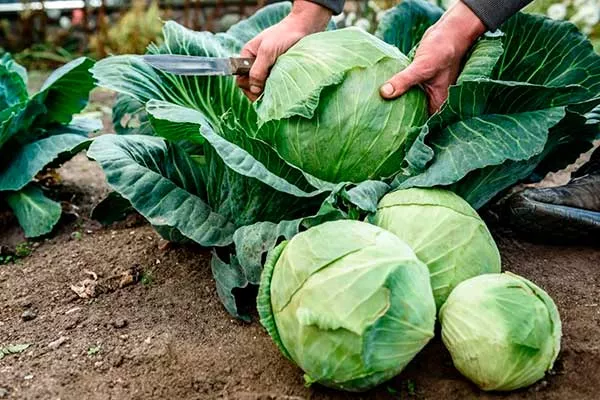
In northern regions, there's sometimes a risk of not being able to harvest before frost sets in. It's important to remember that cabbage grown in the ground can withstand temperatures as low as -7°C (15°F). However, if the heads have already been cut and frost sets in, they can quickly spoil. Therefore, it's best to wait until the weather warms up and the leaves thaw before separating the heads from the roots.
Collection and storage features:
- To ensure long-lasting and better storage, it's best to harvest cabbage heads at temperatures between 4 and 7 degrees Celsius. Late-ripening cabbage is usually uprooted, the outer leaves are left to wilt, and then carefully trimmed, leaving 3-5 cm of stem.
- Before storing the heads of cabbage, they are sorted: the looser heads are used for pickling, and the denser ones are used for long-term storage in a cellar or a cool place.
- The optimal storage temperature is between -1 and +2 degrees Celsius with a humidity of 90-98%. Higher temperatures can lead to rot, while lower temperatures can cause the cabbage heads to freeze, leading to spoilage after thawing.
- To prevent rotting, it's not recommended to store cabbage on the floor. It's more effective to use wooden shelves, placing the heads stalk-side up. If space is limited, you can tie the heads in pairs by the stems and hang them on hooks or crossbars.
- If you cut cabbage, use a sharp knife.
- After harvesting, the heads of cabbage should be placed on clean film, not on the ground.
- If you dig it up, you should clean the roots from the soil and remove the lower leaves.
Reviews
Growing Atria F1 cabbage requires little effort, making it popular among both novice gardeners and professional farmers. This variety tolerates temperature fluctuations well, but requires special attention to watering and lighting. Adherence to proper cultivation practices guarantees successful cultivation and a bountiful harvest.