
Savoy cabbage is gradually taking its place in the vegetable gardening niche of our country. Its unusual appearance and incredible taste have earned it a place among many gardeners. Unfortunately, the stereotype of this vegetable's fussiness can only be dispelled through actual cultivation. In this article, we'll explore the characteristics of Savoy cabbage and whether it's worth growing in your garden.
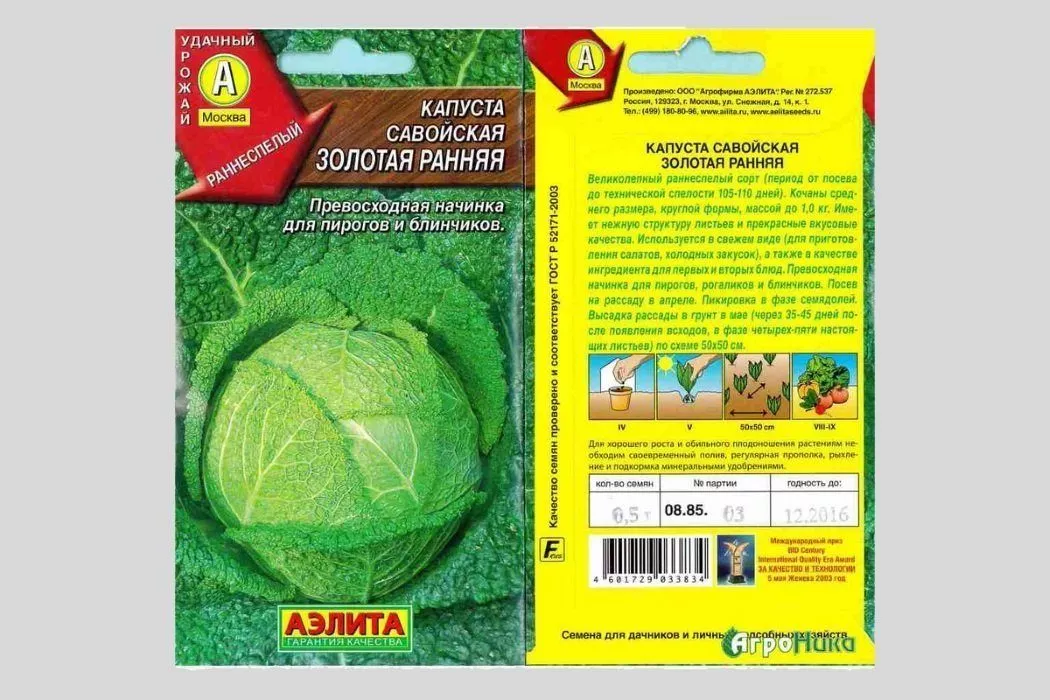
Seeds of one of the most common varieties - "Golden Early"
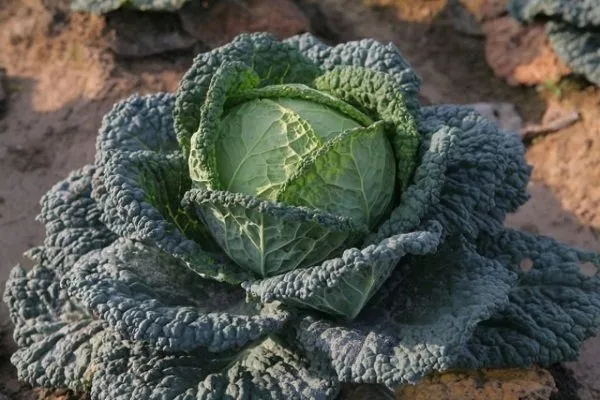
Savoy cabbage looks very beautiful in the garden.
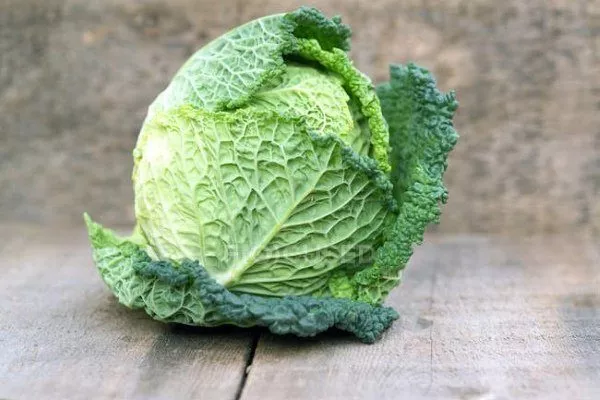
Savoy cabbage head
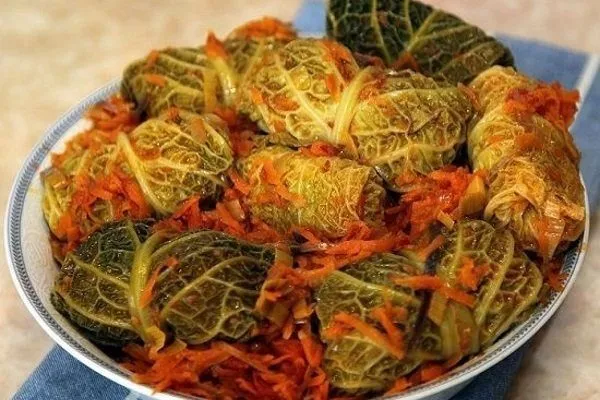
Savoy cabbage does not emit a specific odor when cooked, and when cooked it is much more tender than regular white cabbage.
What is special about Savoy cabbage?
Savoy cabbage has a beautiful appearance, resembling a wonderful flower from a distance. Its head is formed from delicate green, corrugated leaves, so the overall density remains loose and it can be easily separated into its component parts.
This cabbage also differs from white cabbage in that it doesn't emit a distinctive odor when heated. Dishes made from it have a distinctive flavor, and the finished texture is more delicate.
This Savoy vegetable is unique in that early varieties don't keep well for long periods of time, making it unsuitable for pickling, winter preserves, or fermentation. It's a truly seasonal vegetable crop.
History of origin
Savoy cabbage is native to the Mediterranean. North Africa is where it grows most wild, but it was the Italians who introduced it to domestication as a vegetable. They were the first to cultivate it in the Principality of Savoy over five centuries ago. This is where the cabbage's name comes from.
At first, it was believed that Savoy cabbage was food for the poor, but later its taste qualities were also appreciated by people of noble birth.
In the 18th century, this type of cabbage was called "Milanese," "Lombard," or "Italian." Today, Czechs and Poles call this variety "French," because Savoy was conquered by Napoleon and belongs to France. In Eastern European countries, Savoy cabbage has its own special name—"lace" or "lacemaker."
In our country, Savoy cabbage is a relatively uncommon vegetable crop, likely due to the misconception that it requires more stringent growing conditions. However, thanks to the trend for healthy eating and new products, Savoy cabbage is gradually gaining attention and is loved at first taste.
Botanical description
Savoy cabbage is a member of the Cruciferae family. Its structure resembles that of white cabbage: it has a branched root system and a tall, spindle-shaped stem, on which broad leaves with barely visible veins form, framing the head.
The color of the leaves depends on the cabbage variety. It can be various shades of green, with or without a white coating. The leaves resemble corrugated paper in appearance, with an exquisitely crumpled appearance.
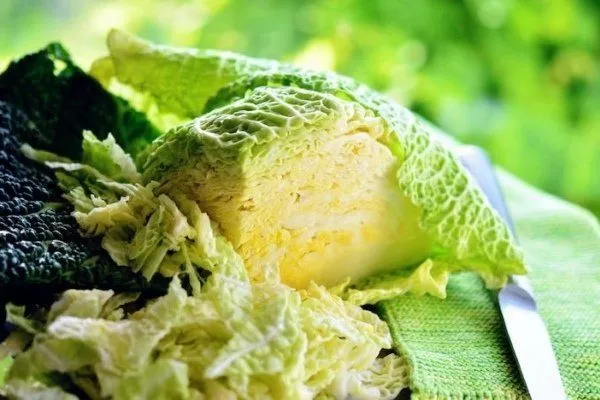
The head is loose, weighing between 0.5 and 3 kg. When cut, the upper leaves are emerald green, gradually turning to increasingly yellow hues as they approach the stalk.
In the second year, Savoy cabbage grows longer stems, and white and yellow flowers appear. A pod-like fruit forms, containing four round, brown-black seeds. The seeds retain their usefulness for four years.
Advantages and disadvantages of growing
Cultivation of Savoy cabbage has its own advantages and disadvantages.
Advantages of growing:
- to obtain a harvest, no special knowledge is required;
- a crop that is undemanding in terms of growing conditions;
- frost resistance;
- disease resistance;
- tolerates drought.
Disadvantages of growing include:
- each plant occupies a large area;
- small or medium sized heads;
- has the property of cracking when overripe;
- the harvest spoils quickly.
Application, composition, benefits and harms
Savoy cabbage is used in salads and is also heat-treated during the preparation of all kinds of soups, cutlets, stews, and fillings for baked goods.
The benefits of this vegetable are due to its rich vitamin content, minerals, and mineral salts. Regular consumption of Savoy cabbage boosts overall immunity, strengthens the heart and blood vessels, restores and stabilizes the nervous system, and has a positive effect on the circulatory system.
The high fiber content helps satisfy hunger and normalize gastrointestinal function. This property is especially important for weight loss and healthy eating.
Among the beneficial properties of Savoy cabbage, the prevention of cancer deserves special attention.
Avoid eating this vegetable after abdominal or sternum surgery. It is also contraindicated for those with gastrointestinal problems or thyroid disorders.
Description of common varieties
All varieties and hybrids of Savoy cabbage are divided according to the duration of the period from the first active shoots to the vegetative maturity of the heads into:
- early maturing - up to 120 days;
- mid-season - up to 135 days;
- late - from 135 days.
Let's look at some of the most common varieties and their characteristics.
| Name of the variety | Ripeness | Head weight, kg | Peculiarities |
| Early Viennese | early | up to 1.2 | disease resistant |
| Golden early | early, up to 95 days | 0.8 |
|
| Compars | early, up to 80 | 0.8 |
|
| Peace | early | up to 1.5 | the heads do not crack |
| Anniversary | early, up to 102 days | up to 0.8 |
|
| Melissa | average | up to 3 kg |
|
| Sphere | average | up to 2.5 |
|
| Alaska | late | up to 2.4 |
|
| Stilon | late | up to 2.6 | withstands temperatures down to -6 °C |
| Uralochka | late | up to 2.3 |
|
Growing Savoy cabbage from seedlings
The most common method for harvesting Savoy cabbage is growing from seedlings. This allows the heads to mature two weeks earlier than when planted from seeds. Furthermore, yield increases by 30-40%.
- ✓ Optimum soil temperature for seed germination: 18-20°C.
- ✓ Required soil acidity: pH 6.0-7.0.
When to sow for seedlings?
The time interval for sowing works directly depends on the variety of cabbage:
- sow early ripening varieties with the arrival of spring;
- mid-season varieties - from the last ten days of March;
- late varieties - from the beginning of April.
Please note that it will take an average of 35-45 days to produce fully grown seedlings ready for planting.
Soil for growing seedlings
You don't need to buy store-bought soil to sow seeds. However, such soil will be disinfected and contain a good composition. You can prepare your own planting mix. Take a bucket of soil from your garden and add 2.5-3 kg of rotted manure or composted organic matter. Or mix:
- 5 parts peat or garden soil;
- 1 part humus;
- 1 part river sand;
- 0.5 parts wood ash.
Bake the homemade soil mixture in the oven for half an hour at 150-180°C. A week or two before sowing, water the mixture with boiling water or a weak solution of potassium permanganate.
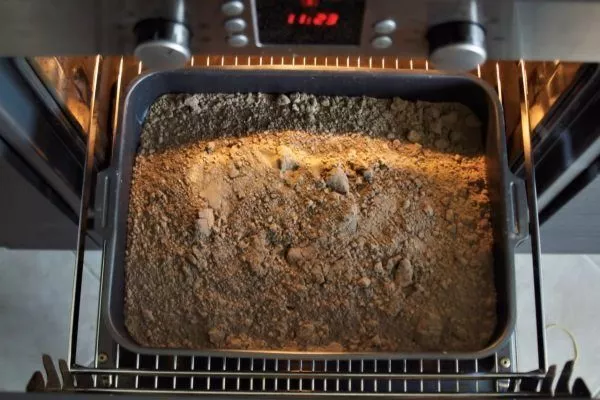
For more information on how to disinfect the soil yourself before planting seedlings, read another article.
Pre-sowing seed treatment
Most often, packaged seeds from reputable suppliers that you buy in stores are already disinfected and treated with germination enhancers. That's why they're coated with a green or other colored substance. However, if this isn't the case, or if you got the seeds from neighbors or friends, you need to pre-treat them.
To prevent seeds from spreading fungal diseases, soak them in a weak solution of potassium permanganate for 15-20 minutes. This is sufficient time, so there's no need to extend the soaking time. Doing so can cause chemical burns and complete damage to the seeds.
Seeds can be hardened using heat or cold. The first option involves warming the seeds near a heating source for two days, while the second involves placing the seedlings in a location where the air temperature is between 1 and 4°C (refrigerator, cellar, balcony, etc.). Alternatively, soak the seeds in water at 2°C for 24 hours.
After completing these steps, dry the seeds to make them easier to use during planting.
Sowing seeds for seedlings
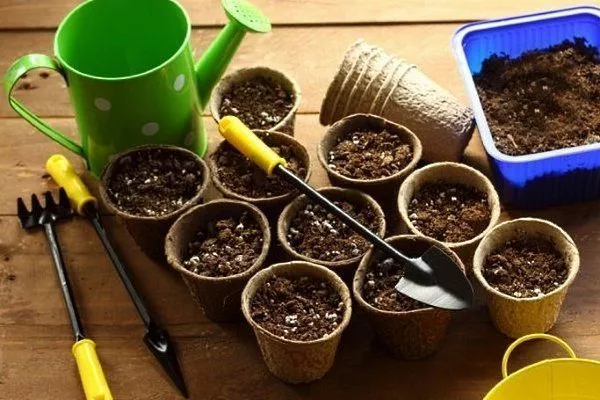
Lace flowers can be sown in a common container or in individual cups. Peat tablets or pots are preferred. This way, when transplanting the seedlings to the garden, you won't have to remove the roots, preventing damage to them and ensuring a smooth adaptation.
Place a drainage layer at the bottom of the container, filling it with planting mix. Water the soil and make rows 1 cm deep. Leave about 3-3.5 cm between the furrows. Scatter the seeds, spacing them 1.1-2 cm apart, and cover with soil. Water.
Cover the seedlings with plastic or glass and place them in a warm location. Daily ventilation and soil moistening will facilitate germination of the young sprouts. As soon as the seeds begin to sprout, remove the covering and place the seedlings in a location with a temperature of about 8°C (46°F), out of direct sunlight. Reduce the amount of soil moistening.
Conditions and care of crops
Caring for the seedlings and creating a favorable microclimate will guarantee large heads of Savoy cabbage in the future.
Fragile seedlings need at least 14 hours of daylight, so if there is no sun on a rainy or cloudy day, or depending on the region's characteristics, use lamps or other supplemental lighting equipment. Keep the seedlings' temperature between 15-17°C during the day and around 10°C at night.
It's recommended to water the beds with water that's as close to the soil temperature as possible. Avoid overwatering or overdrying the soil. After moistening the soil, loosen it. This will prevent a hard crust from forming on the surface, allow moisture to remain in the soil longer, and prevent rot.
To strengthen the immunity of seedlings and stimulate growth and vegetation, apply fertilizer:
- The first feeding is 4-5 days after picking. Dissolve 10 g in 5 liters of water. ammonium nitrate or urea and 20 g of superphosphate. The fertilizer application rate is 1-2 tablespoons per bush.
- The second feeding of the seedlings is carried out 12-15 days after transplanting. The solution composition remains the same, but the fertilizer concentration is doubled.
- A few days before transplanting young seedlings, feed them with a mixture of:
- water - 5 l;
- potassium salt - 40 g;
- superphosphate - 25 g;
- ammonium nitrate - 15 g.
Before applying fertilizer, moisten the soil to prevent the fertilizer from burning the root system.
Ten to fourteen days before transplanting the seedlings outdoors, begin hardening off the cabbage. To do this, gradually lower the temperature in the room where the seedlings are located. First, leave the windows open, then move the plants to the balcony during the day, and then leave them there overnight.
The key is to harden off the plants gradually to prevent them from dying from the cold. A couple of days before planting, leave the pots with the seedlings outside, reducing watering but ensuring the soil doesn't become too dry.
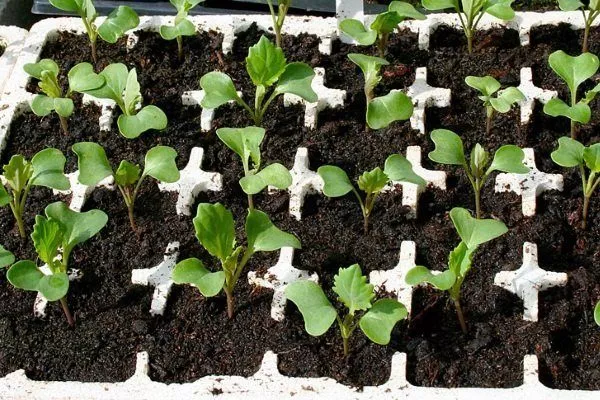
Picking into individual pots
When planting young seedlings densely, it's necessary to transplant them into separate, larger containers to ensure they have sufficient nutrition and space to develop, and to prepare them for transplanting into the open ground.
Pricking out is done 7-10 days after active germination, when the cotyledon leaves are developing. Water the seedlings to avoid damaging them when removing them from the soil. Before transplanting, trim the roots by a third of their length. This will stimulate root growth and help the plants establish themselves more quickly in the garden.
After transplanting, keep the seedlings out of direct sunlight for the first few days. Keep them warm (approximately 17-19°C). After 4-5 days, the temperature can be lowered to 13-15°C.
Planting Savoy cabbage seedlings in open ground
Seedlings transplanted to the garden require optimization of their growing conditions and subsequent care measures to ensure the formation of healthy, tasty heads.
When to plant seedlings in the area?
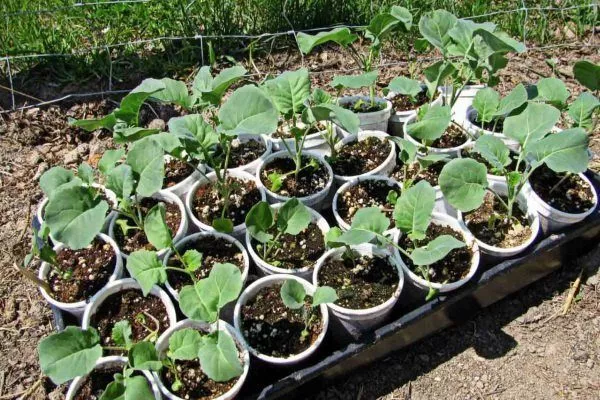
The timing of seedling planting is determined by the regional location and climate of the growing site. On average, this work is carried out in May. It is important that the seedlings have time to form and mature to the desired stage, which is determined by:
- healthy appearance of the plant, at least 15 cm in height;
- the presence of 4-5 leaves;
- absence of spots and cracks on the stem;
- well-developed root system.
A place for Savoy cabbage
When choosing a plot for growing Savoy cabbage, consider crop rotation and proximity to other plants. If cruciferous crops (radishes, turnips, horseradish, etc.) were grown in the same bed last season, it's advisable to allocate a different area. The best predecessors are legumes, grains, potatoes, onions, cucumbers, and tomatoes.
- Lime the soil 2-3 weeks before planting if the pH is below 6.0.
- Add organic fertilizers (compost or humus) at a rate of 5-7 kg per 1 m².
- Carry out deep digging of the soil to a depth of 25-30 cm.
Choose a bright and well-ventilated site. Remember that Savoy cabbage requires a large area to grow and prefers slightly acidic soil. Therefore, if necessary, add lime to the soil.
It's best to prepare the plot immediately after the previous harvest season. Dig over the beds, adding organic or mineral fertilizers. Compost, humus, chicken manure, potassium salt, and superphosphate are ideal. Nitrogen fertilization should be postponed until spring.
Planting process and scheme
Divide the area into holes, placing them in a checkerboard pattern, keeping a distance of at least 40 cm between them. The depth of the planting hole is determined by the height of the peat pot or root ball of the seedling.
Moisten the holes, place the plant in them, and cover with soil. Water. Cover the top with mulch up to the first leaf. This will prevent the soil from drying out and will subsequently provide additional micro- and macronutrients for the vegetable crop.
To help plants take root and adapt more quickly, protect them from the sun by shading them with a special net or other structures.
Care and cultivation of Savoy cabbage
Caring for this vegetable crop isn't difficult or requires any special skills or knowledge. The steps are similar to caring for white cabbage.
Watering, weeding, loosening and hilling
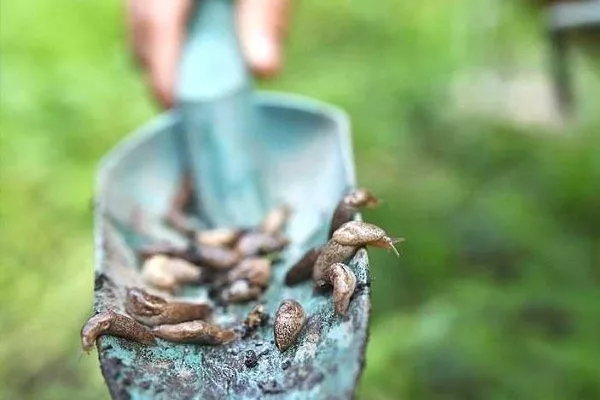
Throughout growing season It's recommended to water the cabbage head moderately. If the area is overwatered, the risk of fungal diseases increases significantly. Overwatering will cause the cabbage head to crack and will also attract slugs and snails.
During the period of filling of the cabbage head, use the root watering method rather than the rain one.
Remove weeds promptly to avoid wasting nutrients. Weeds also transmit diseases.
Hilling and loosening promote soil aeration, promote root growth, and prevent soil erosion and root exposure. Mechanical soil manipulation near the root system destroys potential pest larvae.
Fertilization
When grown outdoors, Savoy cabbage needs even more nutrients, especially during the head formation and ripening stage. Feed it at the beginning of head formation with a 10% mullein solution or a complex mineral fertilizer. You can make your own by mixing the following in a bucket of water:
- superphosphate - 35-40 g;
- potassium salt - 20 g;
- urea or ammonium nitrate - 20 g.
The second feeding can be done 10-15 days after the first. Increase the supplemental feeding amount by 50%.
Nitrogen deficiency is indicated by yellowing and dying of the lower leaves. If the overall color of the cabbage changes, becoming lighter, this indicates the need for potassium supplementation. Excess phosphorus in the soil causes the cabbage to flower early.
Be careful when choosing the types of fertilizers and the amounts to apply. Both under- and over-applications can have negative consequences.
Treatment and protection from diseases and pests
Savoy cabbage hybrids are resistant to diseases and insect pests. However, it's important to know how to prevent and protect against such problems as:
- fungal infections;
- mosaic;
- bedbugs;
- fleas;
- slugs;
- aphids, etc.
Prevention involves dusting cabbage beds every two weeks with chalk flour, wood ash, or colloidal sulfur. Spraying seedlings with a manganese solution, whey with iodine (5 drops per 5 liters), or a 10% kefir solution is beneficial.
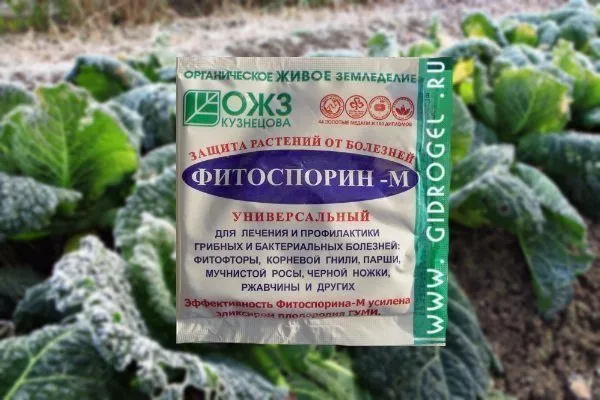
In the early stages of fungal diseases, removing affected plants from the garden bed and burning them helps. Subsequent treatment with Fundazol, Bordeaux mixture, or Fitosporin-M will protect the remaining cabbage.
Cabbage insect pests are best controlled using traditional methods, such as creating barriers to prevent access to the vegetable crop or creating conditions that repel the pests. These methods include:
- spraying with an ash solution, an infusion of tomato tops or tobacco with the addition of laundry soap;
- planting peppermint, marigolds, onions, etc. next to cabbage;
- manual collection of caterpillars and slugs and other methods.
If the problem is advanced, only targeted chemical treatments can help. These treatments must be carried out according to the instructions and precautions taken.
More information about cabbage diseases and pests is available. here.
Harvesting and storing Savoy cabbage
The first harvest of early-ripening Savoy cabbage ripens by mid-summer. These heads are not suitable for storage. To preserve this tasty and nutritious late-ripening vegetable, follow these guidelines:
- Don't rush harvesting. The heads can be left on the plant until the first frost, reaching -6°C.
- Harvest heads of cabbage weighing over 0.5 kg. The larger the fruit, the longer it will store.
- Harvest the crop in dry, cold weather, stopping watering a couple of days before the procedure.
- Cut the heads off with a few protective leaves. These will protect the vegetable from dust and dirt and retain moisture.
To store, sprinkle the heads with crushed chalk and trim the stalks. Place the vegetables cut-side up on dry shelves, leaving space between each head. Make sure the area is free of fungi and rodents.
Optimal conditions for preserving Savoy cabbage are determined by air humidity levels of 90-95% and temperatures from -3 to +3 °C.
Laced cabbage is a true competitor to white cabbage. This vegetable is easy to grow and very healthy to eat. Don't be intimidated by its unfamiliar name; cultivating it is easy, and following proper growing practices and timing will result in a bountiful harvest.