
Sugarloaf cabbage is a late-ripening white cabbage variety that's tasty and productive. Gardeners appreciate it for its magnificent heads, excellent characteristics, and versatility. This domestic variety, with its appetizing and original name, is deservedly popular with both ordinary gardeners and large agricultural holdings.
Description of cabbage
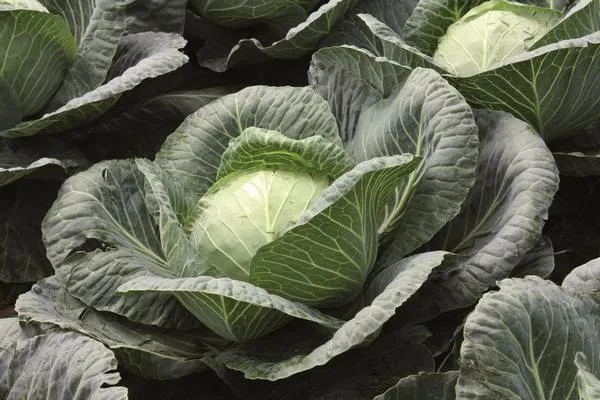
This variety has a strong, spreading, and vigorous rosette. Its diameter is approximately 80 cm, and its height is approximately 35-40 cm. The leaves are large, rounded, slightly bubbly, and slightly wavy at the edges. The surface color of the leaves is gray-green, with a matte sheen.
The outer stalk is medium in length, while the inner stalk is short. The heads are spherical, weighing 3-3.5 kg or more. They are quite dense, whitish, juicy, and crisp. The flavor is sweet and pleasant. The heads are sweeter than those of other varieties.
Who brought it out and when?
The Sakharnaya Loaf cabbage was developed by Moscow breeders from the renowned Sedek agricultural holding. The variety was officially registered in 2008. For a long time, it held a top spot among late-ripening varieties.
Characteristics
Sugarloaf cabbage ripens late, taking 110-120 days from planting to harvest. This variety boasts a relatively high yield—up to 6 kg per square meter. Under mass cultivation conditions, it yields 65-70 t/ha. It is resistant to most fungal diseases.
Pros and cons
This variety is deservedly popular among gardeners. This remarkable cabbage has many advantages and benefits over other varieties. Along with these benefits, it's also worth considering its drawbacks.
Purpose and taste
The heads of this variety are very juicy and crisp. The flavor of this late-ripening cabbage has distinct sweet notes. It is used in hot and cold dishes, canned, pickled, fermented, and used in various preserves. Cabbage is rich in vitamins, making it beneficial to eat during colds and viral illnesses.
Agricultural technology of the variety
To ensure that the heads of cabbage grow large, juicy, and sweet, as expected from the variety, it is necessary to follow the prescribed planting and care rules.
How to plant cabbage correctly?
Late-ripening cabbage, like early varieties, is grown primarily using seedlings. This is more efficient and convenient than sowing in open ground, as the cabbage may simply not have time to ripen. Furthermore, it is initially susceptible to pests, such as the cabbage flea beetle, which can destroy the crop in a matter of days.
- ✓ The optimal soil temperature for planting seedlings should not be below +10°C.
- ✓ To prevent seedlings from stretching, it is necessary to provide additional lighting for 12-14 hours a day.
Features and rules of planting:
- The seedlings are sown in April. The seeds are pre-soaked in pink potassium permanganate for 12 hours. The soaked seeds are rinsed and dried.
- You can use a ready-made soil mixture for seedlings—it can be purchased at agricultural stores—or you can make your own by mixing turf, peat, and sand (1:1:1). Peat pots are also useful, as they allow you to plant seedlings without damaging the roots.
- Keep the seedling pots in a well-lit area free from drafts. The optimal temperature should be between 21°C and 25°C. Before planting, harden off the seedlings by placing them outside for 10-15 minutes at first, gradually increasing the time to several hours.
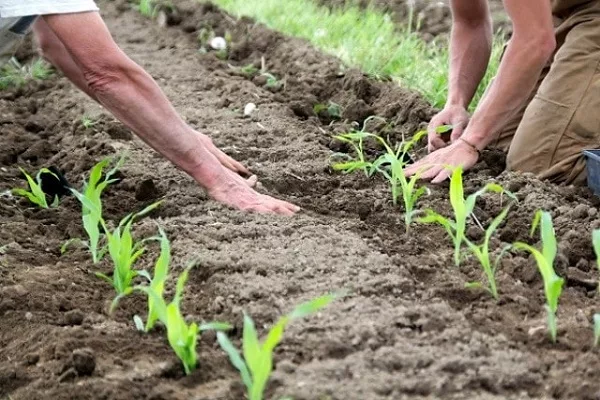
- Planting begins when the seedlings have four leaves. The seedlings are transplanted into pre-prepared beds. Choose well-lit areas protected from drafts and strong winds for planting.
- When planting, consider the size of the rosettes. Since they are spreading, the intervals between adjacent plants are approximately 60 cm. The distance between rows is also maintained at 60 cm.
- Before planting, sprinkle a small amount of superphosphate into the holes to speed up rooting. A wood ash solution can also be used as fertilizer. The planted seedlings are watered generously with settled water and then mulched.
Care
The Sugarloaf variety does not require much effort; this variety requires standard measures - watering, fertilizing, preventative and therapeutic spraying.
Care features:
- Water cabbage about once a week, taking into account weather conditions and soil moisture. During the growing season, watering volumes and frequency increase significantly to ensure large, juicy heads.
- The crop is fed twice with rotted manure diluted in water.
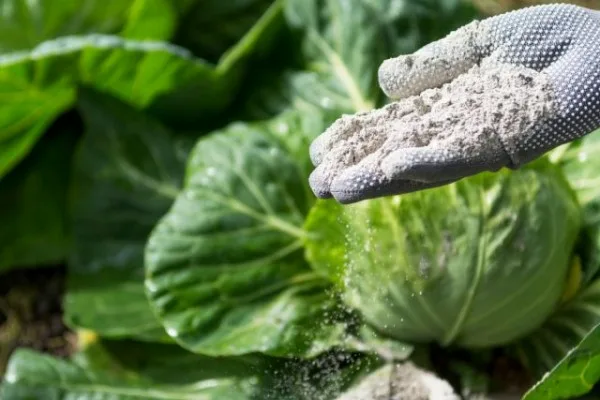
- Cabbage beds are regularly loosened and weeded, and the plants are hilled up to the lower leaf blades several times a season. Hilling is done after 10-12 cabbage leaves have formed. This cultivation technique promotes the development of lateral roots, ultimately strengthening the plant and producing large, strong heads of cabbage.
Prevention
The variety has good immunity to many diseases, but unfavorable conditions and lack of adequate care can lead to the appearance of rot and other diseases.
Most often, the variety is affected by:
- Bacteriosis. This disease causes yellowing of the leaves at the edges. Later, the leaf blades become dark. Preventative spraying with Fitolavin helps prevent the disease.
- Downy mildew. The disease is accompanied by the appearance of a white coating on the leaves. The seeds are soaked in warm water for half an hour. If signs of the disease appear, the cabbage is sprayed with copper-containing preparations.
- Fusarium. It causes yellow spots on leaves. This disease can be prevented by treating with Agat or copper sulfate. Affected leaves are removed and destroyed.
- Cabbage. They cause leaf blanching and plant death. Planting dill and parsley along cabbage beds helps prevent damage.
- Kiloy. This disease is caused by a pathogenic fungus. It slows the growth and development of the crop, and even leads to death. Liming the soil and strict adherence to agricultural practices for cabbage help prevent the disease.
The most dangerous pests for Sugarloaf cabbage are aphids, thrips, and cruciferous bugs. These can be controlled with insecticides such as Bankol, Iskra M, and others. These and other insecticides are also recommended for use on the soil around the plants.
Collection, storage and use
The heads of cabbage are harvested in dry weather; rain is contraindicated for this process. Before storing, the cabbage is dried briefly in the sun and any damaged leaves are removed. After this, the harvest is transferred to a cool room, such as a basement. It's important that the room maintains stable temperature and humidity conditions.
- ✓ Heads of cabbage must be fully ripe, without signs of disease.
- ✓ Before storing, heads of cabbage must be treated with a solution of potassium permanganate for disinfection.
Cabbage heads are best stored at temperatures between -1°C and +4°C, with humidity of 90-95%. Under favorable conditions, the cabbage will not spoil until spring. Once cut and stored, the heads ripen for another 1-2 months, until they acquire the perfect sweet flavor that gives Sugarloaf cabbage its vibrant and unusual name.
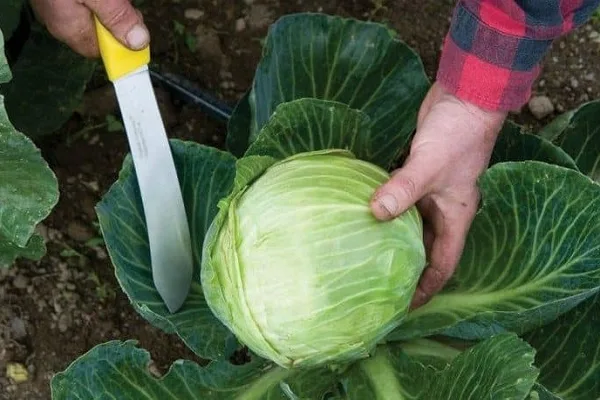
The white cabbage variety "Sugar Head" lives up to its name and is rightly prized by our gardeners. This delicious late-season cabbage is ideal for traditional winter preserves; it has an excellent flavor and stores well for several months.