
Cabbage isn't considered an early vegetable, but there are early varieties that allow us to enjoy this product as early as the beginning of summer. The article below describes the varieties, their characteristics, cultivation, and harvesting.
Features of early cabbage
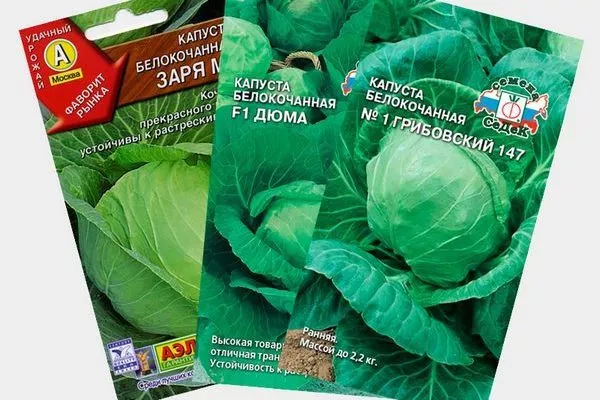
Early-ripening cabbage varieties have a short growing season, allowing for harvesting as early as early June, and in some regions, as late as May. However, due to their rapid ripening, their heads are typically small, looser than those of late-ripening varieties, and prone to cracking.
- ✓ Watering should be abundant, but not allow water to stagnate to avoid root rot.
- ✓ The water temperature for irrigation should not be lower than 18°C, so as not to cause stress to the plants.
Early cabbage requires less land to plant due to its small size, but requires abundant watering and increased feeding due to its intensive growth.
Early cabbage is distinguished by its flavor, or rather, its limited variety. While mid-season and late-season varieties can be distinguished by taste, only a specialist can distinguish early cabbage.
On the other hand, this cabbage is very rich in vitamins and beneficial microelements. Due to the high water content of the leaves, these varieties are not suitable for pickling or long-term storage. They are usually used in salads and seasonal dishes.
The best early varieties
| Name | Disease resistance | Soil requirements | Ripening period |
|---|---|---|---|
| Akira | High | Average | 90 days |
| Gribovsky 147 | Low | Tall | 115 days |
| Dita | Average | Average | 100 days |
| Dawn | High | Low | 107-118 days |
| Arctic | High | Average | 95-100 days |
| Golden Hectare | Average | Tall | 100-110 days |
| June | High | Low | 90-110 days |
| Cossack | High | Low | 95-110 days |
| Copenhagen market | Low | Tall | 115 days |
| Nozomi | High | Average | 90-100 days |
| Oracle | High | Low | 85-90 days |
| Pandion | Average | Average | 85-100 days |
| Parel | High | Low | 90-100 days |
| Sir | High | Average | 80-90 days |
| Surprise | High | Low | 95-100 days |
| Taurus | High | Average | 95-100 days |
| Transfer | Average | Tall | 100 days |
| Tobia | High | Average | 90-100 days |
| Express | Low | Tall | 90 days |
There are quite a few varieties of early-ripening cabbage, and recently, both domestic and imported hybrids have become increasingly popular. To determine which cabbage variety you need to grow, you need to know their basic characteristics.
It should be noted that if a manufacturer specifies that the cabbage growing region is all of Russia, they mean that in the northern regions, this vegetable can only be grown in greenhouses and hothouses under certain conditions.
| Variety | Growing region | Ripening period, days | Weight of the head of cabbage,
kg | Yield, c/ha |
| Akira | Central and Southern | 90 | 1-2.5 | average |
| Gribovsky 147 | All regions of Russia | 115 | 1-2 | 670 |
| Dita | Central and Southern | 100 | 1 | high |
| Dawn | Central | 107-118 | 1.6-2 | 500 |
| Arctic | Northern | 95-100 | 1-1.6 | average |
| Golden Hectare | All regions of Russia, including the North | 100-110 | 1.5-3 | 850 |
| June | All regions of Russia | 90-110 | 1-2 | 650 |
| Cossack | Central and Northwest | 95-110 | 1-1.5 | 460 |
| Copenhagen market | Central and Southern | 115 | 1.5-2.5 | 400 |
| Nozomi | North Caucasian | 90-100 | 1.3-2 | 315 |
| Oracle | All regions of Russia | 85-90 | 1.2-1.7 | 256 |
| Pandion | Central and Northern | 85-100 | 1-2 | 513 |
| Parel | Central and Northern | 90-100 | 1-1.5 | 450 |
| Sir | All regions of Russia | 80-90 | 1.5-2 | 259 |
| Surprise | Central | 95-100 | 1-1.3 | average |
| Taurus | Central | 95-100 | 5-6 | high |
| Transfer | Central and Southern | 100 | 0.7-1.5 | 424 |
| Tobia | Central and Northern | 90-100 | 3.5 | 760 |
| Express | All regions of Russia | 90 | 1-1.3 | 380 |
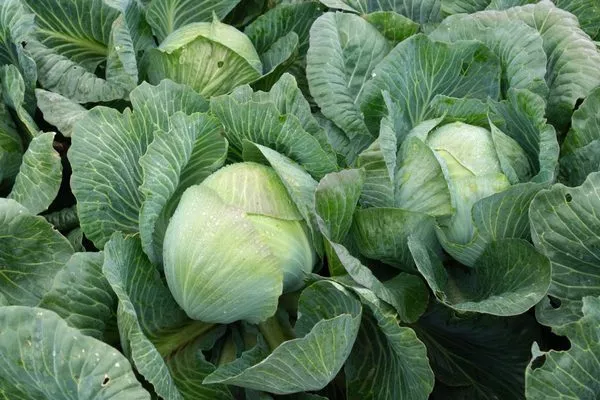
Akira cabbage
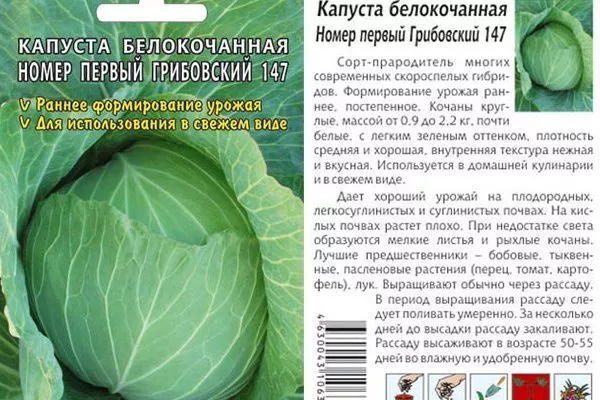
Cabbage Gribovskaya 147
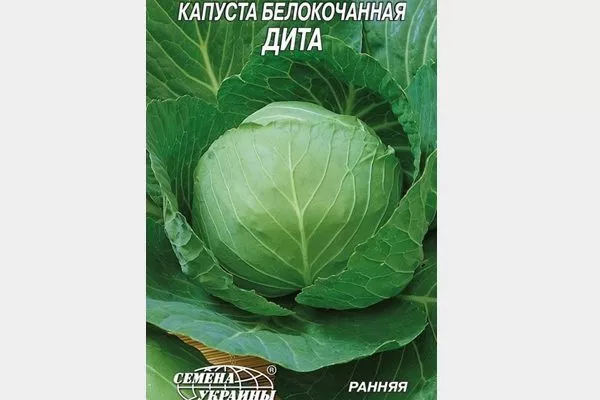
Cabbage variety Dita
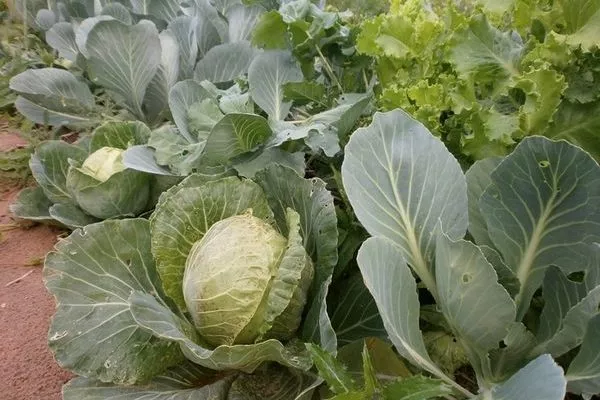
Cabbage variety Zarya
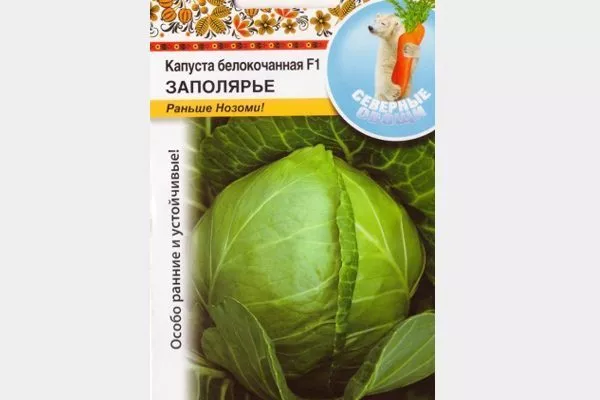
Cabbage variety Zapolyarye
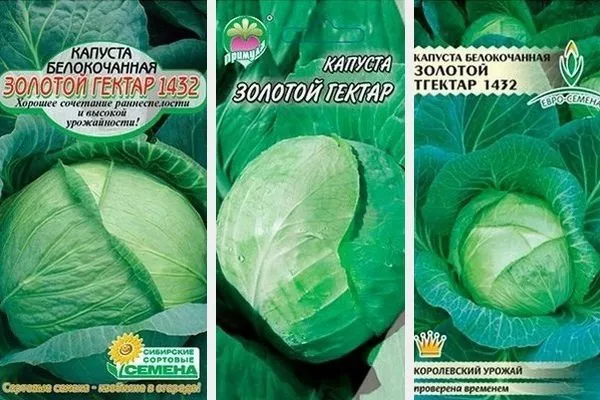
Cabbage variety Golden Hectare
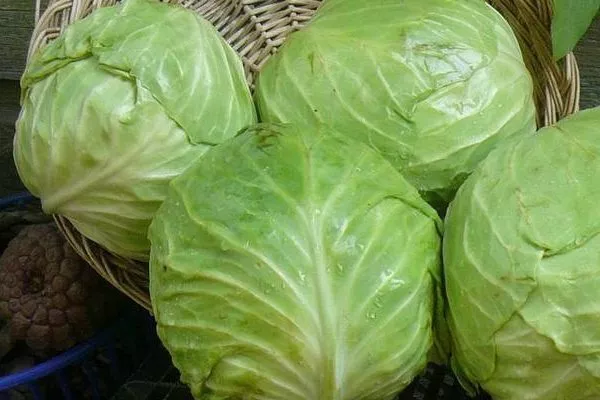
Cabbage variety June
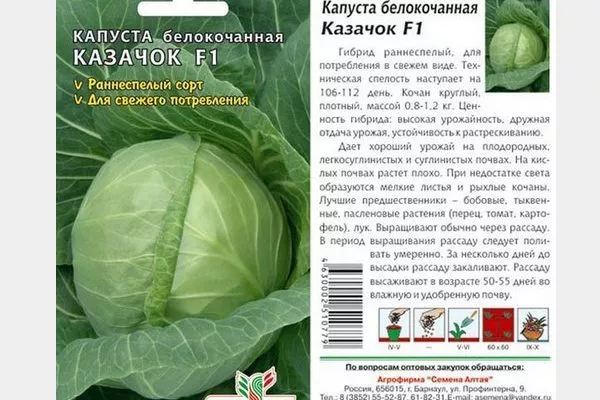
Cabbage variety Kazachok
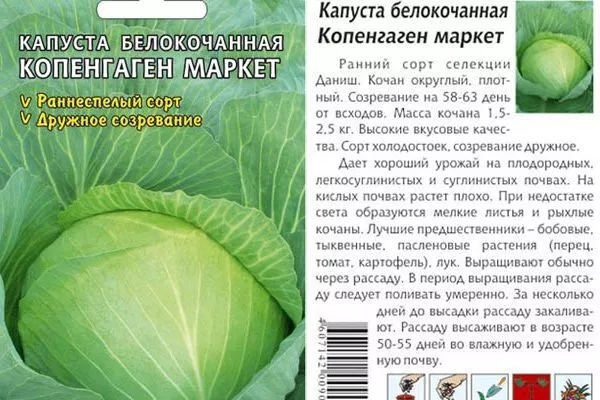
Copenhagen Market variety
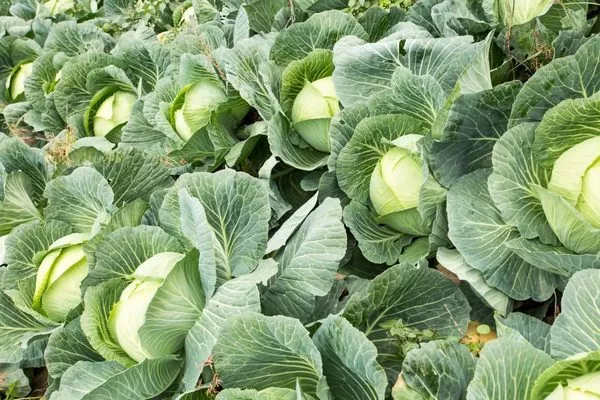
Nozomi cabbage variety
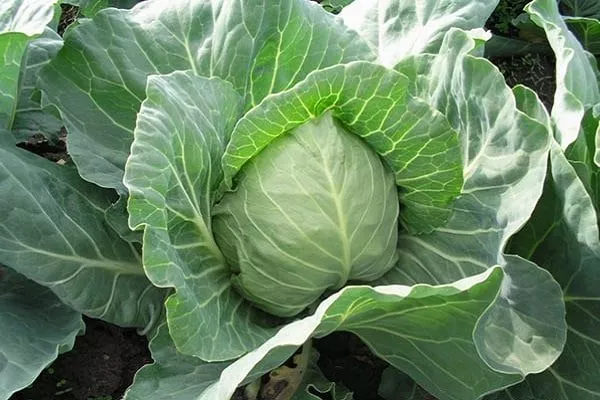
Oracle cabbage variety
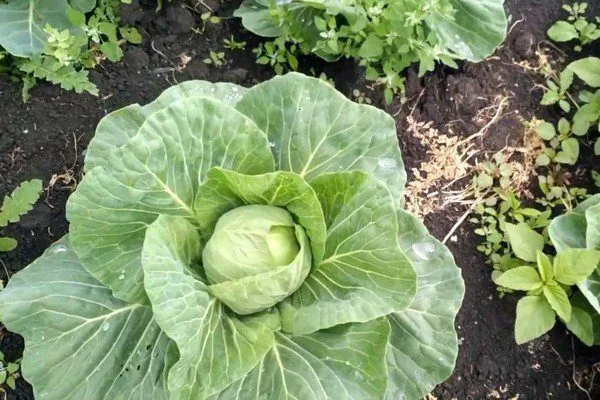
Cabbage variety Pandion
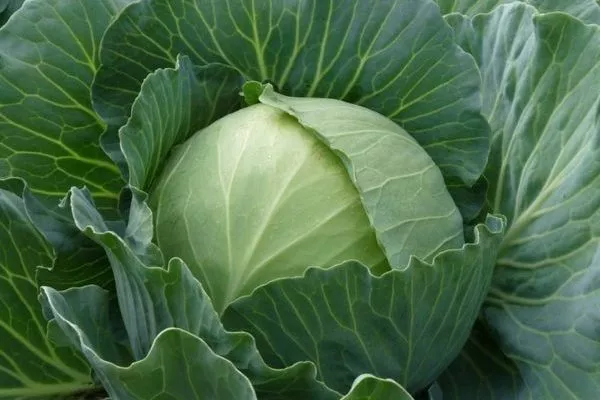
Parel variety
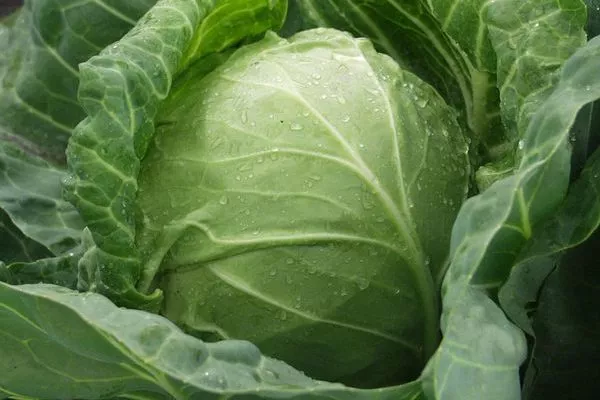
Sir variety
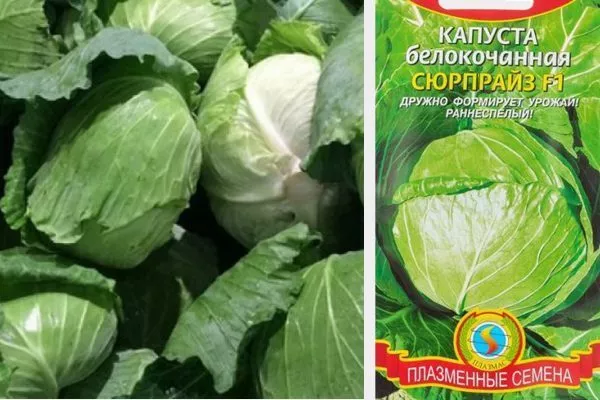
Surprise cabbage
Taurus variety
Cabbage variety Transfer
Tobia cabbage variety
Express cabbage variety
With so many varieties of early cabbage available, choosing one can be quite challenging. It's important to consider not only the yield of each variety, but also its advantages and disadvantages.
- Akira. This variety is not prone to head cracking and transports well. It is resistant to rot, but its shelf life is limited to two months.
- Gribovsky 147. This frost-resistant hybrid grows poorly in acidic soils. It is susceptible to diseases such as clubroot and vascular bacteriosis. The heads tend to split when grown for long periods. It does not store well.
- Dita. Like most varieties, it has a shelf life of no more than two months. It is not susceptible to cracking. Transportation is possible.
- Dawn. Despite the low density of the head, it is not prone to cracking.
- Arctic region. This hybrid was bred specifically for northern regions and is distinguished by its increased frost resistance. However, when growing it, remember that it loves full sun and abundant watering. It does not crack.
- Golden hectare. Resistant not only to short-term frosts but also to high temperatures. This variety is resistant to cabbage diseases, but is not immune to clubroot. It cracks if overwatered, and does not store well.
- June. This proven variety tolerates frost well. It is not susceptible to diseases and is a sun-loving plant.
- Cossack. This cabbage grows well even in poor soils. Like most varieties, it tolerates short frosts, but it does not tolerate heat well. It is one of the few varieties that has a long shelf life—up to six months. It does not crack and transports well.
- Copenhagen market. This Danish hybrid does not tolerate shade when grown. It has a short shelf life and is prone to cracking if exposed to excess moisture.
- Nozomi. Resistant to cabbage diseases. Does not crack and transports well. Requires full sun when growing.
- Oracle. This ultra-early variety is resistant to most diseases, does not crack, and transports well. It has a longer shelf life than other varieties of this species.
- Pandion. The hybrid is resistant to cracking and transportation, but an increase or decrease in temperature during cultivation has a negative effect on the development of the plant.
- Parel. A frost-hardy variety not prone to disease. The head is resistant to cracking and transports well. It has high resistance to bolting.
- Sir. It combines all the advantages of early-ripening cabbage, such as frost resistance, resistance to cracking and disease, and easy transportation. It thrives in heavy soils and has a relatively long shelf life compared to other varieties.
- Surprise.The heads of this hybrid are not prone to cracking.
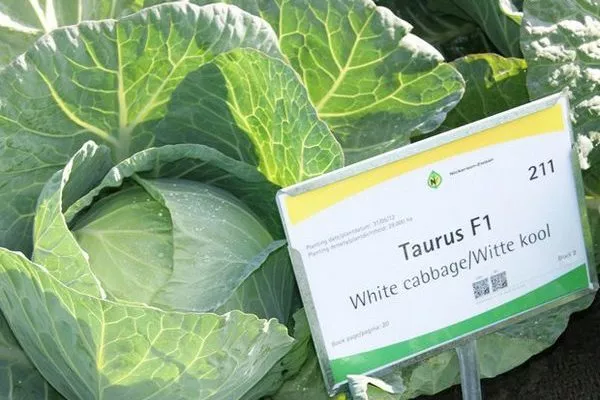
- Taurus.This variety tolerates not only frost but also heat well. It is resistant to cabbage diseases such as vascular bacteriosis and fusarium.
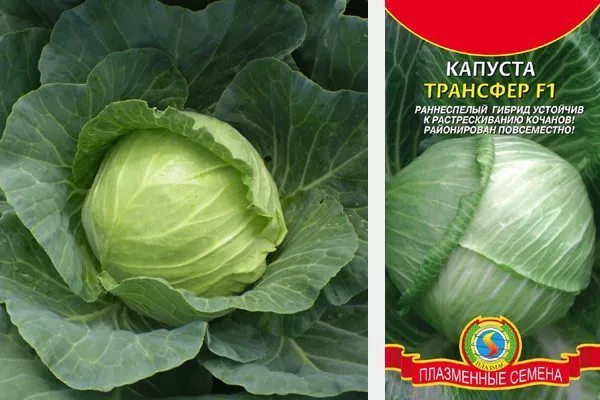
- Transfer. Despite its resistance to most diseases, it suffers from flea beetle attacks. It requires loosening during cultivation. Its shelf life is limited.
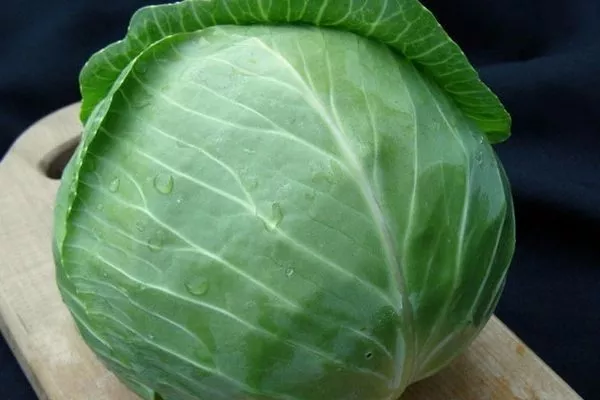
- Tobia. This variety can be stored for up to 3 months and tolerates transportation well. abundant watering prone to rotting.
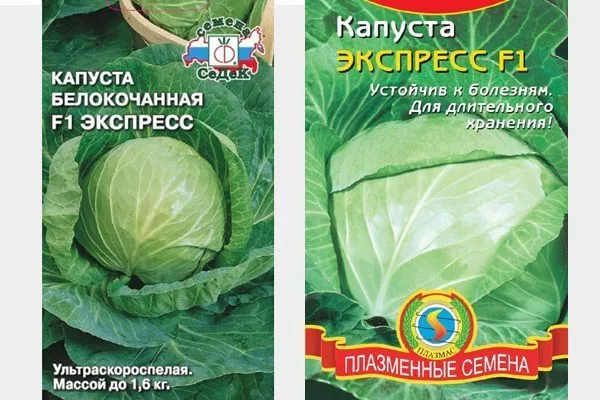
- Express. An ultra-early hybrid with a shelf life of up to four months. It resists cracking and transports well. Its drawbacks include vulnerability to disease and pests.
- ✓ Resistance to head cracking.
- ✓ Long-term storage ability despite early maturity.
Growing periods
Early cabbage varieties are most often grown from seedlings to obtain a harvest as early as possible. Seeds for seedlings are typically sown in mid- to late March, depending on the planting region. To accurately determine when to sow early cabbage, consider the following factors:
- A variety of cabbage. What specific cabbage variety are you planning to use, and how old should the seedlings be before planting? This information is included on the back of the variety description; the age of seedlings for planting in the ground can vary from 30 to 55 days.
- Landing zone. What climate zone do you live in, and when will weather conditions allow you to plant seedlings in the ground?
- Method of planting seedlings. Where do you plan to plant the seedlings: in a greenhouse, under plastic, or in open ground? Naturally, you can plant seedlings in a greenhouse 1-3 weeks earlier because the soil warms up better and faster there.
- Lunar calendar. Many gardeners pay attention to the phases of the moon when planting and plant cabbage according to the recommendations of the Lunar Sowing Calendar. These calendars are now available in expanded versions, with recommendations for favorable planting days for each crop.
Calculating the planting time yourself is fairly simple. Check the manufacturer's recommended seedling age for planting in the ground. To this, add 7-10 days for germination and 7-10 days for the seedlings to recover if you choose to transplant them. Decide when you'll plant the seedlings in the ground and count back the number of days from that time.
Preparing the site for planting
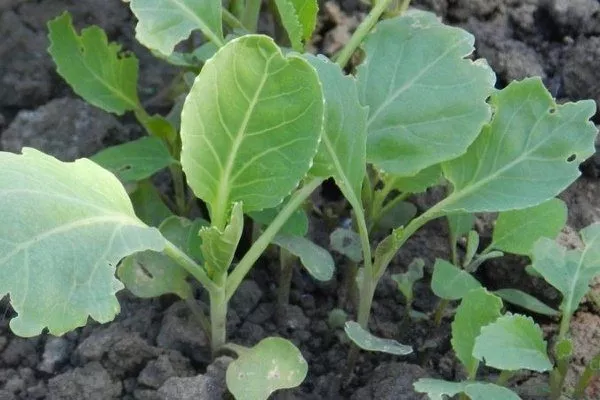
Early cabbage requires a small plot of land, but it should be fertile. This plant loves the sun, so it's best to plant it in a spot that's not shaded. The best predecessors for cabbage are legumes, cucumbers, tomatoes, potatoes, and onions.
Brassicas grow very poorly in acidic and low-fertility soils. If you have this type of soil and there's no way to significantly improve its condition, don't worry. There are several early-ripening cabbage varieties that grow even in low-fertility areas. An example of such a variety is the Kazachok brand.
The planting area is prepared in the fall. The soil is dug to a depth of 30 cm and manure or compost is added at a rate of 4 kg per square meter. The amount of mineral fertilizer and lime to be applied is calculated based on the soil composition. On average, 40 g of superphosphate and 20 g of potassium chloride are used per square meter.
In the spring, mineral fertilizers are added to the prepared soil again: 40 g of superphosphate, 15 g of potassium chloride, and 15 g of urea. These are worked into the top layer of soil using a rake.
The listed fertilizers can be replaced with 60-90 g of nitroammophoska. If mineral fertilizers are unavailable, add 40 g of ash per hole. Alternatively, you can purchase specialized complex fertilizers specifically for cabbage; there is a wide selection of these products available.
If fertilizers were not applied either in the fall or in the spring, they are added to each hole during planting. Fertilizers are very important for cabbage., especially mineral ones, because they are sources of nitrogen, phosphorus and potassium, which are so necessary for the normal development of the cabbage head:
- Nitrogen deficiency is manifested by wilting leaves and a change in their color to pale yellow; in severe cases of starvation, the lower leaves turn blue or red.
- If the plant lacks potassium, dark spots appear on the leaves and spread. The leaf wilts, curls, and may fall off.
- When there is a lack of phosphorus, the leaves begin to darken, turning dark green or purple, and the growth and development of the head of cabbage stops.
Seedling method of growing
To get cabbage as early as possible, it's best to use seedlings. This will protect the plant from pests and diseases at a young age and ensure the formation of full-fledged heads with a long growing season.
Preparing seeds for sowing
Commercial seeds are usually already sorted and disinfected and require no additional treatment. However, if you purchased seeds of questionable quality or are using your own material, pre-sowing preparation is necessary.
To combat clubroot and other fungal diseases, soak seeds in warm water at 50 degrees Celsius for 20 minutes. Maintain the water temperature. Then place the seeds in cool water for 3-5 minutes and dry thoroughly.
During the disinfection process, floating and small seeds are removed.
There are two methods for growing seedlings: potted and potless. In both cases, seeds can be sown with or without subsequent transplanting.
Pot method
Recently, potted seedlings have become increasingly popular. Their advantage is good survival rates, as the root system remains intact before planting.
If you want to grow early cabbage seedlings without transplanting, sowing should be done from late February to mid-March. Soil preparation for seedlings involves mixing equal parts of soil and compost and adding mineral fertilizers: 30 g of superphosphate, 15 g of potassium nitrate, and 10 g of ammonium nitrate per bucket of the mixture. Alternatively, you can use any complete fertilizer for cabbage.
Young plants don't tolerate high salt concentrations well. Therefore, only half the fertilizer dose is added to seedling mixes based on humus and sod soil. If there are no signs of starvation, seedlings do not require additional fertilizer.
Transitional or lowland peat with sand and sawdust can be used as a seedling soil. If micronutrients are not available, ash can be added to the soil mixture at a rate of 2 cups per bucket.
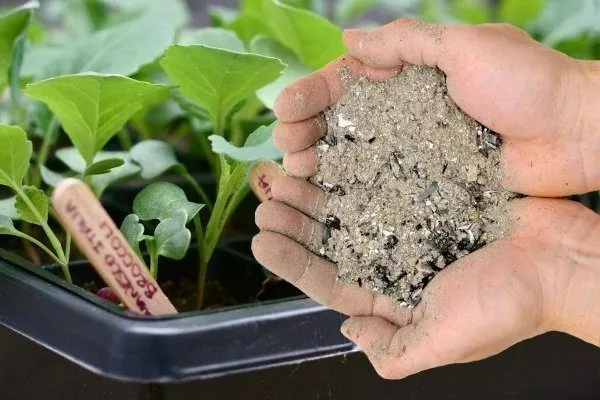
Once the soil for seedlings is prepared, you can begin sowing:
- Sow 2-3 cabbage seeds in each container at a depth of 1.5-2 cm to select the most successful seedlings. After sowing, water the soil generously with room-temperature water. To speed up seed germination, cover the pots with plastic wrap.
- Keep the seeds at a temperature of 25 degrees Celsius (77 degrees Fahrenheit) until germination. Then, lower the temperature to 8-10 degrees Celsius (46-50 degrees Fahrenheit) to prevent the seedlings from stretching. Once the first true leaf appears, raise the temperature to 15-17 degrees Celsius (59-62 degrees Fahrenheit) during the day and 10 degrees Celsius (50 degrees Fahrenheit) at night.
- Reducing the temperature at night is essential to prevent the seedlings from becoming weak. Such seedlings don't take root well in the ground. Good seedlings ready for planting in the ground should be stocky and have 4-5 true leaves.
- Keep the soil moderately moist during cultivation to prevent blackleg. If you notice this disease, ventilate the room and sprinkle the soil with dry sand. To prevent disease, add potassium permanganate to the irrigation water (3 g per 10 liters of water).
Potless method
When growing large quantities or when space is limited, use the potless method. To do this, spread the prepared moist mixture in an even 5-6 cm layer in the boxes and make furrows 3-4 cm apart.
In the phase of 1-2 true leaves dive the seedlings In 6 x 6 cm pots, or thin the plants to 5-6 cm apart without picking. Pot-less seedlings retain only 10% of their root system volume during transplantation.
Potless method with preservation of the root system
There's another method for growing seedlings that doesn't involve using containers, but it keeps the root system as intact as possible. This method involves forming pots from a well-moistened soil mixture.
To prevent the soil from crumbling during watering, add mullein as a binding agent. Use no more than 0.5 liters per bucket of mixture. Be careful when preparing this mixture, as too much mullein will make the soil too compact, which will adversely affect the development of the seedlings.
Place the wet mixture in an even layer of 5-6 cm in boxes or directly on the covered ground in the greenhouse, compact it lightly, and then cut it along the entire height lengthwise and crosswise, forming cubes of 6 by 6 cm.
Seedless cultivation method
Early cabbage can also be grown without seedlings, but the harvest will ripen a little later. Most cabbage varieties can tolerate light frosts, but if you want to sow cabbage directly into the ground, carefully read the instructions for the variety you plan to grow.
Planting times depend on your region and climate. For example, in central Russia, early cabbage can be planted in the first ten days of May. For this method, use plastic covers or plastic bottles if the planting volume is small.
Sow the seeds generously in prepared, moistened soil to a depth of 2-3 cm and cover. Keep the soil moist at all times. Once the plants have developed three true leaves (in about a month), the covering material can be removed.
Planting cabbage in open ground
Cabbage, like most plants, grows best when planted in a square pattern, with row spacings equal to the planting spacing. However, for ease of maintenance, many gardeners plant cabbage in a single row, 60-70 cm wide.
With this growing method, the planting spacing for early-ripening cabbage is 30-35 cm. If you missed the deadline for planting seedlings or your plot is low-fertility, you should increase the row spacing to 80 cm and plant the cabbage more spacingly.
Before planting, inspect the seedlings. Reject any weak, underdeveloped plants or those showing signs of disease. It's best to select and plant seedlings in the afternoon or late afternoon.
The next steps are as follows:
- form holes 10-12 cm deep;
- into each hole add a handful of humus and 2 tablespoons of ash or mineral fertilizers according to the instructions;
- thoroughly water the holes with at least 2 liters of water;
- If the seedlings were grown without a pot, before planting, dip their roots in a liquid solution of clay and mullein;
- when planting plants, deepen the root collar by 2-4 cm to the first leaf, but do not cover the apical bud;
- Press the soil around the cabbage, water it and sprinkle it with dry soil to prevent a crust from forming;
After planting, it takes 10-14 days for rooting to occur. During this time, seedlings have reduced frost resistance, so they should be covered with plastic.
Watch the video to learn about growing early cabbage—from planting seedlings to harvesting:
Caring for early cabbage
Care consists of weeding, loosening the soil, regular watering, and fertilizing. Watering begins the second day after planting the seedlings in the ground and then at least once or twice a week.
During the head formation period, cabbage experiences a particularly high water requirement. However, closer to harvest time, watering should be reduced to prevent the cabbage from cracking.
Typically, two feedings are carried out. When the plant takes root, it is fed with mullein diluted with water at a ratio of 1:10, 0.5 liters per plant. When the heads begin to form, the cabbage is fed with nitrogen-potassium fertilizers.
It's important to keep the soil under the cabbage loose and not allow it to dry out. Loosening is done after rain and watering. At the same time, the cabbage can be lightly hilled. Hilling promotes the development of secondary roots on the stem.
Growing cabbage in a greenhouse
When growing cabbage in a greenhouse, the same steps are followed as when growing it outdoors. However, this method has several advantages:
- the harvest can be obtained earlier, since the soil in the greenhouse warms up faster;
- It is easier to maintain the required temperature conditions in a greenhouse;
- no need to worry about the weather, plants will not be damaged by hail or strong winds;
- Cabbage is more resistant to late blight in a greenhouse atmosphere;
- Vegetables suffer much less from attacks by harmful insects.
The heads of cabbage are harvested as they ripen, preventing them from cracking.
Cabbage diseases
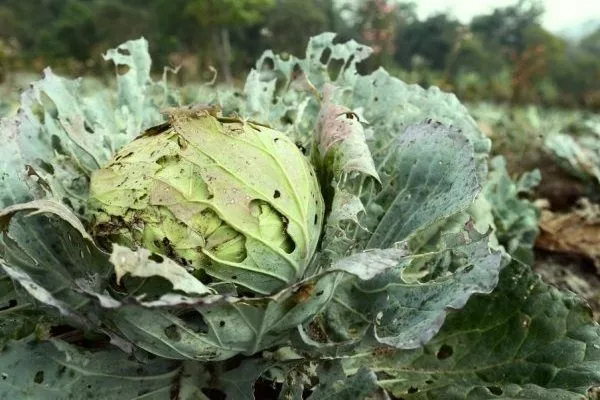
From cabbage diseases In open ground, vascular and slimy bacteriosis, black leg, phomosis, and clubroot are widespread.
Preventive measures to combat bacterial diseases and phomosis are as follows:
- do not replant cabbage in the same area for 2-3 years;
- In autumn, remove all plant debris;
- Treat seeds before sowing.
To prevent blackleg, renew the soil in hotbeds and greenhouses, and never overplant. Avoid overwatering. Ventilate the greenhouse regularly, and treat the frames with lime milk or formalin at a rate of 1 g per 4 liters of water. When planting seedlings, discard any plants infected with blackleg.
Kila This is a fungal disease that attacks plant roots. Its development thrives in an acidic environment. Therefore, to prevent the disease, acidic soils are alkalized. Before planting seedlings, the soil can be irrigated with a colloidal sulfur solution (40 g per 10 liters of water).
Cabbage pests
There are many chemical pest control products for cabbage on the market. If you don't like using chemicals in your garden, wood ash is almost always effective in controlling insects that attack cabbage.
Ash is sprinkled on the soil around the plants, which is then loosened to a shallow depth at intervals of 3-4 days. An ash solution is also prepared for spraying cabbage leaves. Liquid soap (1 tablespoon per 10 liters) is added to the solution to prevent it from running off and to ensure it remains on the surfaces being treated.
Another effective remedy, often used to combat cabbage pests, is a mixture of dry mustard, black pepper, and ash (mixture #1) or ash + tobacco + ground pepper (mixture #2). These mixtures can also be used to make a solution.
| Name of the pest | Control measures |
| Cruciferous flea beetle |
|
| Cabbage fly |
|
| Snails and slugs |
|
| Aphid |
|
| Cabbage white butterfly and cutworm |
|
Reviews of early varieties
Growing early cabbage varieties doesn't require any specialized agricultural knowledge. With a little effort and diligence, you'll be rewarded with juicy, delicious heads of cabbage that make excellent salads and hearty stews!