
The Podarok cabbage variety became widespread in our country back in 1961, but has remained popular ever since. This is due to the variety's excellent commercial and flavor qualities, as well as its resistance to various climatic conditions and diseases. Learn about the other benefits of Podarok cabbage and how to grow it properly in this article.
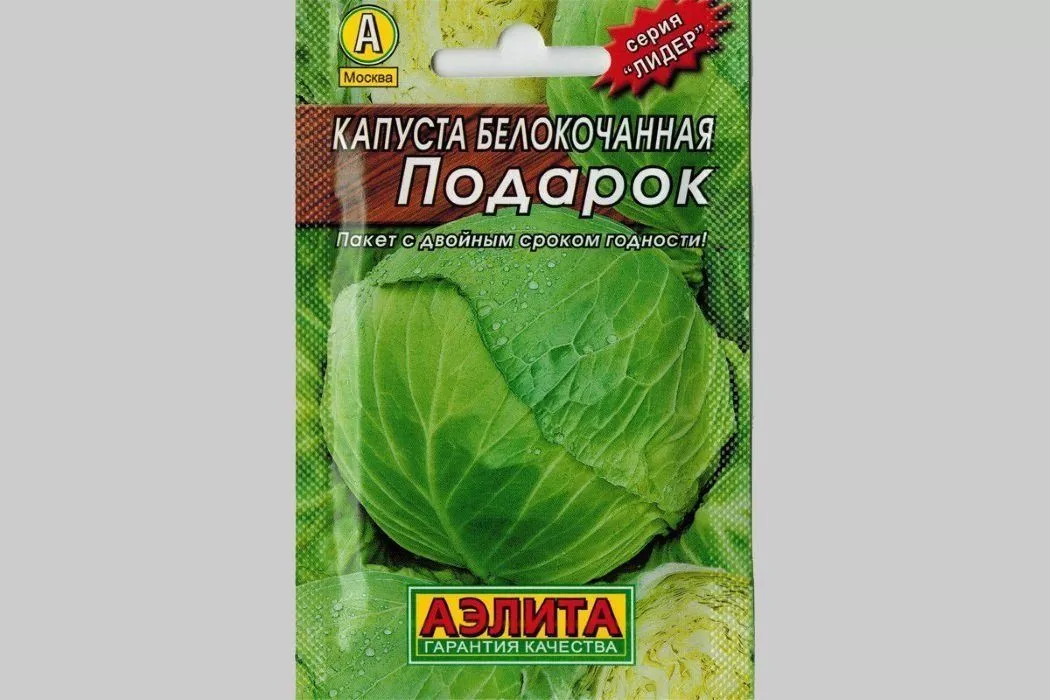
Cabbage Gift
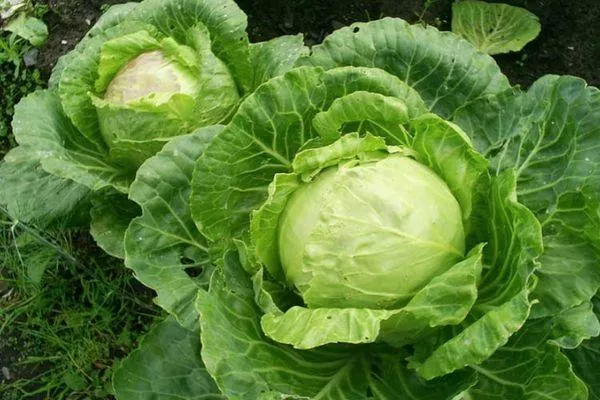
Gift cabbage can be grown in all regions of the country.
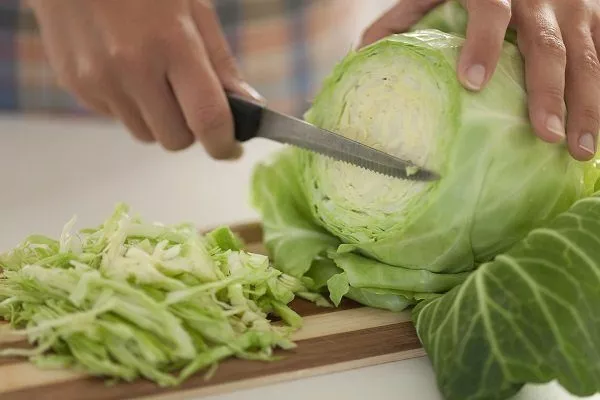
Cabbage has a pleasant sweet taste.
Description
This variety has been common in Russia for over 50 years. It was developed by breeders at the Gribovskaya Station and added to the State Register in 1961. Initially, Podarok was created for mass production, but soon gained popularity among gardeners due to its appearance and excellent taste. Today, Podarok cabbage is popular in agriculture.
The variety is suitable for cultivation in all regions of the country.
Characteristics, yield
Several main parameters characteristic of a variety can be identified:
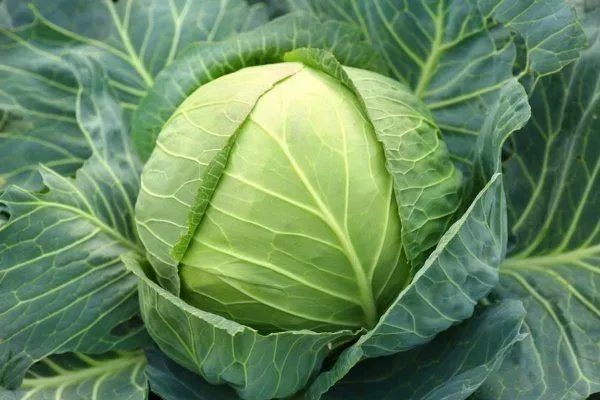
- Form. Rounded, slightly flattened at the top.
- Color. Grayish-green on the outside, slightly yellowish on the inside.
- Leaves. Oval or round, wavy at the edges. The upper leaves are covered with a light waxy coating.
- Head of cabbage. It has a fairly dense structure and is of medium size.
- Ripening period. Mid-late. Harvesting occurs 4-4.5 months after planting.
Table of the main characteristics of the Podarok cabbage variety:
| Growing season, days | Outlet diameter, m | Weight, kg | Size of the stalk, cm | Yield, kg/sq.m |
| 120-135 | up to 1 | 3-5 | 20-25 | 9 |
Application
Cabbage contains many vitamins and nutrients, making it suitable for use in baby food and dietary products. Cabbage also helps improve the well-being of those with ulcers and cardiovascular diseases.
The fruits have a pleasant, slightly sweet flavor, making them suitable for both fresh and cooked consumption. They retain their flavor when pickled or fermented, making them ideal for winter preserves.
Read about other varieties of cabbage for pickling and fermenting in next article.
The commercial qualities of the variety make it suitable for sale.
Pros and cons
The main advantages of growing the Podarok variety:
- Durability. The fruits are virtually crack-resistant and tolerate temperature fluctuations well.
- Long shelf life. Cabbage retains its appearance and flavor.
- Productivity. Even under unfavorable conditions, a good harvest can be achieved.
- Transportability. Fruits are not damaged during long-distance transport.
- Germination. Most seeds germinate when planted.
Among the disadvantages we can highlight:
- Growing conditions. It's important to create suitable growing conditions for the variety. Ensure optimal soil moisture and the presence of nutrients.
- Pest Susceptibility: Cabbage is often damaged by common pests.
Agricultural technology
To get a good harvest of Gift cabbage, you need to pay attention to the main characteristics and growing conditions.
Selecting and preparing a garden bed
Before planting, prepare the breast according to the following recommendations:
- Good lighting. This is necessary for the cabbage to mature. Therefore, the location of the bed should be in full sun, away from trees that could create shade.
- Soil acidity. It's important to ensure that the soil has a low or neutral acidity. This can be achieved by liming the soil.
- Loose soil. The soil must be loosened. This can be done in the fall or just before planting.
- Fertilization in autumn. To do this, add humus or manure and mineral fertilizers, preferably those containing potassium and phosphate, to the soil. At least two buckets of organic fertilizer per square meter are required.
- Fertilizing in spring. In the spring, immediately before planting, the soil should be enriched with nitrogen fertilizers.
- ✓ The optimal soil pH level should be between 6.0 and 7.5 to prevent clubroot.
- ✓ The soil must contain at least 4% organic matter to provide nutrients.
Good and bad predecessors
Choosing the right precursor crops is important for stimulating cabbage growth and preventing diseases. For example, planting vegetables in the same area where Brassicaceae plants are grown makes them susceptible to clubroot.
But when cabbage is planted after legumes and cucumbers, it receives more nutrients and grows better.
How to choose seeds?
Seeds should only be purchased from specialized stores, packaged directly from the manufacturer. This reduces the risk of purchasing counterfeits. Popular brands include "Poisk," "Aelita," and "Gavrish."
Before planting, sort through the seeds, removing any empty or small ones. A great way to select good seeds is to soak them in a 3% salt solution. If the seeds float to the surface, they are not suitable for planting.
Seedling
There are several important points to pay attention to.
Time to prepare seedlings
Seeds should be sown for seedlings 1-1.5 months before transplanting into the ground. This procedure is typically performed in late April.
Seed preparation
Preparation for planting seeds consists of the following:
- Preparing the soil. Place a ready-made seedling mix (available at a specialty store) in a planting container, along with equal parts turf and sand. Add 1 tablespoon of ash per 1 kg of the resulting soil. Water the mixture with a 1% potassium permanganate solution. Afterward, let it sit for a few days to allow the soil to absorb the nutrients before planting.
- Seed preparation. Soak the seeds in water heated to 48-50 degrees Celsius for 20 minutes. Then hold them under running water for 5 minutes. Then, soak them in melted water or a solution containing a growth stimulant for 18 hours.
Plant the seeds as soon as they have swollen.
The video explains how to prepare cabbage seeds and sow them without further transplanting:
Sowing
Seeds can be planted either in separate containers or with subsequent picking.
Method 1:
- plant 2-3 seeds in 1 plastic or peat cup with soil;
- As the seedlings grow, thin them out until only 1 sprout remains.
After picking, the plants should be shaded.
Read on to find out how to properly transplant cabbage. next article.
Method 2:
- Place the seeds in a container at a distance of 2 cm from each other;
- deepen the seed into the soil no more than 1 cm;
- As soon as the plants have 2 leaves, transplant them into separate containers.
Necessary conditions
Seedlings require the following care:
- Lighting. Place the container on a well-lit windowsill. In cloudy weather, you can provide artificial lighting with a lamp.
- Temperature. Ensure the temperature remains around 18 degrees Celsius during the seed germination stage. Once the first sprouts appear, reduce the temperature by 3 degrees Celsius.
- Watering. Apply as needed. Overwatering can lead to disease.
- Top dressing. Carry out after 2 leaves appear on the plants.
- Hardening. One to two weeks before planting, move the plants outside or onto the balcony to acclimate them to the climate. Increase the hardening time gradually.
Transplanting seedlings into the ground
This is done in May, when the weather warms up. It's best to do it in the evening, just before sunset. Ideally, it's after a rain.
To transplant seedlings you need:
- Prepare the ground. To do this, water it thoroughly with settled water to create a mud layer. If there was heavy rain beforehand, this procedure is not necessary.
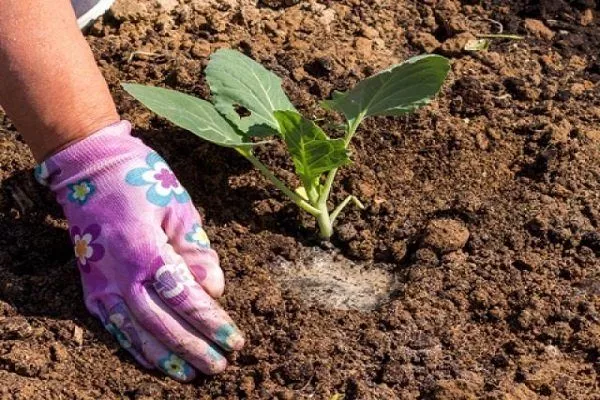
- Transplanting. Press it into the soil to the level of the bottom leaf. Sprinkle dry soil around it to retain moisture.
- Insulation of plants. To help the plants establish themselves, cover them with a water- and air-permeable non-woven fabric for two weeks. If desired, you can leave it on until they reach maturity. This will protect the plants from pests and ensure an optimal temperature.
Cabbage should be planted approximately 40 cm apart. The distance between rows should be at least 70 cm.
Sowing seeds in open ground
If the soil is loose enough, you can sow the seeds in furrows. Otherwise, loosen the soil and make small holes about 1 cm deep.
It is better to plant according to the 70 x 70 or even 80 x 80 pattern.
The procedure is recommended to be performed in mid-May, when the soil is already sufficiently warm. The outside temperature should not fall below 12 degrees Celsius.
In northern regions, cabbage is planted under plastic bottles or thermal film, which is removed when the weather first warms up.
For information on how to plant cabbage seedlings, watch the following video:
Care
The yield of the Gift cabbage depends on proper care.
Watering
Cabbage requires ample watering. Keep the soil around the plants slightly moist at all times. Apply water to the roots. In hot weather, mist the leaves with cool water.
Immediately after transplanting the seedlings, apply approximately 2 liters of water per plant. Once the head begins to form, increase the amount to 3-4 liters.
Loosening and weeding
You need to remember the rules:
- Weed removal. Remove them as soon as they appear. It's best not to wait until weeds start releasing seeds.
- Fluffing up the soil. This is one of the most important aspects of care. Ensure the soil around the plants is always loose. This procedure should be performed immediately after watering, as soon as the soil is saturated.
- Hilling. Don't do this too often. Hilling should be done 21 days after transplanting, and then again after two weeks. This will help the root system develop.
Top dressing
Fertilize after watering or rain.
In total, you need to apply fertilizer 2-3 times:
- 2 weeks after planting. Add urea solution.
- 5 weeks after planting. Fertilize plants with potassium and superphosphate.
- 8 weeks after planting. Similar to the 2nd. Conducted in case of severe soil depletion.
- Two weeks before planting, add 50 g of superphosphate and 30 g of potassium sulfate per 1 m².
- Three weeks after planting, fertilize with a mullein solution (1:10), 0.5 l per plant.
- At the beginning of head formation, add 20 g of ammonium nitrate per 1 m².
Be careful when choosing fertilizer, as it can affect the taste of the fruit.
Fertilizer can be applied as needed, paying attention to the following external signs of plants:
- Slow growth. It is necessary to enrich the soil with a nitrogen solution.
- Purple tint of leaves. It is better to add superphosphate.
- White spots on the leaf surface. Add potassium fertilizers.
Harvesting and storage
Harvesting usually takes place around mid-October. Cabbage maturity is indicated by the firmness and firmness of the head, as well as its large size. It's best to harvest in cool weather, as this will help the vegetables store better. However, it's best to harvest before frost.
If you plan to pickle cabbage, you can leave it in a light frost; this will make it sweeter.
The heads of cabbage should be pulled out along with the roots. Then the stalk is cut off at a distance of 4 cm from the head. This procedure is not necessary if you plan to harvest the cabbage for seed.
Next comes sorting. Only firm heads can be stored; loose ones are prepared immediately, fermented, or pickled.
It is recommended to store the cabbages in cool cellars or basements, placing the heads on wooden shelves. The temperature should not exceed 5 degrees Celsius. Optimal humidity is 90%.
If all conditions are met, cabbage can retain its qualities for up to 6 months.
Seed harvesting
To guarantee a good harvest of Podarok cabbage, you can harvest the seeds yourself. The process is simple and can be done at home. To do this, take a head of cabbage from last year's harvest. It should be large and dense, and only heads pulled out by the roots should be used.
The following steps need to be taken:
- Carefully cut out the stalk, being careful not to damage the apical bud. It is located inside the head.
- Plant the cabbage stalk root-side down in a garden bed. Make sure there are no plants from the cruciferous family nearby, otherwise you could end up with a hybrid. Care for the mother cabbage as you would regular cabbage.
- As soon as the stems begin to appear, tie them to a stake, being careful not to damage them.
- Once the seed pods turn yellow, remove the stalk from the soil. Otherwise, the seeds may fall out.
- Cut the stems and lay them out on a cloth or film in a warm place to dry thoroughly.
- Thresh the pods with a wooden block. A wooden shovel handle will also work.
- To separate the seeds, pass the resulting mass through a sieve or scatter it in the wind.
- Dry the seeds again and put them in a dry, dark place until planting.
The resulting seeds can be stored for 5-10 years.
Diseases
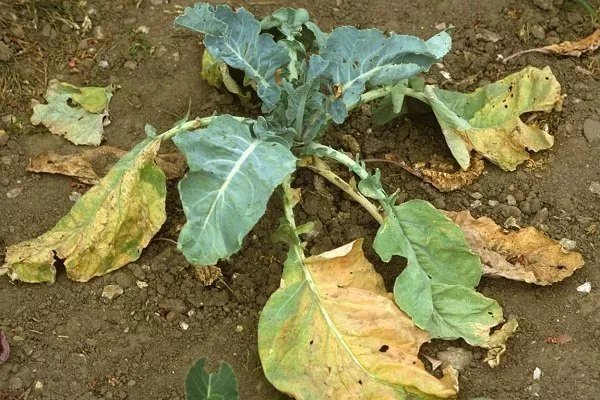
The Podarok cabbage variety has a relatively high immunity to common diseases. However, if planted incorrectly, it can be susceptible to clubroot and blackleg.
Avoid development of cabbage diseases Preventive measures will help:
- Correct fit. Care must be taken to select suitable predecessor crops. It's also important to rotate the cabbage planting location each time. The plant can be replanted in the same location only after three years.
- Good neighborhood. If you plant cabbage next to onions and garlic, it will be more protected from diseases.
- Soil cultivation. The soil should be safe and nutrient-rich. After watering, loosen the soil with ash.
- Seed harvesting. They need to be disinfected before planting.
- Maintaining optimal water regime. The soil should not dry out, but excessive moisture should not be allowed either.
- Preventive treatments. There are special disinfectant solutions available in stores. They should be applied to the soil before planting and at the first sign of disease.
- Sorting. If individual plants are infected, they should be removed and destroyed. The remaining cabbage should be treated with a special agent.
Pests
There are several types of pests to which the Gift cabbage is vulnerable:
- Aphid. The most dangerous pest, since it is almost impossible to save cabbage from it.
Preventative measures: Before planting, treat the seeds with a garlic solution. To do this, add 3 crushed cloves to 50 ml of hot water. Submerge the seeds in the solution as soon as the temperature drops to 50 degrees Celsius (122 degrees Fahrenheit). Leave the solution for 1 hour. - Cruciferous flea beetles. These parasites gnaw through the leaves of plants, which leads to their rapid wilting and death.
You can prevent their appearance by weeding your cabbage beds regularly. You can also spray the leaves with a chamomile solution. If large areas of plants are infested, you can get rid of the flea beetles with chemicals. Anabasine sulfate, at a ratio of 10 g per 10 liters of water, is suitable. - Cabbage fly. Destroys the plant by eating it at the roots.
To prevent this from happening, add ash or red pepper to the soil while loosening. - Snails and slugs. They eat the cabbage leaves, which makes it unsuitable for consumption and causes a loss of marketable appearance.
An excellent way to combat them is to breed toads in your garden, which eat the pests. You can also treat the soil around your cabbage with lime or crushed eggshells. - Cabbage moth. This butterfly is active at night. It feeds on cabbage leaves and lays its eggs in the cabbage heads.
The best way to prevent butterfly infestations is to properly prepare the soil in the fall. You can also treat the leaves with chemicals. - Cabbage white butterfly. The caterpillars of this butterfly cause irreparable damage to the commercial quality of vegetables by gnawing small holes in the leaves.
They can be collected by hand. If there are numerous caterpillars, the leaves are sprayed with a solution of Intavir at a rate of 1 tablet per 10 liters of liquid. This treatment is carried out in dry weather. The solution should be reapplied after 10 days.
You can repel insects by planting plants with a strong scent around the perimeter of the bed - calendula, marigolds, sage.
Reviews
The most informative reviews:
To get a good harvest of Podarok cabbage, you need to ensure proper care of the plants. Buy seeds in specialized stores, or, better yet, harvest them yourself. Growing this variety guarantees vegetables suitable for sale and consumption in any form.