
Chinese cabbage is a delicious and healthy vegetable that has outshone many other members of the cabbage family. Its succulent leaves are ideal for vegetable salads, and the heads can be stored for several months. Let's learn about the different ways to grow this cabbage, how to plant it, and how to get a bountiful harvest.
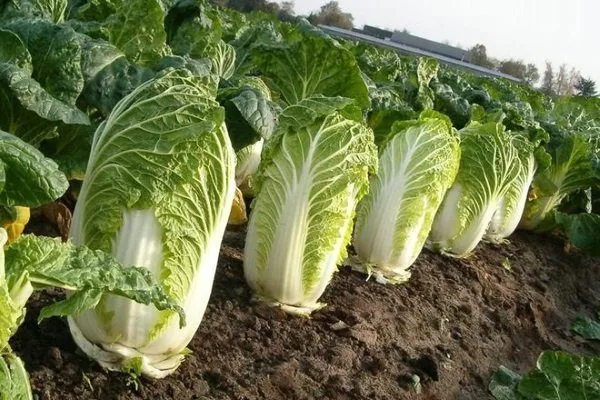
What is Chinese cabbage?
Chinese cabbage (Brassica rapa pekinensis), or pe-tsai, is a biennial plant. It is cultivated as an annual vegetable, yielding three harvests per season. This vegetable crop appeared on the Russian market relatively recently—about 7-8 years ago. Initially considered exotic by Russians, "Pekingka" is now a popular food product, enjoying steady demand regardless of the season.
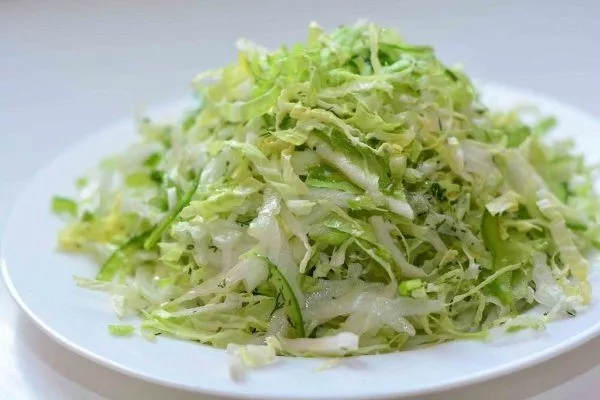
Chinese cabbage is an essential culinary ingredient. It boasts valuable nutritional value, a soft texture, and juiciness, pairing well with meat, fish, and vegetables. It's included in a wide variety of dishes, including salads, soups, cabbage rolls, and more.
Cabbage ripens in the fall, but when grown in a greenhouse, it grows year-round. During the warmer months, when greenhouse growers don't spend money on heating and seasonal vegetable competition appears, the price of Chinese cabbage drops.
Botanical description
The leaves are succulent and tender, gathered in a head or rosette. The color is green or light yellow, depending on the variety. Each leaf has a midrib, and the edges are wavy or serrated. The underside of the leaves is pimply. The cylindrical heads have oblong leaves. When cut, the heads are yellowish-green, whitish-green, or yellowish-white—the color varies.
The main feature and difference between "Chinese cabbage" and other types of cabbage is the absence of a stalk.
Origin
Chinese cabbage got its name for a reason; its origin is China. The first mentions of this vegetable date back to the 5th century. According to ancient records, the Chinese used this cabbage not only as a vegetable but also as an oilseed. This cabbage remains an important crop in China today, and it is cultivated throughout the country.
Spread of culture
Pekin cabbage spread beyond China gradually, first reaching Japan via northern China and the Korean Peninsula. In the 20th century, Japanese breeders developed many varieties and hybrids of Pekin cabbage, which surpassed their predecessors in early maturity, yield, and taste.
When Peking cabbage hit the European and American markets, it caused a real sensation. Its superb flavor quickly captivated local consumers, and farmers rushed to grow the new variety en masse. In Russia, Peking cabbage has been known for about 10 years, and it continues to be actively introduced into domestic vegetable production.
Benefits, harms and composition
Chinese cabbage is prized for its low calorie content. 100 grams contains only 14 kcal—half as many as cauliflower and cabbage. Nutritional value:
- proteins – 31.5%;
- carbohydrates – 64%;
- fats – 5%.
Peking cabbage contains a huge amount of useful substances, especially:
- vitamin C – participates in tissue regeneration and accelerates recovery after viral infections;
- vitamins A, E, K, B2, B6, B9;
- mineral salts;
- ascorbic, nicotinic, folic acidt – the latter is especially useful for the female body;
- microelements – iodine, zinc, manganese, iron, fluorine, selenium, potassium, calcium;
- lutein – helps maintain visual function;
- natural sugars – they are safe for your figure;
- fiber – removes toxins and waste.
Beneficial properties:
- improves the functioning of the cardiovascular system;
- improves immunity;
- strengthens the nervous system,
- helps cope with stress and migraine attacks;
- improves the functioning of the gastrointestinal tract;
- promotes the formation of blood cells – prevents anemia;
- lowers cholesterol.
Contraindications:
- pancreatitis;
- increased acidity;
- peptic ulcer.
Nursing women are advised to consume Chinese cabbage with caution. In general, this vegetable should be consumed in moderation. Overeating can lead to stomach upset.
Popular varieties
All varieties of Chinese cabbage are classified by maturity time. There are three categories: early, mid-season, and late. Universal varieties are especially prized, as they are suitable for growing in a variety of climates. Early cabbage is grown under cover or in greenhouses.
Most of the varieties listed below are suitable for growing in temperate climates; in northern regions, they require overnight shelter. Table 1 lists popular varieties of Chinese cabbage.
Table 1
| Variety | Ripening time | Weight of cabbage head, kg | Note |
| Russian size | 75-80 | 3-4 | This hybrid can grow in challenging conditions. The heads are elongated, with wavy leaves. The outside of the leaves are soft green, while the inside is creamy yellow. |
| Orange tangerine | 40 | 0.8-1.2 | One of the earliest maturing varieties. It can be planted not only in spring but also in early summer, allowing for multiple harvests. Suitable for Siberia. |
| Martha | 40 | 1-1.5 | Excellent taste. Early cabbage with medium-sized heads. Resistant to leaf-sprouting. |
| Pomegranate | 70-80 | 2-2.5 | Large, elongated heads. Dark green leaves. High disease resistance. |
| Hydra F1 | 60 | 3-44 | Oblong heads with dark green leaves. The heads are lush and semi-open. The flavor is excellent. |
| Victoria | 50-55 | 1.2-4 | It has a long shelf life and retains its flavor for three months. The heads are large, loose, and cylindrical. The cabbage is juicy and suitable for making juice. |
| Cha-cha | 55-60 | 2.5-3 | An early-ripening hybrid, suitable for temperate climates. Grown from seedlings and seeds. |
| glass | 70 | 1.5-2 | The heads are dense and a pleasant light green color. This variety is heat-loving and recommended for southern regions. |
| Manoko F1 | 50 | 0.8-1.5 | The heads are barrel-shaped. The leaves are broadly oval and vesicular. The hybrid is resistant to leaf bolting. |
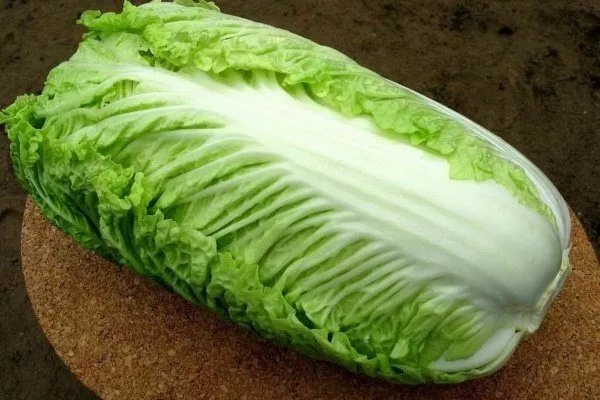
Chinese cabbage (Russian size)
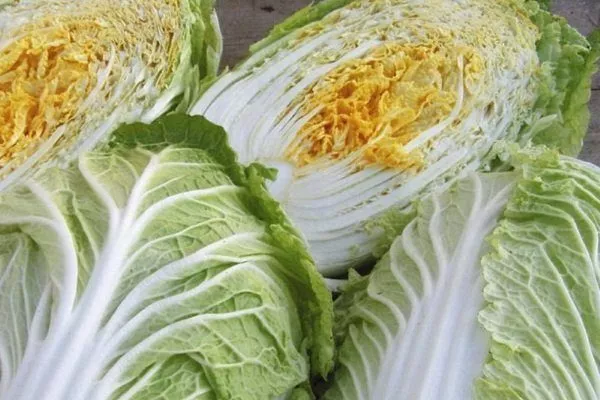
Chinese cabbage Orange mandarin
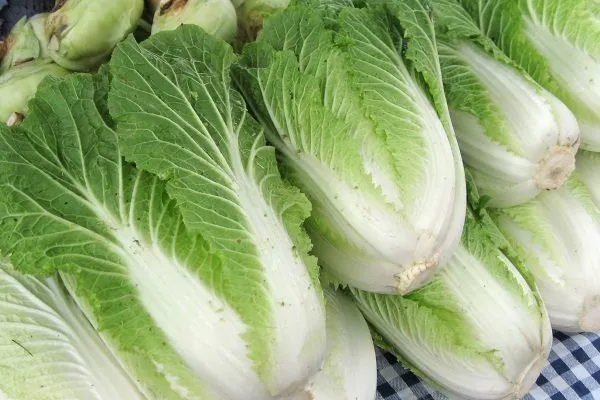
Chinese cabbage Marfa
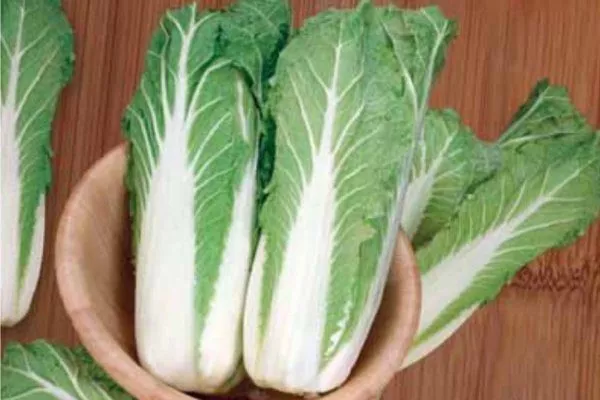
Chinese cabbage Pomegranate
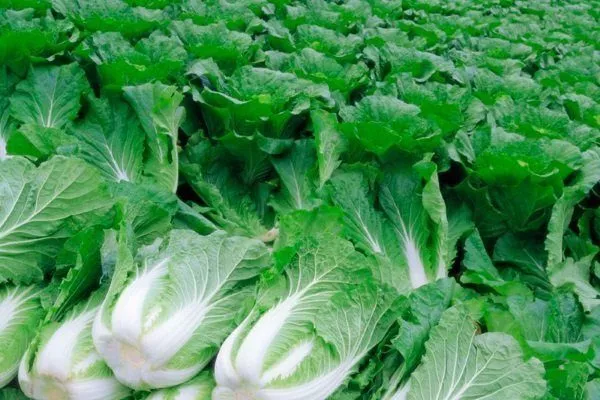
Chinese cabbage Hydra
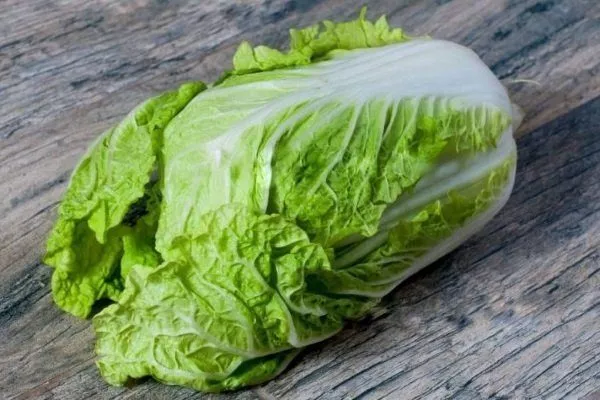
Victoria Chinese cabbage
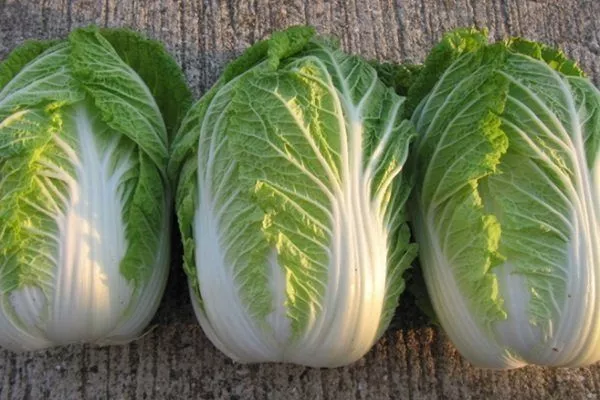
Chinese cabbage Cha-Cha
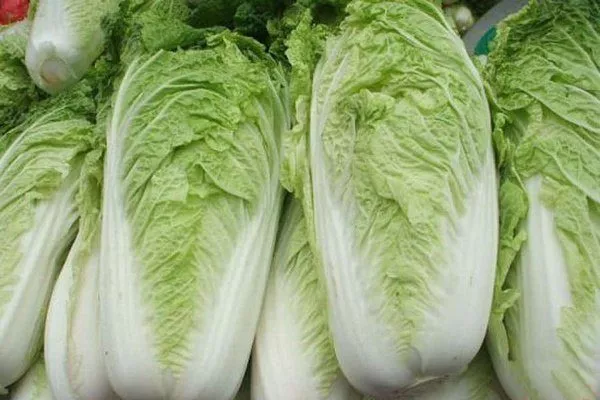
Chinese cabbage glass
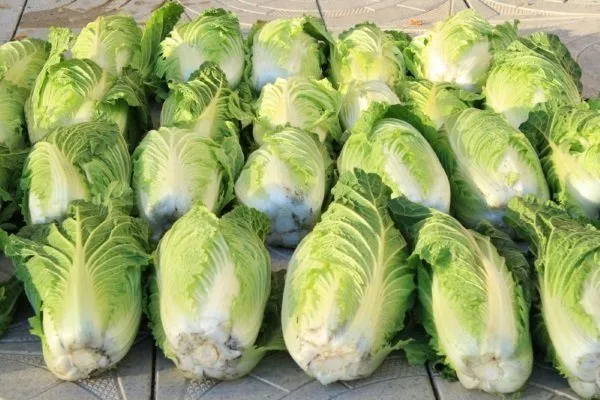
Chinese cabbage Monaco
The best predecessors
It's recommended to grow Chinese cabbage after legumes and grains. The best predecessors for Chinese cabbage are crops that leave the soil with sufficient nutrients.
Favorable precursors:
- tomato;
- potato;
- zucchini;
- cucumbers;
- onion;
- carrot.
It is not recommended to plant Chinese cabbage in areas where crops with which it shares pathogens were grown. Undesirable precursor crops include other cabbage varieties and beets.
How to plant Chinese cabbage seedlings?
Seeds for seedlings are sown 30 days before planting in the ground or greenhouse. For an early harvest, seeds are sown in late March or early April. To obtain cabbage seedlings for winter consumption, seeds are sown in late June.
Preparing seeds for planting
If seeds are purchased from a seed store, they don't require any special treatment. They don't require pre-sowing treatment; they can be planted directly into the substrate. However, if you're using home-grown seeds, you should germinate them to identify any that won't germinate.
How to germinate Chinese cabbage seeds:
- The seeds are laid out between layers of cloth soaked in water.
- Place the seeds in a warm place for germination.
- After 3-4 days, healthy seeds begin to sprout. The sprouted seeds are planted in containers filled with substrate. After 4-5 days, seedlings emerge.
It is recommended to treat home-grown seeds with an antifungal agent. Soak the seeds in hot water (50°C) for 15 minutes, then immerse them in cold water for a couple of minutes. Dry the seeds before planting.
Preparing the soil for sowing
Seedlings are grown in loose soil. One of the best options is coconut substrate—it's made from the dried and crushed remains of coconut shells. This loose, breathable substrate allows for the growth of select, healthy, and strong seedlings. It's recommended to mix the substrate with compost in a 2:1 ratio. Ash is added to improve the nutritional value of the substrate.
The second option for creating a loose and nutritious soil mixture for growing seedlings is a sod-peat mixture. The ingredients are mixed in equal parts.
Sowing seeds for seedlings
Chinese cabbage does not tolerate transplantation well. To avoid transplanting, sow seeds in individual containers rather than in shared containers. Peat pots or trays are the best option. Their advantage is that they can be planted in the ground along with the seedlings. This approach avoids the stress that comes with transplanting cabbage seedlings.
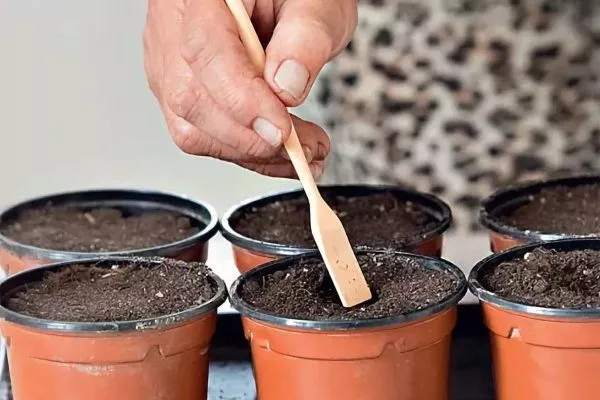
Sowing order:
- 2-3 seeds are planted in each pot at a depth of 0.5-1 cm.
- They water the crops.
- Place in a warm place. The crops do not require light during this period.
- When the seedlings appear, the pots are moved closer to the light.
Caring for seedlings
Seedlings need a lot of light, the optimal temperature for growth and development is approximately +10°C.
Care instructions:
- Regular watering. The substrate is moistened as needed. Warm, settled water is used for irrigation.
- Loosening. After watering, the soil is carefully loosened.
- Thinning. When the seedlings develop their first true leaves, the excess plants are removed. Only one, the strongest and healthiest seedling, should remain.
The seedlings are ready for planting when they have 4-5 true leaves. This occurs approximately 30 days after sowing. Watering should be stopped 3-4 days before planting in their permanent location.
How to transplant Chinese cabbage seedlings into open ground?
If seedlings are grown in peat pots, there's no need to remove them—they're placed in the holes along with the containers. Over time, the containers will mix with the soil, providing the plants with additional nutrition.
Eight to ten days before planting, the seedlings are hardened off by being brought outside. The hardening time is gradually increased to one day, after which they are planted.
The area where the seedlings will be planted is prepared in advance, in the fall or spring. The soil is dug deeply, removing plant debris. Humus or compost is added during the fall tillage.
Seedlings are planted according to several schemes:
- To ensure large heads of cabbage, seedlings are planted according to a 35x35 cm or 50x50 cm pattern.
- If cabbage is grown for its salad leaves, a 30x25 cm pattern can be used.
Disembarkation order:
- Before planting seedlings, prepare holes corresponding to the root system of the seedlings.
- Place a tablespoon of superphosphate, urea and wood ash in each hole.
- The peat pot is carefully placed into the hole and covered with soil.
- The planted plant is watered at the roots. The water should be warm.
During the first two weeks, it is recommended to cover the plantings with plastic film at night. Remove the film in the morning.
To ensure the formation of high-quality heads of cabbage, the daylight hours for planted seedlings are artificially reduced.
The video below shows how an experienced gardener plants Chinese cabbage seedlings in open ground:
Growing from seeds
The direct-seeding method eliminates the need for transplanting, simplifying the cultivation of Chinese cabbage. Seeds are typically planted outdoors for a late harvest—for use in the fall and winter.
Planting times for Chinese cabbage
The timing of planting Chinese cabbage depends on the region's climate and weather conditions. Sowing begins as soon as the soil warms up.
When choosing planting dates, consider the first frost and the variety's ripening time. If, for example, the first frost occurs in early September, late-ripening varieties won't have time to ripen. However, in southern regions, late-ripening varieties can easily be grown.
When sowing seeds directly into the soil, three sowing times are recommended:
- April 25 - May 5;
- May 20 - June 1;
- at the beginning of August.
The vegetable should not be sown from June to mid-July, as these crops will develop flowering. The optimal temperature for the development of Chinese cabbage is between 16 and 22°C. Table 2 shows seed sowing times for different growing methods (for temperate regions).
Table 2
| Growing method | Early ripening varieties | Mid-season | Late-ripening |
| Seedling | mid-March - mid-April | beginning of April | they don't plant |
| Sowing in open ground | May | May | end of July – first ten days of August |
| Sowing in greenhouse soil | April | April | mid-August |
Planting scheme
When sowing Chinese cabbage directly into the soil, precision is essential—seeds are immediately distributed among their respective holes. The distance between adjacent holes depends on the variety:
- for early varieties - the interval between adjacent holes is 30-40 cm;
- for late varieties – 45-50 cm.
If for some reason the plantings turned out to be too close together – perhaps the gardener wanted to be on the safe side and sowed the seeds too close together – they will have to be thinned out.
Early-ripening leafy varieties are sown at intervals of 10 cm. When the plants develop leaves, they are picked for salads, freeing up space for other plants.
Sowing seeds in the ground
The procedure for sowing in open ground:
- On the prepared beds – dug over and fertilized – markings are made in accordance with the planting scheme.
- Sowing can be done in two ways: in furrows or in individual holes. The best option is to make a small ridge with holes spaced 25-30 cm apart. In a furrow, seeds are sown more densely, 10 cm apart. Any excess seedlings are then removed.
- Place several seeds in each hole—2-3 is enough. Plant at a depth of 1.5 cm.
- The planted seeds are sprinkled with soil and lightly compacted with the palm of the hand.
- After a couple of weeks, the seedlings are thinned out, leaving the best sprout.
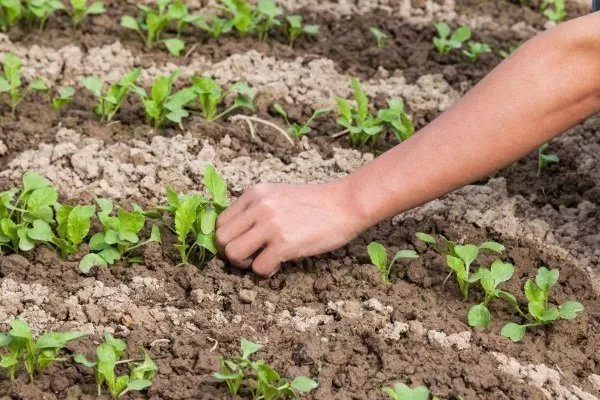
Experienced gardeners advise covering sprouts with plastic bottles with open lids to prevent cabbage whites, cruciferous flea beetles, and slugs from attacking the tender shoots.
Caring for cabbage in the garden
To ensure Chinese cabbage grows tasty and large, it's important to provide it with everything it needs during growth—protect it from adverse environmental influences, water and feed it promptly, and protect it from diseases and insects.
If the seedling method of cultivation is used, it is recommended to cover the young plantings with a special cloth - agrofibre or lutrasil.
Advantages of growing under cover:
- The cover protects the cabbage from both cold and scorching sun. Young plants thrive in temperatures ranging from 13 to 25°C, creating a favorable microclimate under the cover.
- Protects roots from rot during the rainy season.
- Saves plants from cruciferous flea beetles.
Half a month after planting the seedlings, the beds are mulched—sprinkled with peat or chopped straw. This agricultural technique helps retain moisture in the soil and prevents weed growth. Mulching eliminates the need for hilling. Loosening the soil is only necessary at the initial stage; once the plants grow, loosening can be dispensed with.
Watering
For full development, cabbage requires regular watering. Water generously. The recommended frequency is once a week. Use warm water, applying it only to the roots; water splashed on the leaves will cause burns. The best time to water is in the morning or evening, after sunset.
Overwatering is unacceptable, as it can cause root rot. The recommended soil moisture level is 65%.
Top dressing
Chinese cabbage is a fast-growing crop and responds very well to fertilization. Two to three applications of fertilization can significantly increase yield. However, it's important to remember that this vegetable quickly absorbs nitrates, so excessive application of mineral fertilizers is not recommended during the growing season. Fertilization frequency and composition are listed in Table 3.
Table 3
| Fertilizer application period | Compound | Note |
| 10-14 days after planting the seedlings | Fertilizing options (per plant – 1 liter of solution):
— mullein infusion solution – take 1 kg per bucket of water; - a solution of bird droppings infusion, 0.5 kg per bucket of water; - infusion of nettle and grass. | If the crop was planted in the spring, this feeding is done three times. Plants planted in the summer are fed twice. |
| 2 weeks after the first feeding | Complex fertilizer. | Apply according to the instructions. |
| 2 weeks after the third feeding | Organic matter is added again. | The norms are the same as for the first feeding. |
To increase yields, foliar feeding can be used in addition to root feeding. For example, a solution like this involves dissolving 2 g of boric acid in 1 liter of boiled water. When the acid dissolves, add cold water to make a total of 10 liters. Spray the cabbage with the resulting solution in the evening.
The following video explains how to fertilize Chinese cabbage during head formation:
Bloom
Chinese cabbage is a short-day plant. It requires short days for heads to form. Conditions favorable for head formation are observed in spring and fall. If daylight is long—more than 12 hours—and it's hot outside, the plant may bolt. It flowers before the heads form. To prevent flowering, temperatures should not exceed 20°C.
- ✓ The optimal temperature for the growth and development of Chinese cabbage should be maintained in the range from +16 to +22°C.
- ✓ Daylight hours should not exceed 12 hours to prevent bolting.
Features of growing in a greenhouse
The advantage of growing Chinese cabbage in a greenhouse is the ability to create optimal growing conditions. Daylight hours, temperature, and humidity can be controlled. A heated greenhouse is the best option, as it allows for year-round cultivation.
- ✓ Hybrids have a higher resistance to flowering than varietal plants.
- ✓ For greenhouse cultivation, early-ripening hybrids with a ripening period of 40-50 days are preferable.
Growing features:
- Chinese cabbage can be used to thicken tomato and cucumber plantings.
- For greenhouses, early-ripening hybrids with a maturity period of 40-50 days are recommended. Cabbage yields reach one ton per 0.5 square meter. The best hybrids for greenhouse cultivation are Spring Jade F1 and Spring Beauty F1.
- The soil in the greenhouse should be light and fertile. Before sowing the seeds, the soil should be disinfected by steaming or watering with a copper sulfate solution. This is especially important if blackleg, clubroot, or other cabbage diseases have been previously observed in the greenhouse.
- Sowing in a greenhouse begins in early March or even earlier. This is if the greenhouse is heated; if using unheated greenhouses, sowing occurs later, in late March.
- In greenhouses, any method of cultivation can be used – direct sowing of seeds or seedlings.
- Greenhouse care involves regular soil moistening, fertilizing and thinning.
Diseases and pests
Thanks to its short growing season, Chinese cabbage rarely gets sick. However, there are plenty of people who want to eat its succulent leaves, including:
- cruciferous flea beetle;
- aphid;
- slugs;
- cabbage butterfly caterpillars;
- cruciferous bug.
To prevent insect attacks, the following preventive measures are used:
- destroy weeds in time;
- sow seeds on time and cover the plantings with special cloths;
- observe crop rotation;
- plant onions, petunias, marigolds and other plants nearby that repel pests;
If cabbage crops are infested with flea beetles, they should be sprinkled with a mixture of ash and tobacco dust, mixed in equal parts. Cabbage can also be treated with Fitoverm. If the infestation is severe, Aktara and other potent insecticides can be used.
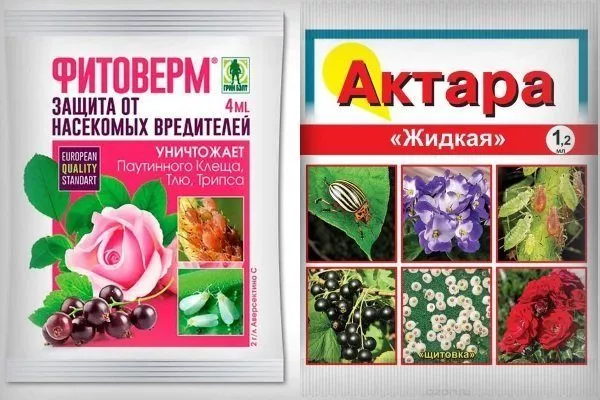
Chinese cabbage can be affected by mosaic, clubroot, white rot, blackleg, downy mildew, and tracheomycosis. The following methods are used for control and prevention:
- sprinkle with wood ash - helps against powdery mildew, both true and false;
- spray with "Binoram" - against bacterial rot;
- carry out pre-sowing treatment of seeds;
- Preventing overwatering - to avoid black leg, if the disease does affect cabbage, use Fitosporin or Bordeaux mixture.
Harvesting and storing Chinese cabbage
The harvesting time and storage life of Chinese cabbage depend on the variety. The heads are cold-resistant, able to withstand temperatures down to -5°C. Therefore, there's no need to rush harvesting.
Varieties planted in the second half of summer ripen in September. Late-ripening varieties are harvested in mid-October. Early-ripening varieties are not used for winter storage, but cabbage planted in July will keep until the New Year.
Collection and storage features:
- Harvest the heads before frost sets in. Frozen cabbage won't keep.
- Do not allow the cabbage to become overripe - overripe heads have a worse taste and do not store well.
- Cabbage is not watered before harvesting.
- Only fully formed, healthy heads of cabbage, without rotten or damaged leaves, are stored for long-term storage.
- Store the heads of cabbage in a cellar or refrigerator. Wrap them in plastic wrap or place them in plastic bags. Airtight packaging isn't necessary—they need some air circulation.
- Apples and other fruits should not be stored near Chinese cabbage.
- To prevent condensation from forming under the film, the heads of cabbage are cooled for 3-4 hours before being placed in the packaging.
- If you don't pack the heads of cabbage, they will last no more than 10 days.
- The leaves can be frozen after being placed in bags.
- To store cabbage heads in a cellar, they are uprooted. They are placed in boxes filled with moistened sand, which is then sprinkled over the roots. They can also be stored in bags, which are placed in boxes.
- The temperature in the cellar should be between 0 and +3°C. Optimal humidity is 95%.
- Every two weeks, the heads of cabbage are examined for rotten and dry leaves, and if any are found, they are torn off.
Common mistakes
The most common mistakes gardeners make:
- Incorrectly sowing seeds at the wrong time can lead to bolting. Incorrectly planting seedlings at the wrong time can have a similar effect. Those who doubt success are advised to use hybrids, as they have a weaker bolting rate.
- If plantings are too dense, the plants don't receive adequate nutrition and space to grow, leading to some of the crops blooming. To prevent this, it's important to maintain proper planting spacing and thin the plants as needed.
- When seedlings are planted in cold soil, they stop growing. As a result, they don't have time to mature, and they often sprout stems.
- Extreme heat also promotes bolting. If temperatures rise above 22°C, consider creating artificial shade for the plantings by throwing a special shade cloth over them.
- If the cabbage is not harvested in time, it will bloom.
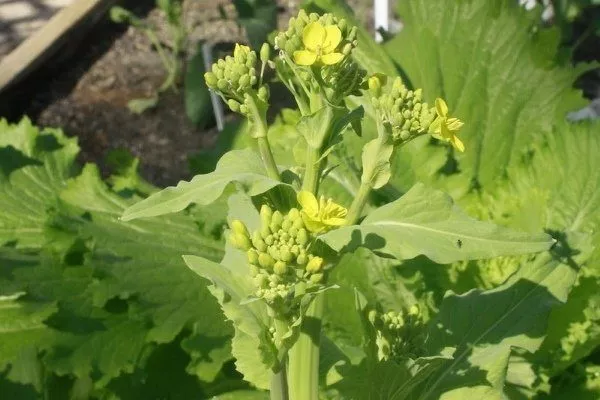
Chinese cabbage flowering
Reviews
There are several important nuances to growing Chinese cabbage. The key to a successful harvest is timely sowing of the seeds. Mistake the timing, and instead of juicy heads, you'll end up with a flowering plant. Otherwise, the cultivation techniques for Chinese cabbage are fairly straightforward—every gardener can grow this vegetable.