
Nozomi F1 is a Japanese-bred achievement. This hybrid has gained popularity among domestic gardeners and farmers due to its early maturity, high yield, and excellent marketability of the heads. It is grown not only in open ground but also in greenhouses for a June harvest.
Origin of the variety
The Nozomi white cabbage hybrid was developed in France by Japanese specialists at Sakata Vegetables Europe. It was added to the Russian state register in 2007.
Key Features
This vegetable variety has become a favorite among domestic gardeners for its many excellent attributes. In addition to early maturity and high yield, it also boasts the following characteristics:
- the yield of marketable products (there are few deformed heads of cabbage when growing this hybrid) is more than 90%;
- friendly ripening of the harvest;
- resistance to the main cabbage diseases, fruit cracking, and top burn;
- good transportability of the crop;
- does not spoil for a long time in the garden.
Description of the Nozomi cabbage variety
| Name | Ripening period | Disease resistance | Cabbage head size |
|---|---|---|---|
| Nozomi F1 | 55-60 days | High | 1.3-2.8 kg |
| Angelina | 60-65 days | Average | 1-1.2 kg |
| Express | 50-55 days | High | 0.8-1.5 kg |
| Aurora | 65-70 days | Average | 0.9-1.8 kg |
| Admiral | 70-75 days | Low | 0.8-1.8 kg |
Japanese hybrid plants have the following distinctive features:
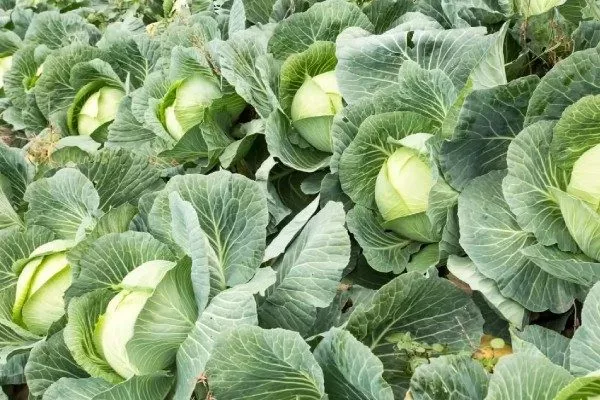
- strong, have high growth energy;
- raised rosette of leaves;
- small leaves of grey-green color with a bubbly surface;
- slightly wavy leaf edge.
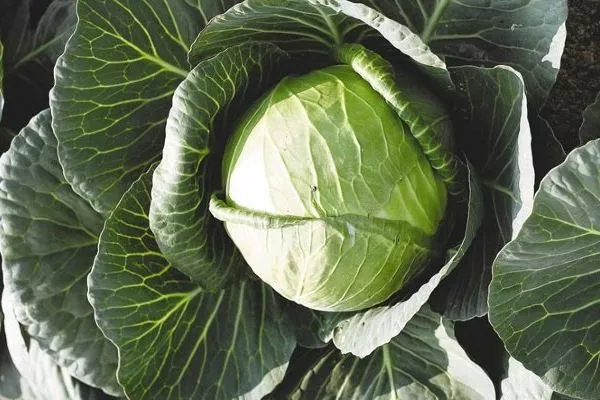
Nozomi cabbage heads deserve special attention. They are distinguished by their compact size and attractive appearance. They also possess other characteristics:
- weight - from 1.3 kg to 2.8 kg;
- rounded shape;
- density - 4.5 out of 5;
- green leaves, glossy, with a waxy coating;
- yellowish color of the leaves inside the head of cabbage;
- short inner stalk.
Taste and purpose
The cabbage of this hybrid variety is juicy and has a delicate, slightly sweet flavor. Homemakers use it primarily in a vitamin-rich salad, fresh. It can also be added to soups and stews.
Ripening and yield
Nozomi is an early-ripening vegetable variety. Heads of cabbage mature 55-60 days after planting the seedlings in the garden. The growing season lasts 103-120 days (depending on growing conditions). From sowing the seeds to transplanting the seedlings into the garden, it takes 1.5-2 months.
Summer residents harvest at the following times:
- in June, if you sow seeds for seedlings at the end of February or in the first days of March;
- in July-August - later sowing.
The hybrid has a high yield of 10-12 kg per square meter. In commercial cultivation, up to 31,500 kg are harvested per hectare.
Chemical composition and beneficial properties
This type of white cabbage possesses numerous medicinal properties due to its rich chemical composition. The nutritional content per 100 g of product is as follows:
- carbohydrates - 5.8 mg;
- proteins - 1.28 mg;
- fats - 0.1 mg;
- potassium - 170 mg;
- calcium - 40 mg;
- phosphorus - 26 mg;
- sodium - 18 mg;
- magnesium - 12 mg;
- iron - 0.47 mg;
- zinc - 0.18 mg;
- ascorbic acid - 36.6 mg;
- vitamin PP - 0.234 mg;
- tocopherol - 0.15 mg;
- vitamin B6 - 0.124 mg;
- K - 0.076 mg;
- B1 - 0.061 mg;
- A - 0.03 mg.
Which regions is it best suited for?
Nozomi can be grown from seedlings in Siberia and the North Caucasus. The hybrid is also successfully cultivated in other regions of the Russian Federation, including the south.
Differences from other varieties and hybrids
This hybrid vegetable crop is on par with other white cabbage varieties in terms of its leading position. Table 1 lists the key characteristics of early cabbage varieties.
Table:
| Name | What shape does the head of cabbage have? | Weight, kg | Yield rate, kg per 1 ha |
| Nozomi | rounded | 1.3-2.8 | 31500 |
| Angelina | rounded | 1-1.2 | 44500 |
| Express | rounded | 0.8-1.5 | 40,000 |
| Aurora | rounded | 0.9-1.8 | 44500 |
| Admiral | oval | 0.8-1.8 | 29100 |
Advantages and disadvantages
Nozomi cabbage has won the love of domestic gardeners thanks to its undeniable advantages:
The hybrid also has its disadvantages:
How and when to plant?
To successfully grow this variety of vegetable, you need to know when and how to plant it correctly.
- ✓ The optimal soil temperature for sowing seeds should be at least +10°C.
- ✓ The distance between plants when planting should be at least 50 cm to ensure sufficient space for growth.
Growing without seedlings
Domestic gardeners cultivate nozomi from seedlings. However, in southern regions, sowing seeds directly into the soil under plastic cover is acceptable.
Do this at the beginning of May step by step:
- Add humus or compost to the soil dug up in the fall.
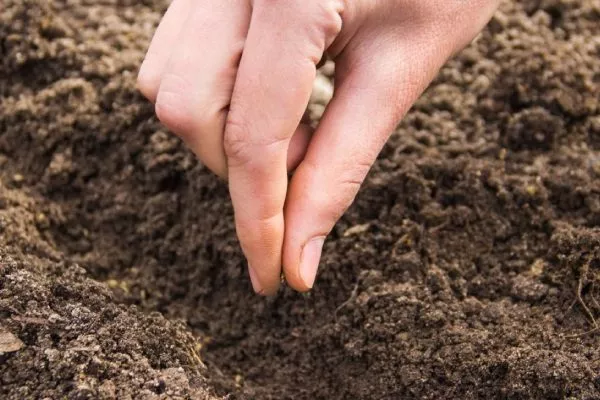
- Place the seeds into pre-made planting furrows to a depth of 1.5-2 cm.
- Cover them with a layer of soil.
- Water it.
- Cover with plastic. Once sprouts appear, remove the covering.
Seedling method of cultivation
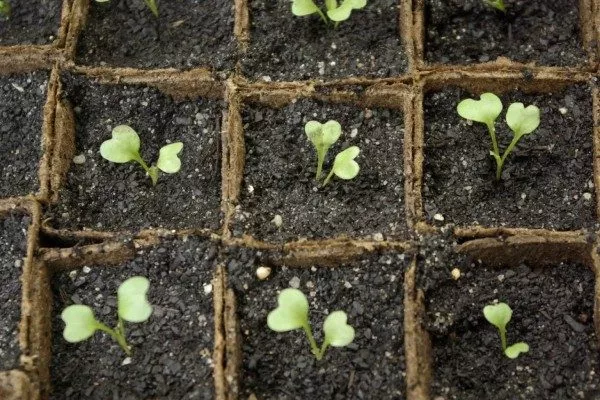
Sow the hybrid seedlings in the first ten days of March. Grow the seedlings on a windowsill or in a greenhouse, following these guidelines:
- Sowing occurs in boxes filled with a mixture of turf and humus (1:1) with the addition of superphosphate (15 g per 10 kg) and potassium chloride (6 g per 10 kg of mixture).
- Treat the seeds with a weak solution of potassium permanganate. Harden them by dipping them alternately in hot and cold water.
- Germinate the seeds on a damp cloth at +20-30°C.
- Plant them 1.5 cm deep in the soil. Water thoroughly and cover with plastic wrap. Seedlings will appear in 5-7 days.
Caring for seedlings at home
Proper care for Nozomi cabbage seedlings involves the following steps:
- regular and moderate watering with settled water;
- loosening the soil after each irrigation;
- watering two-week-old seedlings with a weak solution of potassium permanganate to prevent them from getting sick;
- transplanting the sprouts into separate containers after they have 2 true leaves;
- hardening (10 days before transplanting into open ground, take the boxes with seedlings out onto the balcony).
Transplanting cabbage into the garden
When the seedlings reach 7 cm in height and have strong stems with green leaves, transplant them into the garden. Select a plot with the following characteristics for planting the hybrid:
- solar;
- protected from drafts;
- where white cabbage had not previously been grown.
Prepare the planting site in the fall: dig the beds and add humus, manure, or compost. In April, enrich the soil with a mineral fertilizer high in potassium and phosphorus.
When transplanting seedlings into beds, follow these rules:
- carry out the procedure starting from the first days of May and until the middle of the month, on a cloudy day (in the morning or evening);
- planting pattern: 50x50 cm or 60x60 cm;
- When planting, add humus (500 g) to the holes in combination with ammonium nitrate (3 g), superphosphate (7 g), and potassium salt (4 g);
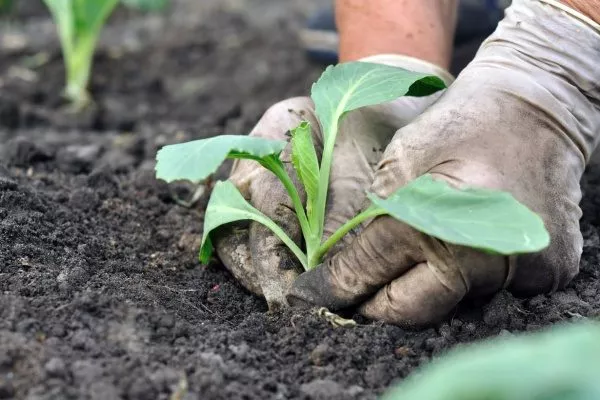
- Plant each seedling deep to the cotyledons and water.
Caring for cabbage in open ground
The Japanese hybrid is unpretentious in care, which consists of the following activities:
- Regular wateringWater the planting in the morning or evening, three times a week. Use 2-3 liters of water per mature plant. The soil should be moist to a depth of 50 cm. Use settled, warm water to water the cabbage bed. Stop watering two weeks before harvesting.
- Loosening the soilDo this after rain and irrigation of the beds, loosening the soil to a depth of 4 cm.
- WeedingAlong with loosening the soil, remove weeds that take moisture and nutrients from the vegetable crop.
- Mulching the garden bedUse peat moss. Create a 5 cm layer. Mulch will save you from frequent weeding.
- Hilling cabbageCarry out this procedure after the plant has 9 true leaves to help it grow new roots faster.
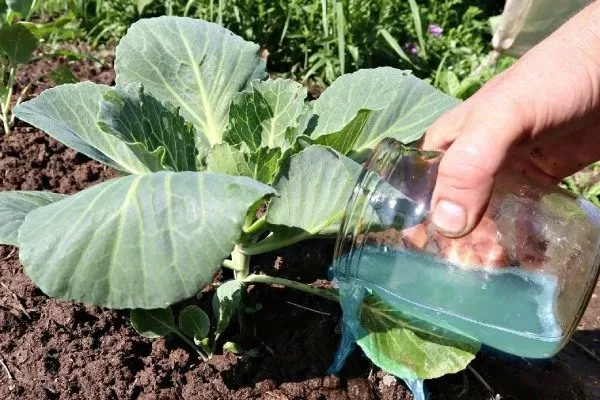
- Top dressingFertilize Nozomi 2-3 times during the season. Two weeks after planting, water the seedlings with a mullein solution (1:7). When the cabbage heads form, use a 1:10 solution of chicken manure with wood ash added (12 g per 10 l). After 20 days, fertilize the plantings with superphosphate.
Diseases and pests
If not properly cared for and under unsuitable growing conditions, cabbage is susceptible to diseases:
- KiloyThis fungal infection is promoted by increased soil acidity and waterlogging. The affected plant wilts, stunts, and develops growths on its roots. It cannot be saved. Destroy the affected bushes and water the soil with Bordeaux mixture.
- Dry rotIt is indicated by gray spots on the leaves and blackening of the stalk. The fungus causes the cabbage heads to rot. To avoid this problem, sprinkle the planting with wood ash three times (every 7 days).
- Bacterial infectionIt affects the plant's blood vessels. A foul-smelling slime appears on the cabbage. The disease is triggered by excess nitrogen in the soil and prolonged rainfall. It is important to monitor the condition of the cabbage heads after harvesting.
- SclerotiniaThe disease manifests itself as rot of the head of the plant. It is provoked by high soil moisture.
- NecrosisThe disease manifests itself as small black spots on the heads of cabbage. It is caused by overuse of fertilizers.
Nozomi is also susceptible to pest attacks:
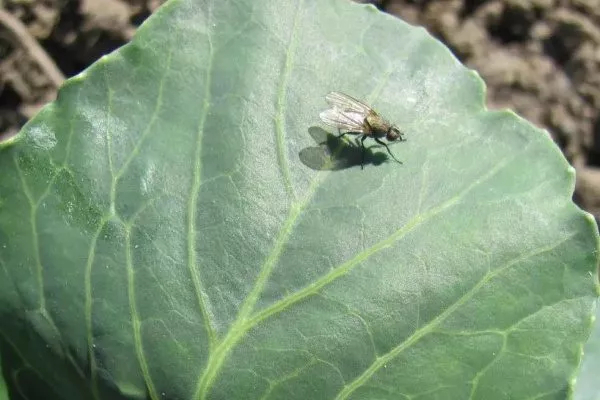
- Cabbage flyIts larvae feed on the stems and root system of cabbage. Treat the planting with tobacco dust mixed with ash. Sprinkle the mixture along the beds. It will repel the parasite.
- Noctuid mothsYou'll recognize it by its brown wings with longitudinal stripes. Cabbage beds are damaged by caterpillars that burrow into the cabbage head. Insecticides and strong-smelling plants like marigolds and calendula can help get rid of the pest.
- AphidsTo destroy the pest, spray the planting with a solution of tobacco dust and wormwood.
Harvesting and storage
Nozomi hybrid heads reach harvesting maturity as early as June (if sown in March). Harvest them by carefully cutting off the stem with a sharp knife. It's acceptable to harvest the cabbage a week later than the recommended harvest time. It won't crack or spoil if left in the garden.
Difficulties in growing
During the cultivation of this hybrid, the following complications are possible:
- The heads of cabbage turned out loose, and the leaves were not juicy enough. Something similar is observed with a lack of watering.
- Plants lag behind in development and wither. This is how clubroot manifests itself. Growths on the roots also indicate it.
- Black spots appeared on the heads of cabbage. Complications arise from the abuse of fertilizers.
Reviews
The Nozomi white cabbage hybrid is beloved by Russian gardeners for its early maturity, resistance to disease, and head cracking. It's a tasty and juicy cabbage that's perfect for sharing with your family in early summer.