
Mishutka cabbage is a variety recognized by gardeners for its reliability, productivity, and excellent taste. This hybrid combines high adaptability to a variety of growing conditions with exceptional flavor. It has become an indispensable vegetable in gardens and commercial plantings. Regular care is essential.
Description of the variety
Mishutka is a hybrid white cabbage with versatile properties.
Characteristics of the appearance of the plant and heads of cabbage
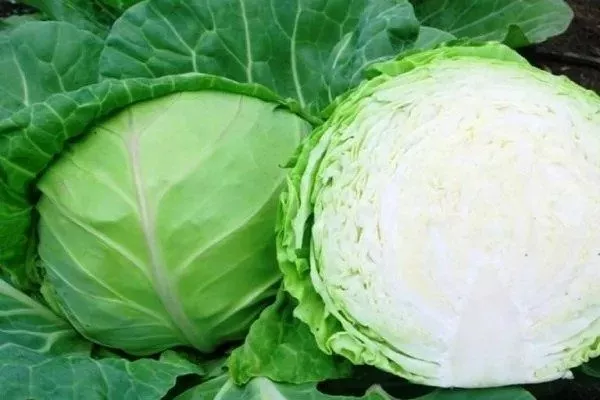
Mishutka's rosette of leaves is partially raised and robust. It is modest in size but compact, and the leaves are green without obvious veins. The inner part of the head is small.
- ✓ High resistance to sudden temperature changes.
- ✓ Ability to maintain head density even during long-term storage.
Taste and purpose
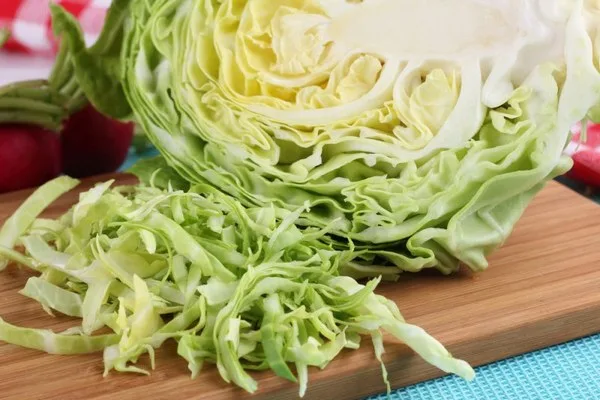
Mishutka cabbage is a versatile choice for a variety of purposes. Its juiciness and superb flavor make it perfect for fresh consumption. Its firm texture makes this variety ideal for pickling, maintaining its shape and texture even after processing.
Ripening and yield level
This is a mid-season white cabbage hybrid belonging to the Belorusskaya variety. From planting 45-day-old seedlings to harvesting, it takes 75-85 days. The crop has a high yield. With proper agricultural practices and an optimal planting pattern of 70x40 cm, you can easily get up to 11 kg of yield per square meter.
Advantages and disadvantages of a hybrid
Agricultural technology
Caring for cabbage isn't complicated and involves a few basic steps. It's important to plant the seedlings correctly and provide them with proper care.
Landing
Seeds for seedlings are usually sown 5-6 weeks before the planned planting in open ground. When planting seedlings in the ground, it is recommended to maintain a planting density of no more than 3-4 plants per square meter.
- ✓ Soil pH should be between 6.0-7.5 for optimal cabbage growth.
- ✓ The soil should be rich in organic matter, with a humus content of at least 4%.
Choose a site with good sunlight and adequate drainage. Cabbage prefers sunny locations and loose, fertile soil. It's recommended to amend the soil with compost or humus before planting.
Watering
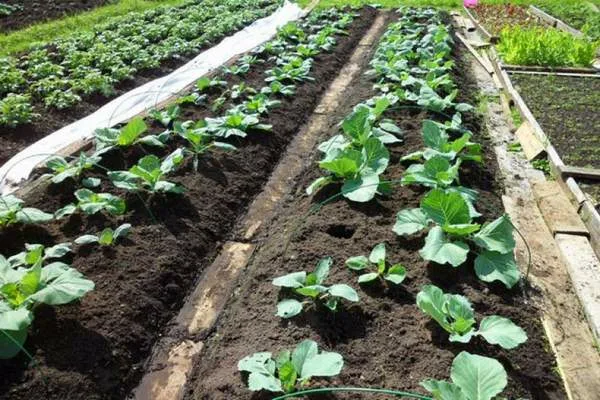
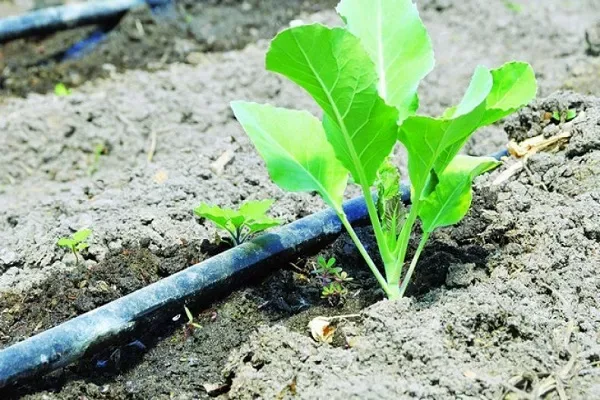
Proper watering is key to caring for cabbage. This vegetable loves water, so regular hydration is essential to ensure its health and development. Apply enough water to penetrate the soil to the correct depth and moisten the plant's roots.
It's especially important to increase watering once the heads begin to form, but gradually reduce watering two weeks before harvest. This will help prevent heads from splitting and ensure the harvest lasts until harvest.
Top dressing
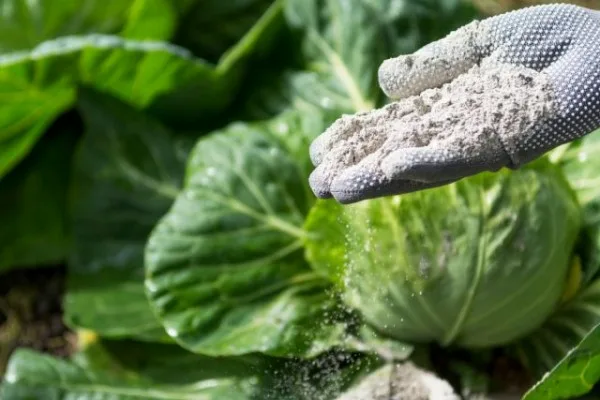
Cabbage is fertilized twice during the growing season. The first application is aimed at stimulating leaf growth, which plays a key role in head development.
Fertilize approximately two weeks after planting the seedlings outdoors. Prepare a solution of 20 grams of urea per 10 liters of water. This amount is enough to water 6-7 plants.
The second feeding is necessary for the formation of a high-quality head of cabbage and is carried out two to three weeks before it begins to form. To do this, prepare a solution of 0.5 kg of mullein per 10 liters of water. In this case, approximately 1 liter of solution is used per plant.
Gardeners' reviews
Mishutka cabbage is a productive and resilient variety. It is a true source of vitamins and microelements. Its excellent flavor and versatility allow it to be used in a wide variety of culinary recipes. Proper care is essential for growth and head formation, as this determines yield.