
If you've decided to plant white cabbage in your garden, you're probably wondering which variety to choose. Each cabbage variety has its own pros and cons, which you should be aware of before buying seeds. Below, you'll learn about the different varieties of white cabbage and their characteristics.
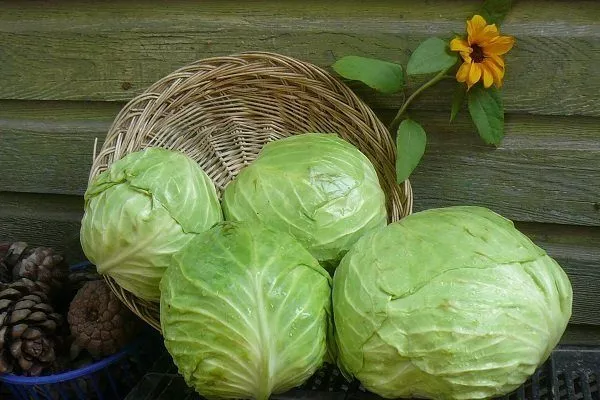
Early ripening white cabbage
The best time to sow early-ripening cabbage is early March. When 4-5 leaves appear, the young seedlings are transplanted outdoors. If sowing seeds directly into the ground, the best time is from the end of April to mid-May. These varieties mature within 55-100 days. This timeframe can vary depending on the cabbage variety. Some vegetables mature in two months.
- ✓ The optimal soil temperature for sowing early cabbage should not be below +5°C.
- ✓ To prevent early varieties from flowering, ensure uniform watering without over-watering.
Its yield is small, averaging 150-500 centners per hectare. Sometimes it reaches 700 centners per hectare, but no more. Selective harvesting of already ripe cabbage occurs in mid-summer. Early varieties have small rosettes with 10-15 leaves, and the heads are loose. However, their advantage is rapid growth. The heads of early cabbage varieties may crack and develop budding.
Early ripening varieties are not used for long-term storage or pickling.
| Name | Ripening period (days) | Head weight (kg) | Yield (c/ha) |
|---|---|---|---|
| June | 90-110 | 0.9-2.4 | 363-641 |
| Cossack | 106-112 | 0.8-1.2 | 318-461 |
| Revenge | 85-90 | 2.8-3.1 | 343-626 |
| Glory 1305 | 101-132 | 2.4-4.5 | 570-930 |
| Table | up to 160 | 1.7-3.0 | 356-832 |
| Filibuster | 125 | 2.7-3.1 | 448-549 |
| Symphony | 115-125 | 1.7-2.8 | 214-500 |
| Present | 114-134 | 2.6-4.4 | 582-910 |
| Mara | 165-175 | 2.5-3.2 | 800-1000 |
| Amager 611 | 117-148 | 2.6-3.6 | 350-600 |
| Aggressor | 130-150 | 2.5-3.0 | 431-650 |
| Gloria | 120-125 | 1.8-2.6 | 487-566 |
| Baby | up to 100 | 0.8-1.0 | 195-384 |
| Express | 60-95 | 0.9-1.3 | 330-385 |
| Rinda | 120-130 | 3.2-3.7 | 900-914 |
| Three Bogatyrs | 145-160 | 10-15 | 4000 |
| Golden Hectare | 102-110 | 1.6-3.3 | 500-850 |
| Wintering | 130-145 | 2.0-3.6 | 450-523 |
| Turks | 160-175 | 2-3 | 800-1000 |
| Belorusskaya 455 | 105-130 | 1.3-4.1 | 474-785 |
| Snow White | 130-150 | 3.5-4.5 | 700-900 |
| Snowstorm | 140-160 | 1.8-3.3 | 508-673 |
| Moscow 15 | 115-141 | 3.3-4.5 | 602-885 |
| Kharkiv winter | 140-160 | 3.5-4.2 | 583-832 |
June
The most popular early-ripening variety. This variety's head is denser than other early-ripening crops. June cabbage grows well even in crowded conditions, but it requires a lot of light. Any shade will stunt growth.
- ✓ Requires maximum lighting, even a little darkness will stop growth.
- ✓ Resistant to light frosts down to -5°C, but does not tolerate excess moisture.
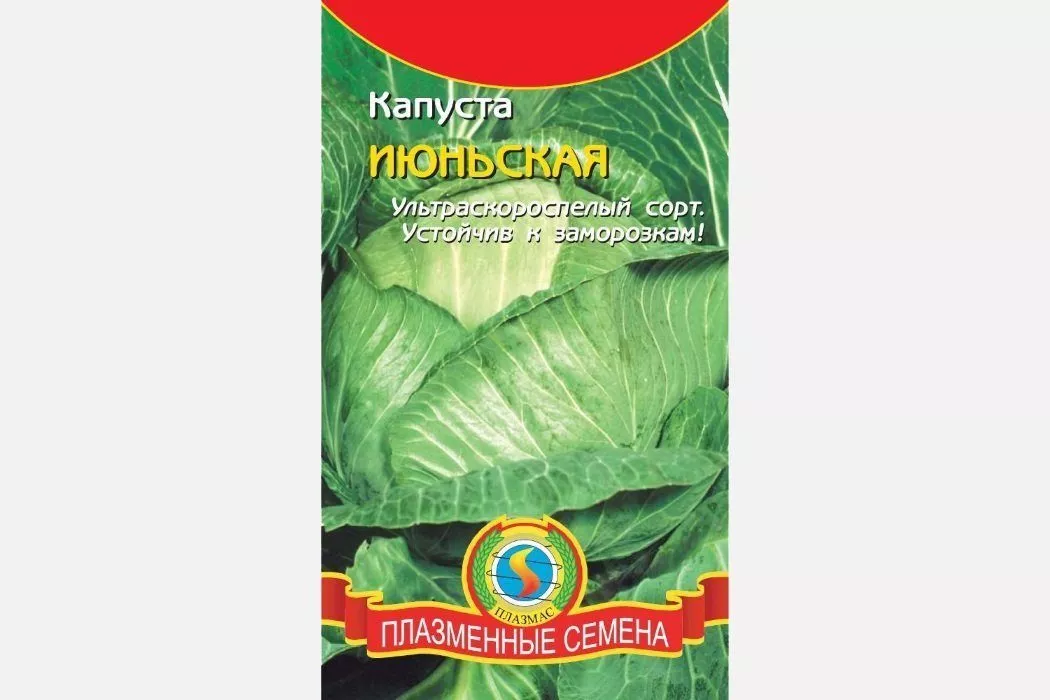
This cold-hardy variety can withstand light frosts down to -5°C, making it suitable for early spring planting. However, it does not tolerate excess moisture.
Another advantage is that it's grown throughout Russia. It's moderately resistant to pests such as the cabbage fly and the cruciferous flea beetle. This vegetable, like all early varieties, is only used fresh or in hot dishes during the summer. It's not suitable for storage at all.
Cossack
This variety is an early-ripening hybrid, making it prized by gardeners and summer residents. Compared to "Iyunskaya," its heads are twice as dense. Kazachok is grown from seedlings or by sowing seeds directly into the soil. It is best planted in a cool, sunny location, away from moisture and cold northerly winds.
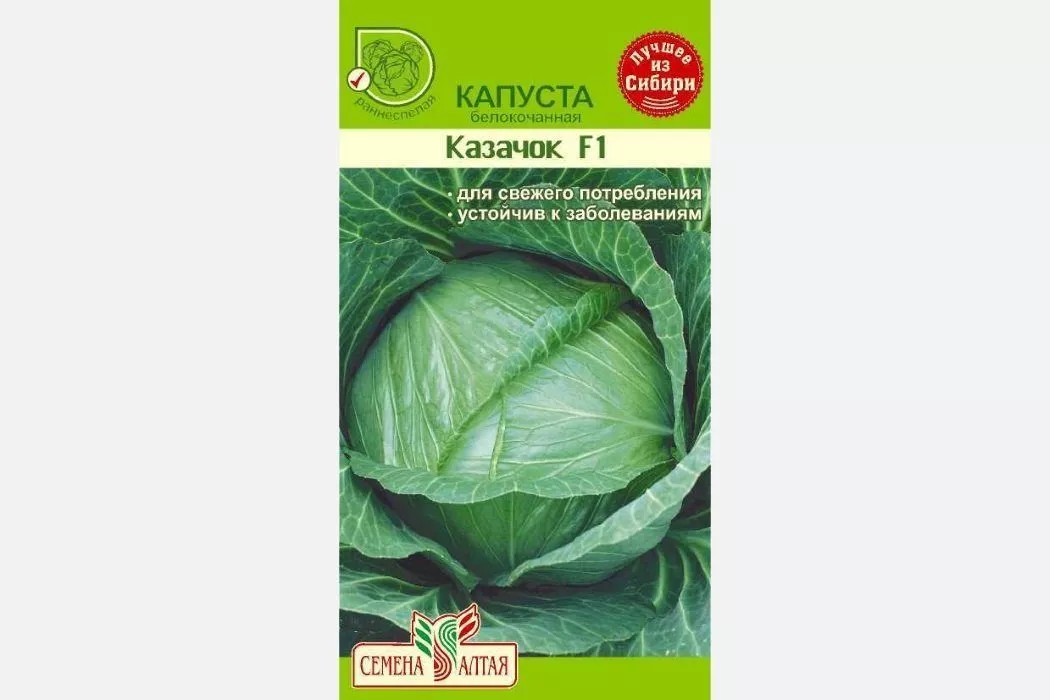
Plantings can be attacked by insects. Kazachok is susceptible to diseases such as clubroot, bacterial wilt, and powdery mildew, which can destroy the entire crop in just a few days. A good preventative measure is a layer of mulch when planting young seedlings. A solution of potassium permanganate is excellent for combating powdery mildew.
The variety tolerates slightly below-freezing temperatures. Its drawbacks include poor resistance to head cracking. The cabbage leaves are very delicate, making them better suited for fresh cooking.
Farmers know that vegetable heads can split during formation. This is caused by excess moisture. Reducing watering two to three weeks before harvest can prevent this unpleasant occurrence.
Mid-season white cabbage
The growing season of this cabbage ranges from 80 to 170 days. The harvest is usually completed towards the end of summer. Mid-season cabbage heads are larger than those of early-season varieties, with medium density. Mid-season varieties are more productive than early varieties, but yield less than late-season varieties. These varieties typically have 20-25 small leaves.
Unlike its predecessors, mid-season cabbage is better suited for quick pickling in the fall. However, it is also often used in its natural form. It makes particularly delicious cabbage rolls, vegetable pies, stews, and pasties. Another advantage over early cabbage is its longer shelf life. Under proper conditions, it can keep well for a couple of months.
Revenge
A popular hybrid among gardeners due to its high yield, reaching 343-626 centners per hectare. The highest yield was recorded in the Volgograd region—895 centners per hectare. The cabbage ripens approximately three months after planting. The plant prefers water and light. It is highly resistant to many common diseases and pests.
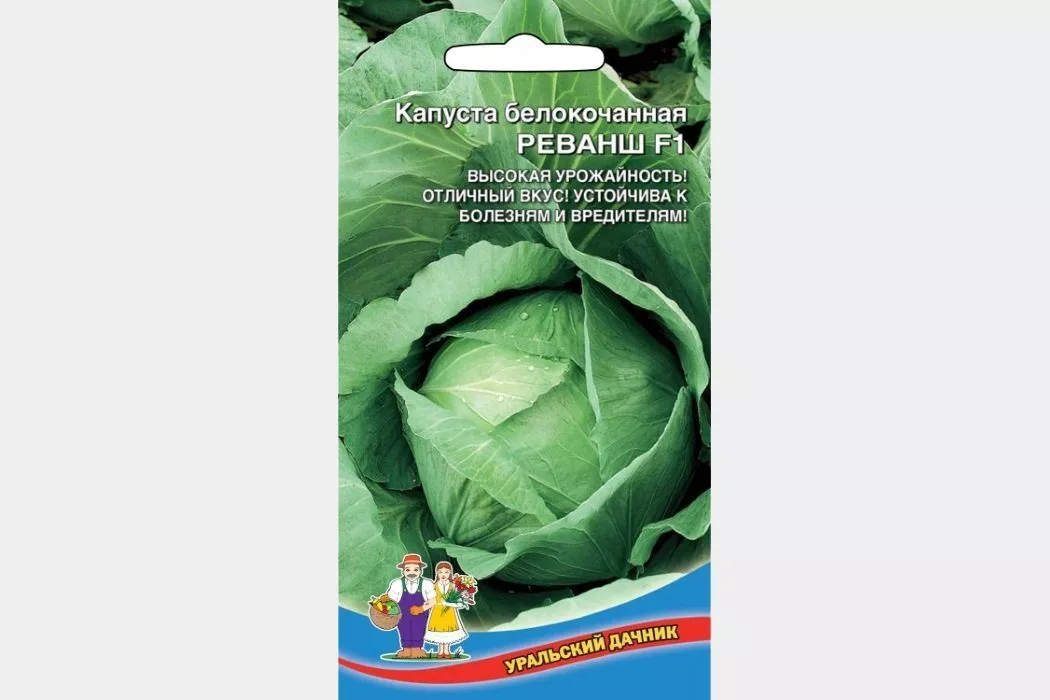
Contains an ideal combination of minerals and vitamins, has a delicious taste, and keeps well. Suitable for first and second courses, as well as for pickling.
Glory 1305
A time-tested old cabbage variety. Its heads are large, juicy, and white. Unlike other varieties, 'Slava' is well suited for growing in dry regions because it is moisture-tolerant. Avoid overwatering, as it can cause the heads to split. It requires ample tillage. Yields range from 320 to 400 centners per hectare.
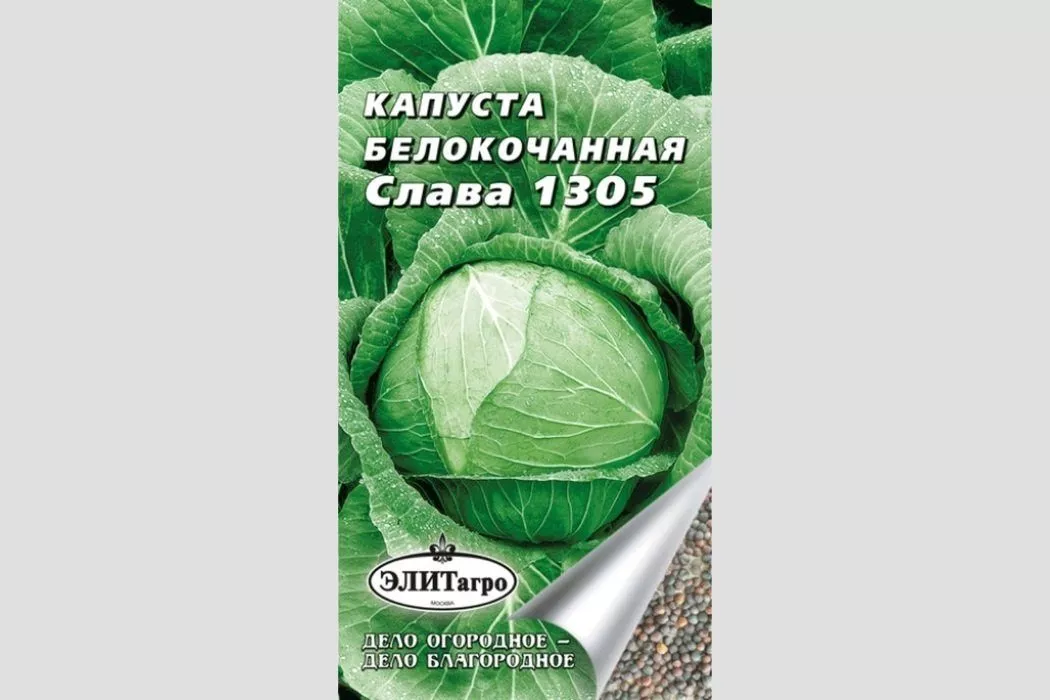
To ensure the cabbage remains juicy, it should be harvested after the first frost. However, it's best not to delay harvesting, as it's prone to cracking. It tolerates subzero temperatures well. Slava cabbage is susceptible to diseases such as powdery mildew, clubroot, and blackleg. It's among the best varieties for winter preservation, pickling, and salting. This cabbage variety's shelf life is only up to 90 days.
For storage, choose medium-sized, firm cabbage. Do not mix different varieties. Leave 2-3 outer leaves and up to 4 cm of stalk. Cracked heads should not be stored.
Mid-late varieties
Mid-late cabbage heads are denser and have a better flavor than early and mid-season varieties. They are less demanding of growing conditions than their early counterparts.
Symphony
Symphony loves good watering and sunlight. It is grown commercially. Symphony cabbage grows well in fertile, soft soils with a neutral pH. It requires plenty of light and good, abundant watering.
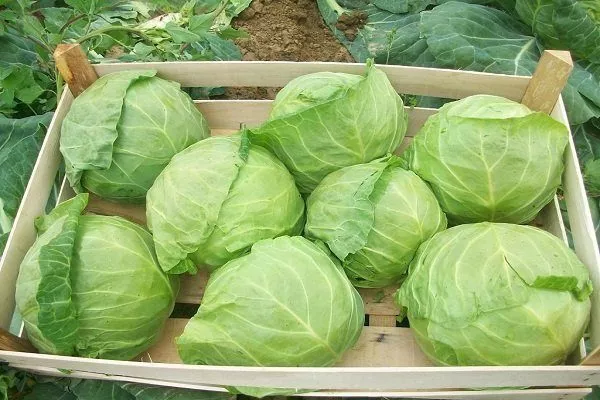
It has good resistance to fusarium wilt. This versatile variety is suitable for a variety of processing applications. Storage until spring is not recommended without special care.
Present
This is a reliable, old cabbage variety, known since 1961. In Russia, this vegetable is considered a mid-late variety. Cabbage Gift It's undemanding regarding soil. It's best planted in sunny areas, not under trees. Even in partial shade, the heads grow loosely, and the leaves are small. It requires good watering, especially in late summer, when the heads are forming. It has a strong immunity, but preventative measures are essential, as it can be susceptible to clubroot.
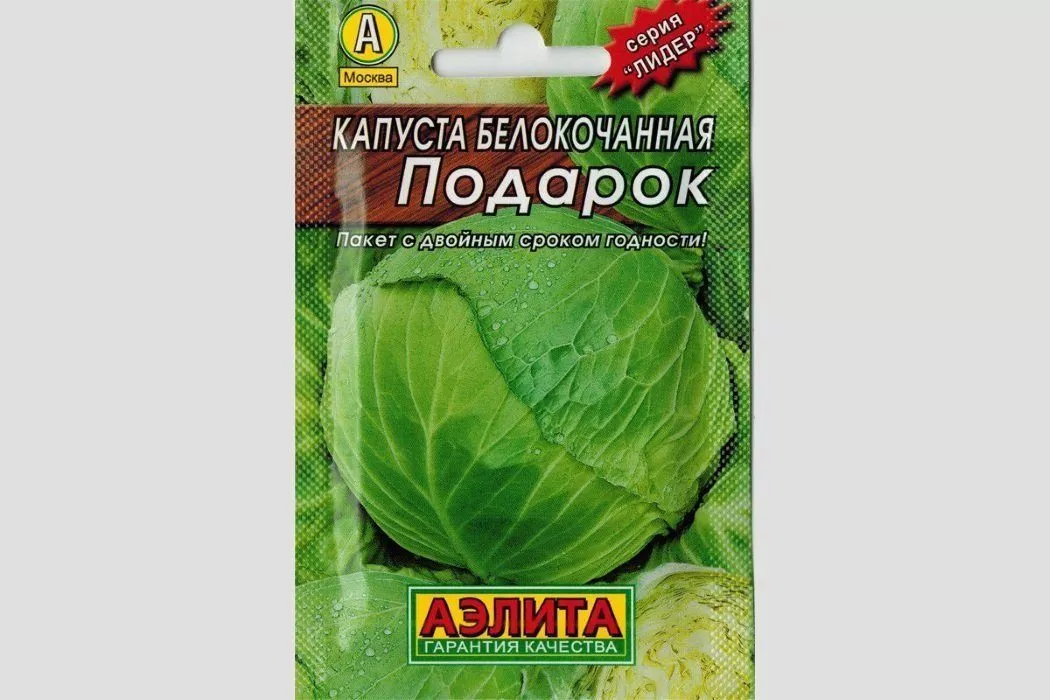
Podarok cabbage has excellent flavor and is versatile in use. It's typically harvested in late summer or early winter. However, if the cabbage is exposed to a light frost, it will be even more delicious when preserved for winter. It has a long shelf life – 6-7 months (until February-March). The thin leaves of this variety make excellent cabbage rolls.
The density and size of the head depend on the ripening time. The longer the ripening time, the denser and larger the heads will be.
Late white cabbage
This cabbage matures in a maximum of 220 days. These varieties are resistant to low temperatures and are not affected by the first autumn frosts. In fact, low temperatures help the heads form more quickly. Unfortunately, they do not tolerate such temperatures in early spring. Therefore, they are grown only from seedlings.
Unlike other types of cabbage, late cabbage has firm heads and is designed for longer storage. Moreover, its flavor only improves. This cabbage takes longer to ripen than others, but it can be stored until spring, or even summer, depending on the variety.
Mara
The variety was developed thanks to Belarusian breeders.. The ripening period is approximately 165 days. It is very resistant to rot, but not very resistant to various diseases. Its distinctive feature is a noticeable bluish tint.
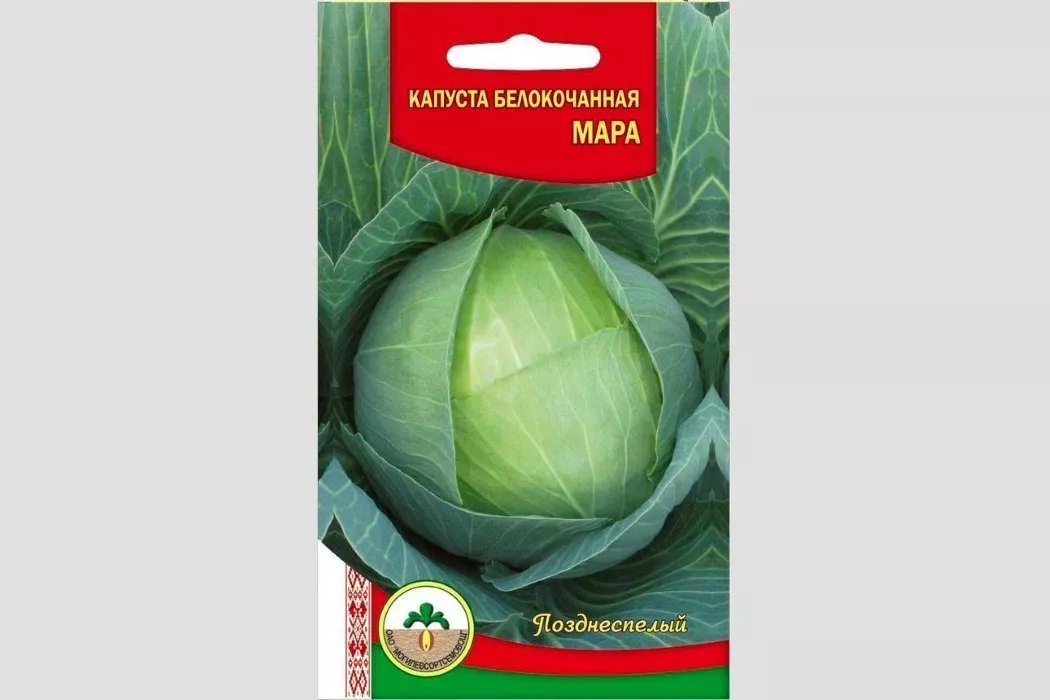
It tolerates frost and low moisture well. It's easy to grow and thrives in slightly acidic soil. It's used for pickling, both chopped and whole. It has a long shelf life, up to 8 months.
All cabbage thrives in alkaline soil. It struggles to grow in heavy, loamy soils, and even worse in acidic ones. Therefore, experienced gardeners deacidify the soil before planting. To do this, they add a little ash, chalk, lime, or dolomite flour.
Amager 611
This cabbage became popular back in the 1940s and remains in demand today. It is suitable for growing throughout the Russian Federation, except in the northernmost regions, where the heads do not have time to mature. It requires regular watering and adequate mineral fertilizers. Prolonged exposure to hot weather may slow the growth of the heads.
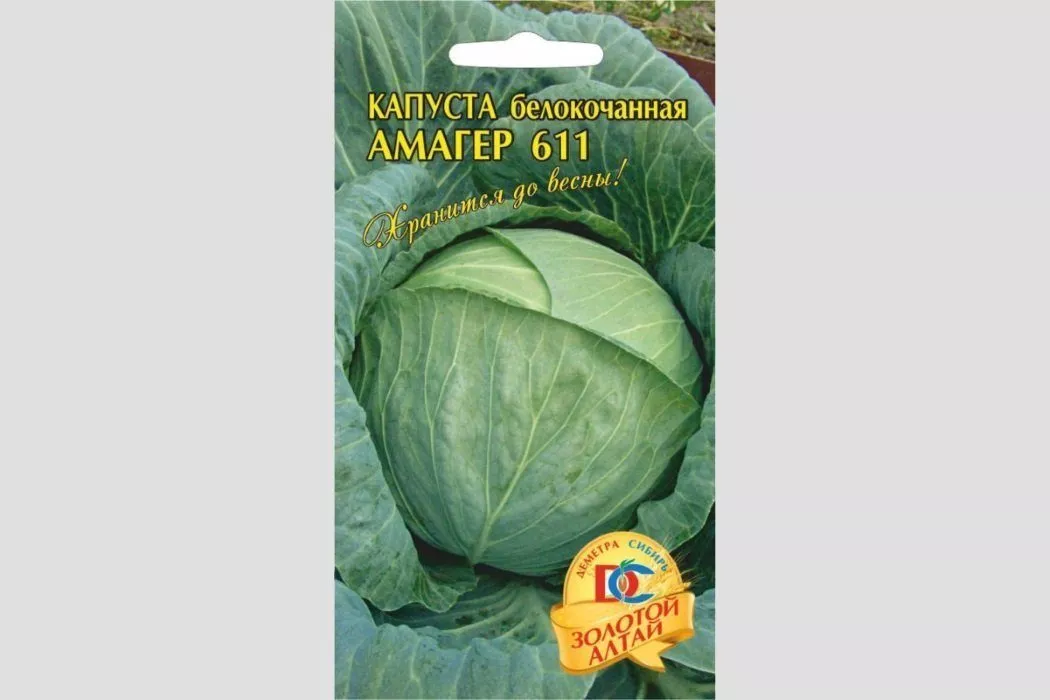
It can be susceptible to vascular bacterial blight and black rot. "Amager 611" keeps well until the next harvest, but is susceptible to gray mold and pitting necrosis. Its flavor improves with long storage. Fresh cabbage is slightly tough and has a bitter taste, which disappears closer to spring. It's best to ferment this cabbage a couple of months after harvest to remove the bitterness.
The most valuable varieties of this vegetable crop are mid-late and late. They store for a long time without accumulating nitrates. These types of cabbage are considered the best for pickling.
Table
This crop produces light green, dense heads, sometimes reaching 4 kg. The leaves are very juicy. If watered cold, it can be susceptible to blackleg disease.

Highly adaptable to various light conditions. This variety requires a lot of water to grow. However, excess moisture can negatively impact growth. One of the most suitable varieties for pickling.
Filibuster
The heads grow small, up to 3 kg. Fertile, neutral soil is the best for this variety to produce a good harvest. This crop is resistant to diseases and pests. It is suitable for various processing methods.
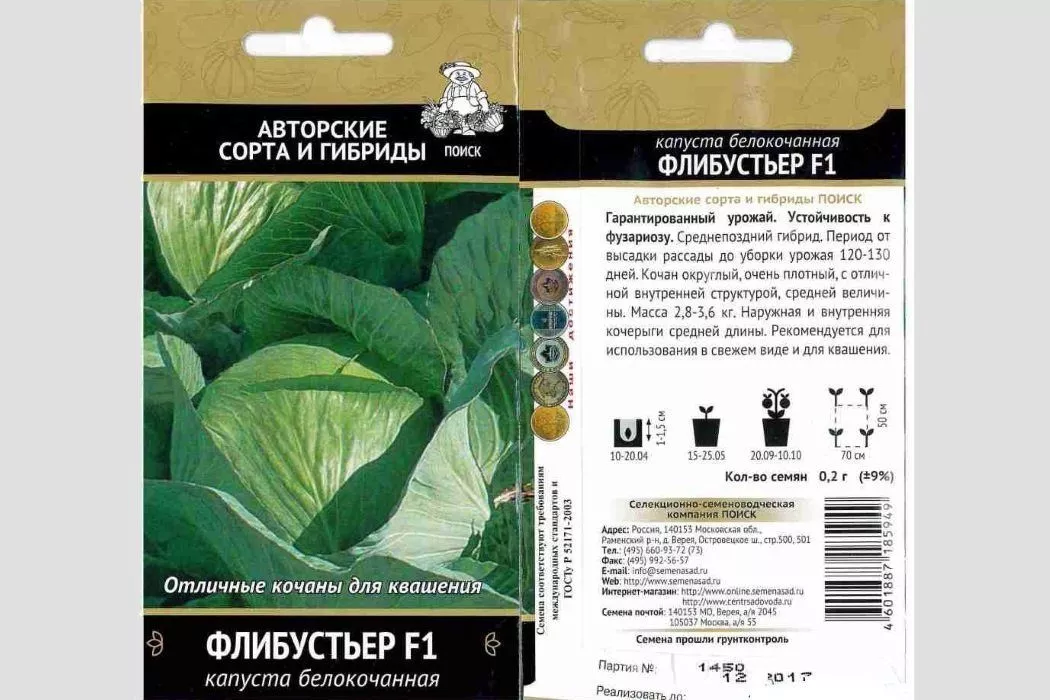
The succulent leaves make Flibustier cabbage ideal for both pickling and fresh cooking. Flibustier is considered one of the best varieties for its flavor. It produces a high yield, reaching 448-549 c/ha, 20-80 c/ha higher than the Krumont and Kolobok standards.
Modern varieties
A large number of varieties and hybrids are being developed by specialist plant breeders. This helps cabbage be grown in different regions with varying weather conditions, adapting it to different environments.
Cabbage varieties are developed for each region. This vegetable crop is considered moisture-loving, but not all regions have favorable weather conditions for growing it. Today, hybrid cabbage varieties are being developed that can easily produce a good harvest in any conditions.
Aggressor (2003)
This mid-late-ripening variety is resistant to adverse weather conditions. The exception may be heavy rainfall, which can cause the heads to split. It's easy to grow and can produce a good harvest even in poor soils.
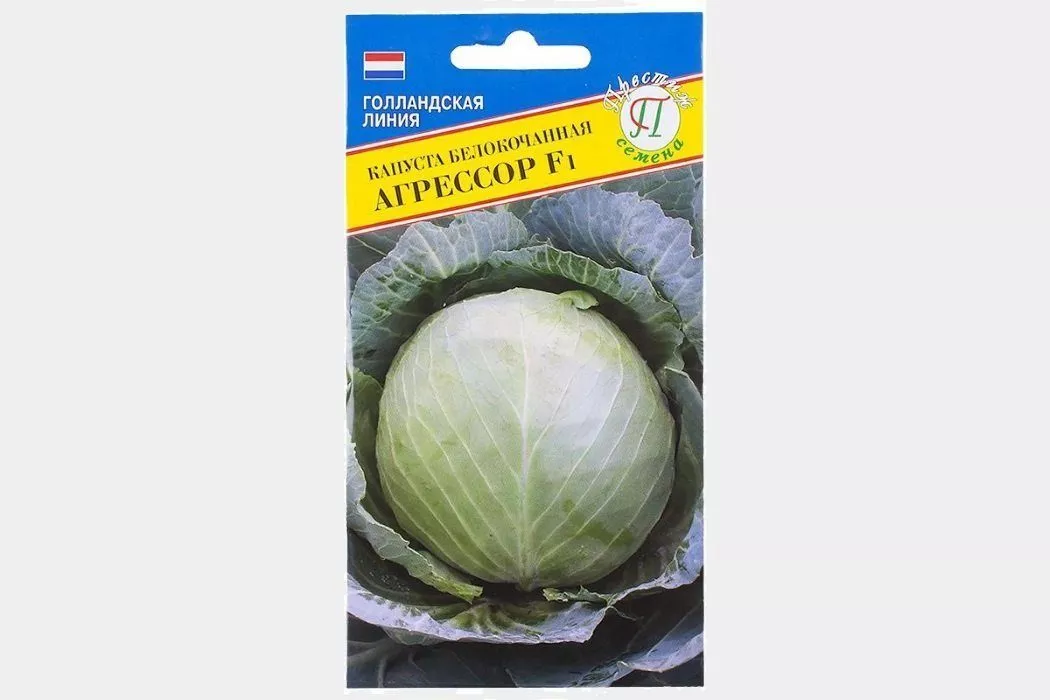
Cabbage Aggressor It retains its quality even after long-term storage. If stored improperly, the heads may crack and sprout after five months. A major drawback of this variety is its susceptibility to certain diseases, such as clubroot and cabbage aphids.
Gloria (2008)
Gloria was bred in Holland. It's considered a mid-season crop. Seedlings are transplanted from the second half of May to June. This cabbage is tolerant of water stress and cold.
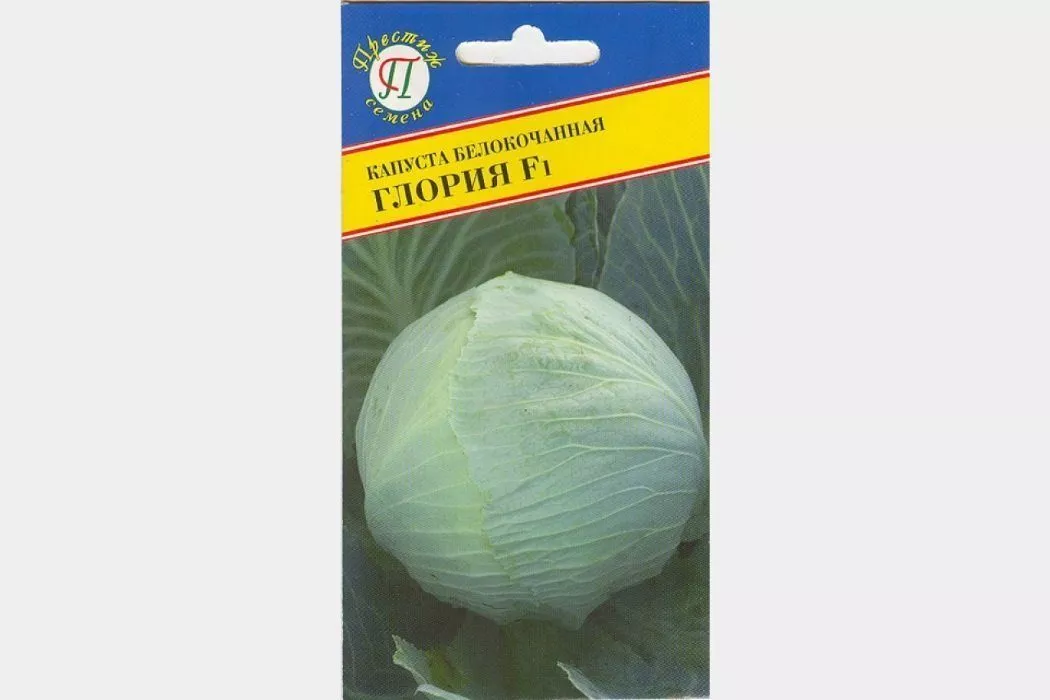
In high humidity and low temperatures, it is susceptible to powdery mildew and gray mold. Disease prevention measures are essential before the cabbage heads form. One of the best remedies is an infusion of onion and garlic peels, which is then sprayed on the plants. It doesn't require frequent fertilizing. The head is very dense and resistant to cracking. This variety is considered one of the best for pickling.
Baby (2010)
This is an early-ripening miniature hybrid, weighing only 0.8 kg. Its value lies in its early harvest. The growing season lasts up to 100 days. This vegetable is suitable for dense plantings.
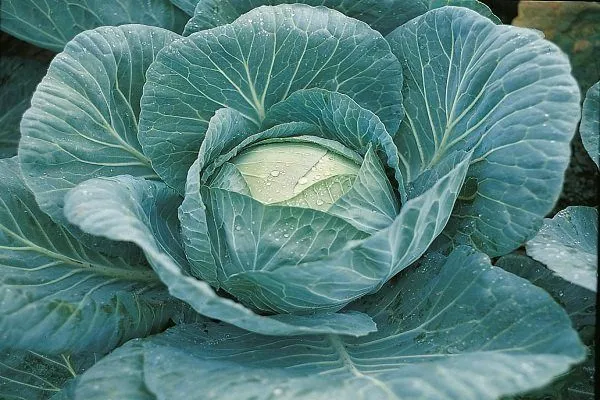
Good internal structure. Resistant to cracking. Recommended for fresh consumption.
Express (2003)
An early-ripening domestic hybrid. Suitable for growing only from seedlings, like all early cabbage varieties. The growing season is only 60-95 days, allowing for two harvests per year. Express Cabbage thrives in well-lit areas away from strong winds.
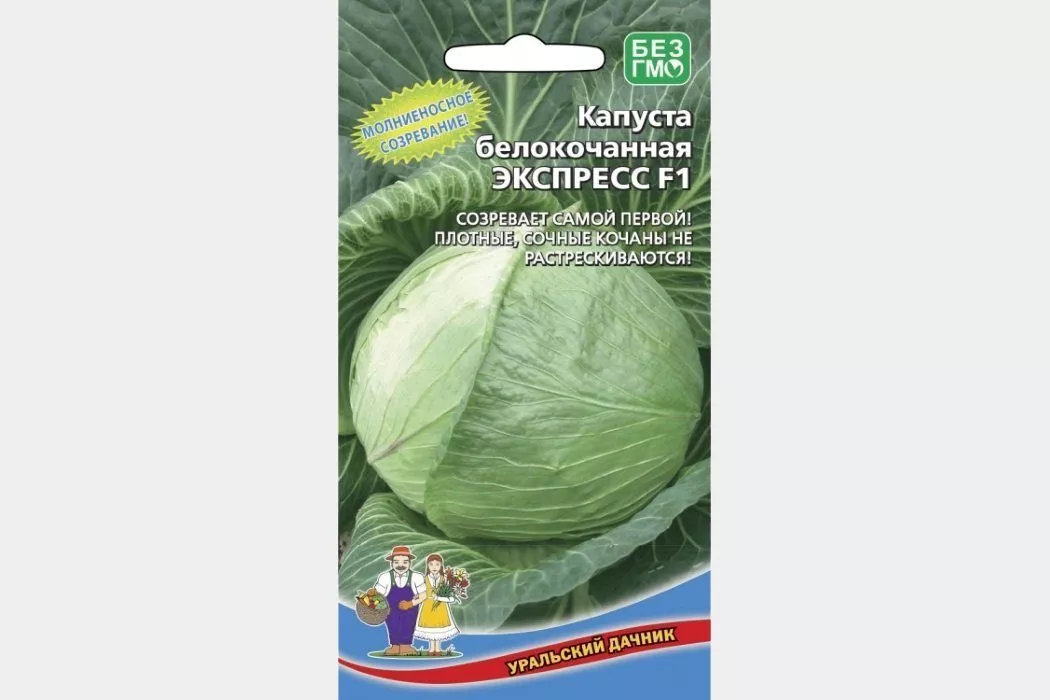
The head is medium-firm. The downside is that this cabbage variety is only suitable for eating fresh, but it is very tasty thanks to its juiciness.
The most productive varieties
The most productive varieties and hybrids include mid-season, late-season, and late-season varieties. Early varieties don't produce large yields. They are valued more for their short ripening period and are intended for summer consumption.
Mid-season crops have a slightly longer growing season than early-season crops, but they are more productive. Farmers and gardeners seeking a high yield prefer later-season varieties and hybrids. These vegetables typically produce larger heads and have a better shelf life.
Rinda
This is a hybrid bred by Dutch breeders. It is a mid-season variety that grows well in a variety of climates. Rinda cabbage It's resistant to temperature fluctuations, but it doesn't like being left without water for long periods. It needs a lot of sunlight, otherwise, its growth will slow significantly.
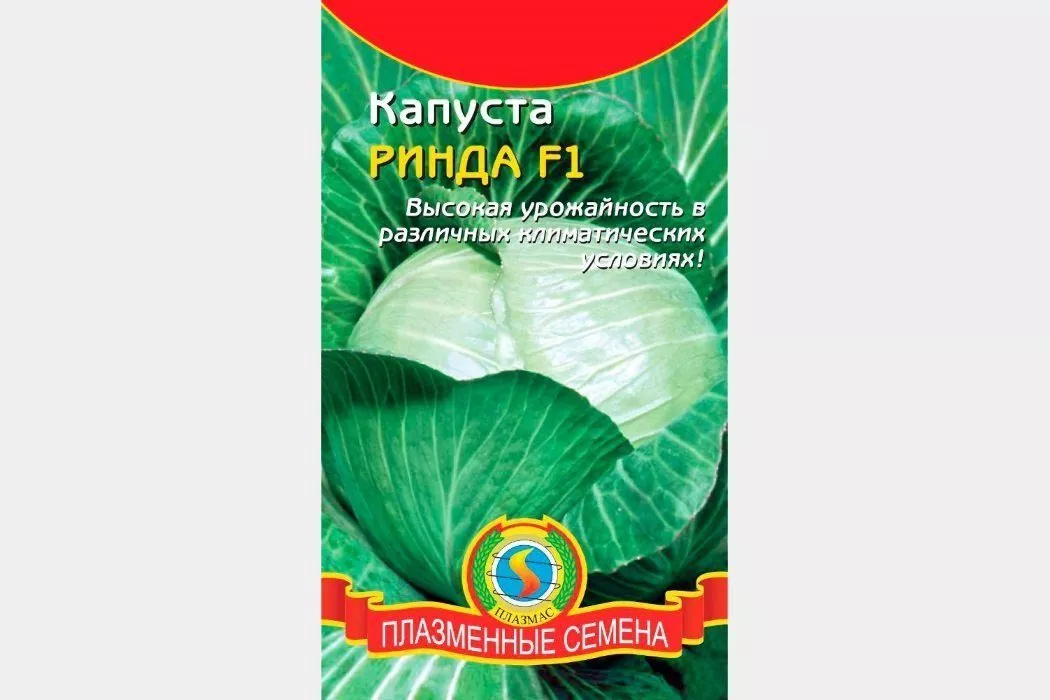
It has strong immunity to various diseases, but can be attacked by pests such as cruciferous flea beetles and slugs. This cabbage variety is well suited for salads, soups, cabbage rolls, and stews. It is also used for pickling, salting, and other processing. Its leaves are very juicy and sweet, with an excellent flavor. Marketable yields reach 900-914 centners per hectare.
Three Bogatyrs
This late-ripening variety produces fruits weighing up to 15 kg. Despite its large size, the cabbage is resistant to cracking. It is one of those cabbage varieties widely used for pickling and other processing, such as salting and canning.
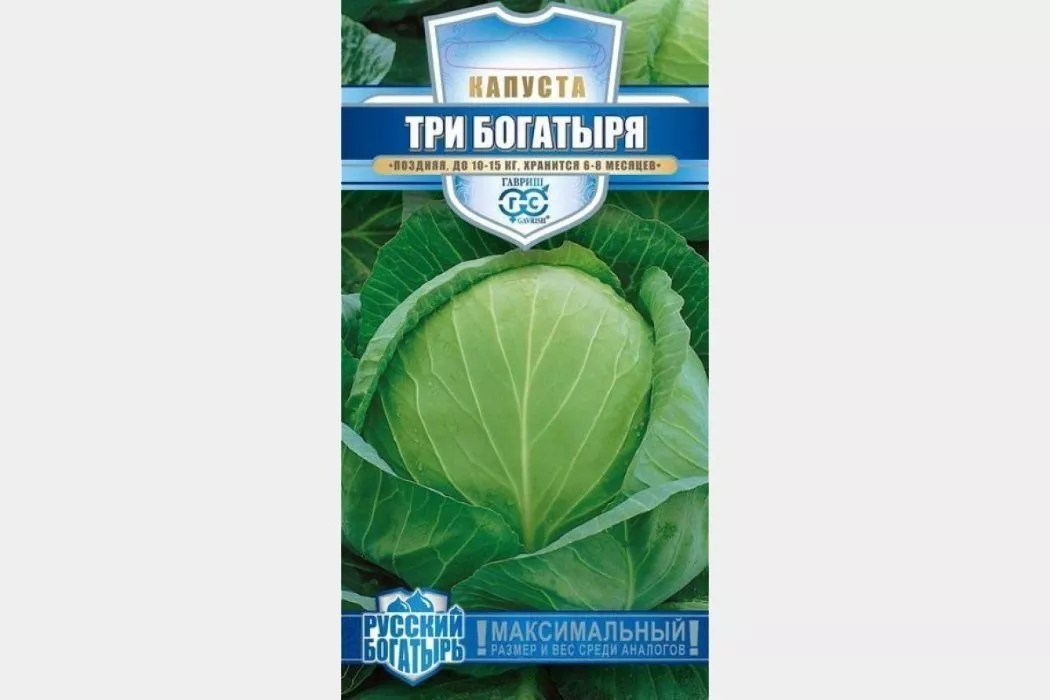
This vegetable crop consistently produces high yields, reaching 4,000 centners per hectare. This is a very high yield. Common diseases are generally not due to the variety itself, but to improper watering and poor temperature control.
Golden Hectare
This cabbage is a mid-early variety. It has been popular with gardeners for 80 years. This record-breaking variety was first bred in 1938 and was added to the Russian State Register in 1943. It is sometimes referred to as Zolotoy Hektar 1432, but they are the same thing. It is considered one of the most productive varieties, yielding up to 800 centners per hectare. The harvest is usually done in several stages, as the heads ripen one after the other.
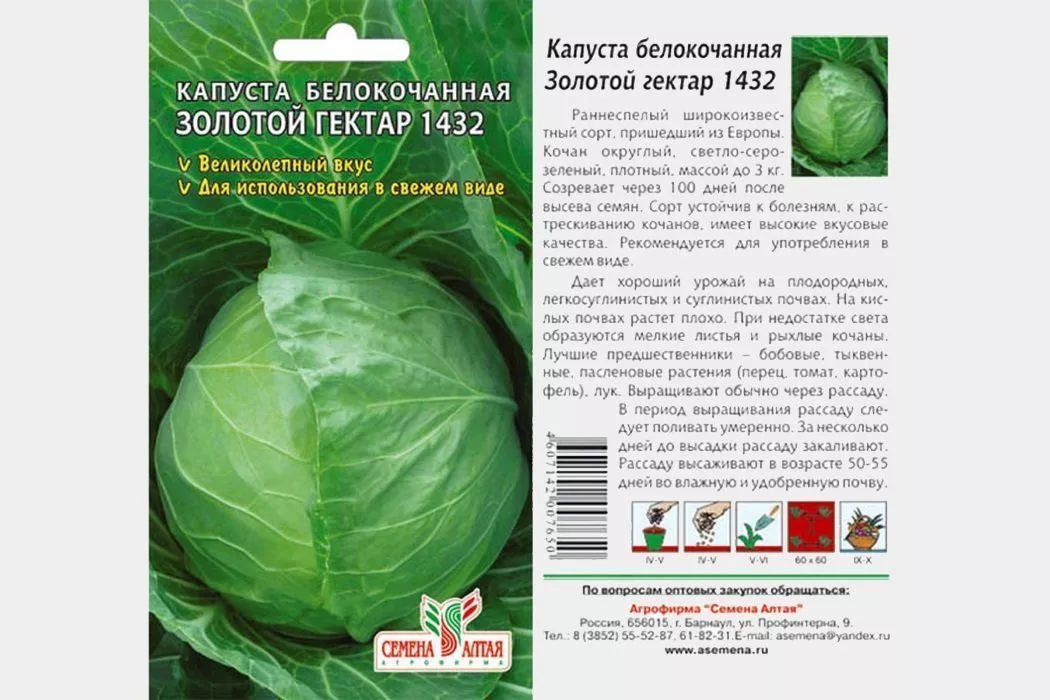
It tolerates prolonged periods of drought and light frosts well. The head is medium-dense. Golden Hectare is resistant to various diseases, but is more susceptible to clubroot. The leaves of this crop have an excellent flavor, very juicy and sweet.
Once the cabbage is ripe, it's a good idea to apply fertilizers such as wood ash, ammonium nitrate, mullein infusion, or chicken manure once a month. This will help the cabbage heads grow larger and denser.
Long-lasting varieties
Storage-friendly varieties are characterized by dense heads. Mid-late and late-season varieties are best for long-term storage. Some of these cabbage varieties actually improve during storage. These varieties include, for example, "Zimovka," "Belosnezhka," "Tyurkiz," and "Belorusskaya."
Wintering
This late-ripening variety is prized for its good storage until the next harvest. Its flavor only improves with time, with the bitterness fading and the sweetness increasing. This occurs after approximately 3-4 months. Therefore, it is best eaten fresh from the second half of winter.
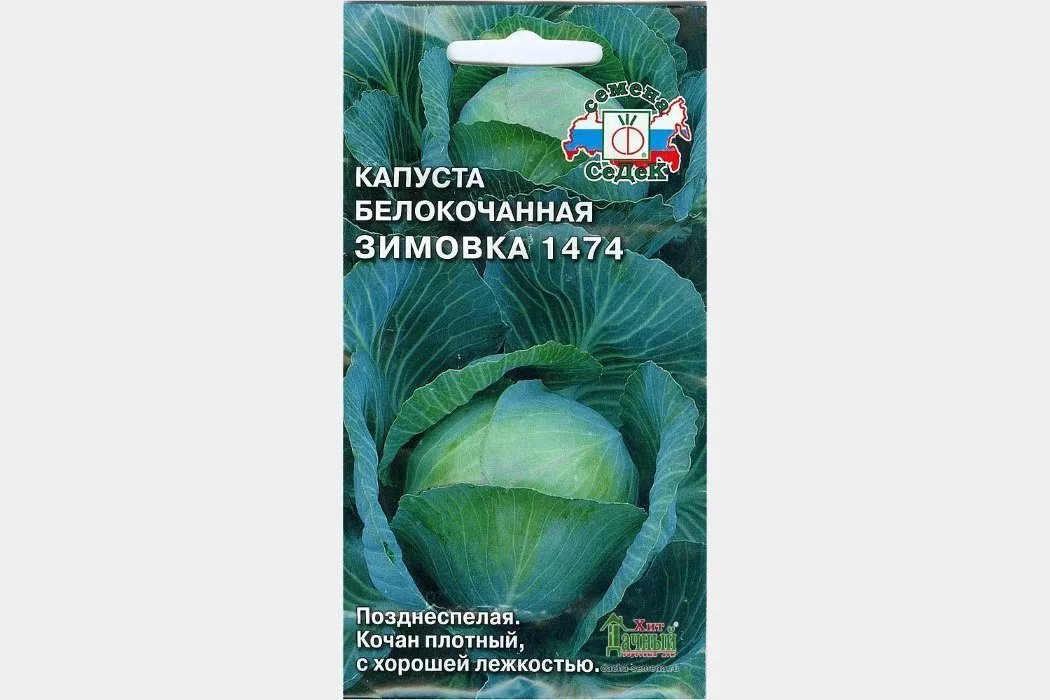
The appearance of the Zimovka cabbage variety is well preserved due to its dense heads. It tolerates low moisture well and adapts well to various temperature fluctuations. Zimovka cabbage has strong immunity to diseases, but is not resistant to pests such as flea beetles, cabbage white butterflies, and aphids.
Turks
Turkis came to us from Germany. This variety produces dark green, cast-iron heads that reach up to 3 kg. It prefers loose, fertile, and slightly acidic soil. It tolerates cold well and is a moisture-loving plant. It thrives in full sun, so it grows best in southern regions.
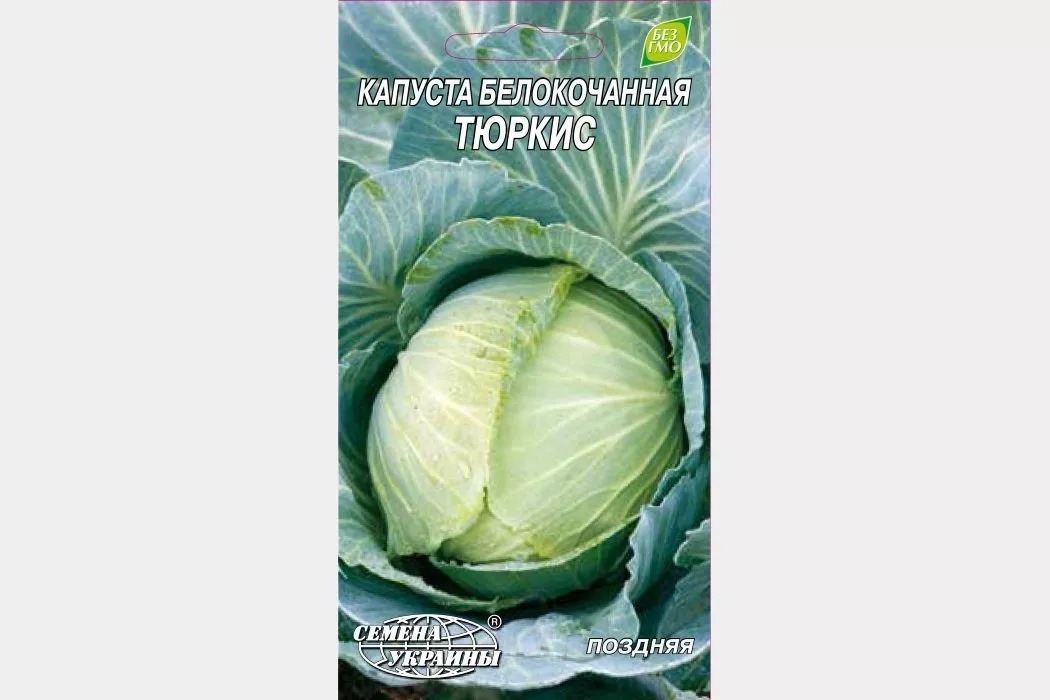
It has good immunity to various diseases and is best consumed fresh after long storage.
Belorusskaya 455
It's a mid-season variety. Despite this, it can be stored until April. This variety has many advantages, which is why it has been so popular for 70 years. One of its advantages is its ability to produce a good yield in cold regions, up to 785 c/ha.
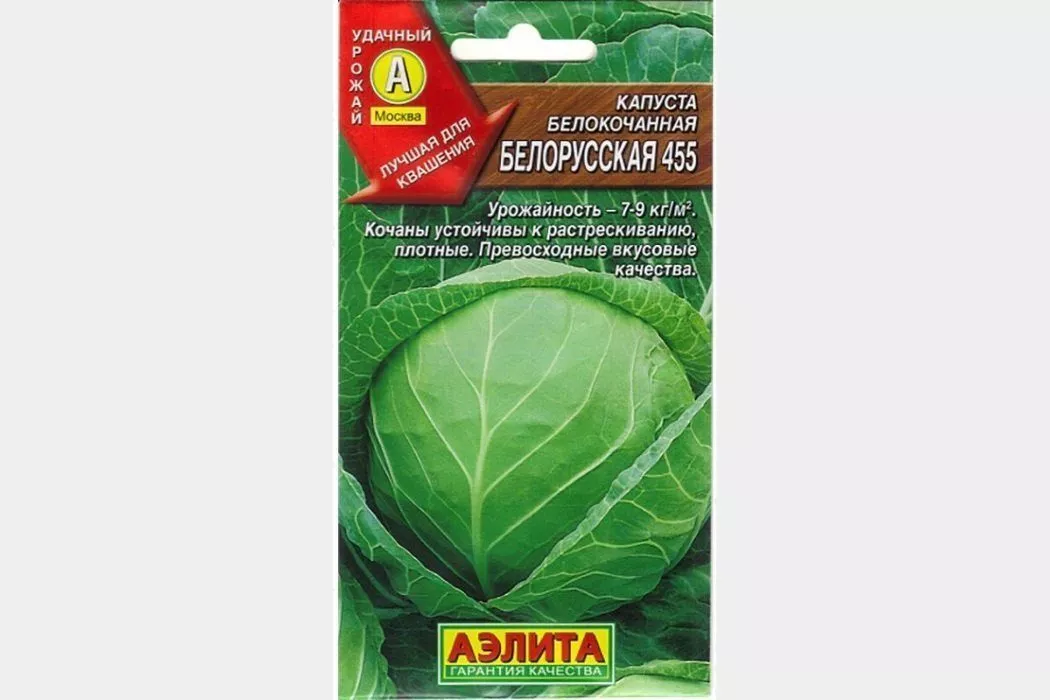
Seedlings are transplanted to sunny areas of the garden. Afternoon and evening sun are less important than morning sun. "Belarusian" cabbage is susceptible to vascular bacteriosis and clubroot. Overall, it is very disease-resistant, but only with proper care during cultivation. This variety is primarily grown for pickling and salting. However, it also makes a delicious borscht, soups, and stews.
Snow White
This is a late-ripening hybrid. Heads of this cabbage can reach 5 kg. The harvest is usually from November to December. If harvested too early, the vegetable can quickly wilt. Harvesting too late can cause the heads to split.
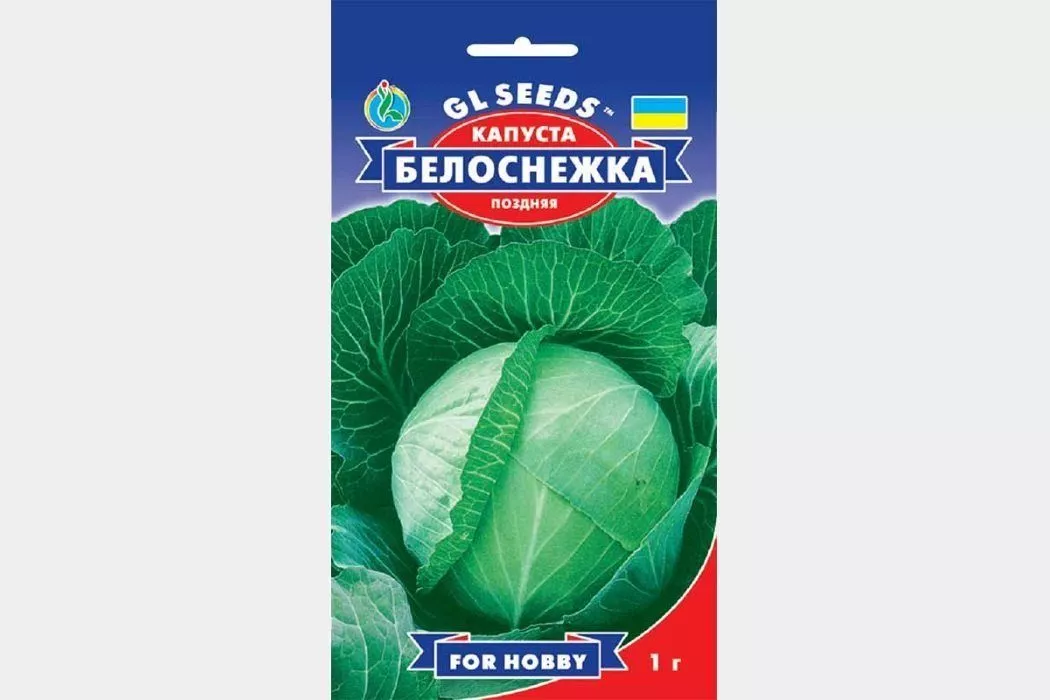
The leaves are bitter-free and keep well until spring. They are usually salted and fermented. They are not eaten fresh, as the leaves are not juicy and somewhat tough.
Varieties for pickling
Early-ripening cabbage doesn't have time to accumulate sufficient sugars and vitamins. Therefore, it's not suitable for pickling or fermenting. Some late-ripening varieties, such as 'Amager' and 'Kolobok,' are also unsuitable for this purpose. They contain a glycoside that imparts a bitter taste.
The sweetest and juiciest sauerkraut comes from mid-season varieties. Particularly good are "Slava 1305," "Belorusskaya 455," "Moskovskaya Pozdnyaya," "Kharkovskaya Zimnyaya," and "Vyuga."
Snowstorm
This vegetable was bred in Siberia and is a mid-late variety. Many farmers consider it one of the best for winter storage. "Vyuga" is resistant to unstable weather conditions and temperature fluctuations. However, it does have one peculiarity: it doesn't like over-watering the soil. Otherwise, the roots begin to rot and mold appears on the lower leaves.
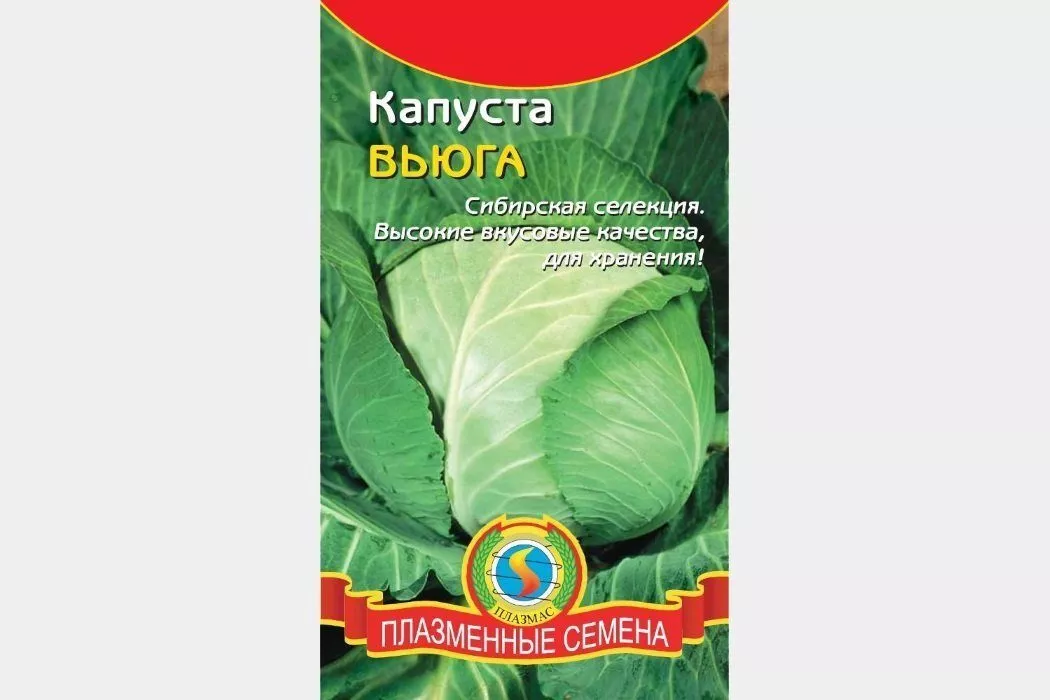
Powdery mildew, butterflies, caterpillars, cabbage flies, and blacklegs are the main pests of this variety. Preventative measures are essential.
Moscow late 15
This late-ripening variety grows well in lowlands. It prefers fertile soil and good watering. It has a tall stalk and large heads, so it can fall over. To prevent this, the cabbage is hilled up high.
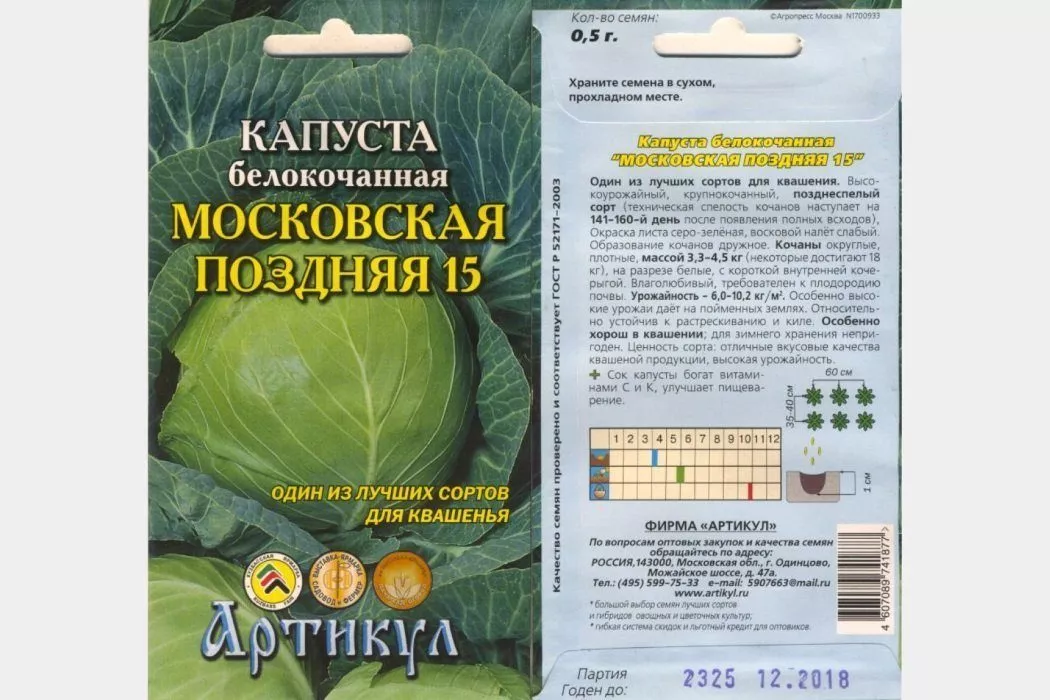
Its drawback is the tendency of the heads to burst if overwatered. Its main advantage is its high yield, which ranges from 602 to 885 centners per hectare. The maximum yield has reached 1015 centners per hectare. This cabbage variety is easy to care for. It ferments very quickly, which is why it is used for this purpose.
Kharkiv winter
This is a late-season cabbage. Most farmers recommend watering this variety daily after planting the seedlings. This variety grows easily from seed. This method allows the heads to grow larger, as the roots are deeply embedded in the soil, making the crop viable.
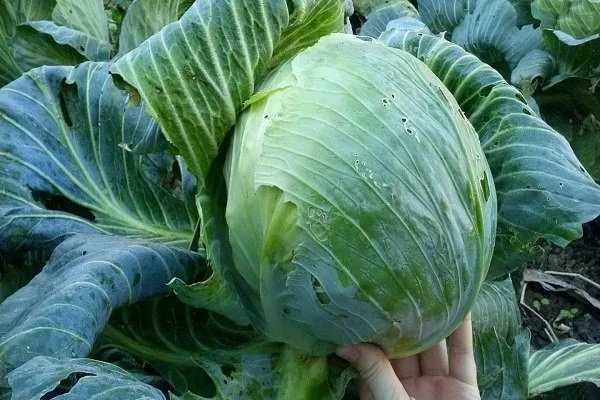
The advantage of this cabbage is that it tolerates hot weather well. It also tolerates temperatures down to -2°C. It is resistant to diseases such as spotted necrosis and bacterial rot. This variety is versatile in nutrition.
Cabbage varieties and hybrids for different regions
Different varieties and hybrids of cabbage are suitable for different regions. Some are well-adapted to hot weather, while others are cold-hardy. There are also universal varieties that can produce good yields in a variety of climates.
For Ukraine and Southern Russia
These regions have a very hot climate and lack the rainfall needed for cabbage to thrive. However, summers are longer here than in other regions, so cabbage is harvested twice a year. There are special varieties that tolerate the heat and lack of moisture. Early varieties, which ripen before the first hot days, are especially popular.
For central Russia and the Moscow region
A large number of varieties are native to these regions. The climate here is well suited to many types of cabbage, thanks to its stability and the limited number of days with high temperatures.
For the Urals and Siberia
Cold-hardy varieties grow well in these regions. These are primarily early and mid-season varieties that produce a harvest before the first frosts. They tolerate the short, cold summers well. Late-season varieties are unpopular here.
Varieties recommended for different regions of Russia:
| For Ukraine and Southern Russia | For central Russia and the Moscow region | For the Urals and Siberia | For all regions |
| Early:
Mid-late:
Late:
| Early:
Mid-late:
Late:
| Early:
Mid-late:
Late:
| Early:
Mid-late:
|
Key characteristics of popular white cabbage varieties:
| Name (year of inclusion in the State Register of the Russian Federation) | Variety/Hybrid | Head weight (kg) | Soil for growing | Ripening period (days) | Harvesting | Commodity yield (c/ha) | Appearance, features | Storage |
| June (1967) | variety | 0.9-2.4 (maximum 5) | slightly acidic light loamy loamy | 90-110 | end of June (in the southern regions 20 days earlier) | 363-641 | The leaf is small. | not intended |
| Cossack (1996) | hybrid | 0.8-1.2 | fertile | 106-112 | beginning of July | 318-461 | The leaf is small, dark green with a bluish tint. The head is white with a yellowish-cream tint when cut. | keeps well until autumn |
| Revenge (2010) | hybrid | 2.8-3.1 | well permeable, fertile, with a neutral reaction | 85-90 | late September - October | 343-626 | The leaf is medium-sized, green with a grey tint. The head of cabbage is white when cut. | short-term, before the onset of winter |
| Glory 1305 (1940) | variety | 2.4-4.5 | slightly acidic rich in humus | 101-132 | the second half of July + two weeks | 570-930 | The leaf is medium-sized, dark green with a bluish tint. The head of cabbage is white with a creamy tint when cut. | up to three months |
| Table (2005) | hybrid | 1.7-3.0 | the most favorable lowland peat-bog soils | up to 160 | September | 356-832 | The leaf is large and green. The head of cabbage is white when cut. | until January |
| Filibuster (2014) | hybrid | 2.7-3.1 | well permeable, fertile, with a neutral reaction | 125 | September 25–October 10 | 448-549 | The leaf is medium-sized, grey-green with a strong waxy coating. The head of cabbage is yellowish when cut. | no longer than 5 months |
| Symphony (2011) | hybrid | 1.7-2.8 | well permeable, fertile, with a neutral reaction | 115-125 | September - October | 214-500 | The leaf is medium-sized and grey-green. The head is whitish when cut. | before winter |
| Present (1961) | variety | 2.6-4.4 | fertile | 114-134 | August-September | 582-910 | The leaf is medium-sized, gray-green with a waxy coating, and wrinkled. The head is greenish-white when cut. | 6-7 months |
| Mara | variety | 2.5-3.2 | slightly acidic | 165-175 | October | 800-1000 | The leaf is firm, dark green, and densely covered with a waxy layer. The head is green with a whitish coating. | up to 8 months |
| Amager 611 (1943) | variety | 2.6-3.6 | with high acidity | 117-148 | late September – October | 350-600 | The leaf is smooth or slightly wrinkled, grey-green, with a strong waxy coating. The head is medium-sized, greenish-white when cut. | until April |
| Aggressor (2003) | hybrid | 2.5-3.0 | unpretentious, grows well in poor soils | 130-150 | with the onset of cold weather | 431-650 | The leaf is medium-sized, round, grey-green. The head is medium-sized, whitish when cut, with yellow veins. | 5 months |
| Gloria (2008) | hybrid | 1.8-2.6 | fertile | 120-125 | from late August to mid-October | 487-566 | The leaf is medium-sized, blue-green. The head is whitish when cut. | 4-5 months |
| Baby (2010) | hybrid | 0.8-1.0 | fertile | up to 100 | August | 195-384 | The leaf is small. The head is small, whitish when cut. | short-term |
| Express (2003) | hybrid | 0.9-1.3 | fertile black soil and neutral pH | 60-95 | July | 330-385 | The leaf is small, light green with a slight waxy coating. The head of cabbage is small, whitish when cut. | not intended |
| Rinda (1993) | hybrid | 3.2-3.7 | medium acid with the addition of mineral and organic fertilizers | 120–130 | August-September | 900-914 | The leaf is thin, light green, elastic. The head of cabbage is yellowish-white when cut. | up to 4 months in a cool place |
| Three Bogatyrs | variety | 10-15 | nutritious and loose | 145-160 | September-October | 4000 | The leaf is grey-green. The head is white when cut. | up to 8 months |
| Golden Hectare (1843) | variety | 1.6-3.3 | loamy, rich in humus, chernozem is not suitable | 102-110 | July-August | 500-850 | The leaf is small, grey-green with a slight waxy coating, smooth. The head is small, white-green when cut. | up to 1 month |
| Wintering (1963) | variety | 2.0-3.6 | unpretentious, for a better harvest - loose, nutritious | 130-145 | in mid-October | 450-523 | The leaf is large, with a grayish tint, green in color. | up to 8 months |
| Turkic | variety | 2–3 | nutritious and loose | 160-175 | October-November | 800-1000 | The leaf is dark green. The head of cabbage is milky in color when cut. | until March |
| Belorusskaya 455 (1943) | variety | 1.3-4.1 | medium-acid fertile loamy | 105-130 | end of September – beginning of October | 474-785 | The leaf is medium-sized, gray-green or dark green. The head is whitish when cut. | until April |
| Snow White | hybrid | 3.5–4.5 | slightly acidic | 130–150 | from November to December 1 | 700-900 | The head of cabbage is milky when cut. | up to 7 months |
| Snowstorm (1989) | variety | 1.8-3.3 | grown on soils of various compositions | 140-160 | September | 508-673 | The leaf is medium-sized and grey-green. The head is white and yellow when cut. | up to 8 months |
| Moscow 15 (1943) | variety | 3.3-4.5 | neutral or slightly acidic | 115-141 | October | 602-885 | The leaf is large, gray-green with a slight waxy coating, wrinkled. The head is yellowish-white when cut. | until February |
| Kharkiv winter (1976) | variety | 3.5-4.2 | slightly acidic, fertile | 140-160 | September - October | 583-832 | The leaf is medium-sized, grey-green. | until May |
When choosing varieties, consider your goals. If you need cabbage that keeps well, choose late-ripening varieties. If you prefer varieties that are good for pickling and salting, choose mid-season varieties with a high sugar content. For larger harvests, plant the highest-yielding varieties.