
Kohlrabi has become increasingly popular recently. It can be grown both for consumption and commercially – it has found its niche in the market and its consumer. Growing the crop is simple, but it's important to understand its varieties and cultivation characteristics.
Botanical description
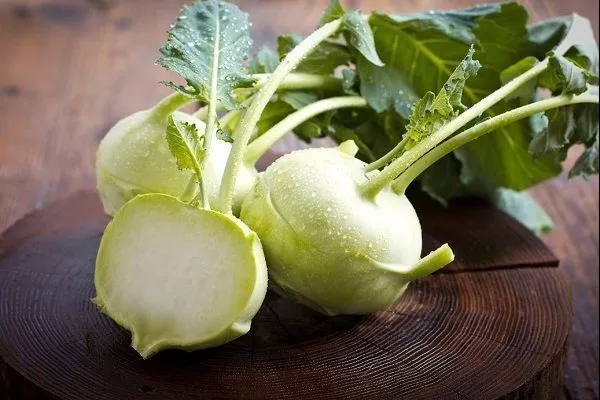
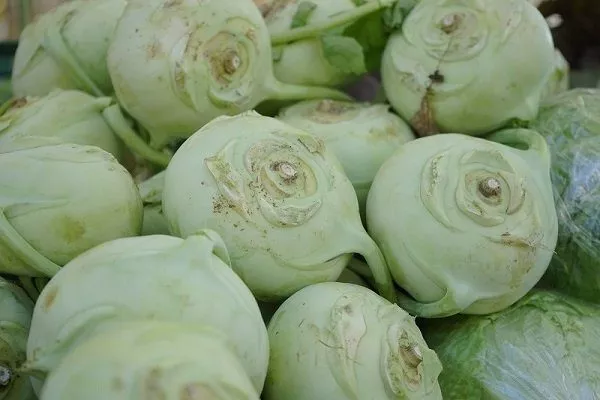
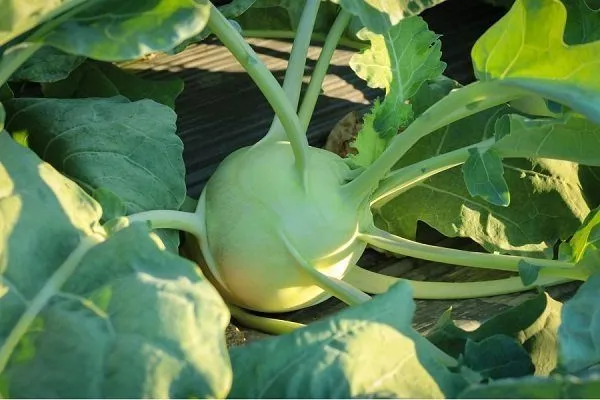
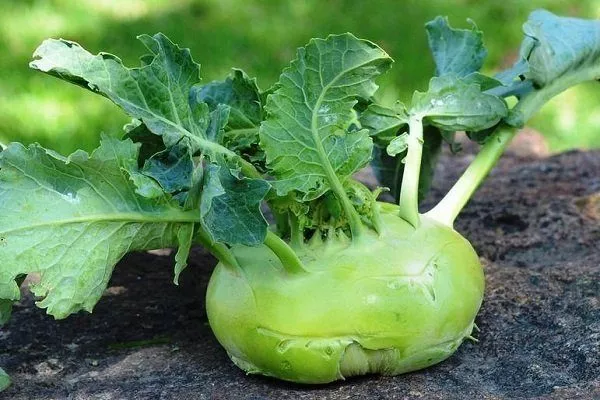
Kohlrabi differs greatly from other cabbages in appearance. It doesn't form a head with tightly packed leaves. The edible part is the thickened stem, called the cauliflower, with white, juicy flesh. Its flavor is similar to that of a cabbage stalk, but milder and less bitter.
The stem is usually small, averaging 150-400 g, with late varieties being larger, weighing up to 3 kg. The cabbage is generally spherical in shape, with a small number of triangular or ovoid petiolate leaves at the top.
Kohlrabi is a biennial plant. In the second year, it produces flowering shoots, which ripen into a narrow pod. The seeds are spherical and dark brown. Early varieties sometimes produce seeds in the first year of planting. Even in northern summers, two harvests can be harvested from a single location.
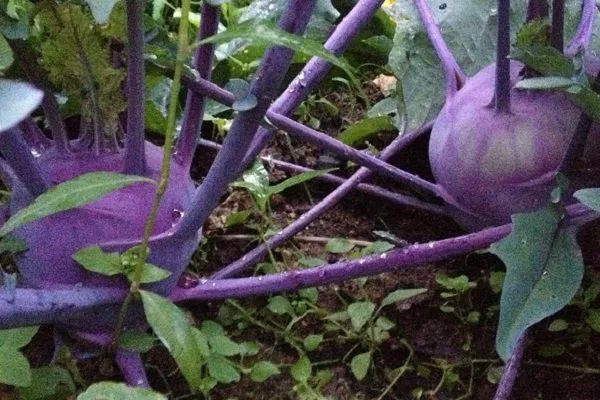
Kohlrabi is usually light green in color, but due to the presence of anthocyanins, it can be colored in different shades of purple.
History and origin
It is believed that the homeland of this cabbage was the Mediterranean, from where it was then transported to East Asia and Europe.
Kohlrabi has been eaten for a long time, but the first written evidence of its cultivation appears in the chronicles of Ancient Rome. At that time, this vegetable was a staple on the tables of slaves and the poor. In the Middle Ages, kohlrabi became a staple food for the wealthy in Europe.
This crop was brought to Russia by Peter the Great after his European travels. The Tsar was so impressed by the vegetable's unusual appearance and taste that he decided kohlrabi should be grown in Rus'. Of all the names for this cabbage, the German name, literally translated as "turnip cabbage," stuck.
Purpose of cabbage
Kohlrabi is used not only in cooking, but also in medicine and cosmetology. Kohlrabi is very rich in minerals and vitamins. Its vitamin C content is comparable to that of lemon.
In cooking, this tasty and healthy vegetable is used as follows:
- raw, added to salads;
- in soups as a potato substitute or simply an additional ingredient;
- in vegetable solyanka and when baking;
- as a first food for babies, making kohlrabi puree;
- Late-ripening varieties are pickled.
Delicious fresh shchi with kohlrabi is in no way inferior in taste to shchi made with white cabbage. Kohlrabi, however, ripens two months earlier.
Kohlrabi, like other cabbage stalks, can accumulate nitrates, so you need to be careful when purchasing these vegetables if they are grown in greenhouses or hotbeds.
Rich in vitamins and minerals, kohlrabi is also used in medicine:
- promotes the growth and strengthening of bones due to the presence of calcium;
- improves peristalsis and normalizes metabolism;
- Potassium content helps remove excess water from the body;
- used by diabetics instead of potatoes;
- relieves inflammation in the oral cavity.
This cabbage is good because it doesn't cause increased gas or bloating. However, people with high stomach acidity should avoid kohlrabi.
Varieties of kohlrabi
Although this cabbage has a relatively short ripening period, existing kohlrabi varieties are classified as early-ripening, mid-early, mid-season, and late-ripening. These varieties are frost-resistant, making this vegetable grown throughout Russia.
Early ripening
| Name | Disease resistance | Soil requirements | Ripening period |
|---|---|---|---|
| Athena | High | Average | 55-60 days |
| Viennese white | Average | Low | 55-60 days |
| Vitalina | High | Average | 55-60 days |
| Delicatessen | High | Tall | 55-60 days |
| The idea | Average | Average | 55-60 days |
| Sissy | High | Average | 55-60 days |
| Nice | High | Average | 55-60 days |
| Oasis | High | Tall | 55-60 days |
| Octave | High | Tall | 55-60 days |
| Opus | High | Tall | 55-60 days |
| Spicy | High | Average | 55-60 days |
| Cook | Average | Low | 55-60 days |
| Gusto | High | Average | 55-60 days |
| Sonata | High | Average | 55-60 days |
These varieties mature in 55-60 days. To obtain the earliest possible kohlrabi harvest, it should be grown from seedlings. Hybrids are very tender and juicy and are usually eaten fresh in salads, but are not suitable for long-term storage.
| Cabbage variety | Weight of root crop, g | Yield kg/sq.m |
| Athena | 180-220 | 3.0-3.5 |
| Viennese white | 480 | 2.1 |
| Vitalina | 430 | 2.2 |
| Delicatessen | 1500-2000 | high |
| The idea | 750-1000 | 2.9 |
| Sissy | 540 | 3.5-4.0 |
| Nice | 700 | 3.0-3.5 |
| Oasis | 1300 | 5.9 |
| Octave | 1200 | 5.4 |
| Opus | 1100 | 4.6 |
| Spicy | 500-900 | 5.9 |
| Cook | 120 | 2.3 |
| Gusto | 500-700 | 4.6 |
| Sonata | 400 | 2.5 |
Athena
Viennese white
Vitalina
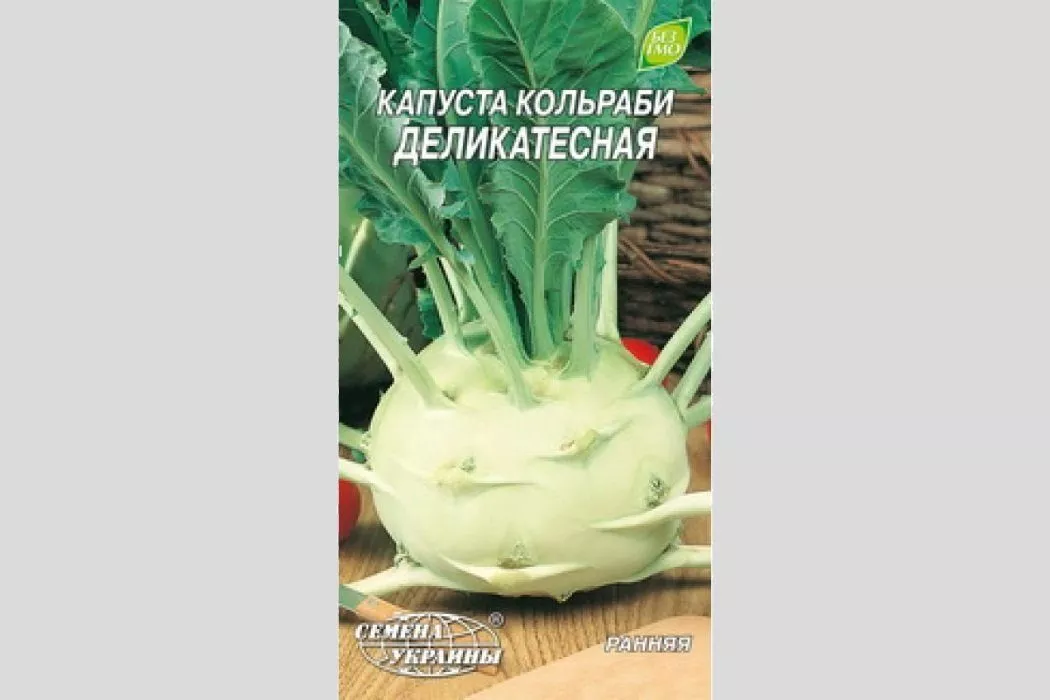
Delicatessen
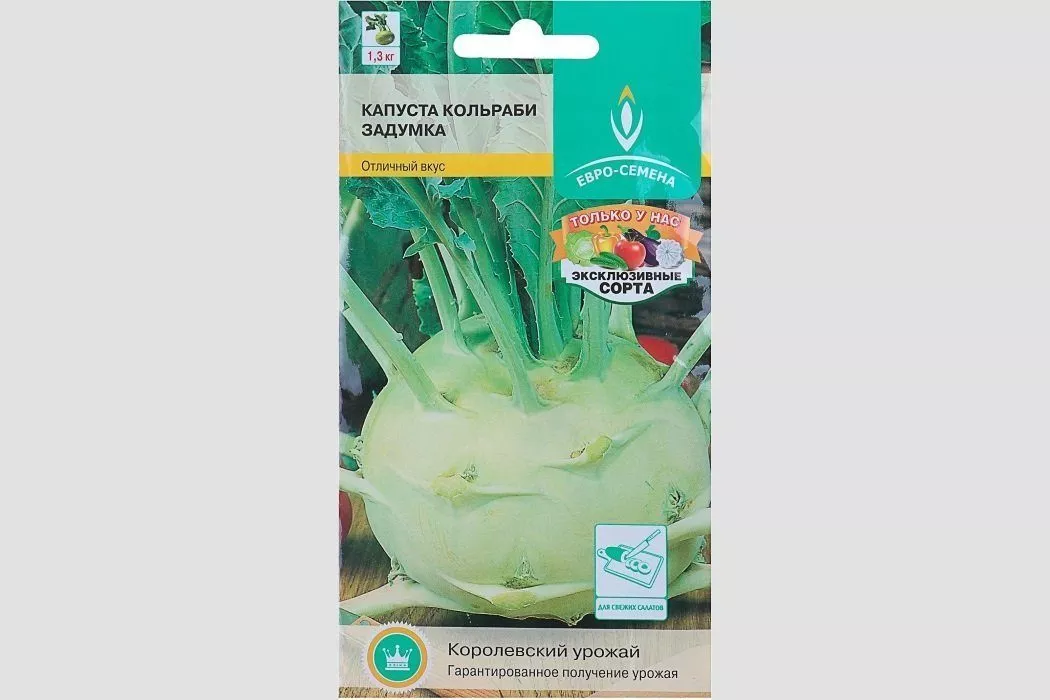
The idea
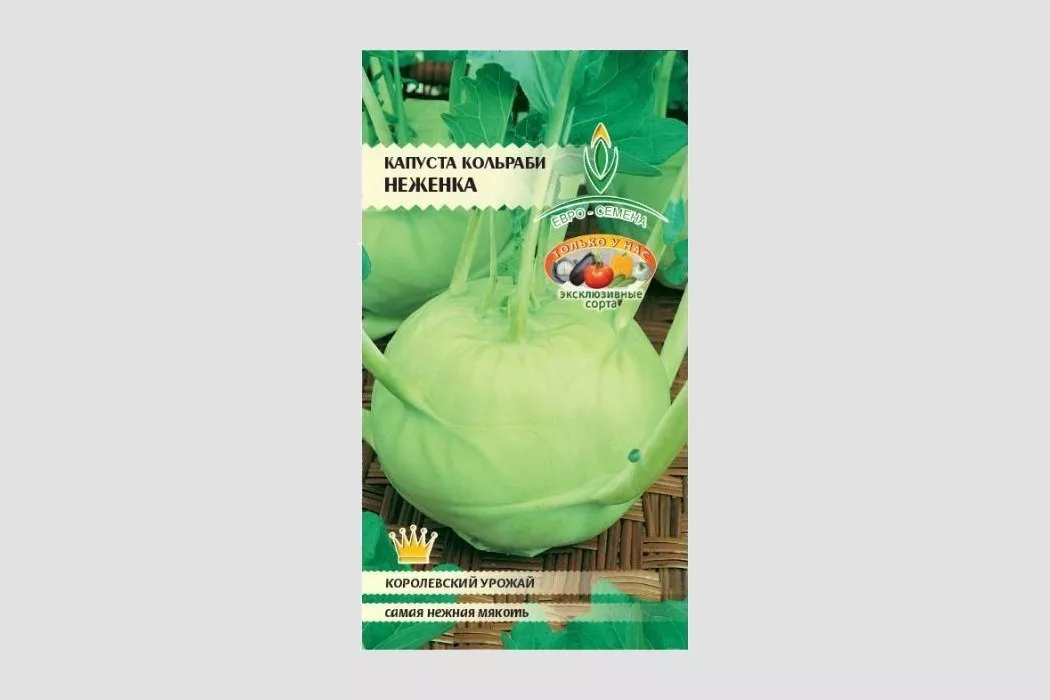
Sissy
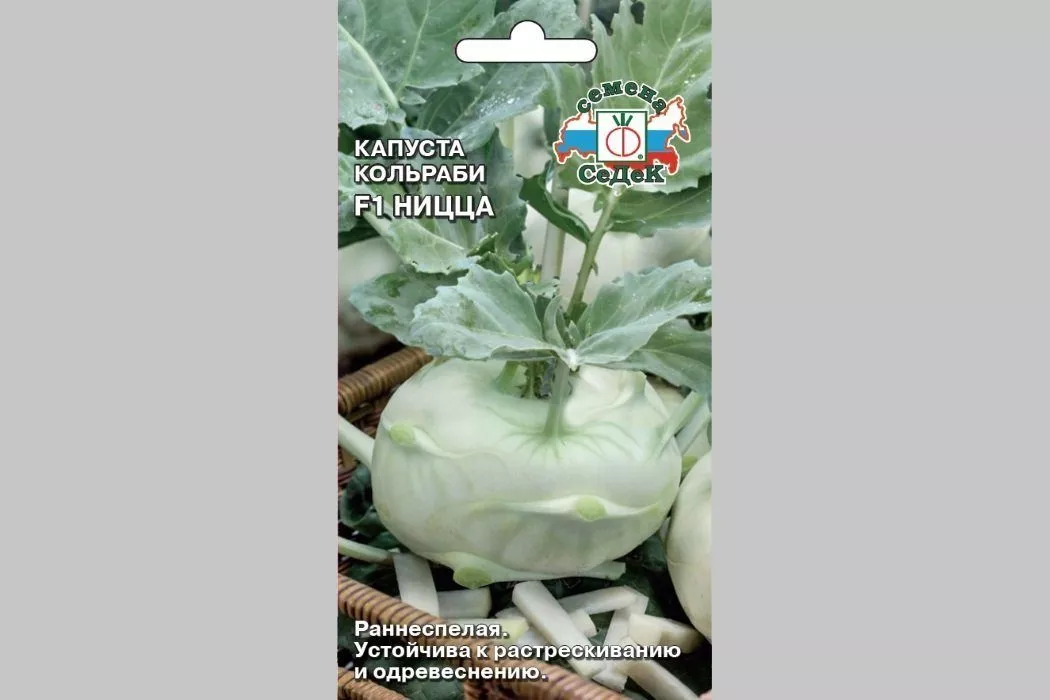
Nice
Oasis
Octave
Opus
Spicy
Cook
Gusto
Sonata
Varieties and characteristics:
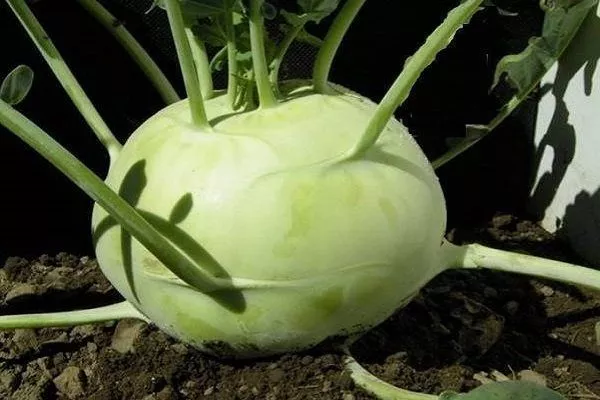
- AthenaThis variety is recommended for fresh consumption and processing. The rosette is medium-sized, semi-upright. The leaf is elongated-oval, reminiscent of an egg shape. The leaf color is gray-green with light green veins. It has a waxy coating. The flat upper surface of the leaf blade is virtually free of blistering.
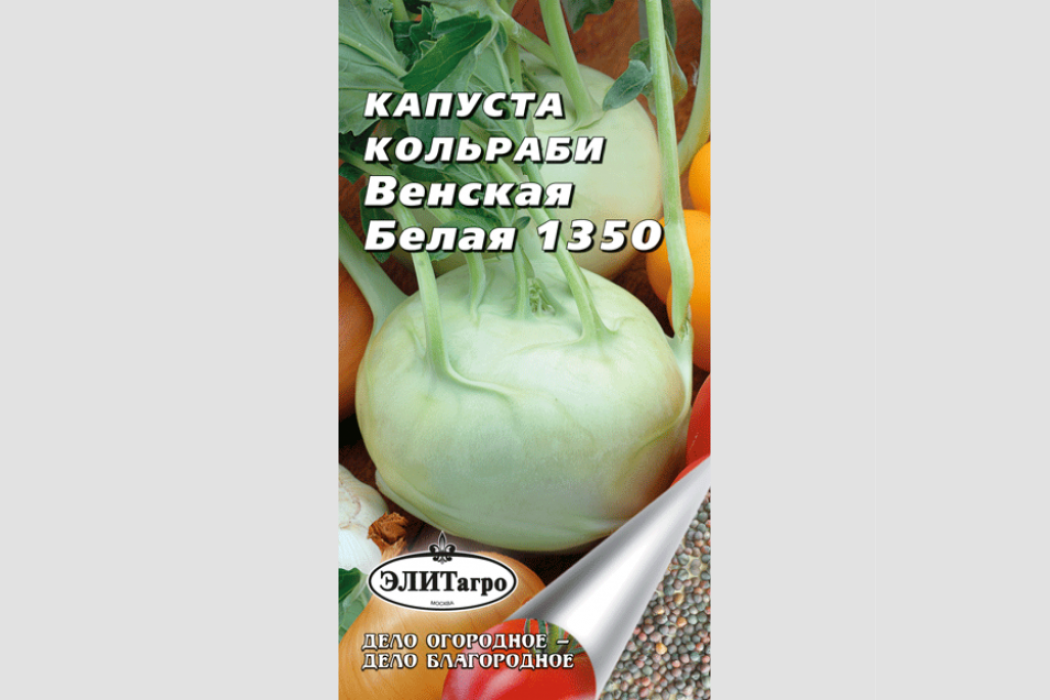
The petioles are white-green, medium in length, width, and thickness. The stem is round with a concave tip, the skin is green, and the flesh is white. Athena is small in size but has excellent flavor. The variety produces consistent yields. - Viennese white.Used fresh and in home cooking. The rosette of leaves is semi-raised. The dark blue-green leaf is medium-sized and has a slight waxy coating. The leaf margin is smooth and slightly bubbly.
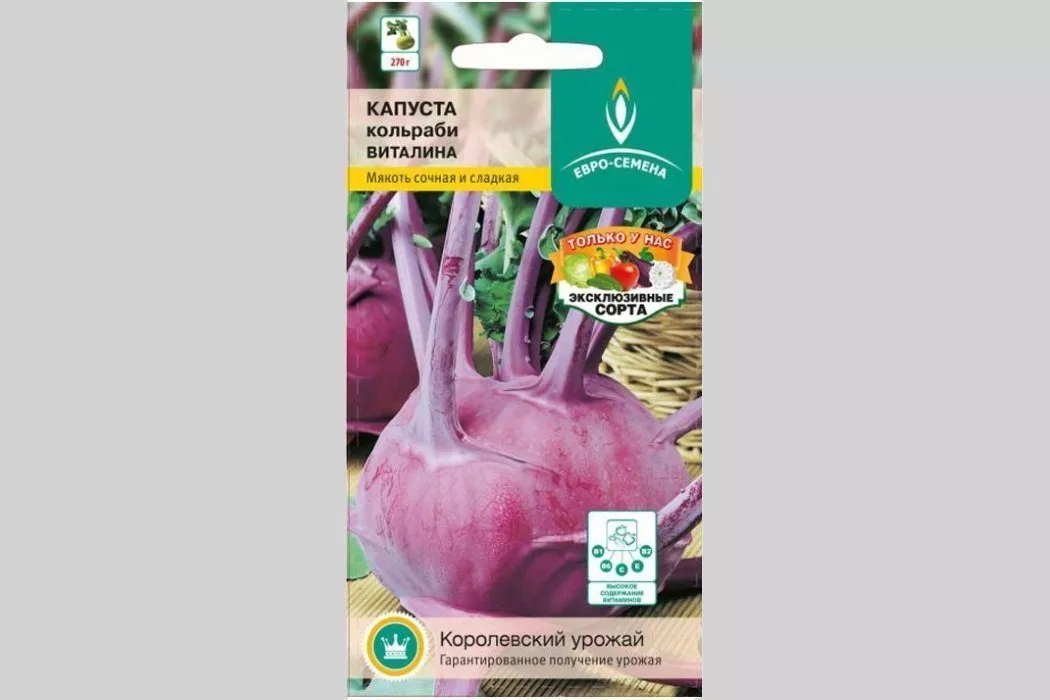
The stem is dark purple with white flesh and is round. The juicy flesh is high in sugar. This variety is drought-resistant and does not store well over winter. - Vitalina. Recommended for fresh consumption. The medium-sized, dark bluish-green leaf has purple veins and a light waxy coating. The leaf margin is lobed, the surface is blistered, and the petiole is medium in length and thickness. The skin of the stem is dark purple, and the white flesh is juicy and firm. It has an excellent flavor.
- Delicacy.Used fresh and for processing. The fruits are round and reddish-purple in color. They are prized for their high sugar and vitamin content. The variety's main advantages include excellent flavor, transportability, and excellent shelf life.
- The idea. This variety is included in the State Register for cultivation in private households. The rosette of leaves is semi-raised. The dark gray-green leaf has a light waxy coating and a dissected edge, with a vesicular surface. The petiole is medium-thick and long. The rounded stem is light green. The flesh is white, juicy, and has an excellent flavor.
Most gardeners prefer to plant this particular variety!
- Sissy. This variety is used fresh and in cooking. The medium-sized, dark gray-green leaves form a slightly raised rosette. The leaf margins are lobed, with a slight blistering on the surface. Nezhenka has thin, medium-sized petioles. The juicy white flesh has a delicious flavor.
- Nice. Recommended for fresh consumption and processing. The flat-round stem with vertically directed leaves is light green. The hybrid's value lies in its consistent yield, resistance to cracking and lignification, and relatively long shelf life.
If this variety is planted using seedlings at monthly intervals, then 2-4 harvests will be collected throughout the season.
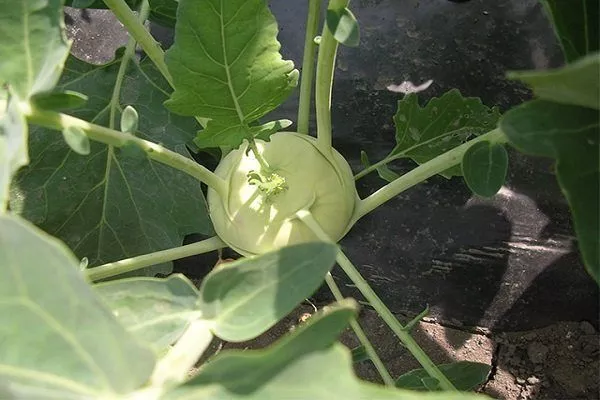
- Oasis. An early-ripening hybrid with a semi-erect rosette of leaves. The leaves are slightly dissected, medium-sized, and gray-green with short petioles. The waxy coating is moderate, the leaf margins are slightly dissected, and the surface is slightly blistered. The stem is obelliptical, with a white-green peel. It has an excellent flavor.
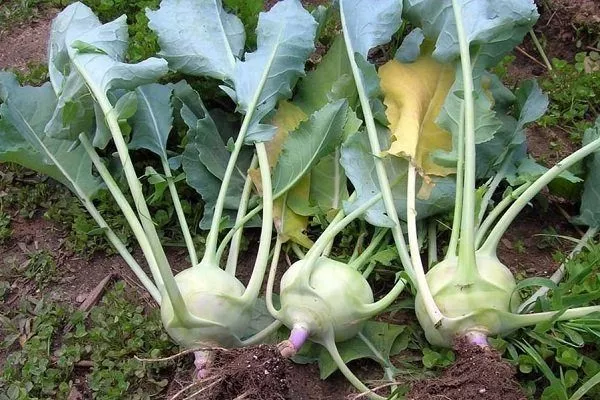
- Octave. Used fresh and in home cooking. The semi-erect rosette is formed by medium-sized, gray-green leaves. The waxy coating is moderate, the leaf margins are slightly dissected, and the surface is slightly blistered. The peel of the obovate stem is pale green. The flavor is good.
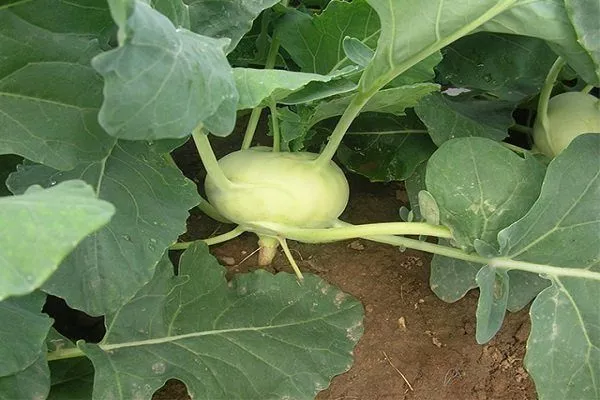
- Opus. A mid-early hybrid with a semi-erect rosette of leaves. The medium-sized leaf has a serrated edge and a medium-thick waxy coating. The petiole is standard to thick. The reverse-elliptic stem is white and green in color. It has excellent flavor.
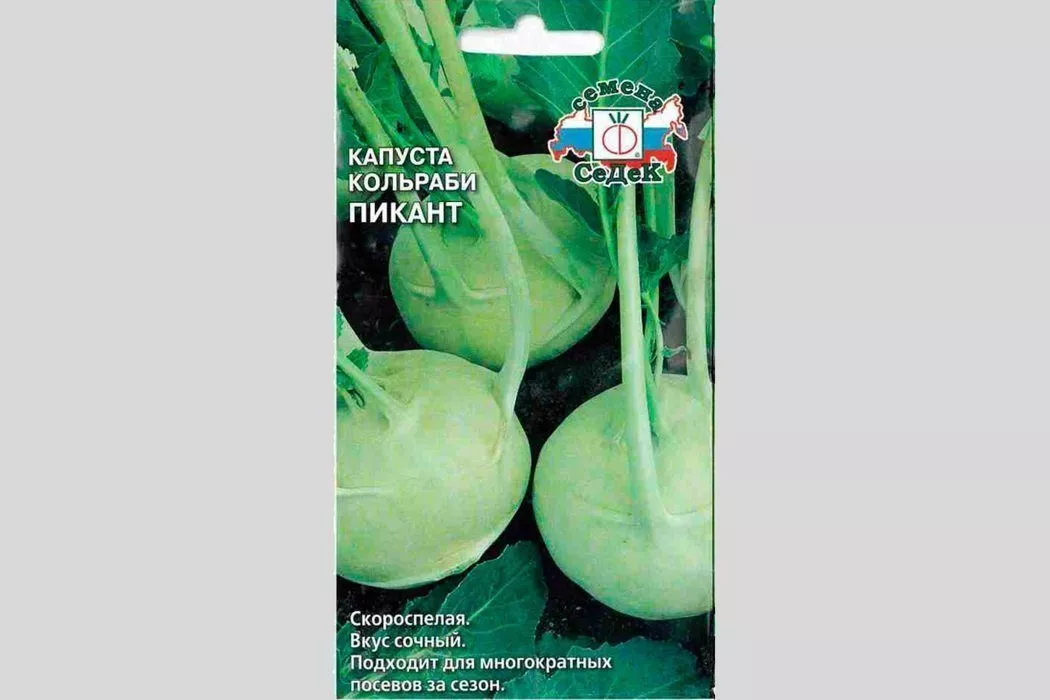
- Spicy. Recommended for fresh eating and cooking. The semi-upright rosette is formed by large, broadly oval, gray-green leaves with yellow-green veins. The rhizome is rotated elliptical with white-green skin. It has juicy, tasty flesh and is resistant to cracking and lignification.
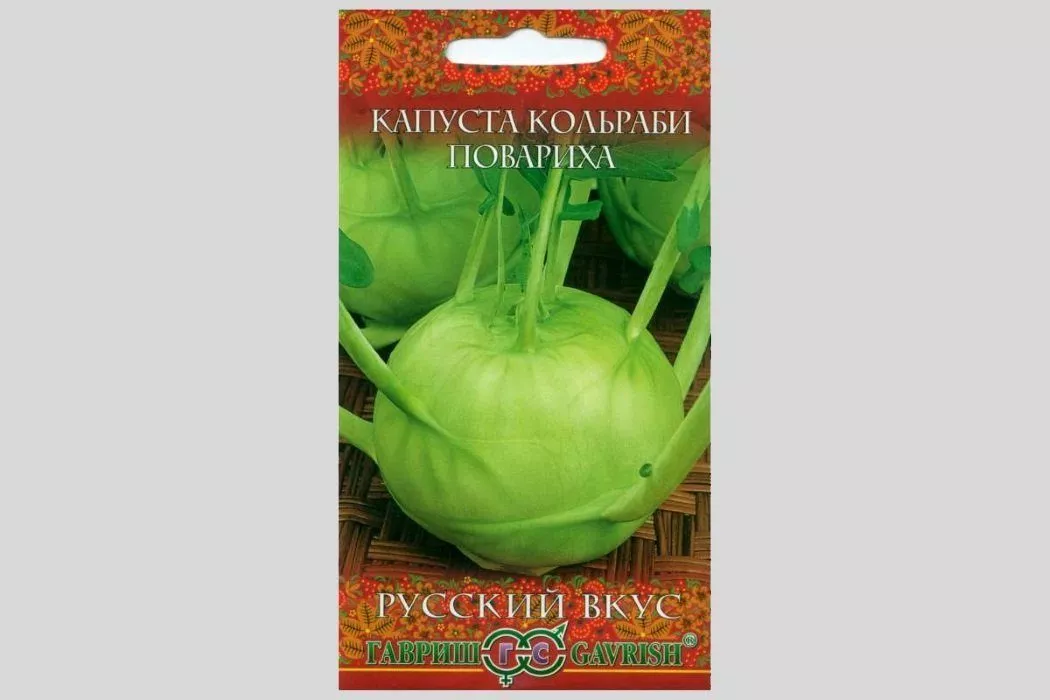
- Cook. An early-ripening fruit with a vertical rosette of leaves. The oval leaf is medium-sized and yellow-green with a slight waxy coating. The leaf edge is serrated, and the surface is slightly bubbly. The light-green stem has a broadly elliptical shape. The flavor is good.
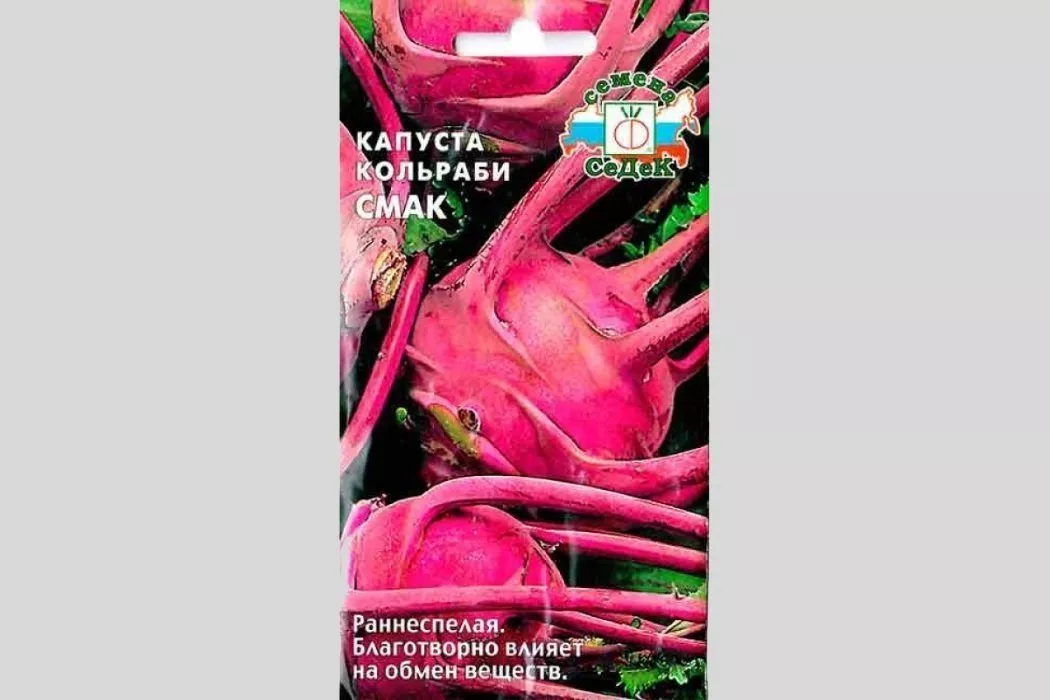
- Gusto. Used fresh and in home cooking. The rosette of leaves is semi-upright, formed by large, oval, gray-green leaves with light purple veins and a slight waxy coating. The dark purple stem is resistant to cracking and lignification and has excellent flavor.
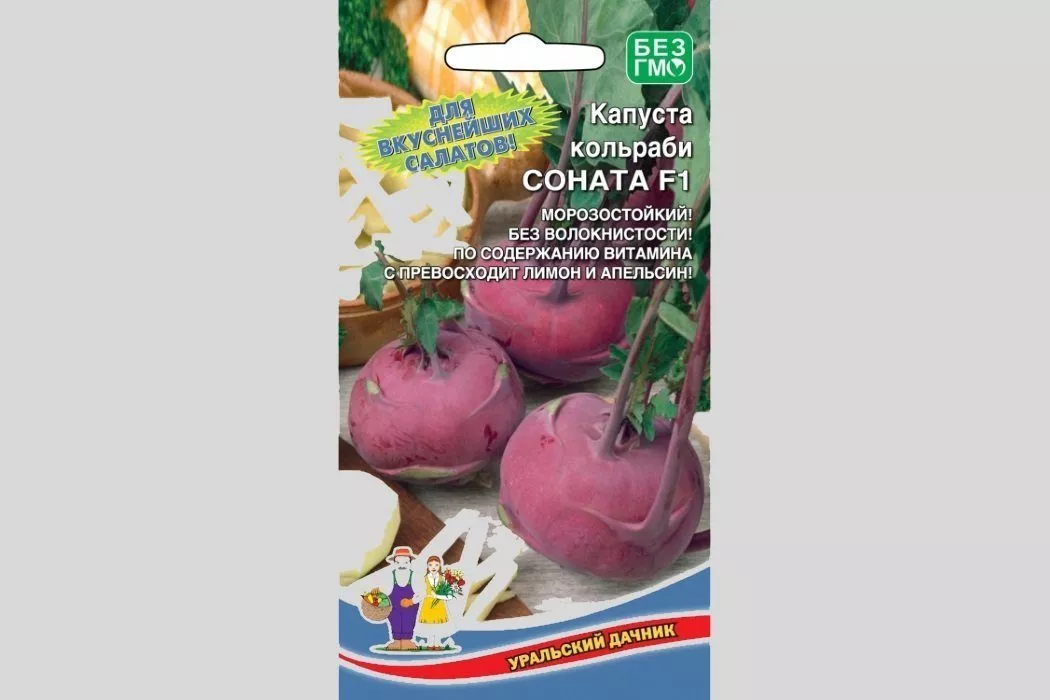
- Sonata. An early-ripening variety with a semi-upright rosette of leaves. The narrow, oval leaves have a light waxy coating and are blue-green with dark purple veins. The stem is round, with dark purple skin and white, juicy flesh.
Mid-early varieties
| Name | Disease resistance | Soil requirements | Ripening period |
|---|---|---|---|
| Vesta | Average | Low | 70-80 days |
| Dobrynya | High | Average | 70-80 days |
| Korist | High | Average | 70-80 days |
| Hen | Average | Low | 70-80 days |
| Lilac fog | High | Average | 70-80 days |
| Terek | High | Average | 70-80 days |
| Decree | High | Average | 70-80 days |
Mid-early kohlrabi varieties mature in 70-80 days. These plants are then sown directly from seeds in open ground. Mid-early cabbage is used both fresh and in various dishes.
| Cabbage variety | Weight of root crop, g | Yield kg/sq.m |
| Vesta | 480 | 2.1 |
| Dobrynya | 700 | 3.2-3.4 |
| Korist | 400-760 | 2.0-2.2 |
| Hen | 560 | 2.5 |
| Lilac fog | 300-1000 | 4.0-4.5 |
| Terek | 780 | 2.9 |
| Decree | 300-1200 | 1.9-7.2 |
Vesta
Dobrynya
Korist
Hen
Lilac fog
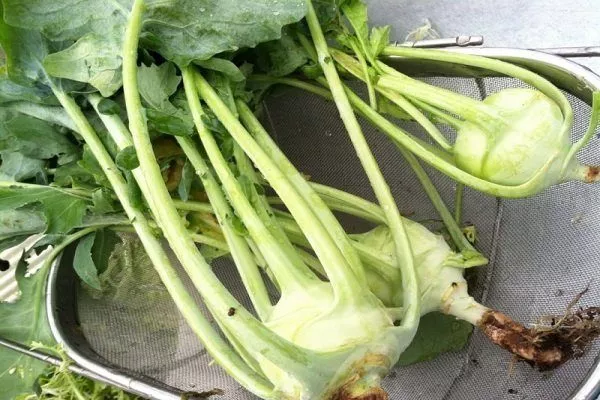
Terek
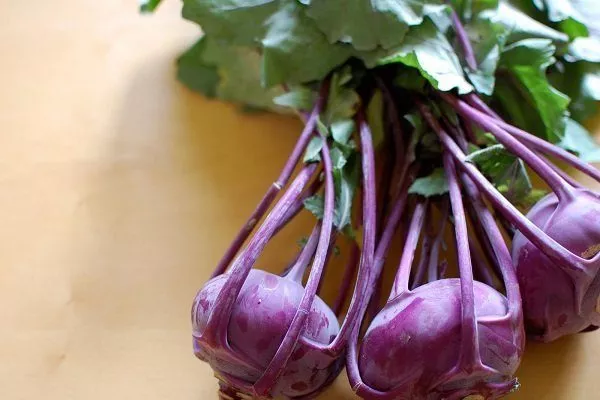
Narrow
Mid-early kohlrabi varieties produce a good harvest and tolerate light frosts. These varieties are approved for cultivation in all regions of the country:
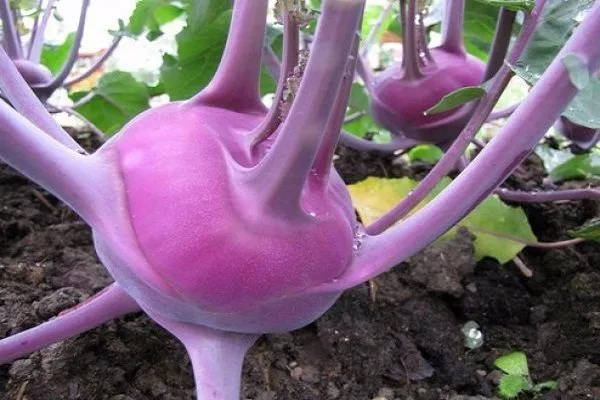
- Vesta. This variety is recommended for fresh eating and culinary use. The rosette of leaves is semi-raised, formed by dark blue-green leaves with smooth margins and a light waxy coating. The surface is slightly blistered, and the petiole is thin and medium-sized. The rounded stem is distinguished by its high sugar content and is purple in color. The variety is drought-resistant and does not store well in winter.
- Dobrynya.This hybrid is recommended for home cooking. Medium-length green leaves form a semi-erect rosette. The leaf margins are slightly serrated and have a slight waxy coating. The stem is broadly elliptical and white-green. The white, juicy flesh has an excellent flavor.
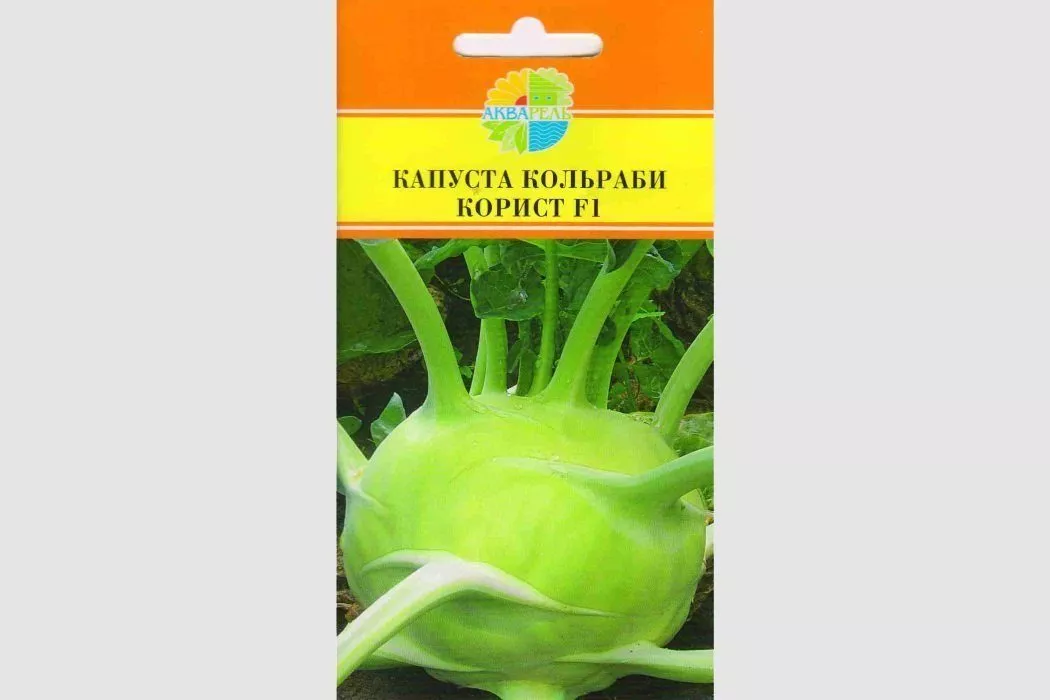
- Korist. This Dutch hybrid is approved for cultivation throughout Russia. The leaves are broad, oval, gray-green, and have a light waxy coating. The leaf margins are wavy. The stem is round and flat, light green with white flesh. A benefit of this variety is that the stem remains firm for a long time.
- Hen. A mid-early variety with a semi-raised rosette of leaves. The leaves are long, dark blue-green, with a slight waxy coating and smooth edges. The peel is bright or dark purple. It has a vibrant flavor.
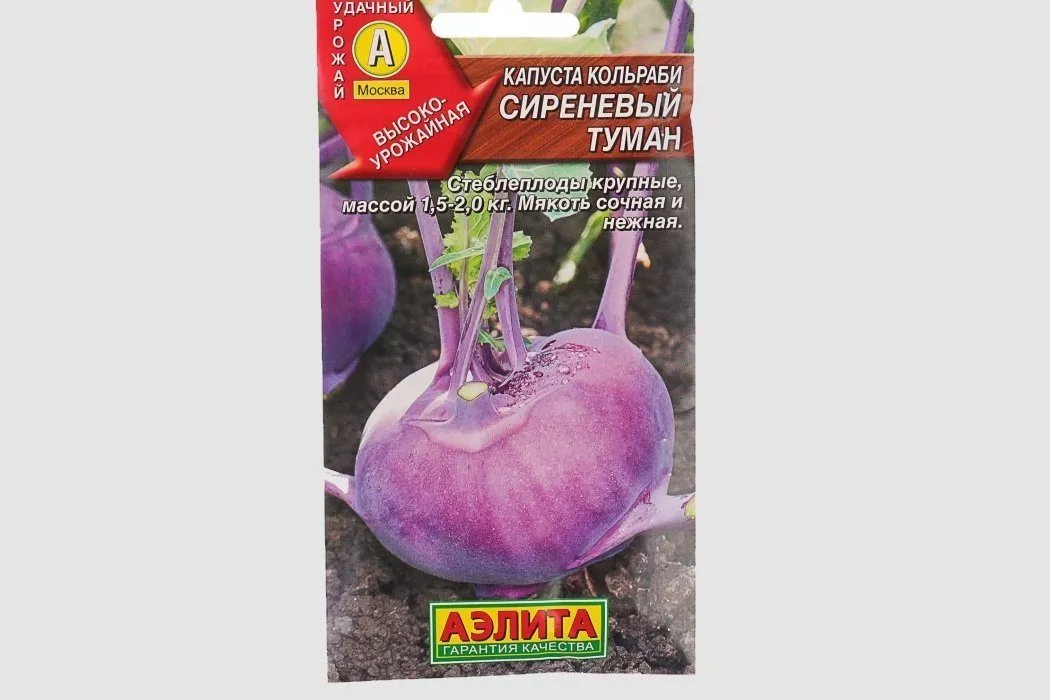
- Lilac fog. Recommended for fresh eating and cooking. It has a semi-erect rosette of leaves. The medium-sized leaf is dark blue-green, with a smooth edge and a bubbly surface. The stem is broadly elliptical with dark purple skin and juicy, white flesh.
- Terek. A hybrid with a semi-erect rosette of leaves. The leaf color varies from blue-green to dark blue-green with a medium to strong waxy coating. The leaf margins are dissected, and the surface is slightly blistered. The stem is reverse-elliptic, white-green. The flavor is excellent.
- Decree. This mid-early Dutch hybrid is recommended for home cooking. The rosette of leaves is semi-erect. The dark blue-green, medium-length leaf has a strong waxy coating. The leaf margins are slightly serrated, with moderate blistering. The dark purple stem has juicy, crisp flesh with excellent flavor.
Mid-season varieties
| Name | Disease resistance | Soil requirements | Ripening period |
|---|---|---|---|
| Blue Planet | High | Average | 80-120 days |
| Gulliver | High | Tall | 80-120 days |
| Eder | Average | Average | 80-120 days |
| Cartago | High | Average | 80-120 days |
| Madonna | High | Tall | 80-120 days |
Mid-season kohlrabi is ready to eat within 80-120 days of planting. These varieties are primarily used for various dishes. The vegetable is stuffed and baked or stewed.
| Cabbage variety | Weight of root crop, g | Yield kg/sq.m |
| Blue Planet | 150-250 | 2.5-3.0 |
| Gulliver | 1500 | 4.7 |
| Eder | 400 | 3.6 |
| Cartago | 200-300 | 3.0-3.5 |
| Madonna | 1300 | 4.0 |
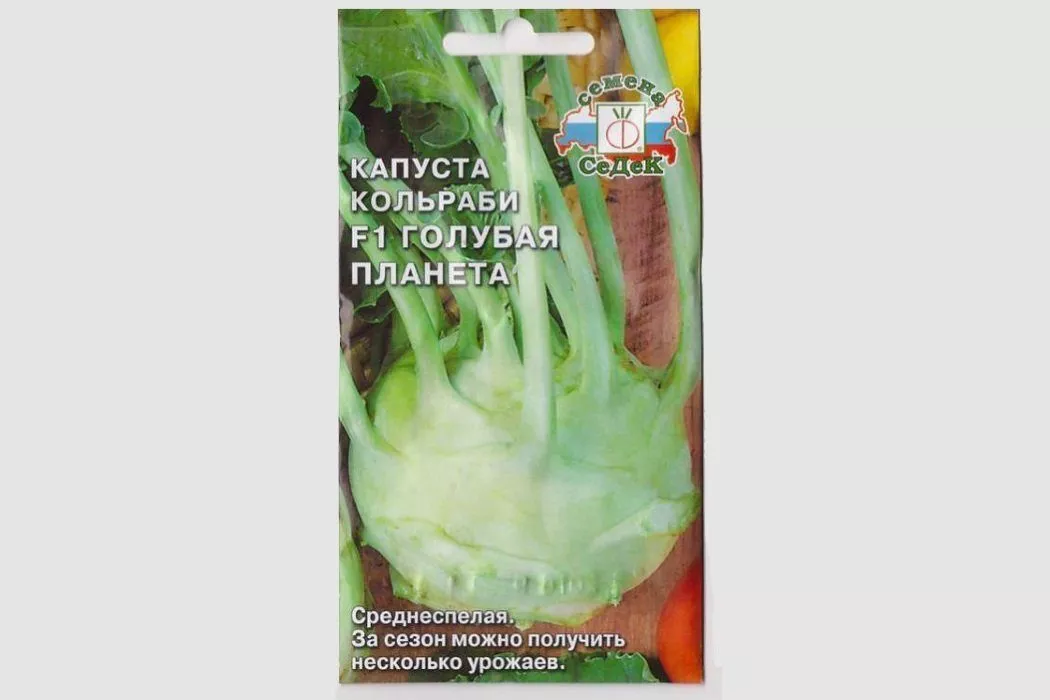
Blue Planet
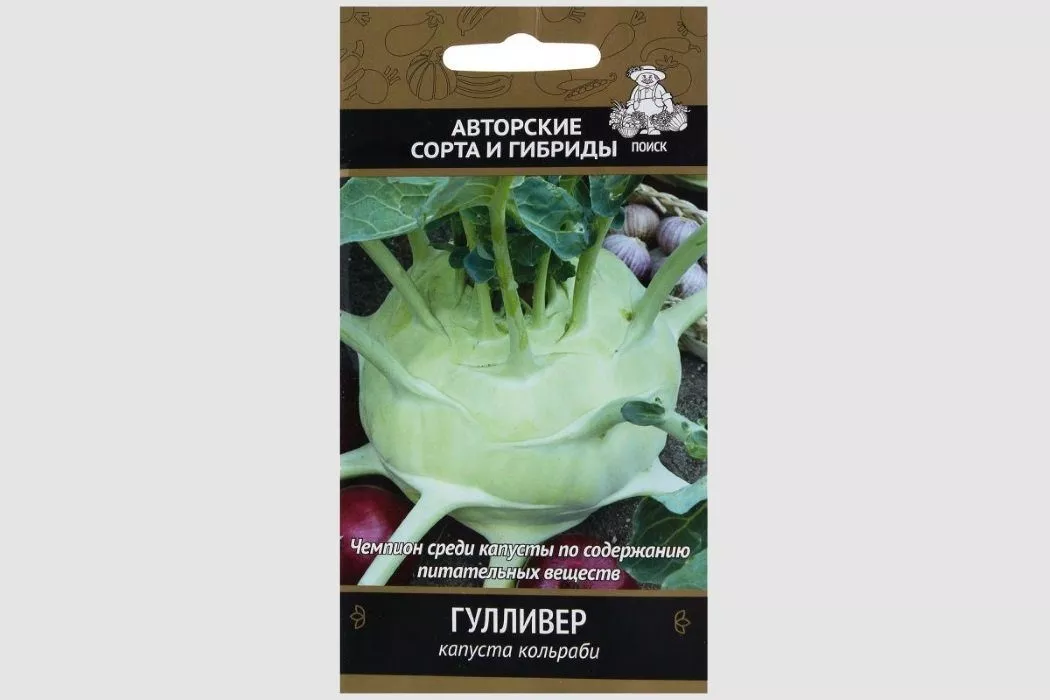
Gulliver
Eder
Cartago
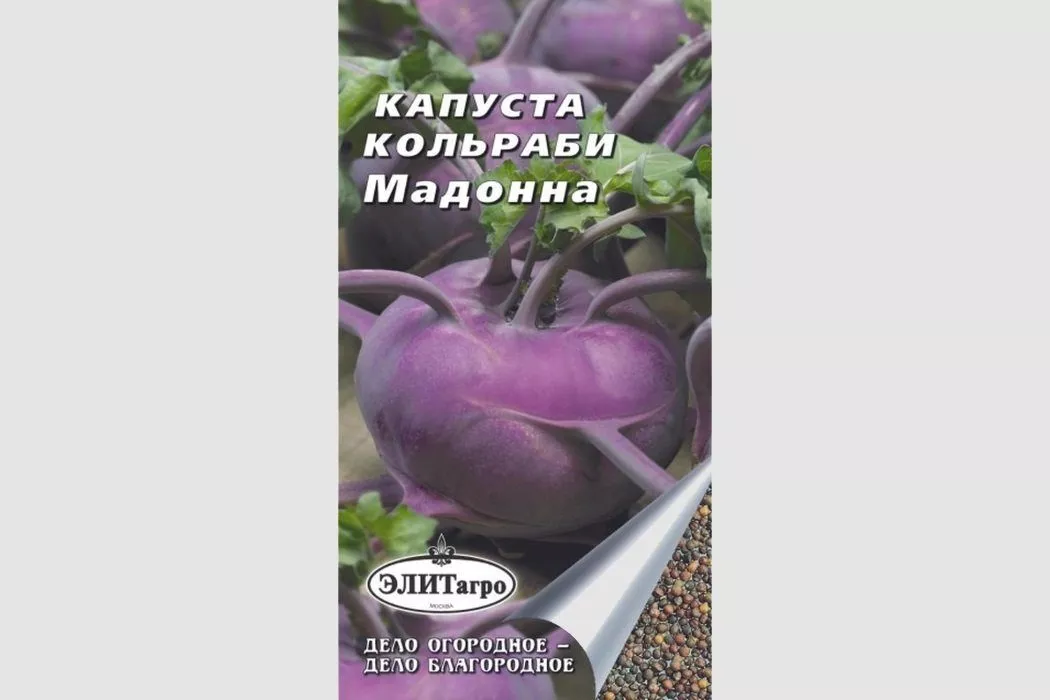
Madonna
Recently, more and more hybrids have emerged whose stems are resistant to cracking and woodiness. The best mid-season varieties are considered to be:
- Blue Planet. This hybrid has white, dense, juicy, and sweet flesh. It's weather-resistant and suitable for long-term storage. Its main distinguishing feature is its color, which is often turquoise.
- Gulliver. Recommended for fresh consumption and home cooking. The medium-sized, oval leaves form a semi-upright rosette. The leaves are gray-green with a slight waxy coating. The round stem is yellowish-green. It has an excellent flavor.
- Eder. Included in the State Register of the Russian Federation for garden plots, homesteads, and small farms. The rosette of leaves is semi-upright. The medium-sized leaf is oval with a slight waxy coating. The elliptical, white-green stem has a flat top and whitish flesh. It is resistant to lignification.
- Cartago. Recommended for fresh consumption. The blunt-tipped leaves form a vertical rosette. Their color is pale, dirty green. The leaf edges are lobed, and the surface is moderately blistered. The rounded, flattened stem has a delicate flavor. This variety produces a consistent yield and is resistant to cracking and lignification.
- Madonna.This mid-season variety is recommended for growing in private gardens. The rosette of leaves is semi-upright. The blue-green, rounded leaves have a slight waxy coating. The stem is broadly elliptical with light purple skin.
Late-ripening varieties
| Name | Disease resistance | Soil requirements | Ripening period |
|---|---|---|---|
| Violetta | High | Tall | 120-180 days |
| Giant | High | Tall | 120-180 days |
| Hummingbird | Average | Average | 120-180 days |
| Kossak | High | Tall | 120-180 days |
These varieties have the longest growing season, ranging from 120 to 180 days. They are more resistant to bolting and tolerate frost well. Their denser flesh makes them ideal for canning and long-term storage.
| Cabbage variety | Weight of root crop, g | Yield kg/sq.m |
| Violetta | 1500-2000 | 2.2-2.6 |
| Giant | 2500-3000 | 3.0-3.5 |
| Hummingbird | 700-900 | 3.0-4.0 |
| Kossak | 400-760 | 2.0-2.2 |
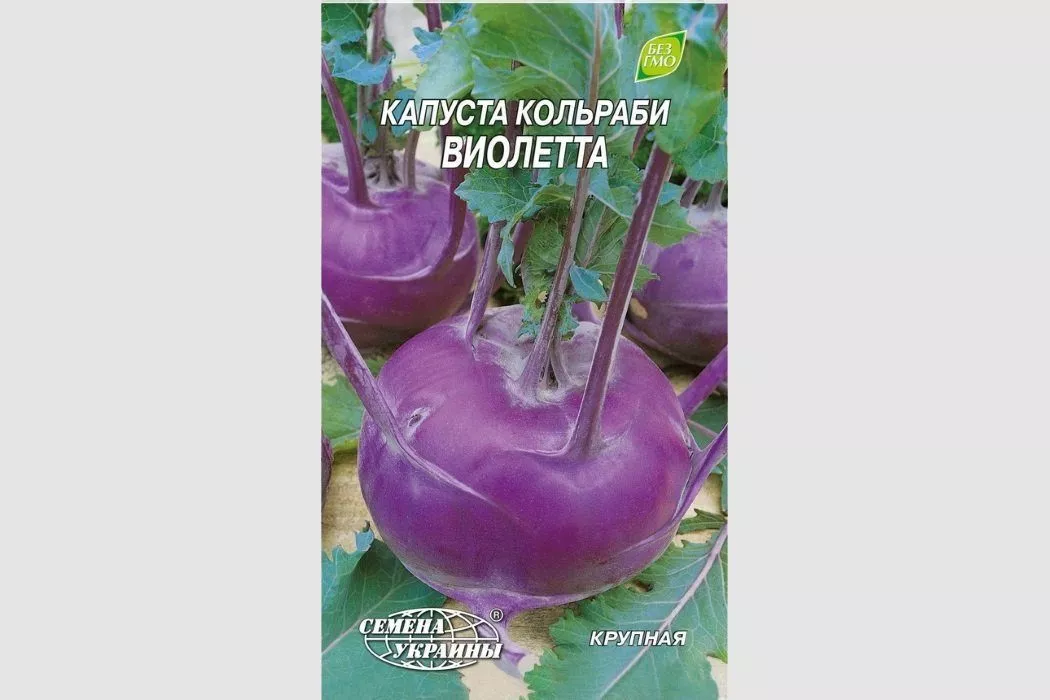
Violetta
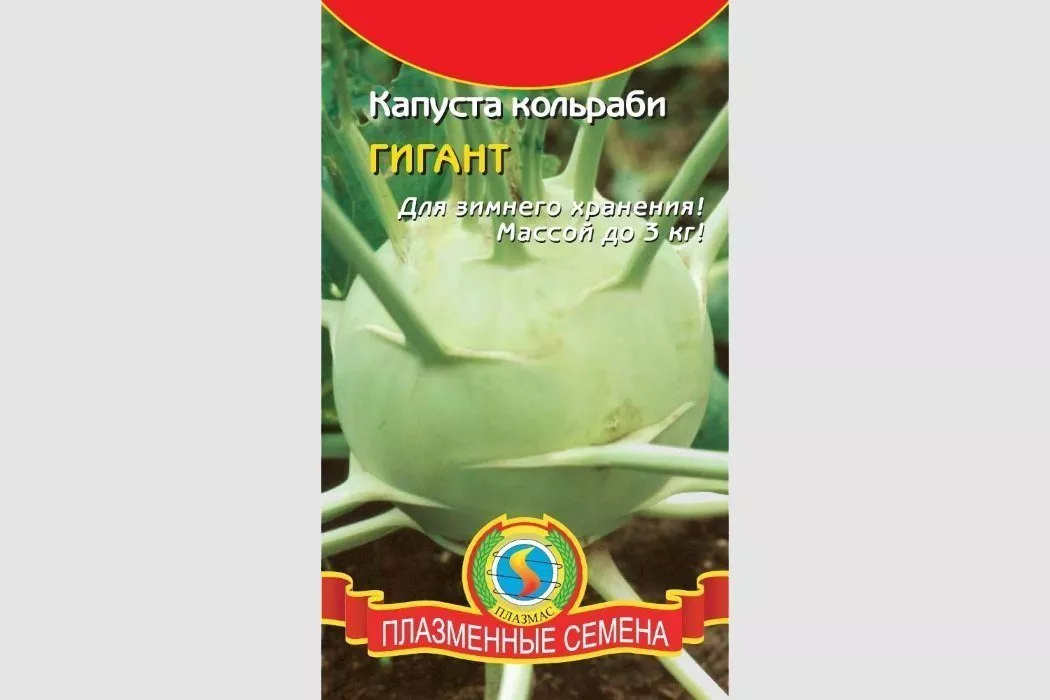
Giant
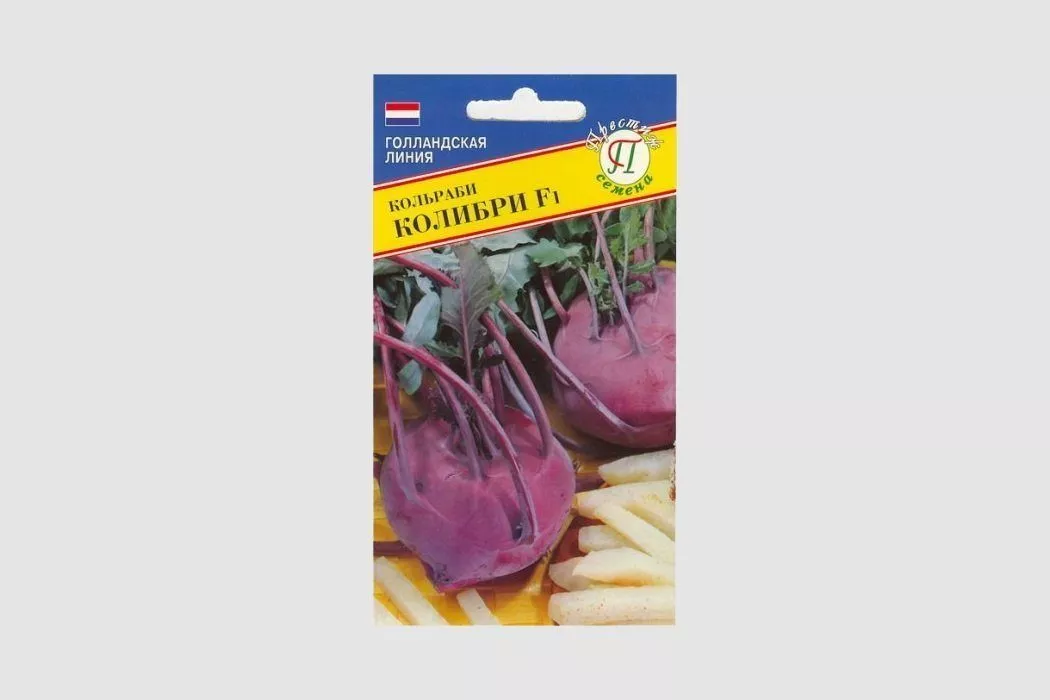
Hummingbird
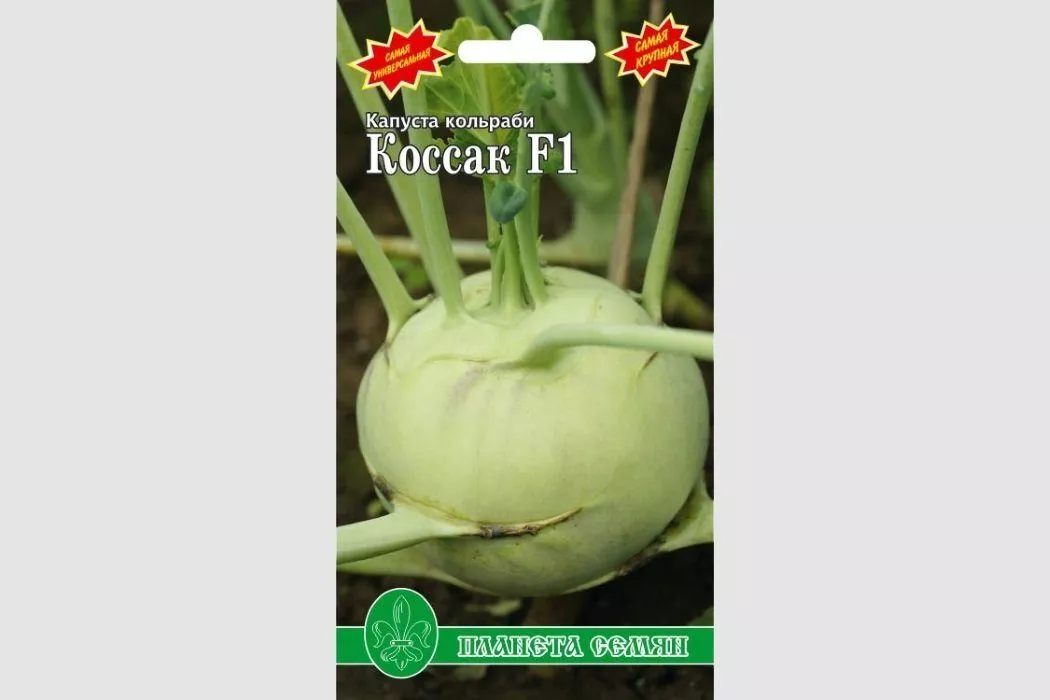
Kossak
The Violetta and Giant varieties can be left for a second year to produce seed, while Kolibri and Kossak are hybrids grown from seed from the producers. Distinguishing features of these varieties include:
- Violetta. This Czech variety is recommended for fresh consumption and processing. The oval, flat leaves are blue-green with light purple veins and form a semi-upright rosette 50-70 cm in diameter. The round, flat stem is dark purple with juicy white flesh. It is frost-hardy and has average shelf life during winter storage.
- Giant. Another Czech variety with a large, semi-upright rosette. The broadly oval leaf blade is gray-green with a medium waxy coating. The veins are white-green. The stem grows large, whitish-green, with a concave apex. It is heat- and drought-resistant and stores well.
- Hummingbird. Recommended for fresh consumption and home cooking. The semi-upright rosette consists of medium-sized green leaves with a medium-thick waxy coating. The elliptic stem has dark purple skin. It has excellent flavor.
- Kossak. Used for processing. The rosette of leaves is semi-upright, formed by large, dark green leaves with a medium waxy coating. The large, yellowish-green stem is elliptical with a flat top. The flavor is excellent.
Kohlrabi cultivation techniques
Growing kohlrabi is not much different from growing other types of cabbage. Almost all varieties of this vegetable are frost-hardy, so they tolerate planting outdoors well. Growing from seedlings is used only to obtain an earlier harvest of early-ripening hybrids. However, these can also be safely planted outdoors from seeds, especially in the southern regions.
Soil preparation
Kohlrabi, unlike cabbage, can grow even in poor soil, but by fertilizing and enriching the soil, you'll get a much better harvest. This vegetable doesn't tolerate acidic soils. Such soils require liming before planting. The best predecessors for kohlrabi are pumpkins, tomatoes, carrots, squash, and legumes.
- ✓ Soil pH should be between 6.0-7.5 for optimal growth.
- ✓ The soil should be well drained to avoid water stagnation.
Land preparation includes the following stages:
- in autumn, dig up the soil with the addition of manure and humus (4 kg per sq. m);
- add mineral fertilizers containing potassium, phosphorus and nitrogen, or ash;
- In the spring, apply fertilizer again, working it into the top layer of soil using a rake;
- If fertilizers were not applied either in autumn or winter, apply them to each hole during planting, or add ash (40 g per hole).
Planting using seedlings
To get an early cabbage harvest, use seedling planting. In northern regions, this method is used for all kohlrabi varieties, yielding up to two harvests per season.
If you want to grow kohlrabi seedlings, follow these tips:
- Preparing and sowing seeds. Commercial seeds are usually already sorted and disinfected and require no pre-treatment. Sow seeds in pots with 2-3 seeds per pot, or in boxes, and transplant the seedlings later.
- Planting dates. Start germinating seedlings for early kohlrabi varieties from the beginning to the end of March, depending on the planting region and weather conditions.
- Temperature conditions. Germinate the seeds at a temperature of 20 degrees Celsius (68 degrees Fahrenheit). Once the seedlings emerge, lower the temperature by at least 10 degrees Celsius (32 degrees Fahrenheit) and harden off the seedlings for 7-10 days. This is necessary to prevent the seedlings from becoming too tall. Then increase the temperature to 16-18 degrees Celsius (61-65 degrees Fahrenheit) during the day, and be sure to lower it to 11 degrees Celsius (53 degrees Fahrenheit) at night.
- Dive. Kohlrabi doesn't tolerate transplanting well, but if you do use this method, transplant the seedlings 8-10 days after germination. Then water the seedlings and provide shade. Maintain the temperature at 20 degrees Celsius for 2-3 days, then lower it.
- Watering. Water the seedlings every other day.
- Top dressing. If the plant appears healthy and is suffering from diseases, fertilizing is not necessary. If blackleg appears, water the soil with a weak solution of potassium permanganate and dry the soil with dry sand.
- Sorting seedlings. Before planting outdoors, harden off the seedlings and sort them. Kohlrabi is less susceptible to disease than other cabbage varieties, but overwatering can cause blackleg disease.
The seedlings are ready for planting outdoors in approximately 30-35 days, when each sprout has 4-5 true leaves. Kohlrabi is very sun-loving, so provide additional lighting when growing the seedlings.
Seedlings are planted in open ground in late April – early May, when the air temperature exceeds 8 degrees.
For information on how to properly sow kohlrabi seeds: how to prepare the soil, how to choose kohlrabi seeds, how to prepare the seeds for sowing, and how to care for the crops, watch the following video:
Planting in open ground
Early varieties can be sown directly into the ground from seeds; the harvest will simply be a little later. Early and mid-season varieties should be planted in the ground under plastic in early May. Then, plant the prepared seedlings in the ground, also under plastic. Plant cabbage in open ground in mid-May, and sow late varieties in late May.
Weather plays a major role when planting. If the spring is cold, you'll need to wait. At low temperatures, kohlrabi will produce flower stalks instead of growing stems.
Planting kohlrabi is no different from planting other types of cabbage:
- Preparing the soil. Prepare the soil for planting cabbage, add mineral fertilizers or ash to each hole and thoroughly water the hole with at least 2 liters of water.
- Planting diagram. Plant early-ripening varieties in the ground with a distance of 40-45 cm between strips, 20-30 cm between rows in the strip, and 15-20 cm between plants. Late-ripening varieties - in rows 60 cm apart, 20-25 cm within a row.
- Sorting and planting seedlings. If you're planting seedlings, sort them thoroughly and discard weak or diseased plants. Plant in the evening. Place the seedlings no deeper than the cotyledons to ensure proper stem development. When planting, firm the soil in the hole, water it, and cover with dry soil to prevent drying out.
When planting seeds, sow in reserve and thin out the seedlings later. To make planting easier, brew a thin flour paste, cool it to room temperature, add cabbage seeds, and use a teapot with a spout to pour the mixture onto the prepared rows. Embed the seeds into the soil to a depth of 1.5-2 cm.
To ensure that you have cabbage on your table all summer long, plant it in several stages every 20-30 days.
For information on how to properly plant kohlrabi seedlings, watch the following video:
Caring for cabbage
To get a good harvest of kohlrabi, you need to water it regularly, feed the plant, loosen the soil and remove weeds:
- Watering. This cabbage variety doesn't require as much water as others, but it doesn't like the soil to dry out. Therefore, it's best to water it with a sprinkler followed by loosening the soil. Water every 2-3 days; as the plant grows, and in mild summers, watering can be reduced to once a week.
- Top dressing. Fertilizing is usually done twice. The first time, with a solution of rotted manure diluted with water at a ratio of 1:5. The second time, with a complex mineral fertilizer according to the instructions.
- Loosening and removing weeds. Kohlrabi thrives in loose soil, so it should be loosened as often as possible—after every watering and rain. This helps retain moisture and eliminate weeds. Unlike cabbage, kohlrabi is not hilled to avoid interfering with the development of the stem.
- The first feeding should be carried out 2 weeks after planting the seedlings, using a solution of mullein (1:10).
- The second feeding should be carried out at the beginning of the formation of the root crop, using a complex mineral fertilizer with a predominance of potassium.
Diseases and pests
Kohlrabi is less susceptible to diseases common to all cruciferous plants than other cabbage varieties. New varieties have been developed that are more resistant to cabbage diseases. To prevent your plants from becoming ill, follow these preventative measures:
- In the fall, remove all residues from the garden;
- do not plant cabbage in the same place;
- treat seeds with a weak solution of potassium permanganate before sowing;
- do not plant too densely;
- Do not water plants more often than recommended.
If plants do become diseased, use commercially available treatments: insecticides for insect repellents and fungicides for fungal diseases. Only prompt removal of diseased plants will help against viral diseases.
If you don't want to use chemicals in your garden, folk remedies can help against insects and pests: a mixture of dry mustard, black pepper, and ash, or a mixture of ash, tobacco, and ground pepper. These mixtures can be sprinkled on the soil around the cabbage, and solutions prepared from these mixtures with the addition of liquid soap can be sprayed on the plants.
Collection and storage
Kohlrabi is harvested as the stem ripens. If left on the vine after ripening, it can become woody and split. However, recently, varieties have emerged that retain their marketable qualities even when overripe.
Early and mid-season kohlrabi varieties are eaten fresh or used for processing. These varieties do not store well.
Late-ripening kohlrabi varieties, thanks to their denser internal structure, pickle and store well. The cabbage is dug up, the rosette of leaves is removed, and the stem and roots are stored in a basement, covered with sand.
However, it's important to maintain the proper temperature conditions in the basement. Humidity should not fall below 95%, and the temperature should never rise above 0 degrees Celsius. Only then will the cabbage be stored well for up to 6-8 months.
Kohlrabi can be stored in the refrigerator, but for no more than three weeks. It can also be frozen, after cutting it into strips or grating it. Frozen kohlrabi is suitable for main courses or adding to soups.
Reviews from gardeners
Growing kohlrabi isn't particularly difficult, especially for those who have already grown other types of cabbage in their garden. You can get two or even three harvests per season and enjoy this vegetable all summer long.