
Stone Head cabbage is a source of pleasure and benefit for gardeners and their families. Thanks to its high yield, long shelf life, and ease of cultivation, this variety has become popular throughout our country. It's important to provide this crop with proper care, protecting it from diseases and pests to ensure it grows large and healthy.
Origin of the variety
Developed by Polish breeders, this white cabbage variety was approved for use in 2006 and included in the Unified State Register of Breeding Achievements of Russia.
Key Features
The crop has many positive characteristics, making it promising for cultivation. Before planting, it's important to study the variety's characteristics.
Appearance of fruits and plants
Characterized by its large size and noticeable blistering on the leaf surface, it possesses numerous qualities that distinguish it from other varieties:
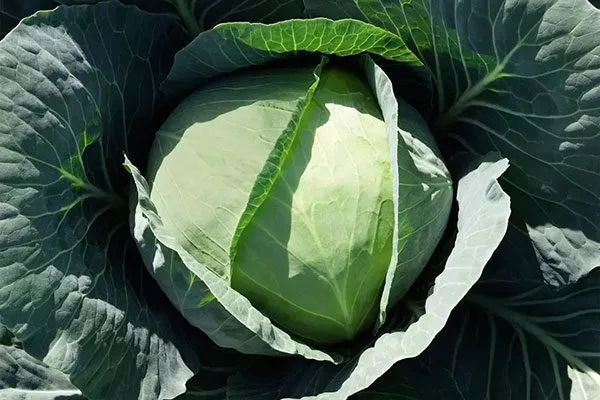
- The leaves are greyish-green in colour and the outer part of the plant can be either short or medium in length, while the inner part usually grows in an elongated form.
- The heads of cabbage reach impressive sizes, usually weighing from 3 to 3.5 kg, sometimes reaching 5-6 kg.
- It has a regular round shape and a light green outer color, while the inner part is yellowish.
- Ripe heads of cabbage have a high density and juicy structure, their surface is not prone to cracking.
- The inner leaves of the heads do not have dense veins, and the leaves are practically not separated from each other, forming a single whole.
Taste and purpose
It boasts high yields and high quality characteristics. It has a dense, juicy texture and is virtually free of bitterness. This makes it ideal for preparing a variety of dishes, both for everyday consumption and for winter preservation.
This variety performs well in pickling and salting. During fermentation, the cabbage retains its firmness and juiciness, acquiring a pleasant crunch.
Ripening and yield
It takes approximately 140-160 days from germination to the heads reaching technical maturity. To ensure vegetables have a long shelf life and last longer, it is recommended to harvest before the first frost.
Stone Head cabbage is known for its high yield. Large plantings can yield between 44 and 58 tons of cabbage per hectare. In small, well-maintained private plots, growers can harvest approximately 11 kg of cabbage per square meter.
Chemical composition and beneficial properties
It has significant nutritional value. Per 100 g of fresh product, it contains 1.8 g of protein, 0.2 g of fat, 4.7 g of carbohydrates, and 2 g of dietary fiber. It contains 90 g of water. The caloric value of the vegetable is 28 kcal.
White cabbage is a source of vitamins B2 (3.9%), B9 (5.5%), C (67%), K (63%), and minerals silicon (177%), cobalt (30%), magnesium (8.5%).
It is characterized by useful properties:
- Cleanses the body of toxins, cholesterol and other harmful substances, reducing the load on the liver.
- Minimizes the risk of developing atherosclerosis.
- Maintains normal blood glucose levels.
- Strengthens and maintains immunity.
- Reduces the risk of developing gout.
- Has a positive effect on the functioning of the liver and gallbladder.
- Reduces the risk of neoplasms.
- Relieves pain.
Which regions is it best suited for?
The variety is adapted to a temperate climate, so nighttime and daytime temperature fluctuations have no significant impact on the size and density of the cabbage head. It is successfully grown in various regions of Russia, including the European part, the southern regions, the central part of Russia, and even Siberia.
- ✓ Cabbage heads have a unique ability to self-preserve, which extends shelf life without loss of quality.
- ✓ The variety demonstrates increased resistance to sudden temperature changes, which is rare for white cabbage.
Differences from other varieties and hybrids
The main distinguishing feature of this variety is its high head density, where the leaves form without gaps. This makes the heads denser and more compact, which improves their shelf life and facilitates transportation.
Another important quality is that Stone Head is a self-sufficient cultivar and capable of producing viable seeds. This means it can be used for independent propagation.
Advantages and disadvantages
The Stone Head variety quickly became popular among vegetable growers due to its many positive characteristics. Key benefits include:
How and when to plant?
Choose well-lit areas with soil that has a neutral pH. In the fall, add rotted manure, compost, or humus at a rate of 10 kg per square meter, along with superphosphate and wood ash. Dig the area.
- ✓ The soil pH level should be strictly within 6.5-7.5 for optimal nutrient absorption.
- ✓ The soil should have a high water-holding capacity, but at the same time not allow water to stagnate.
Growing without seedlings
When sowing seeds in a greenhouse, use 3-4 g of material per 1 square meter. When transplanting seedlings into the ground, follow a pattern with intervals of 70 x 70 cm. When sowing seeds in soil, use a proportion of 0.20 g per 1 square meter. The seed depth should be 1.5-2 cm.
Seedling method of cultivation
To treat seed material to prevent fungal diseases, follow these instructions:
- Select seeds with a size of 1.5 mm or more for sowing.
- Place them in water at a temperature of +40°C to +50°C for 15-20 minutes, then dip them in cold liquid.
- Dry and treat with the fungicide Fitosporin-M by soaking for 8-18 hours.
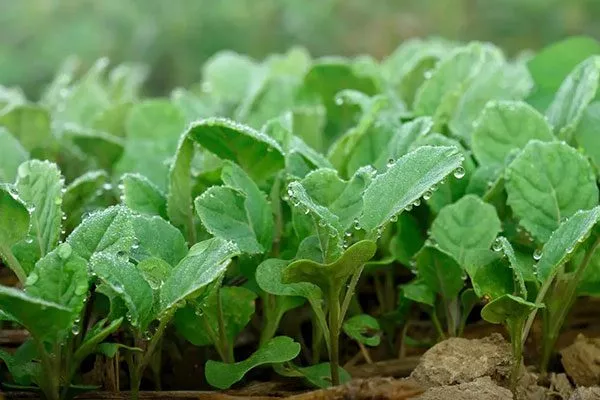
Before sowing seeds, prepare the soil mixture. You can use one of the following options:
- 75% peat, 20% turf soil, 5% sand;
- 45% humus, 50% turf soil and 5% sand;
- 20% of turf soil, humus, compost, peat and 5% of sand.
Next, distribute the seeds into seedling containers filled with prepared soil, water with Alerin-B and Gamair solutions, leave for 3 days, and form furrows for sowing. Seedlings will emerge in 4-5 days, after which they can be transplanted into individual pots.
Caring for seedlings at home
Before transplanting, add 20 g of double superphosphate and 40 g of wood ash per 10 kg of soil. Provide the seedlings with light and maintain a temperature of around 18°C. Two weeks before planting, fertilize the seedlings with a solution containing urea and potassium sulfate.
Transplanting cabbage into the garden
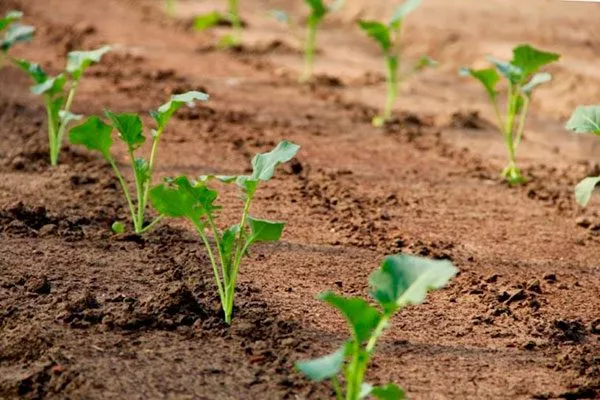
Plant cabbage seedlings in late spring or early summer. It's recommended to space plants 50 cm apart, with a 60 cm gap between rows.
Caring for cabbage in open ground
Proper care is essential to ensure a good harvest. Product quality depends on adherence to all necessary guidelines:
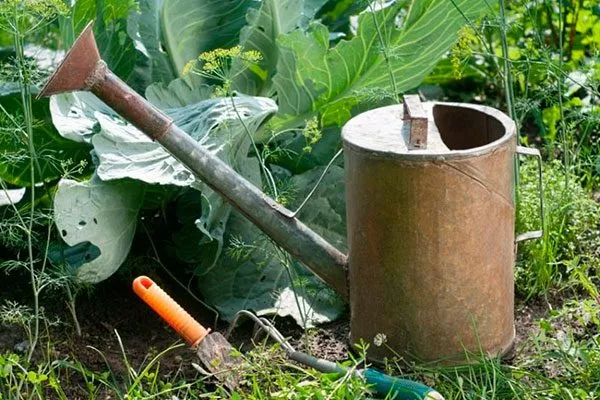
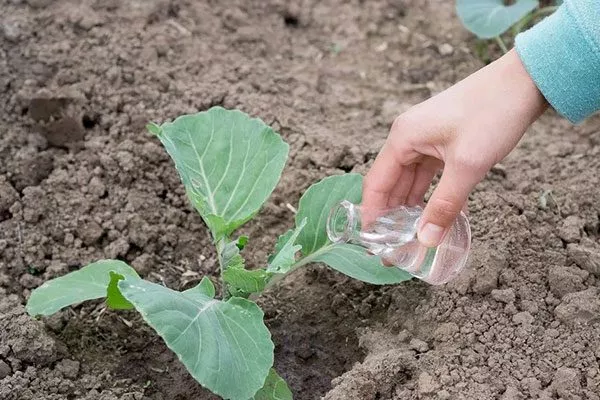
- Watering. Provide your plants with regular watering. Pay particular attention to watering during the first two weeks after planting. The water should not be cold. Per square meter of area, up to 8 liters of water may be required. The ideal time for watering is morning or evening.
When the seedlings are young, use a sprayer or a sprinkler, or dig shallow holes next to the bush or trenches parallel to the cabbage rows and fill them with water.
Once the plant has established roots in its new location, water the bush directly, rather than the entire bed. Initially, 1.5 liters of water will be sufficient. Once the heads have formed, increase the watering amount to 3 liters. - Loosening. Immediately after planting, loosen the soil lightly to a depth of 8 cm if it has rained. If there has been no rain, loosen the soil every 7 days. Be careful not to damage the roots or leaf stems while loosening.
- Weeding. Carry out the first weeding a few weeks after planting. Hilling should be done so that soil reaches the stems, stimulating the formation of new roots. This allows the cabbage to extract more nutrients from the soil.
For the successful growth of any vegetable crop, adequate soil fertilizer is essential. Stonehead cabbage is particularly sensitive to nutrients, so be sure to follow the recommended dosage. Fertilizing is typically done 3-4 times per season:
- A couple of weeks after planting. Use 500 ml of liquid fertilizer per bush. Prepare the solution by mixing 10 liters of water and 35 ml of fertilizer.
Since foliage is actively developing during this period, the plant requires nitrogen. You can purchase a ready-made solution at the store or make your own using ammonium nitrate. To prepare the solution, you'll need 10 liters of water and 10 grams of ammonium nitrate. - 2 weeks after the first feeding. Dilute the solution in the same volume with 500 ml of cow manure or 200 g of bird droppings. Mix all ingredients thoroughly and apply to the soil.
- In the middle of summer. Use mixtures rich in phosphorus and potassium. Superphosphates or potassium sulfates are suitable. For 10 liters of water, use 45 g of superphosphate and 25 g of potassium sulfate.
Diseases and pests of the Stone Head variety
The crop has strong immunity to various diseases, such as fusarium, white rot, and gray mold. Stonehead is often affected by several common diseases and pests. Here are some of them and how to control them:
- Clubroot (bacterial stem rot). Brown or black spots appear on the stems, which then grow and lead to the death of the plant. Mucus discharge may be observed.
Remove and destroy affected plants. Treat the soil with colloidal sulfur. - Black spot (phoma). Black or brown spots appear on cabbage leaves, increasing in size over time. Leaves may turn yellowish and die. Remove and destroy affected leaves. Treat plants with copper-containing products.
- Alternaria (gray rot). Gray or brown spots appear on the leaves, which then spread throughout the plant. Leaves may dry out and fall off. Remove affected leaves. Treat plants with fungicides such as thiophanate-methyl.
- Mucous bacteriosis. The appearance of slime and mucus-like secretions on the leaves, stems, and roots of plants. Tissue softening and death. Remove affected plants and treat the soil with antiseptics.
Harvesting and storage
When cabbage reaches technical maturity by late September or early October, light frosts have no harmful effect. In fact, experienced gardeners prefer to wait until the heads of cabbage freeze slightly. This gives the vegetable extra crunch and whiteness.
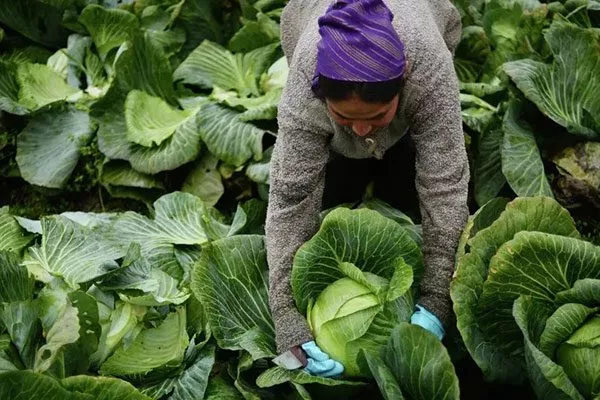
If the heads are intended for long-term storage, cut them before frost sets in. Harvest in dry weather. After cutting, leave the heads to dry in the sun, then store them in a cellar. Storage temperatures should be between 0 and 5°C.
Difficulties in growing
Cabbage requires fertile, loose soil with good drainage. Unfavorable conditions can lead to slow growth and poor crop quality. Stonehead prefers a cool climate and good light. In some regions, insufficient light can cause problems.
Underwatering can lead to dried-out plants and reduced yields, while overwatering can lead to root rot and fungal diseases. Many of these problems can be prevented or mitigated with proper planning, regular monitoring, and plant care.
Gardeners' opinion
Among the many cabbage varieties, one stands out for its unrivaled yield, excellent flavor, and excellent storage qualities—Stone Head. Mastering its cultivation means ensuring a reliable source of vitamins and delicious vegetables for many months to come. Proper care is essential, and it's easy to maintain.