
Cabbage is a vegetable crop prized by many gardeners. Most grow the heads in their gardens. Various storage methods are used to preserve the harvest for a long time. Many of these methods will extend the vegetable's shelf life.
The best cabbage varieties for storage
If you plan to grow and store cabbage, be aware that not all varieties are suitable. Not all cabbage can be kept fresh. For example, early and mid-season varieties don't have a long shelf life, being suitable for consumption only within a few weeks of harvest. However, there are also varieties that keep well.
- ✓ Resistance to storage diseases (gray rot, soft rot).
- ✓ Head density (high density promotes better preservation).
- ✓ Thickness of the covering leaves (the thicker, the better the protection from external influences).
Mid-late cabbage varieties
| Name | Shelf life (months) | Resistance to cracking | Head weight (kg) |
|---|---|---|---|
| Snowstorm | 8 | High | 3-4 |
| Dobrovodskaya | 6 | Average | up to 6 |
| Present | 6-7 | High | 3-5 |
Gardeners recommend using mid-late cabbage varieties for winter storage and pickling. The best varieties are:
- Snowstorm. The heads have a waxy surface. The cabbage leaves are gray-green. The vegetable can be stored for up to 8 months.
- Dobrovodskaya. Large heads can weigh up to 6 kg. The crop retains its quality for about 6 months.
- Present. Cabbage leaves are greenish-gray in color and have a shelf life of 6-7 months.
Here are some more interesting mid-late varieties:
- Dauerweiss;
- Rusinovka;
- Brunswick;
- Glory 1305;
- Final;
- Fruitful;
- Belarusian 455;
- Capital.
Some hybrids also deserve attention: Hannibal F1, Megaton F1, Rinda F1, Kryumon F1, Kolobok F1, Hermes F1, Menza F1, etc.
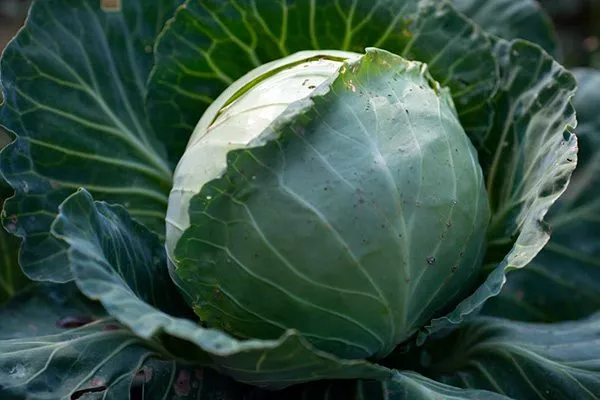
Late-ripening cabbage varieties
| Name | Shelf life (months) | Cabbage head shape | Disease resistance |
|---|---|---|---|
| Stone head | 12 | Rounded-flat | High |
| Amager | 8 | Rounded | Average |
| Snow White | 6 | Rounded | High |
Late-ripening cabbage varieties are considered the best option for long-term storage. Consider the following varieties:
- Stone head. The heads are round and flat. After 12 months, the vegetable will become even tastier.
- Amager. It is considered one of the longest-keeping varieties – it can be stored for up to 8 months.
- Snow White. The heads are white-green in color and resistant to cracking. They have a shelf life of up to 6 months.
Gardeners also highlight other varieties and hybrids of late-ripening cabbage:
- Sugarloaf;
- Turquoise plus;
- Moscow late;
- Kamenka;
- Frost;
- Extra F1;
- Bartolo F1;
- Aros F1;
- Kolobok F1;
- Atria F1.
How to grow cabbage for storage?
To keep cabbage fresh over winter, it needs to be grown properly, as several factors, such as soil composition and excessive or insufficient fertilizer, can affect the shelf life of heads. Heavy rainfall also affects the shelf life of cabbage heads.
Check out some of the intricacies involved in growing cabbage:
- If vegetables are harvested from the garden prematurely, they do not have time to ripen, and therefore their shelf life is reduced.
- Cabbage grows well in loamy and light soils; by choosing the right location, you can improve the vegetable's shelf life.
- The crop is prone to cracking if there is excess moisture or abundant autumn rainfall; in this form, cabbage will not be stored for long.
- Don't overdo it with nitrogen fertilizers, as the cabbage leaves will lose a lot of dry matter, which will result in the vegetable becoming loose and the heads of cabbage may spoil and rot.
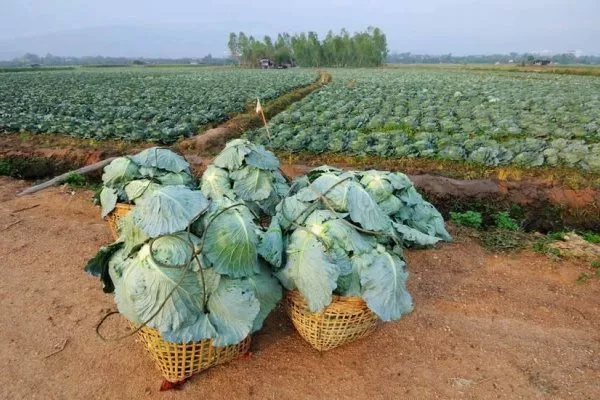
Preparing cabbage for storage
To preserve the beneficial properties and increase the shelf life of the crop, it is necessary to follow certain rules, such as properly cutting the heads of cabbage, cleaning them from dirt, and then sorting them.
When and how to clean?
Begin harvesting when daytime temperatures reach at least 2 degrees Celsius and nighttime temperatures reach at least -3 degrees Celsius. If you harvest the heads of cabbage earlier, they will begin to wilt and eventually simply split.
The correct cut of cabbage
To harvest, use a sturdy, sharp knife. Cut the heads of cabbage, leaving 2-3 cm of stalk. If you plan to hang the cabbage, do not trim the stalks. You can even leave the roots on—they help slow down drying.
Cleaning from contaminants
Remove any dirt by thoroughly cleaning the heads. Leave a few leaves to protect the cabbage from damage and disease, and remove the remaining outer leaves.
Sorting
For storage, use only firm, dense, and ripe heads of cabbage. Avoid storing cabbage with mechanical damage, cracks, or damage from pests or diseases. Underdeveloped heads of cabbage that have not yet fully matured are also unsuitable.
How to preserve different types of cabbage?
Previously, many gardeners exclusively grew white cabbage in their gardens, but today, varieties such as cauliflower, Chinese cabbage, and Brussels sprouts are popular. They aren't as easy to store as regular cabbage, but there are ways to extend their shelf life.
White cabbage
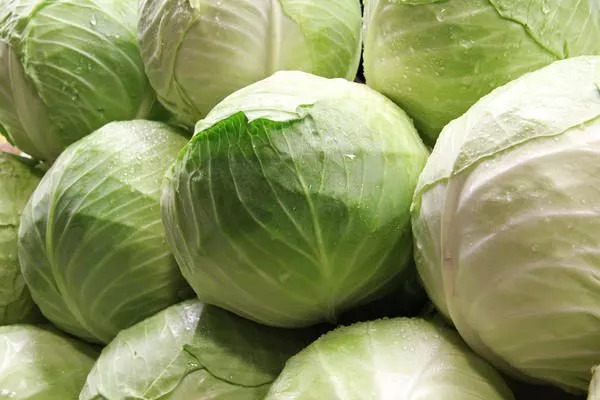
White cabbage is one of the easiest vegetables to store. It easily tolerates temperature and humidity fluctuations, doesn't require a separate storage area, and can be stored indoors or on the balcony for a long time.
If basic storage conditions are met, white cabbage will keep for more than 6 months. It's equally important to provide the vegetable with fresh air—ventilate the room. Don't forget to sort through the heads and discard any that have rotted.
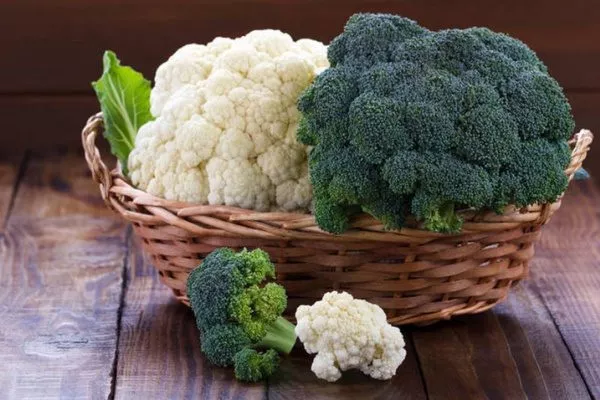
Cauliflower and broccoli
Cauliflower and broccoli heads can be stored for up to 2 months. If you want to include these varieties in your diet during the winter, it's best to separate them into florets and store them in the freezer.
Place fresh cabbage heads in wooden boxes, lined with plastic, and store in the cellar. Be sure to check the vegetables every two weeks and remove them from storage at the first sign of rot.
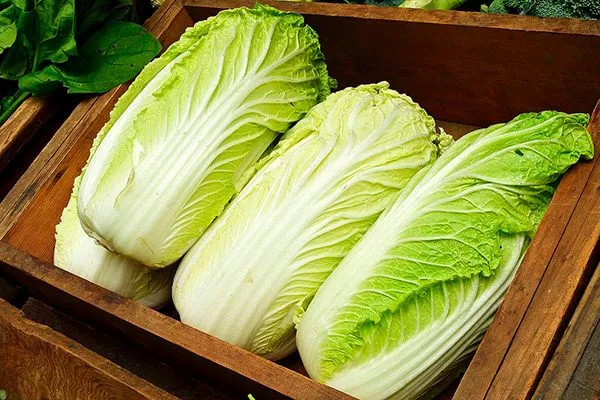
Beijing
Chinese cabbage is considered a very demanding crop. It can last up to three months if stored at the right temperature and humidity. However, slight fluctuations in either of these parameters can cause the delicate leaves to rot or wilt.
Brussels
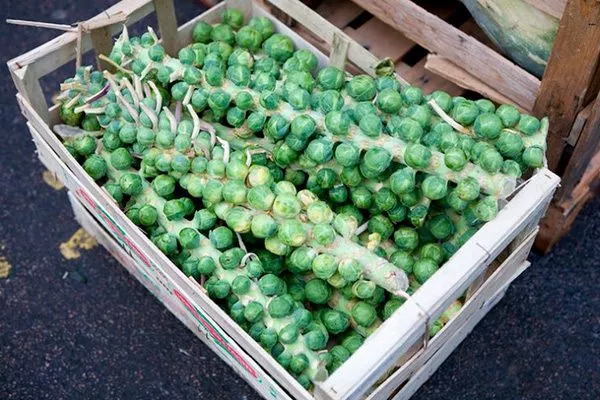
Fresh Brussels sprouts don't keep for long. However, they keep well frozen and, after defrosting, can be used as a side dish on their own. They retain their shape during cooking.
Optimal storage conditions
It's important to properly store cabbage to ensure it lasts throughout the winter. Pay attention to temperature and humidity.
Temperature conditions
To ensure the correct temperature, you need to know the freezing point of cabbage. Optimally, cabbage should be stored at temperatures between 0 and 2 degrees Celsius.
At temperatures below 0 degrees Celsius, cabbage will lose its flavor, freeze, and begin to rot. If the temperature rises above 5 degrees Celsius, the vegetable will quickly dry out.
Air humidity
The humidity in the storage area should be 90-95%. You can regulate this level by ventilation—the air must be accessible from both sides. High humidity will cause the cabbage heads to rot, while low humidity will cause them to dry out.
Storage methods
Storing whole cabbage at home is quite difficult, especially for those who live in apartments. However, there are ways to preserve the vegetable in sliced form.
Fresh
Shredded cabbage should be stored in the refrigerator for no more than 24 hours. After just a few hours, it will lose its crunch and juiciness. For this reason, it's recommended to use this cabbage for cooking, for example, in borscht. It's not suitable for a fresh salad.
Freezing
Freezing whole heads of cabbage isn't a good idea, so chop the cabbage into thin strips and store in plastic containers or vacuum-sealed bags. You can also wrap them tightly in foil.
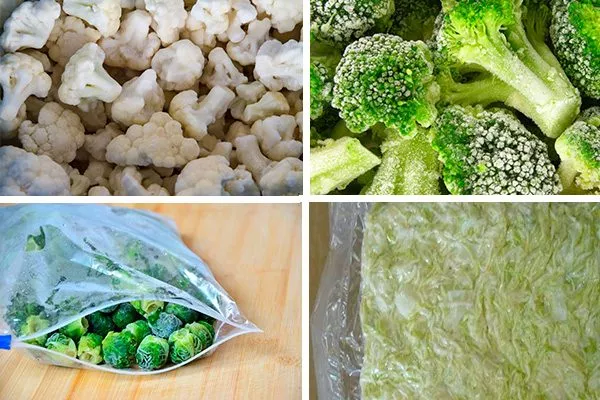
You can also use frozen cabbage for various dishes, but it's not suitable for salads, as it loses its crunch and becomes mushy. You can freeze cabbage leaves for making cabbage rolls later.
Pickling
To ferment the cabbage, finely chop it, combine with coarsely grated carrots and salt. Place the vegetables in a large bowl, knead with your hands, and transfer to barrels, buckets, containers, or three-liter jars.
Store sauerkraut in an enamel container with a lid on the balcony. This will prevent it from freezing and spoiling throughout the winter.
Watch a great video recipe for making sauerkraut for the winter:
Pickling
To marinate the vegetables, cut the cabbage into thin strips or simply separate into larger pieces. You can combine it with beets and garlic. Next, layer the vegetables in jars and pour in a hot marinade made from water, salt, sugar, oil, and vinegar.
Once everything has cooled down, store the jars in the refrigerator or simply in a cool place, for example, on the balcony, in the pantry or cellar.
We suggest you try this delicious pickled cabbage recipe:
Canning cabbage
You can use cabbage to prepare borscht and shchi (cabbage soup). This will preserve the flavor and crunch of the dish and save time on preparation.
What to do:
- Chop the cabbage and place it in jars. Press the contents down slightly.
- Pour hot brine over.
- Pasteurize the jars and seal with tin lids.
When stored in a cool place, canned cabbage will keep for up to a year without losing its flavor and providing health benefits. You can can cabbage on its own or combine it with other vegetables.
Watch a detailed video recipe for cooking cabbage (with aspirin):
Storage containers
So, you've harvested a large amount of cabbage, but you're unsure how to preserve it. No problem, as there are numerous methods available today, each with its own advantages. You just need to choose the most suitable and convenient one.
In the boxes
The simplest and most popular method allows you to preserve your harvest until mid-February, sometimes until late spring, depending on the variety. This type of storage involves the use of wooden crates.
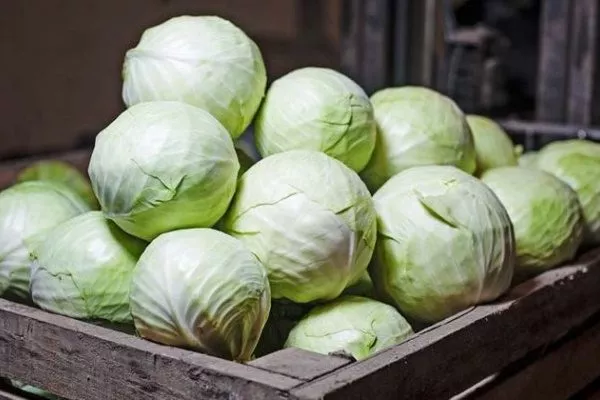
Place no more than five rows of cabbage in a single container. The stalks should be facing up and no more than 3 cm long. Place a second row of cabbage on top of the first layer, stalk-side down. This will ensure good ventilation and prevent the vegetables from rotting. Properly stacked heads of cabbage should be stable and not wobble excessively.
On the shelves
The shelves can be in a cellar, pantry, or basement. Arrange the cabbage heads on them, wrapping each one in plastic wrap. Place them in a single layer with the stalks facing up.
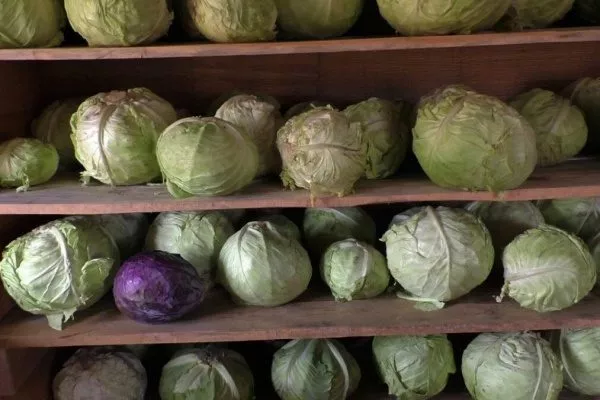
In a suspended state
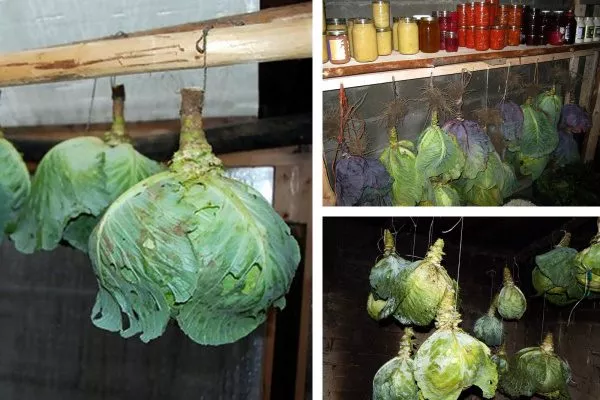
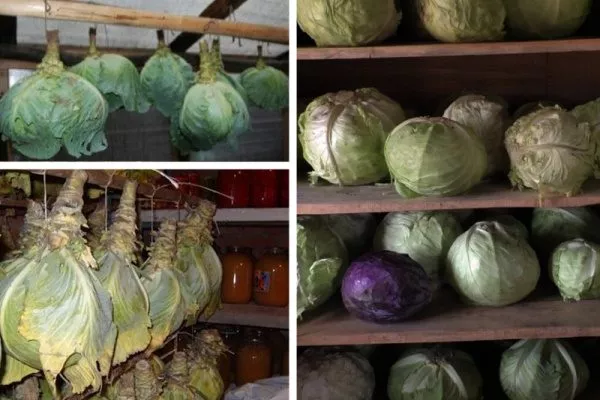
This method is considered the most popular and allows you to keep cabbage in good condition for a long time. Hang the cabbage by the stem so that the heads don't touch each other. This will allow the heads to ventilate, reducing the risk of rotting, and it's also easier to inspect them to detect the onset of spoilage.
When storing cabbage this way, leave the stalks very long, and even the roots intact. Don't remove the leaves to protect the cabbage from damage and rot. Hanging cabbage can be stored until the end of April, provided the cellar is properly maintained.
On a pallet
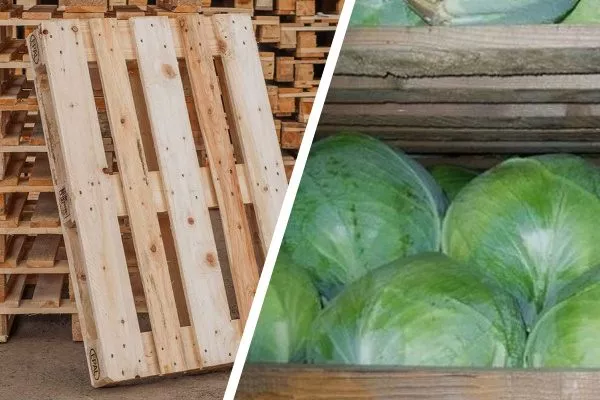
First, remove all dirty and loose leaves from the cabbage, cut the stalk very short, then wrap each head in paper or cling film.
Place the cabbage heads on a tray in a single layer. If you have a lot of cabbage, stack them in bulk, but sort them several times throughout the winter to remove any rotten vegetables.
In the nets
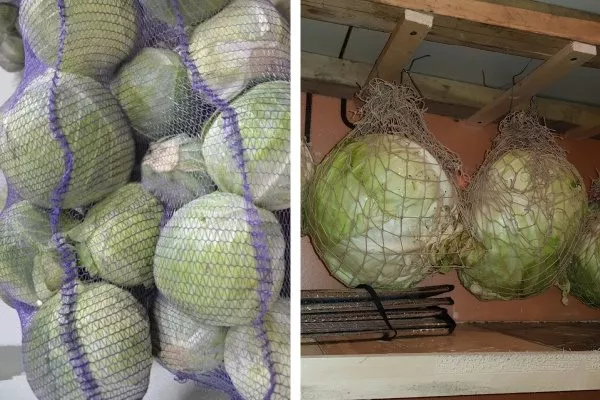
You can buy nets for storing cabbage at a specialty store. They're also great for storing onions over the winter. Drive hooks into a hanger or shelf, and place each head of cabbage in the nets, cutting off the stems first. Then hang the nets on the hooks.
Where to store cabbage?
To preserve cabbage for the winter, first decide where you'll do so. This choice directly impacts how long the harvest will last. Let's look at the most popular storage locations for cabbage.
In a cellar or basement
During winter, it's recommended to store cabbage heads in a cellar or basement, as these spaces help preserve their quality for the longest time. Ensure the room maintains an optimal temperature and humidity level.
Don't just lay the cabbage heads on the floor, as this can cause them to rot. Use wooden pallets or shelves, pre-treated with baking soda. Arrange the cabbages so that the stalks face up.
- Inspect the premises for rodents and eliminate them.
- Treat the walls, ceiling and floor with an antiseptic compound.
- Whitewash the walls with quicklime for disinfection.
- Remove all debris and remains of last year's vegetables.
To improve storage, prepare the room before bringing cabbage into the cellar:
- Look around to make sure there are no rodents.
- Dry and treat all walls, as well as the ceiling and floor, with an antiseptic compound.
- You can whitewash the walls using quicklime.
- Fumigation is acceptable, but is considered an unsafe method.
- Remove all trash and vegetable remains from last year's storage from the basement to prevent them from contaminating fresh produce.
In the refrigerator
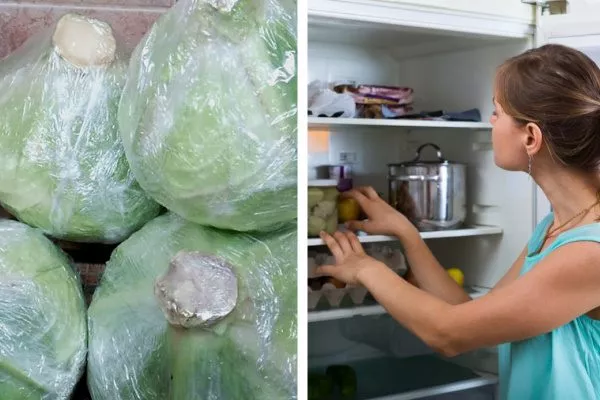
There's a way to store cabbage in the refrigerator. This method has no drawbacks and is easy to implement:
- Dry the heads thoroughly before storing.
- Select firm, elastic vegetables, remove the core, leaving 3-4 cm. Do not tear off the outer leaves.
- Wrap the prepared heads in several layers of cling film. You can place the cabbage in plastic bags, removing all the air to create a vacuum seal.
On the balcony
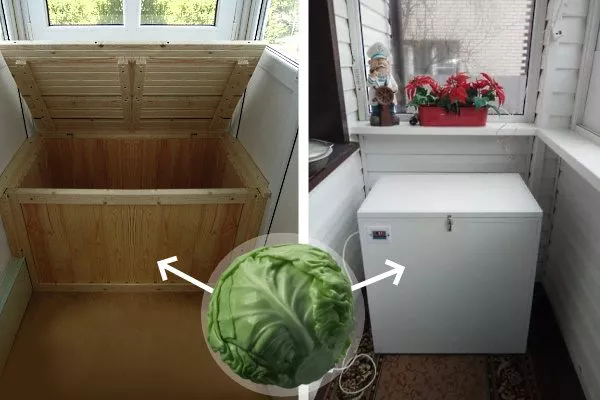
If you live in an apartment, you have a great option for preserving cabbage by leaving it on the balcony or in a pantry, wrapped in paper or plastic wrap. Just be sure not to let it freeze.
Another excellent option for winter storage of cabbage is to use a vegetable cooler or build a wooden cellar right on the loggia.
In the sand
The most classic method used by many gardeners is storing cabbage in sand. This method ensures the vegetables' shelf life for up to six months. There are two options:
- First. Remove the stalks, then place the cabbage in a dry box, leaving 5 cm between heads. Cover the first layer with clean, dry sand, place the next heads on top of it, and cover with sand again.
- Second. Leave the cabbage stalks 8 cm long and place the heads of cabbage on a layer of sand about 20 cm thick.
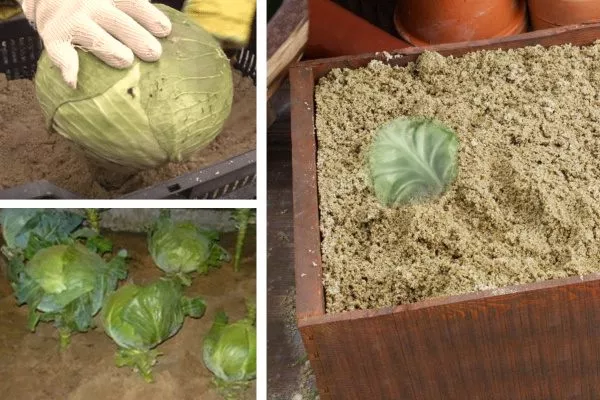
The first method is considered very convenient if you need to save many heads of cabbage.
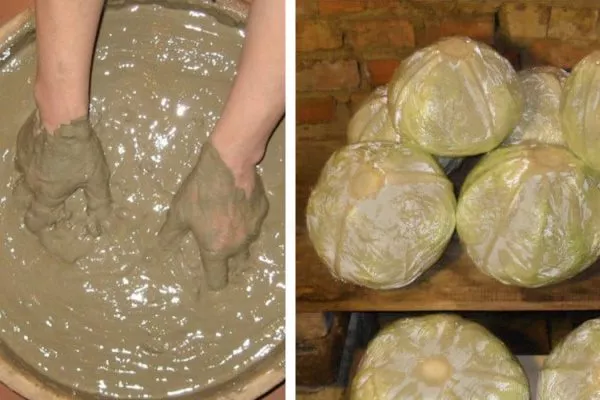
In clay
White cabbage can also be stored in clay. This method allows you to preserve the vegetables until late spring.
For storage, prepare a clay mixture:
- Mix 2 parts clay with 1 part water, then stir the ingredients until the clay reaches the consistency of thick sour cream.
- Coat the cabbage heads with the mixture and leave them to air dry. The clay should cover the cabbage completely. If there are any gaps, the cabbage will begin to spoil.
- Once the clay has dried, store the vegetables.
In the freezer
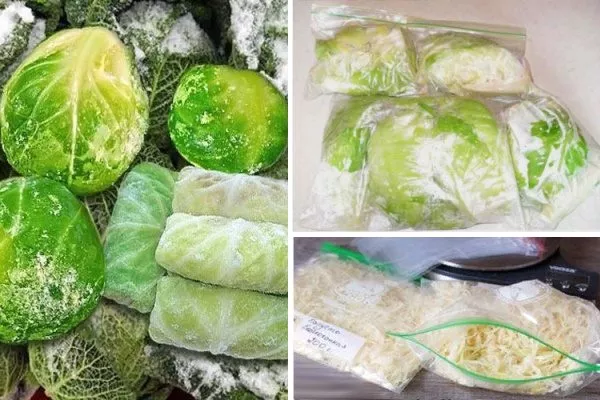
You can use a more affordable method if you have freezer space. Freezing cabbage will preserve its freshness and nutritional properties for a long time. Moreover, frozen cabbage is considered a convenience food, allowing you to save significant time during preparation.
To freeze, follow the instructions:
- Select whole and healthy fruits, wash them well and dry them.
- Cut the vegetable into pieces or chop finely.
- Wrap large pieces in cling film, and pack the shredded cabbage into plastic containers or freezer bags.
In the trench
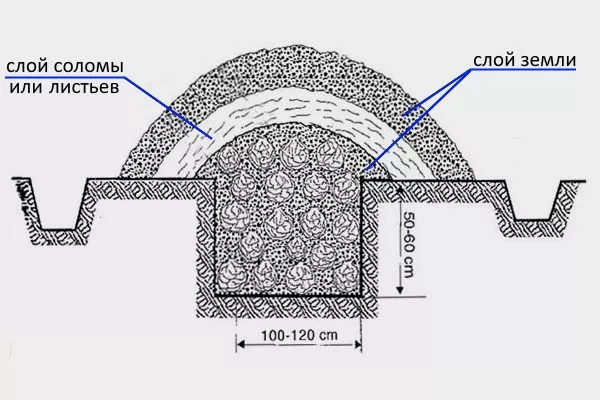
This method allows you to preserve cabbage for a short period of time—no more than 1 month. To do this, you can arrange the heads in small piles in the garden, cover them with straw, and use them gradually.
Follow the recommendations:
- Select a dry area.
- Dig a trench 50-60 cm deep and 1.0-1.2 m wide. Dig drainage ditches on both sides of the trench.
- Place the cabbage heads with the stalks facing up. Arrange the vegetables in several rows and cover them with a 5-10 cm layer of soil.
- After the first frost, when the ground has cooled, cover with a 30 cm thick layer of straw or leaves, and again “cover” with a thin layer of soil.
In the hay
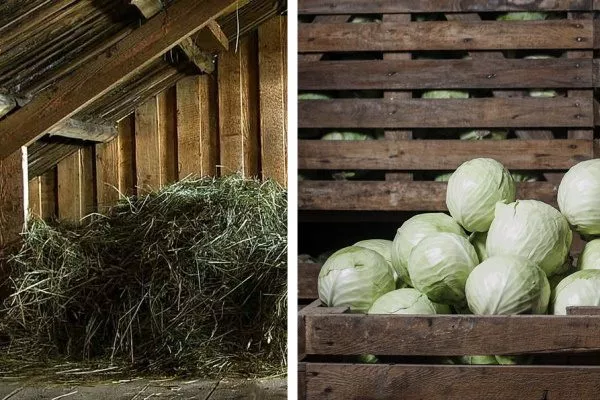
Not only basements but also attics can be used for storing cabbage. However, the house must be heated and the attic must remain cold. For storage, place the cabbage heads directly on the floor or use a layer of hay.
When frost sets in, cover the heads of cabbage with dry grass and top. If the winter is very cold, provide the cabbage with a thick layer of hay – about 1 m.
Cabbage diseases during storage
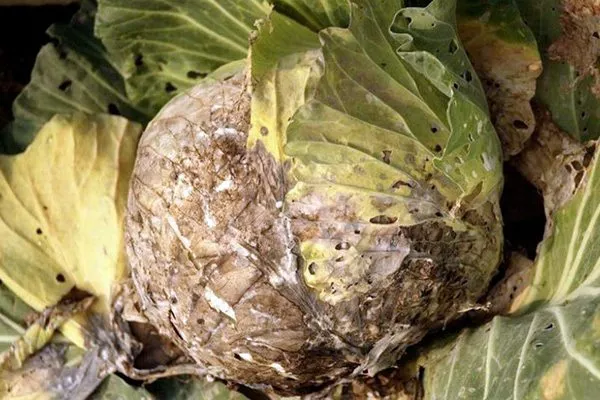
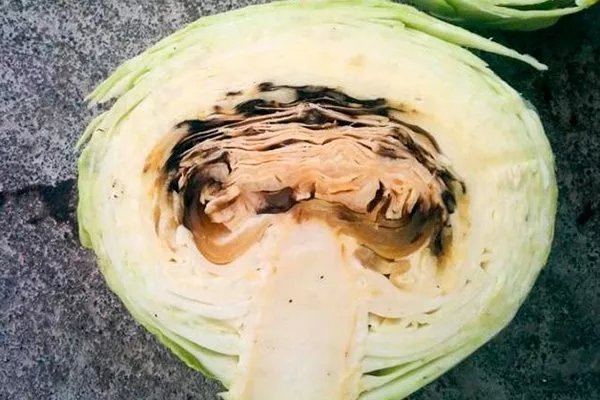
Once you've harvested your vegetables, remember to periodically inspect them for signs of disease. If you notice any diseased areas on your cabbages, remove them from storage immediately, otherwise the infection could spread to the entire crop.
During storage, cabbage can be susceptible to various diseases, but the most common are:
- Gray rot. A fluffy mold appears on cabbage heads, leading to further rotting. Gray mold most often affects vegetables that have lost all their outer leaves, damaged, and frozen heads.

Even properly harvested cabbage can become infected, and the spread of the disease is influenced by improper temperature and humidity conditions. At the first sign of gray mold, sort through the cabbage, clean off any affected areas, treat with chalk, and return the heads to their original location. - Soft rot. This disease can only affect cracked heads or cabbage with mechanical damage. Remove vegetables affected by soft rot from storage. The disease stops developing at temperatures of 4 or 5 degrees Celsius.
Experienced gardeners recommend dusting cabbage with regular chalk or slaked lime before storing. This will prevent the development of gray mold and other diseases.
Checking cabbage during storage
You will definitely need to inspect the harvest stored. Pay close attention to each head of cabbage and take immediate action. If rot appears, separate the affected cabbage from the rest and remove any damaged leaves. Use the vegetable immediately.
Other recommendations:
- Check the condition of the entire premises. Monitor humidity levels. If they're compromised, you may need to try a different storage method. For example, if your basement floor is damp and you're storing cabbage downstairs, consider replacing that method with hanging the cabbage by the stalks.
- Make sure there are no rodents in the vegetable storage area. Be sure to inspect the cabbage after catching the pest. Munchen cabbage won't keep for long; it will start to spoil, and eventually the entire crop will be lost.
- If the heads have started to deteriorate. If your cabbage has started to lose its flavor, you can use it for pickling or salting. There are many recipes for preserving cabbage while preserving its original flavor.
What to do with substandard goods?
Don't be discouraged if after storing your cabbage you're left with a lot of heads that aren't quite marketable. Use any cabbage that isn't suitable for long-term storage but still retains its flavor in dishes and preserves:
- cabbage pies;
- sauerkraut;
- Bigos with mushrooms and cabbage in a slow cooker;
- pickled cabbage;
- stewed cabbage with sweet pepper;
- kulebyaka with cabbage and egg;
- cabbage pie;
- cabbage cutlets;
- stuffed dishes, etc.
If you're successfully growing cabbage in your garden, you'll definitely need a way to preserve the heads until spring. You can use the vegetable immediately for winter preparations, freezing, or canning, or you can choose a more convenient storage method, such as storing it in a cellar or attic in hay.
This is a really comprehensive article, thanks for sharing your knowledge. It's especially relevant right now. Because there's absolutely no room in the cellar this year, and there are so many interesting options!!!
Hanging cabbage is a great way—I didn't even know you could do that. This year I hung it both in nets and just by the stalk. I can say I saved a huge amount of space in the cellar. Now all the vegetables should fit. We also pickled some cabbage for the winter (my wife canned it). We haven't tried it yet, but she said the recipe is very interesting and should be delicious. Thanks again! I keep coming back to this site and finding so much interesting information. And most importantly, it's versatile.