
Galaxy cabbage is a late-season variety worthy of attention from vegetable growers. This hybrid variety possesses a number of unique characteristics that make it attractive for both home and commercial cultivation. With proper care, it produces large heads and a bountiful harvest.
Breeding history
The hybrid cabbage was developed by Dutch breeders and has received widespread recognition. Following successful trials completed in 1993, the variety was officially approved for use.
Description of the variety
Designed for outdoor cultivation, it boasts excellent shelf life after harvest – heads can be stored in a warehouse for up to 12 months, provided they are stored properly, retaining their nutritional properties and flavor.
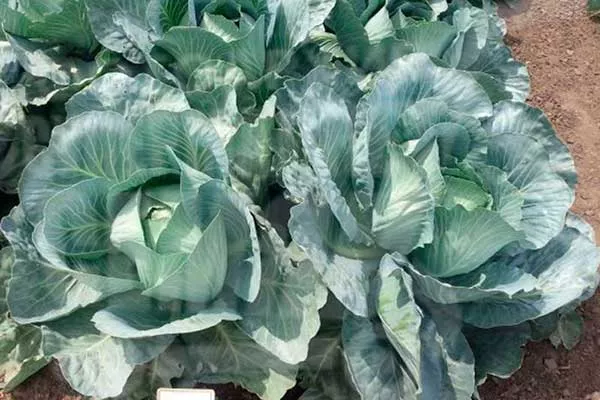
Characterized by high productivity and uniform head formation, it has good immunity to several common diseases, making it an attractive choice for beginning gardeners.
Characteristics of the appearance of the plant and heads of cabbage
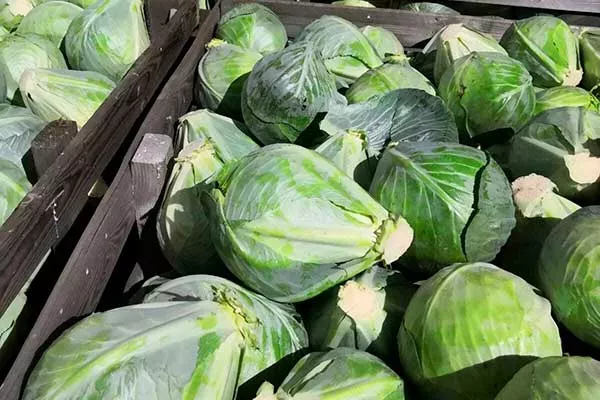
Cabbage has large leaves with a slightly wavy surface. Distinguishing features:
- The leaves are colored in various shades of green - from dark to light, with the presence of venation.
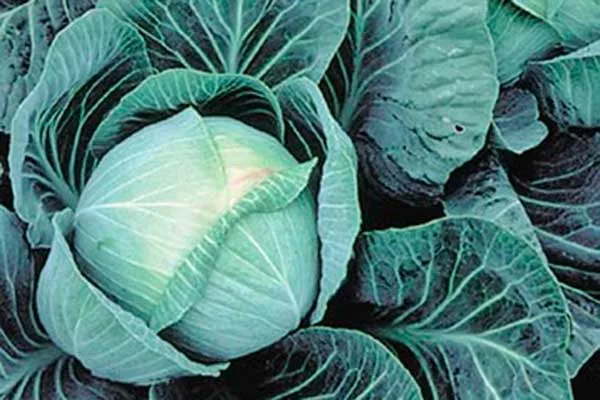
- The heads of cabbage weigh on average from 3.2 to 4.6 kg and have the shape of round-flat heads.
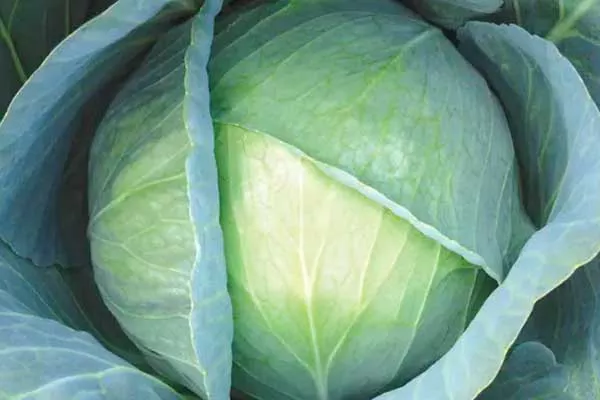
- When fully ripe, they are green in color, and the inside of the heads looks yellow-white.
Taste and purpose
It boasts excellent flavor and aroma. The heads ripen juicy, crisp, and refreshing, making them ideal for various processing methods.
Galaxy cabbage is a wonderful addition to a wide variety of dishes and appetizers, adding a unique flavor and aroma. This vegetable can be eaten fresh without any restrictions.
Ripening and yield level
This hybrid is a late-ripening crop. It takes approximately 145-160 days from germination to harvest. This variety produces tasty and nutritious heads that ripen simultaneously.
Designed for producing abundant harvests. With proper care, plants can produce significant quantities of high-quality heads. In simple gardens, yields can range from 4.6 to 6.4 kg per square meter. In industrial cultivation, average yields reach 450 centners per hectare.
Growing regions
It is widely grown in various regions, especially in the Central and Volga-Vyatka regions of Russia. Successful harvests can also be obtained in other areas with similar climates.
Growing and care
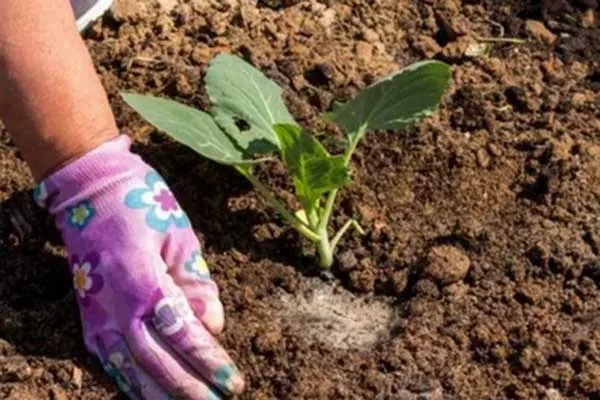
The hybrid plant is best grown from seedlings. Sow seeds in the first half of April. By mid-May, the seedlings should have 3-4 true leaves, after which they can be transplanted to open beds, following a 60x70 cm pattern.
- ✓ The optimal soil temperature for sowing seeds should not be below +10°C.
- ✓ To prevent seedlings from stretching, it is necessary to provide additional lighting in the first 2 weeks after germination.
Helpful tips:
- Maintain moderate soil moisture, avoiding waterlogging. For the first two weeks after repotting, daily watering is recommended, using 6 liters of warm water per square meter. Then, switch to watering 1-2 times a week, using 12-15 liters per plant.
While forming the heads, monitor the soil condition and irrigate as needed. - During the growing season, carry out three hillings after watering: the first two weeks after planting the seedlings, then two more times at 20-day intervals. Once a week after watering, loosen the soil between the rows and remove weeds.
- Feed the cabbage 10 days after transplanting, adding 1 liter of mullein and 40 g of saltpeter to 20 liters of water. For subsequent feeding in late June or early July, use an ash infusion.
Harvesting and storage
After carefully tending the cabbage and successfully ripening the crop, it's time to harvest and store it. Mature heads should be firm and firm to the touch. Use a sharp knife or pruning shears to cut, being careful not to damage the stems and leaves of neighboring plants.
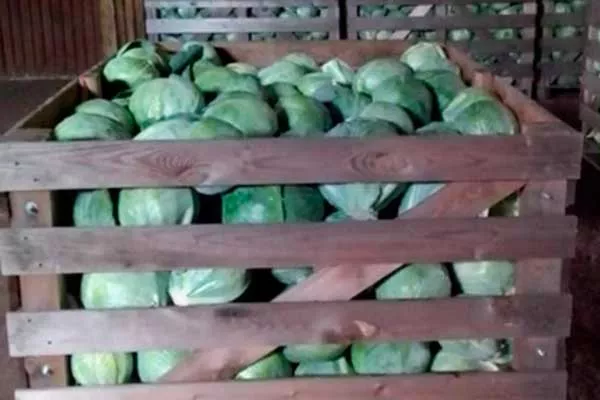
Store cabbage in a cool, dry place at a temperature of approximately 0-4°C and a relative humidity of approximately 90-95%. A basement or cellar is considered ideal. Make sure the cabbage is not exposed to freezing or excessive heat, as this can lead to quality loss and premature wilting.
Pests and diseases
The crop is susceptible to a number of pests and diseases. Here are some of the most common and how to control them:
- Cabbage white butterfly (cabbage white). The larvae feed on young leaves, leaving characteristic holes and air holes. Use Pyrethrin or Bitoxibacillin for control.
- Cruciferous flea beetle. The pest feeds on the sap of cabbage plants, which can cause them to wilt and die. Symptoms include the appearance of characteristic white spots on the leaves and their yellowing. Use insecticides, such as Aktara, for treatment.
- Slugs. Snail-like creatures can cause significant damage to cabbage plants by feeding on their leaves. Use bait and spread a sand-lime mulch around the plants.
- Powdery mildew. A fungal disease that causes a white coating to appear on leaves and stems. This can lead to yellowing and leaf drop. Treat with fungicides.
Effective pest and disease control requires systematic monitoring of plants, regular inspection, and taking appropriate protective measures based on any problems detected.
Positive and negative qualities of the hybrid
Before planting a crop in your garden, make sure you're satisfied with its varietal characteristics. The hybrid has numerous advantages:
- excellent taste;
- versatility of application;
- good immunity;
- large and dense heads of cabbage;
- friendly formation of the crop;
- long-term storage.
- ✓ Resistance to temperature fluctuations during the period of head formation.
- ✓ Ability to retain taste during long-term storage.
The disadvantages of this variety are minimal, which makes it an attractive choice for cultivation.
Reviews
Galaxy cabbage is a high-yielding variety that is resistant to diseases and pests when properly cared for. It attracts the attention of agronomists for its excellent taste and long shelf life. By following proper cultivation practices, you can achieve abundant harvests of high-quality, tasty cabbage heads.