
Agressor F1 is a white cabbage hybrid of Dutch origin with a mid-late ripening period. This relatively new variety has already become a favorite among many gardeners due to its undemanding growing conditions, tolerance of poor nutrition, and the ability to produce heads weighing 3-5 kg, even in fluctuating temperatures.
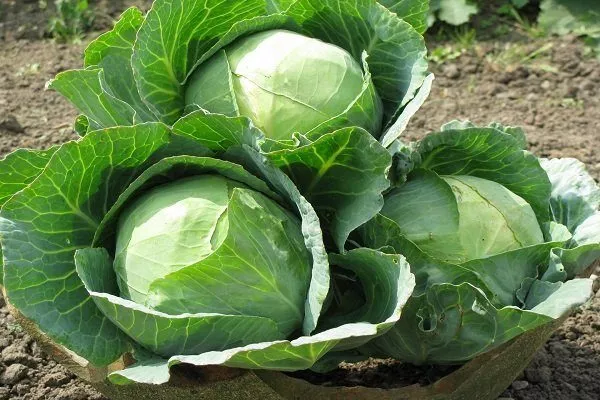
Cabbage Agressor belongs to the mid-late varieties
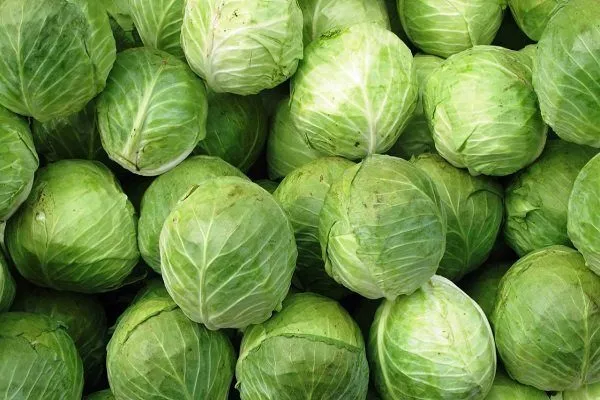
Cabbage pump Aggressor from 3 to 5 kg
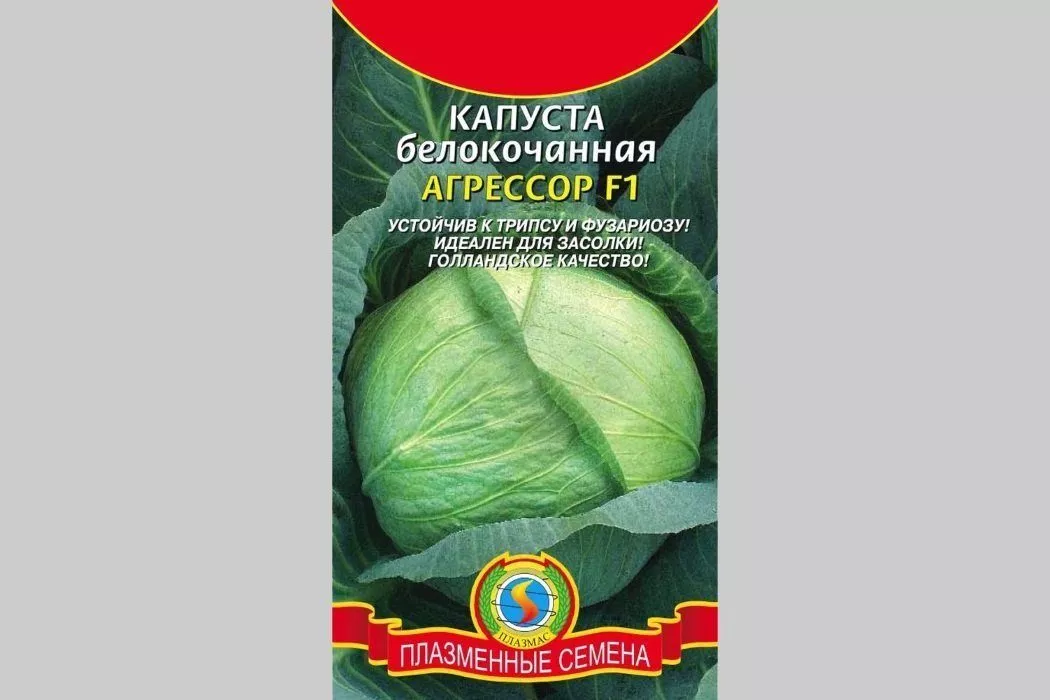
Cabbage Aggressor
Description of the variety
The Hybrid Agressor F1 was bred in 2003 by the Dutch breeding and seed company Syngenta Seeds BV. The variety's name was not accidental, but rather reflects its ability to withstand adverse weather conditions, grow even in the poorest soils, and is easy on watering.
Thanks to this, Agressor immediately became a favorite among many gardeners and cabbage growers. Thus, in 2003, it was added to the State Register for the Central Region. The hybrid can be safely cultivated in the following regions of Russia:
- Bryansk;
- Vladimirskaya;
- Ivanovskaya;
- Kaluga;
- Moscow;
- Ryazan;
- Smolensk;
- Tula.
Let's take a closer look at how the Aggressor differs from its counterparts.
Appearance
The hydride has a harmonious appearance with the following characteristics:
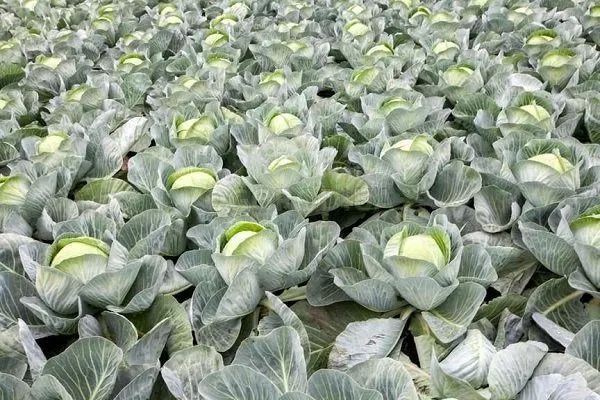
- the heads of cabbage are round in shape, slightly flattened at the top, and even;
- the heads are medium-sized - each of them weighs approximately 3-5 kg, but sometimes there are specimens weighing up to 6 kg;
- the leaf rosette is large and raised above the ground;
- the covering leaves are grey-green with a bluish tint, medium or strong waxy coating and slightly wavy edges, small and rounded, dense in structure;
- the color of the head of cabbage when cut is bright white, sometimes with a slight yellowish tint;
- The root system is powerful, and the stalk (internal and external) has an average length of 16-18 cm.
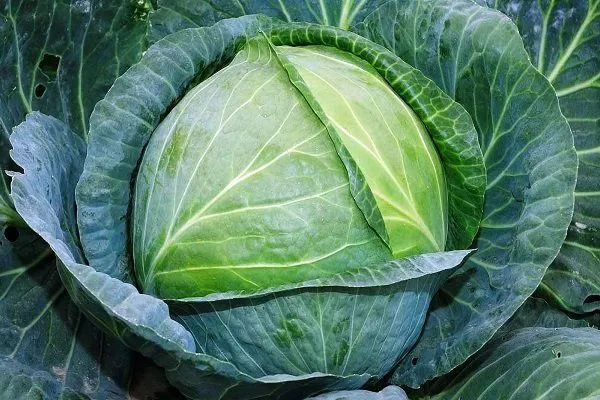
Many varieties of white cabbage are prone to cracking, so heads with cracks quickly lose their marketable appearance and spoil. However, the Agressor hybrid does not crack, so it retains its beneficial properties for a long time.
Taste qualities
Cabbage has a dry matter content of 9.2% and a total sugar content of 5.6%. This gives it a rich flavor, and the leaves are juicy and crisp. They are excellent for pickling and salting, as well as for making fresh salads, borscht, cabbage rolls, and other dishes.
Table of characteristics
The general characteristics of the white cabbage hybrid can be found below:
| Parameter | Description |
| Ripening period | Agressor is a mid-late variety. In other words, it takes an average of 115-120 days from seeding to technical maturity of the heads. |
| Productivity | The variety yields approximately a ton of fruit per 100 square meters. The average yield, stated by breeders and confirmed by producers, is 500-800 centners per hectare. The marketable yield is 92-96%. |
| Features of cultivation | Aggressor is characterized by vigorous growth, requires little maintenance, and tolerates poor weather conditions and nitrogen deficiency. Furthermore, the hybrid is resistant to fusarium wilt and is not susceptible to attacks by cruciferous flea beetles and thrips. |
| Harvesting | By the end of the fourth month after germination and with the arrival of cold weather, you can begin harvesting. Ripe heads can be stored for 5-6 months, until April at the latest. |
Agressor has proven itself as a crop for growing on an industrial scale, as it does not crack and is easily transported over long distances without losing its commercial qualities.
Agricultural technology
When growing Agressor, it is worth considering the following agricultural rules:
- The hybrid tolerates adverse weather conditions well, so it can be grown not only from seedlings but also by direct sowing. Seeds should be sown outdoors in late April or early May, and for seedlings, in the first ten days of April.
- Grow cabbage in a sunny location. Ideally, the following crops should have grown there last season:
- legumes (peas, beans);
- potato;
- cucumbers;
- tomatoes.
The worst predecessors for cabbage are other representatives of the cruciferous family, radishes, horseradish and turnips.
- The optimal planting density is 30,000-40,000 plants per hectare. In limited space, the planting pattern can be denser to 40,000-50,000 plants per hectare. Many farmers do this, which allows them to produce neat heads weighing up to 2-2.5 kg.
- The variety is unpretentious, but to get a good harvest the plant needs to be watered and fed on time, protect from pests and diseases.
Direct sowing in open ground
No earlier than the last week of April, you should begin sowing seeds outdoors. This process consists of several stages:
- Processing of seed materialSelect seeds at least 1.5 mm in size. First, soak them in hot water (50°C) for 20 minutes to prevent possible infection, then place them in cold water for 1-2 minutes and dry.
- Soil preparationIn a sunny, well-heated area, dig up the soil and add humus at a rate of 1 bucket per 1 square meter. This fertilizer should last for the entire growing season.
- SowingDivide the bed into strips 70 cm apart and prepare holes 60 cm apart. Add a nutrient mixture to each furrow. To prepare it, mix peat, sand, and humus in a 1:1:2 ratio, then add a little wood ash. Place 2-3 seeds in each hole at a depth of 1 cm, then cover with soil and water thoroughly.
- InsulationThe crops should be covered with plastic or other non-woven material, which can be tied to stakes driven into the edges of the bed. This will protect the fragile cabbage seedlings from the cold at night. The covering material can be removed once the first sprouts appear.
- ✓ The optimal soil temperature for sowing seeds should be at least +10°C.
- ✓ The distance between plants when planting should be at least 50 cm to ensure sufficient space for growth.
Once the seedlings emerge, thin them out, leaving only the strongest shoots. The rest should either be removed or replanted.
Planting through seedlings
The seedling method allows for faster fruiting and a larger harvest, but it's a more labor-intensive process, as it requires the gardener to grow the seedlings. We'll discuss how to grow strong seedlings and properly transplant them to their permanent location below.
Growing seedlings
Planting should begin around April 10th. To grow strong seedlings, pay due attention to each of the following steps:
- Seed treatmentSelected seeds with a diameter of at least 1.5 mm should be soaked in hot water (50°C) for 20 minutes, then in cold water for 2-3 minutes. Alternatively, they can be soaked for half an hour in a solution of Epin-Extra (1 drop per 50 g of water). After treatment, dry the seeds.
- Substrate preparationFor cabbage, prepare a soil mixture of turf, peat, and sand in a ratio of 1:4:2. You can also use disposable peat cups or tablets.
- SowingPlant the seeds in pots filled with soil to a depth of 1-1.5 cm. Place one seed in each hole, cover with soil, and water.
- CareOnce the sprouts emerge, move the containers to a sunny location, preferably on a south- or southeast-facing windowsill. They can also be kept in a greenhouse or hotbed. In any case, maintain the room temperature between 15 and 18°C. The first shoots will appear in 5-7 days. They should be fed with mineral fertilizers, but avoid using organic matter.
The feeding schedule is as follows:- after 2 true leaves appear, water the seedlings with a mixture of 2.5 g of ammonium nitrate, 1 g of potassium chloride and 4 g of superphosphate per 1 liter of water;
- after 12-15 days, water the seedlings with a solution of ammonium nitrate (3 g per 1 liter of water);
- 2-3 days before transplanting into open ground, fertilize the seedlings with a solution of 2 g of potassium chloride, 3 g of ammonium nitrate and 8 g of superphosphate per 1 liter of water, but this composition can be replaced with Kemira Lux fertilizer (1 tbsp. per 10 liters).
Seedling fertilizing plan- 10 days after emergence, add a solution of ammonium nitrate (3 g per 1 liter of water).
- 2-3 days before transplanting into open ground, fertilize the seedlings with a solution of 2 g of potassium chloride, 3 g of ammonium nitrate and 8 g of superphosphate per 1 liter of water.
Water the seedlings at a rate of 200 ml of solution per seedling. Pour the solution under the plant's roots, being careful not to touch the leaves.
- Hardening7-10 days before transplanting to their permanent location, the seedlings should be hardened off by placing them outdoors during the day at temperatures of +5…+10°C, and bringing them indoors in the evening to protect them from night frosts. After hardening, Agressor seedlings become stronger and therefore better able to withstand harsh conditions.
Transplantation into open ground
Agressor seedlings can be transplanted into open ground 35-40 days after germination. It's best to do this in the evening or on a cloudy day, following this sequence:
- Prepare holes in the garden bed at a distance of 50-70 cm. Leave at least 60 cm between rows.
- Fertilize each hole with a nutrient mixture made from 0.5 teaspoon of nitrophoska, 2 tablespoons of ash, and 1 handful of humus. Add the same amount of peat and sand, then pour in 500 ml of water.
- Place the cabbage seedlings into the prepared holes, deepening them to the level of the first leaf.
During the first week, the seedlings can be shaded with non-woven material or leaves. Experienced gardeners use spruce branches, burdock leaves, or birch leaves for this purpose.
Watch the video to learn about the rules you need to follow to grow strong cabbage seedlings:
Caring for seedlings
To successfully grow Agressor cabbage, it is necessary to carry out all necessary agricultural measures in a timely manner.
Watering and loosening
Cabbage is a moisture-loving plant and therefore reacts poorly to water stress, which can even lead to the death of its fine fibrous roots. To prevent such consequences, crops need to be watered generously and promptly:
- during the first 14 days after planting, water once every 3-4 days in the morning or evening at the rate of 6-8 liters of water per 1 sq. m;
- After 2 weeks from planting, reduce the frequency of watering to once a week and increase water consumption to 10-12 liters per 1 sq. m.
It's crucial to adjust your watering schedule based on weather conditions. In dry weather, you can water the soil every 3-4 days, and in cloudy weather, once every 7-10 days. The water consumption should be between 6-12 liters per square meter.
Watering of cabbage should be stopped 3 weeks before harvesting the heads, since it is during this period that the level of fiber necessary for their long-term storage is formed.
After watering, it is advisable to loosen the soil with a hoe to a depth of 8 cm, removing all weeds. It would also be a good idea to mulch the ground Add a 5 cm layer of peat. This will prevent the soil from drying out and provide additional nutrients for the plant. Sawdust can also be used instead of peat.
Hilling
This agricultural technique will enhance cabbage growth and the formation of adventitious roots. It also helps control weeds more effectively. It should be carried out 20 days after planting outdoors in calm, windless weather to prevent the loosened and collected soil from spreading throughout the bed. Two to three days beforehand, it's recommended to fertilize the cabbage with a 10% solution of chicken manure.
The hilling process itself is carried out using a hiller or a regular hoe in the following order:
- Loosen the soil to a fine grained state, while removing weeds.
- Form a mound around the stem of each plant, reaching the lower leaves of the seedlings, but no higher than 30 cm. Collect the soil carefully so as not to damage the plant.
- Sprinkle ash, mustard powder, or another dry pest repellent between the cabbage rows. This step can be skipped if you plan to treat the cabbage with chemicals in the future.
- After 24 hours, the space between the rows must be strengthened to compensate for the soil removed to strengthen the stems. To prevent soil from collapsing, you can fill the resulting furrows with old sawdust, chopped straw, or a bunch of dry grass.
Agressor cabbage can be hilled only once. A second procedure is only necessary if the soil has settled by at least 10 cm.
The vegetable is a light-loving plant, so it is important to thin out the seedlings in a timely manner to ensure the crop receives sufficient light.
Top dressing
If cabbage is grown from seedlings, balanced fertilizers should be applied while the young sprouts are still developing, according to the schedule described above. After planting in open ground, the cabbage should be fertilized three more times:
- On the 20th day after planting, water the vegetable with a solution of 0.5 liters of mullein per 10 liters of water. The solution consumption per plant is 0.5 liters.
- After 10 days, fertilize the cabbage with the same composition and in a similar dosage.
- In June, feed the cabbage with a mineral fertilizer, such as Ammophos (2 tablespoons per 10 liters of water). Water the beds at a rate of 8 liters per 1 square meter.
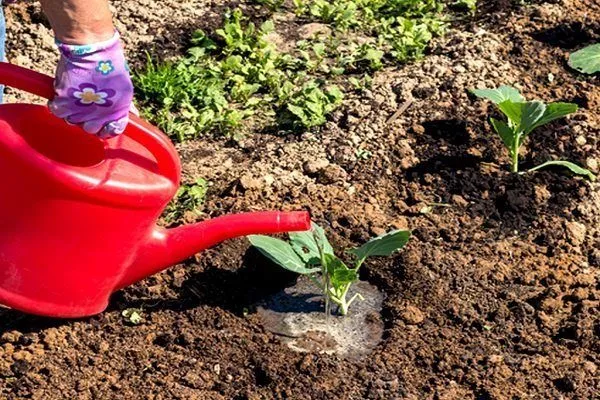
Experienced gardeners recommend paying special attention to fertilizing cabbage at two stages of the growing season:
- when leaves grow – water the seedlings with a solution of 10 ammonium nitrate per 10 liters of water;
- when the heads of cabbage are forming and maturing – water the cabbage with a solution of 4 g of urea, 5 g of double superphosphate and 8 g of potassium sulfate per 10 liters of water.
Protection from diseases
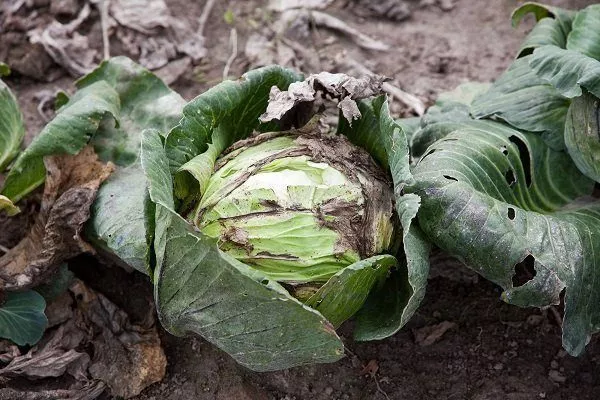
The Agressor cabbage variety is not susceptible to fusarium wilt, but it is susceptible to other diseases. These include:
- KilaIt is caused by fungal microorganisms that live in the soil. Spores can survive for up to 6 years. When cabbage is infected with clubroot, the leaves change color, taking on a blue-green tint, and the plant becomes wilted. At the same time, spherical growths form on the roots, causing root rot and splitting of the heads.
As a preventative measure, seeds should be treated with Granozan (4 g per 100 g of seeds) before sowing. Also, before transplanting seedlings into open ground, their roots should be immersed in a clay solution. If cabbage does become infected, affected plants should be removed from the plot and destroyed. - BlacklegIt develops in conditions of excessive moisture. The fungal disease attacks the stem and root collar of the plant. They first turn black, then become waterlogged and rot. To prevent blackleg, before planting seedlings outdoors, dip their roots in a clay slurry containing a potassium permanganate solution. Before planting, the soil should also be treated with TMTD seed treatment (50 g per square meter). Avoid overcrowding the plant, and avoid overwatering the soil.
- Downy mildew (peronosporosis)This disease poses a significant threat to seedlings grown in plastic greenhouses. It manifests itself as yellow spots and a gray coating on the leaves. Affected cabbage should be treated with a 1% solution of Bordeaux mixture (500 ml per 10 liters of water). The recommended dosage is approximately 20 ml per plant.
Pest control
Hydrid Agressor is resistant to attacks by cruciferous flea beetles and thrips, but can be affected by other pests:
- mothThis insect is dangerous to cabbage at all stages of its development – caterpillar, pupa, and yellow-green moth. When the plant is infected, eggs can be seen on the underside of the leaves. Holes covered with a thin film form on their surface. To get rid of the moth, cabbage should be treated with calcium arsenate (12 g per 100 sq. m), 0.15% chlorophos solution (0.5 l per 10 sq. m), and 0.1-0.4% Entobacterin solution (0.5 l per 10 sq. m). It is also important to promptly remove all weeds from the cabbage bed.
- AphidsThese inconspicuous insects, up to 2-3 mm in size, settle in colonies and suck the plant's vital juices. The leaves gradually change color, turning pale pink. Eggs can be seen on the stalks. To remove aphids from cabbage, wipe the head with a cloth soaked in soapy water, whey, or milk. Infested plants can also be treated with a 0.2% solution of anabasine sulfate (0.5 L per 10 sq. m).
- Cabbage flyA small insect, up to 6 mm long and gray in color, with transparent wings. The larvae of the fly are also dangerous to cabbage. The insects gnaw at the roots of the cabbage, causing holes in them. To get rid of the fly, treat the plant with a mixture of 1 tablespoon of tobacco, 10 grams of wood ash, and 1 teaspoon of ground red pepper. This mixture is enough to treat 1 square meter of cabbage bed.
- Rape white butterflyThis is a white butterfly with black spots on its wings. The caterpillars feed on the plant, and the butterflies lay eggs on the underside of the leaves. To combat this pest, cabbage should be treated with a chlorophos solution or calcium arsenate (12 g per 100 sq. m).
- Slugs and snailsThese pests can be identified by their elongated, brownish-brown or reddish bodies. They eat leaves, leaving behind characteristic holes, droppings, and mucus. To repel them, place 3-4 granules of Grom or Meta under each head of cabbage at night.
It's worth noting that many gardeners avoid using chemicals, opting instead for cabbage-safe folk remedies that help repel all kinds of pests. Here are the most popular:
- AshIt's used to dust cabbage during the first week after planting seedlings in open ground. Tobacco powder can be used in the same way.
- Tomato tops infusionThe green shoots left after removing side shoots from tomatoes can be used to make a beneficial cabbage infusion. To make it, pour 1 kg of tops into 3 liters of water, let it steep for 3 days, and then simmer over low heat for 3 hours. Strain the mixture and dilute with water, the volume of which should be twice the volume of the tomato broth. Add 2-3 tablespoons of tar soap to the infusion and water the cabbage beds with it.
- Onion peel decoctionPrepare a liter of husk and pour 2 liters of boiling water over it. Let the mixture sit for 2 days, strain, and dilute with water in a 1:2 ratio. Add 1 tablespoon of liquid soap to the infusion and use as directed.
Harvesting and storage
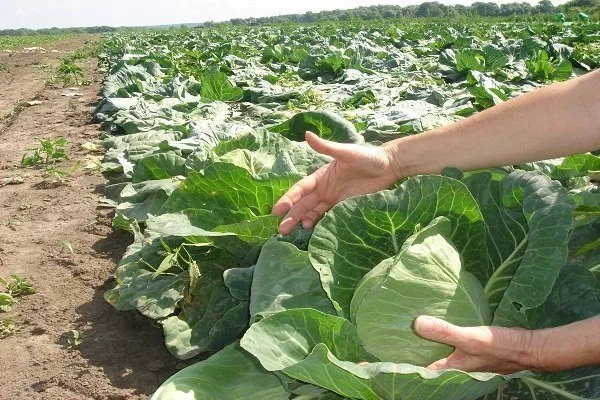
Agressor cabbage is a late-ripening variety, so harvesting should begin when cold weather sets in—in late September or early October. Ripe heads should be harvested in dry weather, when daytime temperatures do not exceed 8°C and nighttime temperatures do not drop below 0°C.
Ripe cabbage should be carefully cut with a sharp knife or chopped off with a small hatchet, leaving a 3-4 cm long stalk with a few leaves, as these will protect the heads from contamination and will continue to supply them with nutrients for some time.
Harvested heads of cabbage should be inspected for mechanical damage or signs of disease. Unsuitable specimens should be consumed immediately or processed (pickled, fermented). Only healthy heads of cabbage can be stored in a room where the following conditions are met:
- air temperature – remains within the range of +1…+5°С;
- air humidity – does not fall below 90%;
- there is no light, as this will cause the vegetable to germinate.
A cellar or basement meets these requirements. It should be regularly ventilated to ensure fresh air for the cabbage heads. Cabbage itself can be kept fresh for up to 5-6 months using various methods:
- Place the heads of cabbage in 2-3 rows, but not on the floor, but in wooden boxes with holes;
- hang the heads of cabbage by their stalks on slats, which will provide them with good ventilation;
- wrap the forks in paper and place them in a plastic bag, which is hung from the ceiling;
- Place the heads of cabbage in buckets with sand and cover them completely.
Cabbage can be stored for 2 months in the refrigerator, after wrapping it in a paper towel, placing it in a plastic bag and tying it tightly.
Pros and cons
Cabbage Aggressor combines many advantages:
- It's suitable for growing in problematic regions, as it's undemanding of growing conditions. Even in areas with unfavorable climates and nitrogen deficiency, seed germination is nearly 100%.
- It has high taste and commercial qualities, so it can be grown not only for personal consumption, but also for subsequent sale.
- Resistant to many diseases and pests that threaten other cabbage varieties, Agressor is particularly resistant to fusarium wilt, thrips, and internal pitting necrosis.
- It produces heads of cabbage that don't split and can be stored for about five months. Their small size also makes them easy to transport.
- It is a versatile variety, so the heads can be used for preparing fresh salads, stewing, pickling and canning.
It should be noted that the hybrid also has the following disadvantages:
- susceptible to certain diseases, the most dangerous of which is clubroot;
- The leaves have a tough texture and taste slightly bitter when pickled.
The following video explains how the vigorous white cabbage hybrid Agressor grows and its advantages:
Agressor F1 is one of the most resilient cabbage varieties, producing a consistent yield even in low temperatures and poor nutrition. It can be grown in large plots for sale, producing round heads weighing approximately 3-5 kg.