
The Zolotoy zucchini variety (not to be confused with Zolotinka) is characterized by its vibrant golden skin. It is a hybrid zucchini suitable for cultivation in almost all regions of the country. Planted exclusively in open beds, it boasts high yields.
Description of the variety
Zolotoj zucchini easily tolerates sudden cold snaps both at the end of the growing season, when the plant is already mature, and at the very beginning, while the bushes are still young. They are not afraid of air temperatures down to 4 degrees Celsius.
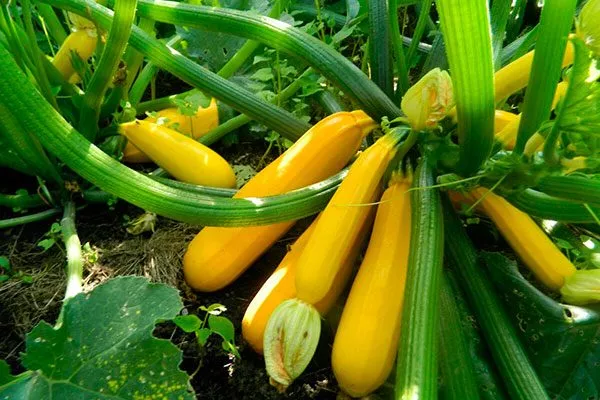
Characteristics of fruits and plants
The bushes are compact, so they don't take up much space in garden beds. Other features:
- the leaves have very dissected shapes;
- one bush produces no more than 4 pumpkins;
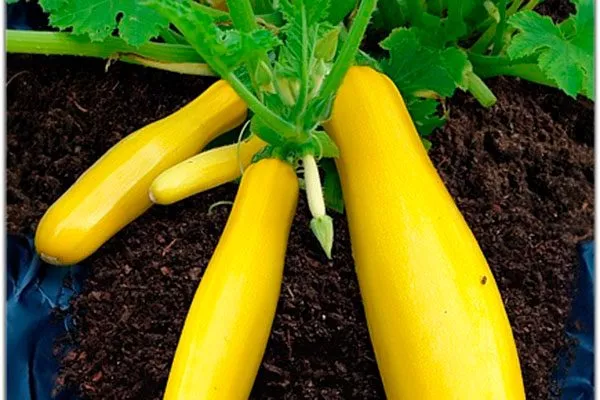
- the shape of the fruit is elongated-cylindrical;
- the length dimensions vary from 15 to 20-25 cm;
- the peel color is bright golden;
- the surface of the pumpkins has a smooth texture and gloss;
- the pulp is compacted;
- The color of the pulp is white.
- ✓ Resistance to temperature drops down to +4 degrees, which is rare among other varieties of zucchini.
- ✓ Limited number of fruits per bush (no more than 4), which requires precise calculation of the number of plants to obtain the desired yield.
Application
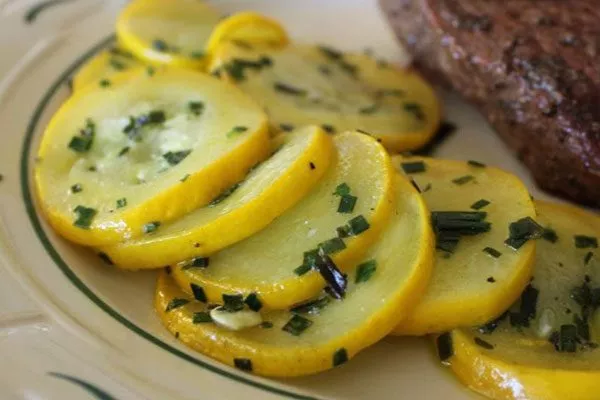
Zucchini has a predominantly squash-like aroma, as does its flavor, which is delicate and slightly sweet. It's perfect for first and second courses, canning for the winter, and even making squash caviar. The fruit can also be frozen. Thanks to its sweetness, experienced cooks use the flesh as a filling for sweet pies.
Sowing and growing - features for the variety
For successful cultivation, soil with a neutral, but preferably slightly alkaline, reaction is suitable. The soil mixture for seeds should include 45-55% peat soil, 20% organic matter in the form of compost or rotted manure, 20% turf, and 10% wood shavings. To reduce the acidity of the substrate, lime, dolomite, or chalk can be added.
- ✓ The soil pH level should be strictly within 6.5-7.5 for optimal nutrient absorption.
- ✓ The organic matter content of the soil should be at least 3-4% to ensure sufficient aeration and moisture retention.
When choosing a site, pay special attention to its predecessors:
- positive – tomatoes, turnips, potatoes, radishes, peas and beans, horseradish, onions, parsley, green manure;
- negative – pumpkins and squashes, pattypan squash, cucumbers.
Recommendations:
- Before sowing, planting material should be soaked in warm water and germinated to the pecking stage.
- Place the prepared soil mixture into containers with a diameter of 8-10 cm.
- Place seeds in each pot to a depth of 4 cm maximum and cover with plastic wrap.
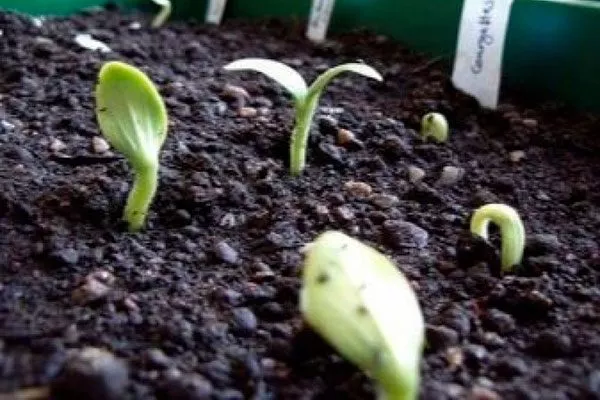
Plant zucchini seedlings a month before you plan to transplant them to the garden. Until the seedlings emerge, maintain the room temperature at 25-30 degrees Celsius. Once the seedlings emerge, remove the covering and move the pots to a location with bright, indirect light and cooler temperatures to prevent the seedlings from stretching.
Transplanting plants into the garden requires adherence to the following rules:
- Zucchini doesn't thrive in acidic soils with high groundwater levels. Light sandy loam or loamy soil is considered optimal.
- Before transplanting seedlings, add ash and humus to each planting hole, mixing them with the soil.
- Plant the seedlings together with a lump of earth, deepening them to the level of the cotyledon leaves.
- After planting, compact the soil in the hole and water well.
- It is better to plant in warm and preferably cloudy weather.
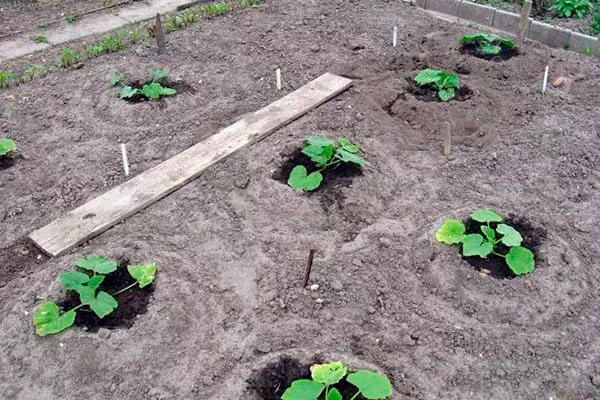
Further care of the plantings involves simple steps:
- Top dressing. This variety responds well to herbal infusions. To do this, fill a large container almost to the top with fresh herbs, add water, and let it steep for a week, stirring occasionally. After this time, strain the liquid and dilute it with water in a ratio of 1:7-8.
Water the zucchini with this solution two weeks after transplanting, avoiding contact with the leaves and stems. Alternate feeding with this infusion with slurry or composted manure. Fertilize the soil around the roots with this solution, being careful not to overwater the plants.
During the period of ovary formation, add double superphosphate (1 tbsp is enough) and sifted charcoal (about 150 g) to 10 liters of fertilizer. - Watering. Water in the evening with sun-warmed water. In hot weather, water daily to ensure the leaves aren't curled up. Once the green mass covers the soil, begin watering once a week in cool weather or every 2-3 days in hot weather, directing the water toward the root system.
Advantages and disadvantages of the variety
The Zolotoy variety is versatile in use and planting, as it's ideal for growing in a mini-garden on a balcony. It also has other advantages:
Gardeners do not note any critical deficiencies.
Reviews
The Golden Zucchini is suitable for mass cultivation and small garden plots. It is resistant to cold and disease, has excellent flavor, and ripens early—the harvest is ready in 50 days. Due to its low maintenance, this hybrid variety is recommended for novice gardeners.