
The Yellow-fruited zucchini is very popular among gardeners. It is chosen for its large fruits, low maintenance, and high yields. With proper care, the crop is resistant to diseases and pests. Proper care is essential to fully appreciate the variety's varietal characteristics.
Who developed the variety and when?
It was created at the end of the last century by the famous breeder Tehanovich G.A. After successful variety testing conducted on its basis, the crop was included in the State Register of Breeding Achievements of the Russian Federation in 1997.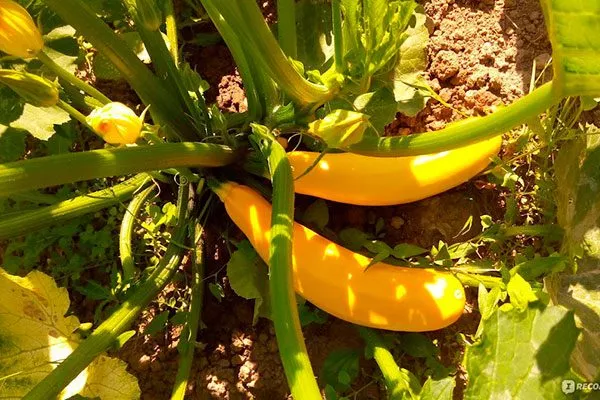
Description of the variety
Zucchini is grown outdoors. It is easy to transport and retains its appearance and marketability well. It is successfully cultivated in the Central and Far Eastern regions. It is also suitable for Siberian regions.
Characteristics of the appearance of the plant and fruits
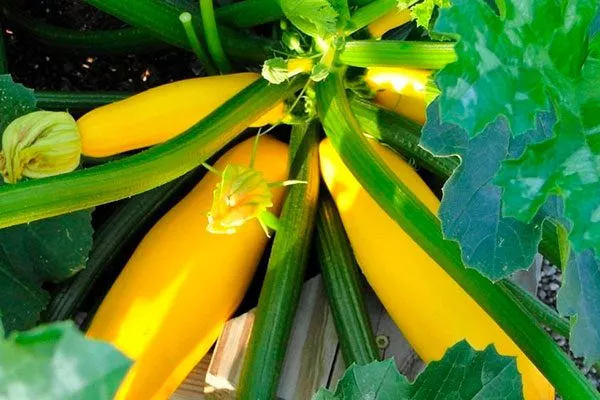
It grows as a small bush with strong shoots covered with pentagonal green leaves. General characteristics of the plant:
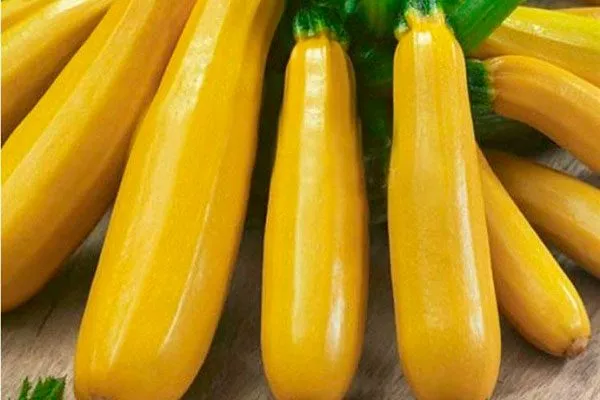
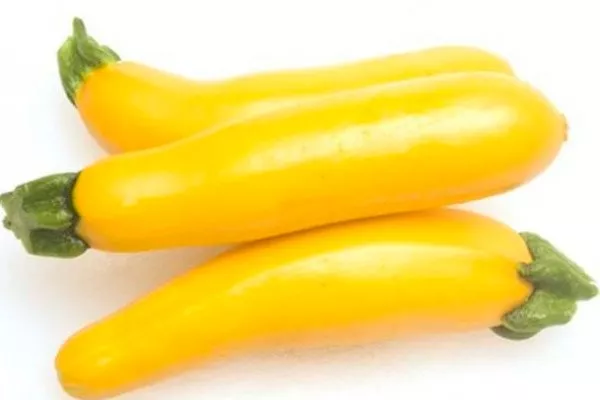
- The cylindrical fruits weigh up to 1 kg on average, with specimens sometimes reaching up to 1.8 kg.
- The skin is smooth, slightly ribbed, thin.
- The surface is painted yellow with a dense orange mesh.
- The seeds are oval in shape, creamy in color, and have a smooth surface.
Purpose and taste
The vegetable has excellent flavor and a high carotene content. The fruit's dry matter content is only 5%, and its sugar content is 2.5%.
This variety is ideal for all types of processing and can be eaten fresh. The vegetables store well without losing their appearance or flavor.
Ripening time, yield
Yellow-fruited zucchini is an early-ripening variety. The first fruits appear within 43-62 days of germination. This crop is characterized by high yields, allowing up to 8 kg of fruit to be harvested per square meter. When grown on a large scale, the average yield per hectare ranges from 300 to 800 centners.
Growing and care
Yields directly depend on the planting location. Choose sunny areas with fertile soil. Grow the crop using any method convenient for you. Some agronomists prefer to start seedlings and then transplant them into the ground. Others sow the seeds directly into the holes.
- ✓ The site should be protected from northern winds to prevent plants from becoming too cold.
- ✓ Groundwater should not rise higher than 1.5 meters to the surface to avoid rotting of the root system.
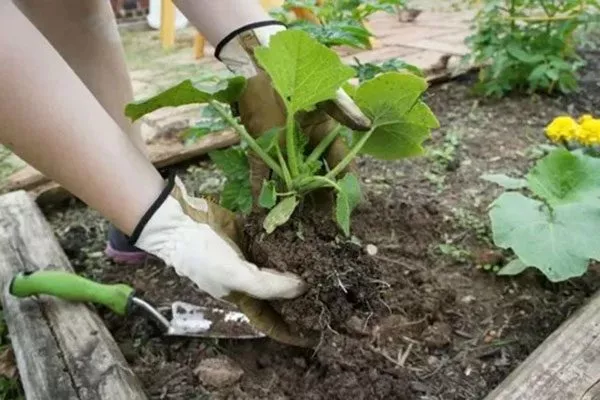
When sowing by seed, follow these simple rules:
- Sow seeds outdoors in late May or early June, when the soil temperature reaches 12°C. Germinating the seeds in a damp cloth before planting can improve germination.
- Prepare the planting holes in advance according to the 70x70 cm pattern, then water them well with warm water.
- Once the seedlings emerge, leave only one of the strongest sprouts in each hole.
- When using seedlings, plant them 2-3 weeks before transplanting into the ground, and initially cover them with film for better survival.
Resistance to diseases and pests
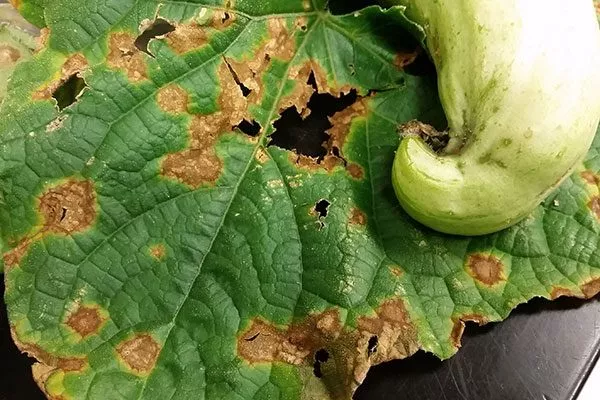
Yellow-fruited squash has good immunity to anthracnose and fruit rot, but often falls victim to powdery mildew. The disease manifests as white spots on the leaves, which eventually turn brown, leading to the death of the plant. The infection can be spread by wind and water.
| Method | Efficiency | Frequency of processing |
|---|---|---|
| Soda solution | Average | Once every 2 weeks |
| Whey | High | Once a week |
| Ash | Low | Once a month |
Powdery mildew usually appears during rainy or hot weather, and it can still linger in the soil from previous infections. To prevent this, treat zucchini with solutions of baking soda, ash, potassium permanganate, iodine, or whey.
Reviews of the Yellow-fruited zucchini
The Yellow-Fruited squash has many positive characteristics and boasts excellent varietal qualities. It is in high demand throughout the country because it produces abundant harvests, large fruits, and requires little maintenance. However, proper agricultural practices directly impact yield and plant immunity.