
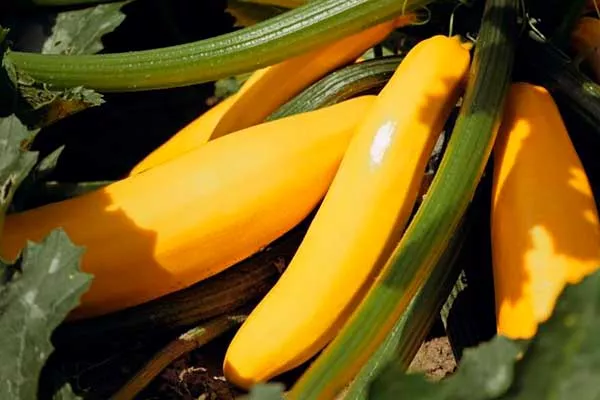
Yasmine zucchini is an early, yellow-fruited zucchini variety suitable for growing both outdoors and indoors. The long fruits are very rich in vitamin A, which is why they are yellow instead of green like most zucchinis.
History of creation
The hybrid variety Yasmin was developed by Japanese breeders. This zucchini is currently supplied to the Russian market by the renowned domestic seed supplier Gavrish. The variety was officially approved for use in 2011 and is recommended for cultivation in the North Caucasus region.
Description of the plant
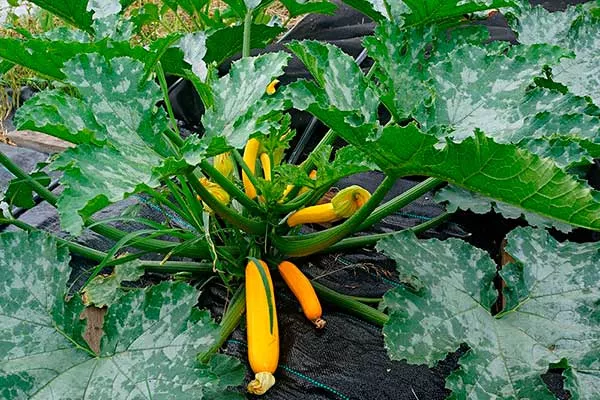
This variety has squat, sparsely branched bushes that are fairly compact and do not spread out. The leaves are large, green, moderately spotted, and moderately dissected. The bush diameter is 1.5 m.
What do the fruits look like?
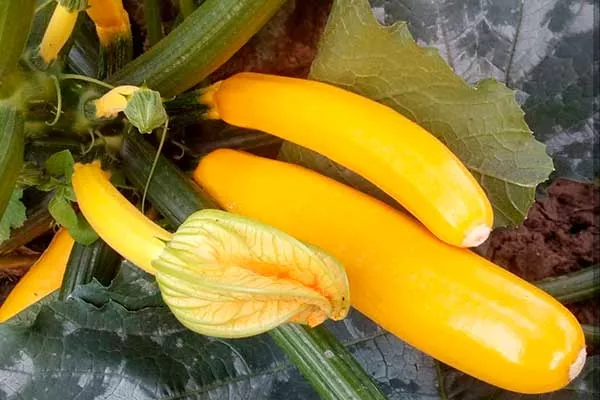
The fruits are cylindrical and reach 20-25 cm in length. The diameter is 4-5 cm. Each fruit weighs 500-600 g. The color is yellow, the surface is smooth. The seeds are medium-sized, elliptical. The flesh is light cream, juicy, and tender.
Characteristics of the Yasmin variety
Yasmin zucchini is a mid-early variety. The growing season lasts from May to September, with 55-56 days from germination to ripening of the first fruits. Yields range from 50-55 centners per hectare, or 4-11 kg per square meter.
Purpose and taste
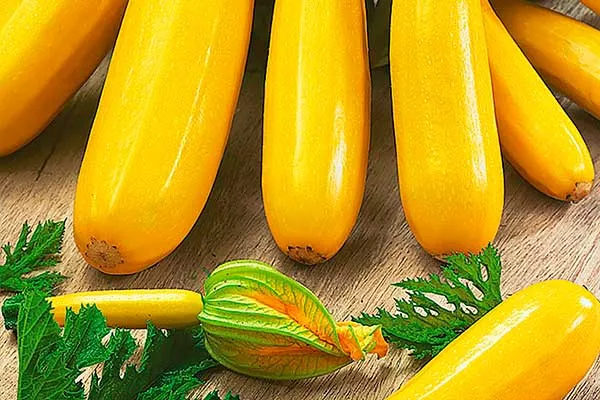
Yasmine zucchini has a pleasant, slightly sweet flavor, and the flesh can be eaten raw. Thanks to its high vitamin A content, regular consumption of Yasmine zucchini has a beneficial effect on vision, and this variety also provides antioxidant protection.
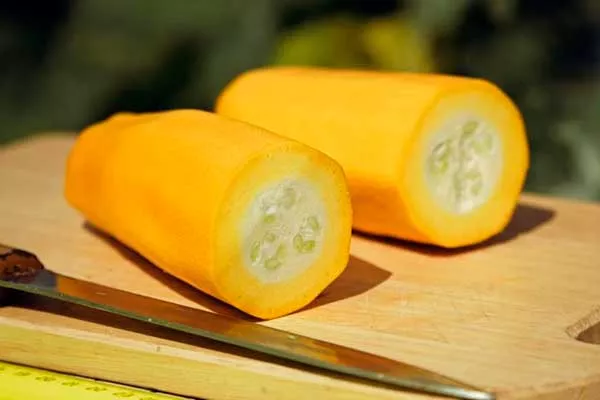
Eating yasmine zucchini is recommended for children, as it promotes growth and development. Unlike green varieties, yellow zucchini has a fibrous structure, which normalizes digestion and cleanses the body of waste and toxins.
Fruit characteristics:
- total sugar - 3.2%;
- dry matter - 5.2%.
Jasmine zucchini is widely used in cooking, making vegetarian soups, pancakes, stews, and other dietary dishes. Fresh zucchini is canned, frozen, and used in various preserves.
Pros and cons
Before planting Japanese zucchini in your garden, you need to familiarize yourself with all its advantages and disadvantages. This variety may not be suitable for your needs, and you should look for another option.
Pros:
The Yasmin variety has no particular drawbacks, the only thing worth noting is the inability to use seeds collected from the fruits. Since the Yasmin squash is a hybrid, it is impossible to obtain plants and fruits that match the declared varietal qualities from self-harvested plants.
Landing features
Yasmine squash grows well in open ground, where it is sown as soon as the soil warms. Sowing or planting seedlings occurs after the risk of frost has passed. The soil temperature should reach 12°C. Cover the planted seedlings with plastic to protect them from sudden cold snaps.
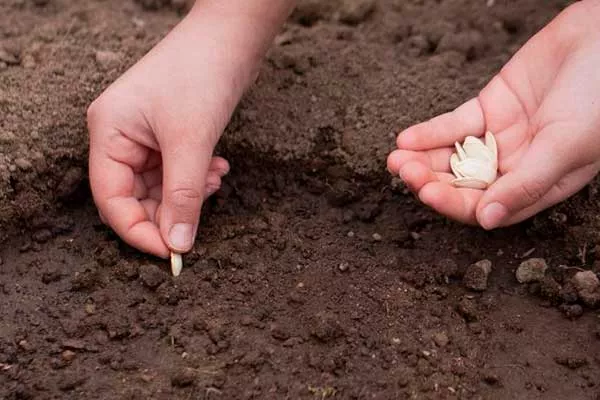
How to plant Jasmine zucchini correctly:
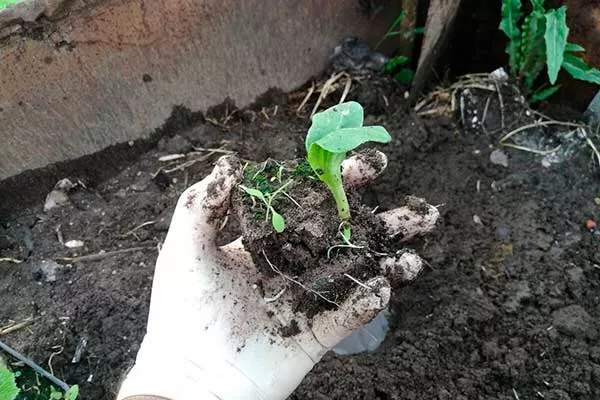
- The optimal planting pattern is 70x70 cm. Water the dry soil generously before planting. Germinated seeds are used for planting; in northern regions, the seedling method is used, planting three-week-old seedlings in the ground.
- This variety grows best in neutral or slightly alkaline soils. Acidic soils are not suitable for this variety. They are deacidified with lime, chalk, and dolomite flour.
- The soil in the plot is prepared in advance, in the fall, by digging it a spade deep and adding 10 kg of rotted manure per meter. The soil can also be prepared in the spring, immediately before planting. During digging, add 5 kg of humus or compost, 15 g of ammonium nitrate, and 30 g of phosphorus and potassium fertilizers per square meter.
- Plant seeds 3-5 cm deep, and seedlings 10 cm deep. Water the planted seedlings with warm, settled water and mulch. Sow seeds in moist soil; otherwise, they may not germinate.
- ✓ Soil pH levels should be strictly between 6.5-7.5 for optimal growth.
- ✓ The soil must have good drainage to avoid water stagnation.
Care instructions
The F1 Yasmine squash is considered an unpretentious variety, but to obtain high yields and high-quality fruits it requires certain care.
Tips for caring for Jasmine zucchini:
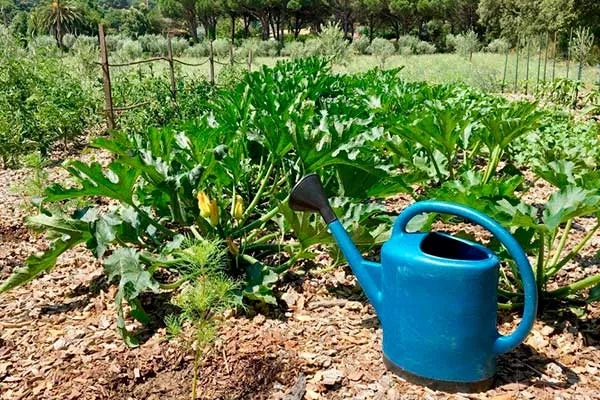
- Watering should be abundant and regular. This is especially important during the fruiting stage. Without water, the fruits will lack flavor and juiciness. Apply 20-30 liters of water per square meter. One plant requires 2-3 liters. During damp or rainy weather, watering should be stopped, otherwise there is a risk of rot and fruit drop. After each watering or rain, as soon as the soil dries slightly, loosen it and weed.
- Experienced gardeners recommend sprinkling the soil under zucchini bushes with pine or spruce needles to prevent the fruit from coming into contact with damp soil. After loosening the soil, the needles remain on the surface and do not decompose for a long time, even after digging, acting as a natural conduit for air and moisture to the roots.
- In the fall, the soil where the zucchini will be planted is tilled, adding organic matter. During the growing season, the plants are fertilized every three weeks. Organic and mineral fertilizers are applied alternately—an infusion of mullein and bird droppings is alternated with a solution of mineral fertilizers. It is also recommended to water the plants weekly with a weed infusion—this stimulates the development of the plants and the growth of the fruit.
Fertilize the first time before flowering, and the second and third times during fruiting. Leave at least two weeks between applications. Avoid using fertilizers containing chlorine or those that acidify the soil.
Along with root feeding, foliar feeding is recommended every two weeks. Spray the bushes with nitrogen fertilizer solutions on the foliage. However, only once, otherwise the fruit will accumulate nitrates.
Diseases and pests
The Yasmine squash has excellent immunity, but preventative measures are necessary to reduce the risk of disease and pests. Mulching the soil with peat, sawdust, compost, or straw helps prevent rot and anthracnose.
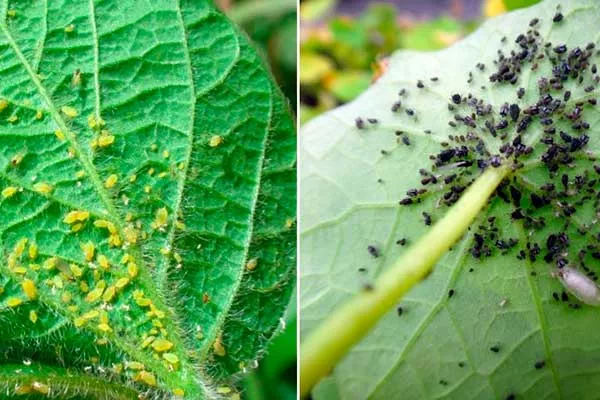
When garden insect pests appear, use Actellic or another effective insecticide. This product is diluted in water (2 ml per 2 liters of water—enough to treat 5 square meters). It combats Colorado potato beetles, aphids, mites, and potato moths.
| Method | Efficiency | Period of validity |
|---|---|---|
| Chemical insecticides | High | 2-3 weeks |
| Folk methods (ash, soap) | Average | 1 week |
It is not recommended to treat fruit-bearing plants with chemicals. During the period of fruit emergence and ripening, it is better to use folk methods - treat the bushes with a soap solution with the addition of wood ash.
Harvesting and application
Before the end of the season, watering is stopped, and all remaining flowers, ovaries, and small fruits are picked. Two to three zucchini plants are left on each bush. The zucchini are harvested every two to three days when the fruits reach 15 to 20 cm in length.
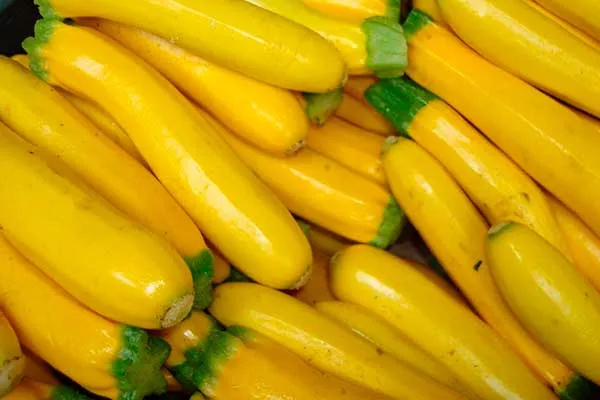
Zucchini can be stored for a long time. If placed in a dry cellar and covered with burlap, they will stay there until spring. Jasmine zucchini also makes wonderful preserves, pickles, appetizers, dressings, and salads.
Reviews
Despite its Japanese origins, the Yasmin zucchini has thrived in Russian gardens. Our vegetable lovers find this variety particularly appealing for its high yield, flavor, and marketability, opening up a wide range of culinary possibilities for zucchini lovers.