
The Vanda squash is a delicious and nutritious vegetable that's easy to grow in your garden. Its low maintenance, high yield, and excellent flavor make it an ideal choice for those looking for a bountiful harvest with minimal effort. With proper care, the fruit grows healthy and beautiful, and the plants develop a strong immune system.
Description of the plant
The Vanda zucchini variety, developed by Czech breeders, is not listed in the State Register; however, it has gained popularity among gardeners due to its excellent taste and high yield. Despite the lack of official registration, zucchini is now successfully grown not only in Russia but also abroad, enjoying demand for fresh vegetables on global markets.
Fruits, their taste and purpose
| Characteristic | Indicator |
|---|---|
| Fruit shape | Oval, smooth |
| Skin color | White with speckles |
| Skin thickness | 0.3-0.5 mm |
| Pulp color | Yellowish-white |
| Dry matter content | 5-7% |
| Sugar content | 2.5-3.5% |
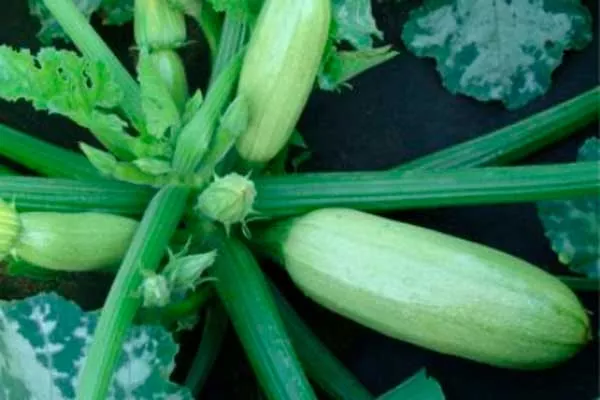
It grows as a compact, medium-sized bush, reaching up to 60 cm in height. It has the following distinctive characteristics:
- The shoots are covered with large leaves, colored green with light veins.
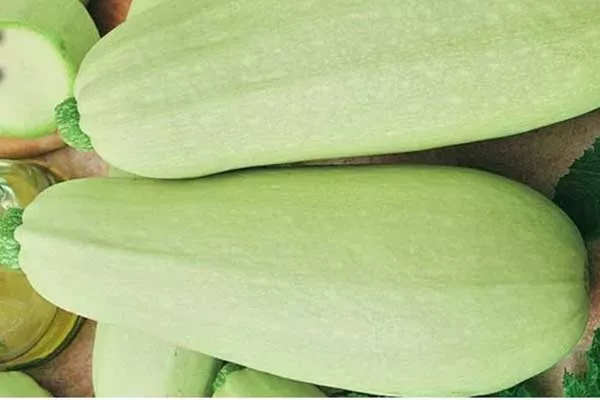
- It is distinguished by its large and juicy fruits, up to 20 cm long and up to 10 cm in diameter.
- The fruits are oval-shaped with a smooth surface, white in color with delicate speckles.
- The skin is thin and free from bitterness, and the yellowish-white flesh is very juicy.
Ripening time
The Vanda squash is an early variety. The vegetables ripen within 40-50 days of germination.
Productivity
A distinctive feature of this cultivar is its high yield. Each bush can produce 8 to 10 fruits, with yields reaching up to 80 tons per hectare.
This makes this variety extremely attractive for industrial cultivation.
Soil requirements
To successfully grow zucchini, fertile, well-drained soil is essential. The soil should be light, loose, and neutral to slightly acidic. Zucchini prefers areas rich in organic matter and nutrients such as nitrogen, phosphorus, and potassium.
Regular watering and mulching will help retain moisture and improve soil structure.
| Parameter | Optimal values |
|---|---|
| pH | 6.0-6.8 |
| Humus content | ≥3% |
| Soil density | 1.0-1.2 g/cm³ |
| Humidity | 70-80% HB |
| Nitrogen content | 15-20 mg/100 g |
It is important to monitor the soil acidity level and adjust it if necessary with lime or other suitable additives.
Growing regions
To achieve maximum yield and fruit quality, it is recommended to grow the crop in regions with warm climates, where summers are long and mild. Such areas include the southern regions of Russia, Crimea, the Caucasus, the Mediterranean, Asia, and Africa.
Subtleties of agricultural technology
To successfully grow zucchini, it needs sufficient light, warmth, and moisture. The plant prefers sunny locations and does not tolerate shade. Regular watering and fertilizing are important aspects of care.

Helpful tips:
- Zucchini seeds can be sown directly into the soil or grown as seedlings. If you choose to sow directly into the soil, make small holes about 2-3 cm deep and space them about 60 cm apart.
- After sowing, water the soil moderately to ensure moisture. Once the seeds emerge, leave the strongest plants and remove the weaker ones to ensure adequate space for growth and development.
- When growing outdoors, maintain a distance of approximately 1 plant per 1 square meter. The bushes should not touch the ground, so provide them with support to prevent damage.
Reviews
The Vanda squash is a striking member of the gourd family, boasting numerous valuable qualities and attractive characteristics. Its juicy fruits make a delicious treat in the kitchen. Its low maintenance and high yields have made it a popular choice among gardeners. With careful care, bountiful harvests are guaranteed.