
The Umka squash is a white-fruited, high-yielding variety that remains popular with gardeners and summer residents. It's prolific, hardy, and delicious in any form.
History of creation
The Umka variety is a domestically bred squash. It is versatile, as it can be grown both outdoors and in greenhouses. It is one of the most successful varieties developed by V. G. Kachainik's team. It was added to the State Register in 2010.
Description of the plant
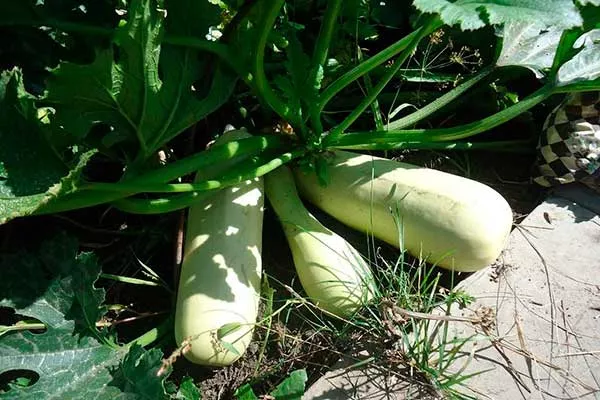
The Umka squash grows as a climbing, highly branched plant—an important consideration when planting it in your garden. The leaves are large, dissected, and traditionally colored, with slight white spots on the green surface.
Description of fruits
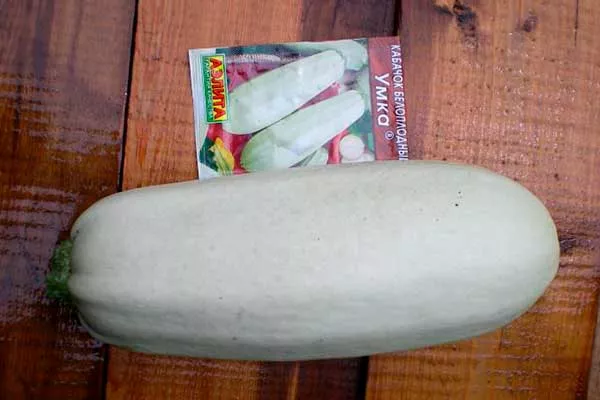
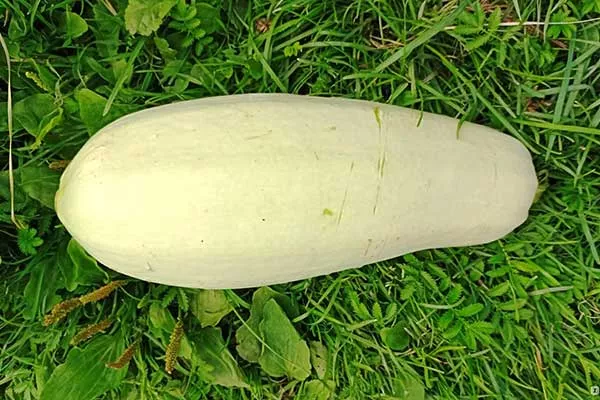
The fruits are cylindrical. The average length of ripe zucchini is 20 cm. The surface is smooth, white, with pronounced ribbing. The fruit weighs 0.6-1.3 kg. The flesh is medium-dense, white-yellow in color. The seeds are elliptical, cream-colored, and medium in size.
Taste and uses
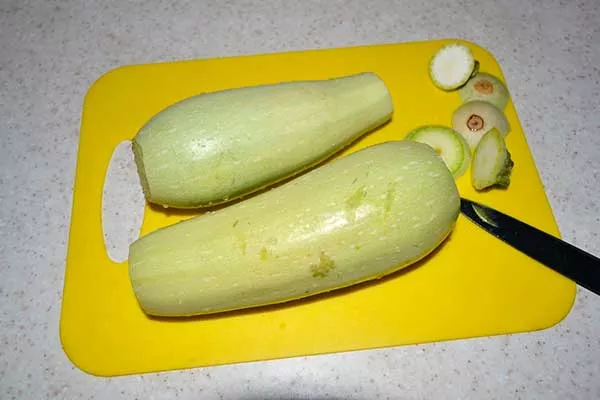
The Umka zucchini has a wonderful herbaceous, squash-like flavor, characteristic of young fruit. It's ideal for traditional dishes—it can be fried, stewed, baked, or cooked in any way. It can also be canned, salted, pickled, or frozen. Its shape is very convenient for slicing.
Productivity and other characteristics
This variety is early maturing, with approximately 40-45 days from germination to the ripening of the first zucchini. Gardeners can grow 8-10 kg of zucchini per square meter. Five to six zucchini are produced per plant. In commercial cultivation, the yield of this variety ranges from 380 to 850 centners per hectare.
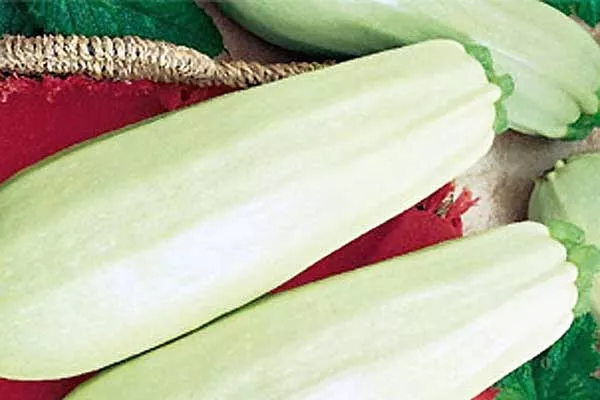
The Umka zucchini is cold-resistant, making it suitable for most climate zones in Russia. This remarkable variety is particularly well-regulated in the Volga-Vyatka region.
Pros and cons
Before planting Umka zucchini in your garden, evaluate its qualities from all angles. Along with its advantages, almost every variety has its drawbacks or qualities that make it unsuitable for its intended purpose.
The downside is the relatively low yield.
Landing
There are two ways to plant Umka zucchini: by sowing directly into the ground or from seedlings. In the south and in temperate climates, the first option is preferred. Zucchini grow quickly, and the first fruits are ready to eat in just over a month. The seedling method is popular only in regions with short, cool summers.
| Method | Advantages | Flaws |
|---|---|---|
| Sowing in the ground | Rapid plant development | Dependence on weather conditions |
| Seedling method | Early harvest | Requires additional hardening efforts |
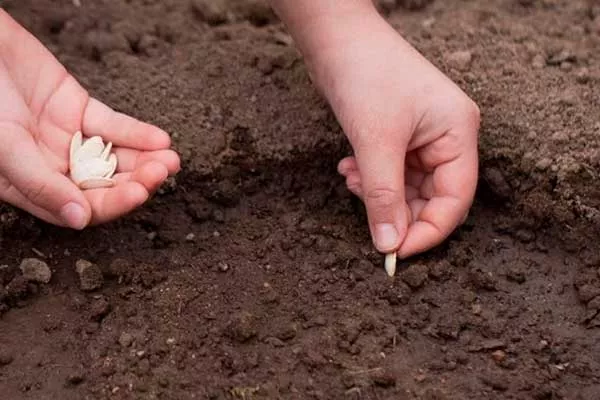
Landing features:
- Like all cucurbits, this variety thrives in light and warmth. The Umka squash will thrive in sunny areas, protected from drafts and winds by natural or artificial barriers.
- This variety grows best in light, fertile soils with a shallow groundwater table. The soil should be slightly acidic or neutral; the plant absolutely does not tolerate acidic soils.
- When planting, consider the previous crops to avoid the risk of fungal diseases and other infections. Avoid planting them after pumpkins, melons, or cucumbers. The best predecessors for zucchini are tomatoes, potatoes, and onions.
- Before sowing seeds or planting seedlings, the soil is dug deeply, adding fertilizers, both mineral and organic. Wood ash is also recommended, and sand is recommended for heavy clay soil. Highly acidic soil should be deacidified with lime or dolomite flour.
- Before planting, soak the seeds and let them germinate for 24 hours to speed up germination. You can also test the seeds for germination by submerging them in water. Any seeds that float to the surface are discarded.
- Sowing is carried out taking into account the local climate. In temperate zones, planting occurs in late April or May, while in northern regions, it's done even later—after the threat of frost has passed. In any case, if there is a risk of frost, it is recommended to cover the crops or seedlings with transparent film, at least at night.
- When the soil warms to 12°C, dig holes for planting. Leave 70 cm between adjacent holes. The same distance is maintained between rows. The recommended planting hole size is 30 x 30 x 30 cm. If the soil has not been fertilized, add 200 ml of ash to each hole, along with 1 tablespoon of superphosphate and potassium sulfate.
- Place 2-3 seeds in each hole. The seeds are buried approximately 2-3 cm deep. Water each hole generously, and once the water has been absorbed, place the seeds. When seedlings emerge, select the strongest sprout and carefully remove the others, being careful not to damage the roots of the remaining sprout.
- ✓ The soil temperature should not be lower than +12˚С to ensure optimal seed germination.
- ✓ The distance between holes should be at least 70 cm to ensure sufficient space for the bushes to grow.
If seedling cultivation is chosen, the seeds are sown 25 to 30 days before transplanting into the soil. The seedlings are hardened off first, then planted according to the standard method and watered with warm, settled water.
Care
Zucchini is rightly considered one of the most low-maintenance garden crops. They are hardy, disease- and drought-resistant, and require much less attention than other vegetables. However, a good harvest requires some care, and this will also determine the zucchini's flavor.
Care features:
- Until the zucchini roots grow and penetrate deep into the soil where water is available, they need watering for the first 2-3 weeks after planting (sowing or transplanting seedlings). Watering frequency is once a week. The recommended watering rate is 3 liters per plant.
Watering is also necessary, but not critical. Furthermore, the amount of rainfall must be taken into account. If zucchini are not watered, they will still produce a harvest, but the fruits will be small. However, their flavor will be more sugary. - The beds are regularly loosened to prevent crust formation, which blocks oxygen from reaching the roots. During loosening, weeds are removed, as they absorb nutrients and attract insect pests. The zucchini are hilled a couple of times per season.
- Zucchini respond well to fertilizing, so don't neglect it. Before planting, add 10 kg of humus or compost, 6-8 g of urea and double superphosphate, and 12 g of potassium sulfate to the beds. If you fertilize the soil in advance, this will last for the entire season.
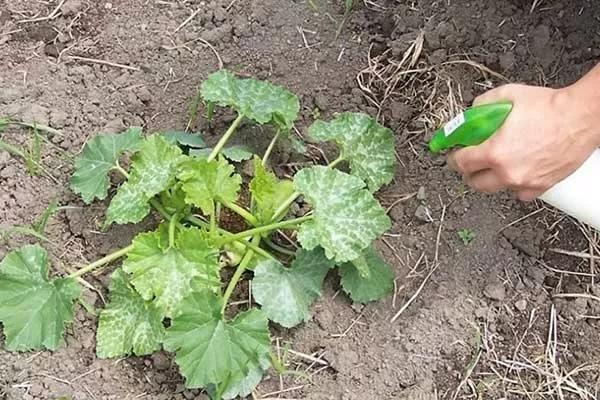
- The bushes are regularly inspected for insects. If aphids, spider mites, thrips, flower beetles, and other pests appear, safe biological products are used to ensure that spraying does not interfere with the zucchini's edibility. Various folk remedies, such as garlic or tobacco infusions, are also used for prevention.
Collection and storage
Zucchini should be harvested every 2-3 days, otherwise they will become overripe, the flesh will become less flavorful, fibrous, and tough, and the rind will harden. You can also pick unripe, very small zucchini—there will still be so many of them that you won't have anywhere to put them.
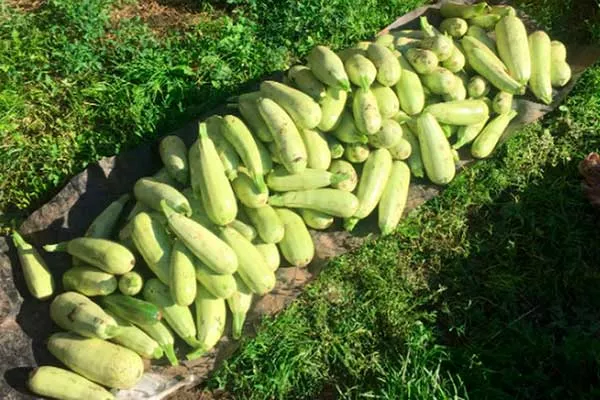
The Umka variety is an early-ripening variety, so it's not stored; it's eaten or processed immediately. The maximum shelf life of the fruit is two weeks. Store it in a cool, dark, and well-ventilated area.
Reviews
The Umka variety is an excellent choice for lovers of early zucchini. It produces a moderate yield, is tasty, and requires little care. This variety will also appeal to fans of traditional light-colored zucchini, which are ideal for frying and making caviar.