
The Tsukesha zucchini is a classic, early-ripening zucchini that grows in bushes and takes up minimal space in the garden. This variety is beloved by many gardeners for its high yield, delicious fruit, and low maintenance. After planting, simply water and feed the plant regularly to begin harvesting as early as late June.

Zucchini zucchini Tsukesha
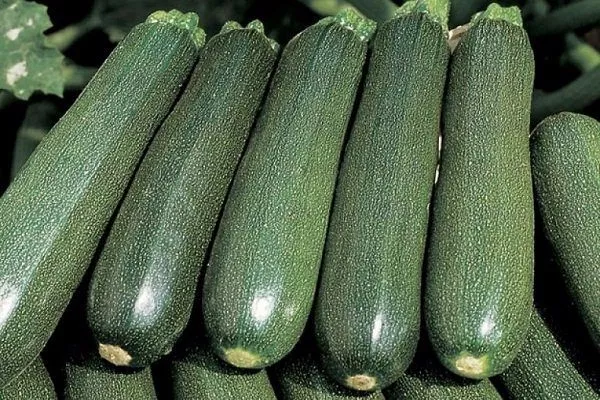
The Tsukesha zucchini has tender and tasty fruits.
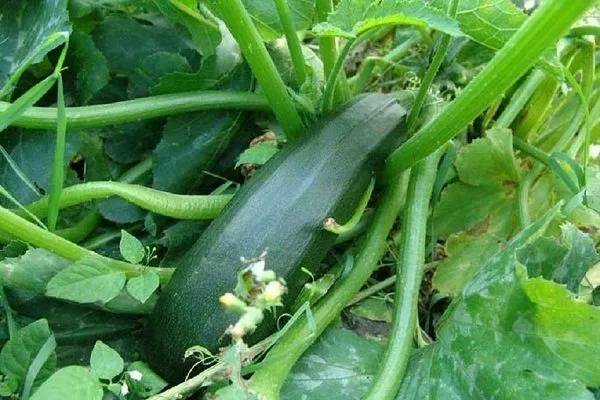
The Tsukesha zucchini squash is easy to care for.
Description of the variety
This zucchini variety is native to Ukraine and has been listed in the State Register of Breeding Achievements since 1986. It is recommended for cultivation in all regions with a temperate climate, and is well suited for both greenhouse and open-air conditions. Consequently, it is grown throughout Russia, from the Krasnodar Territory to the Far East. This is due to its characteristics, which are presented in the following table:
| Parameter | Description |
| Ripening period | The Tsukesha squash is an early-ripening variety, so the first fruits can be harvested 45-50 days after germination. If grown in a greenhouse, you can get an extremely early harvest. |
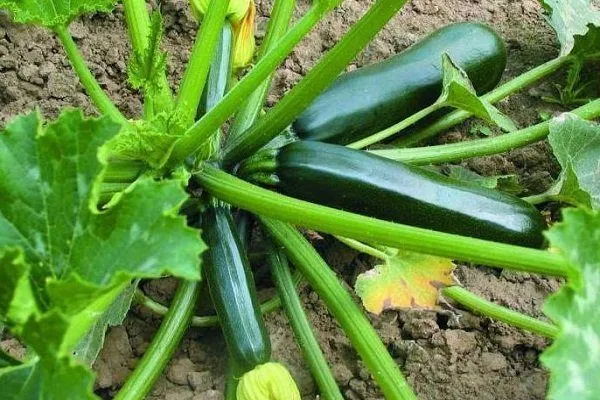
| Plant characteristics | This zucchini is a bush squash without vines, so it grows compactly. Even in a small plot, you can grow 3-4 plants without damaging other crops, meaning you'll have enough fruit to last both summer and winter. To understand the plant's appearance, consider the following:
It is important that the plant produces bisexual flowers, that is, male and female, so pollination will occur even with poor activity of bees and other pollinating insects. |
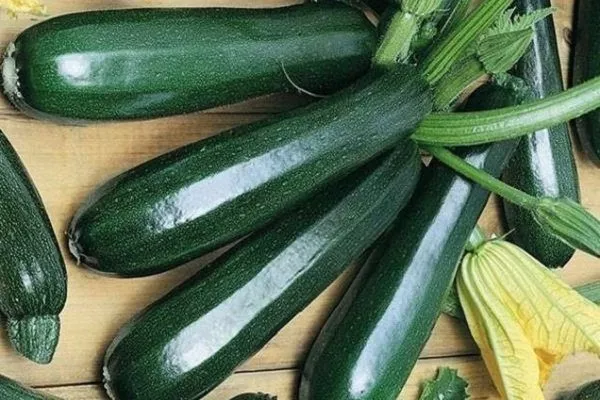
| Fruit characteristics | The fruits of Tsukesh have the following characteristics:
|
| The scope of application of fruits and their benefits | Zucchini is so tender and delicious that it can even be eaten raw. Young zucchinis, 15-20 cm in size, have no seeds yet, so there's no need to core them when cutting them. These fruits can be used in a variety of dishes and even preserved. They can be used in dietary nutrition, as they are low in calories (23 kcal per 100 g). They are also beneficial for both adults and children, as they are rich in beneficial acids (folic, malic, and nicotinic) and microelements (zinc, molybdenum, lithium, magnesium, and calcium). |
| Shelf life | Although zucchini skin is delicate, it's also quite dense. This allows the fruit to be stored for up to seven months and transported over long distances. However, it's important to note that over time, it hardens, becomes hollow, and is difficult to peel. |
| Productivity | One square meter of garden bed can yield between 8 and 12 kg of fruit. The more frequently you harvest, the more new ovaries the bush will produce, which will positively impact its yield. |
| Resistance to diseases and pests | The Tsukesha zucchini has a strong immunity and is only rarely affected by gray mold. Diseases characteristic of this vegetable crop only appear during epidemics. With proper care, pests do not linger on the plants. |
- ✓ It is highly resistant to temperature changes, making it ideal for regions with unstable climates.
- ✓ It has bisexual flowers, which ensures self-pollination even with low insect activity.
Planting methods and timing
The early ripening Tsukesha variety can be grown in two ways:
- SeedlessSowing should be done after the threat of further frost has passed. In temperate regions, this typically occurs in late May or early June. The key is for the soil to warm to a depth of 20 cm, reaching 15°C or more. For an early harvest, seeds can be sown 1-2 weeks earlier than expected; however, the seedlings will need to be covered with upside-down buckets, pots, or 5-liter plastic bottles overnight.
- SeedlingsIn this case, the seeds can be sown in individual containers from the last ten days of April to the first half of May. Experienced gardeners do this several times at intervals of 4-5 days to maximize the fruiting period.
- ✓ The optimal soil temperature for sowing seeds should not be below +15°C at a depth of 20 cm.
- ✓ To prevent diseases, it is necessary to observe crop rotation, avoiding planting after other Cucurbitaceae.
If zucchini is grown in a greenhouse or under a film cover, the sowing dates for seeds are moved forward by 2 weeks.
When choosing a planting method, it's worth considering that Tsukesha zucchini grown from seedlings doesn't store as well as those grown from plants grown from seeds planted directly in the ground.
Site selection and preparation
This vegetable can traditionally be grown along a fence on the south side or anywhere there's space cleared of other crops. The key is a sunny spot with no standing water (preferably at an elevated site). Crop rotation is equally important. Tsukesha should not be planted after other members of the pumpkin family or late cabbage. Its best predecessors are:
- legumes;
- onion;
- garlic;
- potato;
- early cabbage.
As for the neighborhood, in the best case scenario, it is worth placing corn on the north side of the zucchini, and beans along them and between the rows, since they accumulate nitrogen in the top layer of soil, which is necessary for the bush plant.
Once the optimal site has been selected, you can begin preparing the light soil. It's best to do this well in advance, in the fall of the previous season. The soil should be dug to a depth of 35-50 cm, adding the following fertilizers (per square meter):
- 5 kg of humus;
- 20 g potassium sulfate;
- 30 g superphosphate.
In May or at the end of April, 1-1.5 weeks before planting the zucchini, the area should be thoroughly loosened and nitrogen-containing fertilizer should be added at a rate of 10-15 g per 1 sq. m.
In temperate climates, the "warm bed" technique is also used. To prepare it, follow these steps:
- Incorporate fallen leaves, wood shavings, sawdust, small twigs, and other plant debris to a depth of 50-60 cm. The final layer should be uniformly 10 cm thick.
- Cover the resulting layer with soil or humus mixed with potassium and phosphorus fertilizers.
- Water the entire bed with a solution of fertilizer containing nitrogen (20-25 g per 10 l), cover with plastic wrap and leave until spring.
The soil in such a bed warms up significantly faster, so the harvest can be picked 1.5-2 weeks earlier. However, this technology has a significant drawback: the bushes in the bed often become overweight, to the detriment of fruiting, and in cloudy summer conditions, the fruit turns out bland and watery.
Zucchini can be grown in dug-up and sodded areas, even right among the grass. While the seedlings are gaining strength, weeds should not be allowed to choke them. However, zucchini will quickly develop vigorous bushes, grow large leaves, and be able to compete with competitors on their own.
Pre-sowing seed preparation
Regardless of the method used to grow zucchini, the seeds must be treated 7-8 days before sowing to disinfect them and improve germination. To do this, follow these steps:
- Soak the seeds for 12-16 hours in a crimson solution of potassium permanganate, wood ash infusion, or rooting stimulant. Effective solutions include Epin, Emistim-M, and Heteroauxin, while folk remedies include aloe juice, succinic acid, and honey solution. While soaking, discard the seeds. Empty seeds should be discarded immediately, as they will definitely not germinate.
- Wrap the seeds in a damp cloth (towel, gauze) and place them in a warm place (22°C) for about 2-5 days to germinate. The cloth can be placed on a saucer and placed over a radiator or other heating device. As it dries, moisten it with soft water—melt, rain, spring water, or settled water.
Regular tap water contains chlorine, which is not well tolerated by the Tsukesha squash. Therefore, fertilizers containing potassium chloride should not be used.
- Before planting, harden the seeds by storing them in the bottom compartment of the refrigerator for 24 hours. This will make the plant more resilient to temperature fluctuations and prolonged cold spells, which is especially important for northern regions and Siberia.
Direct sowing of seeds into the ground
Germinated seeds can be sown in the soil. If the soil wasn't prepared in the fall, dig it up and spread 1-2 buckets of humus or compost and 0.5 liters of ash per square meter. Instead of humus, you can use urea at a rate of 50 g per square meter. If there's a deficiency of organic matter, it can be added directly into the furrows and mixed with the topsoil.
The seed sowing scheme is as follows:
- planting depth – 4-6 cm;
- distance between holes – 50 cm;
- row spacing – 60 cm.
Place 2-3 seeds in each moistened hole, then cover with a layer of compost mixed with fine sand. If all the seeds sprout, keep only the strongest seedling. The second seedling can be transplanted to a different location where no seedlings have sprouted.
After sowing, the bed should be watered and mulched. It's best to cover the seedlings with cut-up plastic bottles or other covering material on arches. It's important that the covering is white and breathable. After a couple of weeks, you can remove it for a day, and after a while longer, remove it completely.
In order to extend the fruiting period, seeds should be sown several times at intervals of 5-6 days.
Planting Zukesh zucchini through seedlings
This technology involves growing strong seedlings, which will then need to be transplanted into the ground. Let's look at this process step by step.
Sowing seeds for seedlings
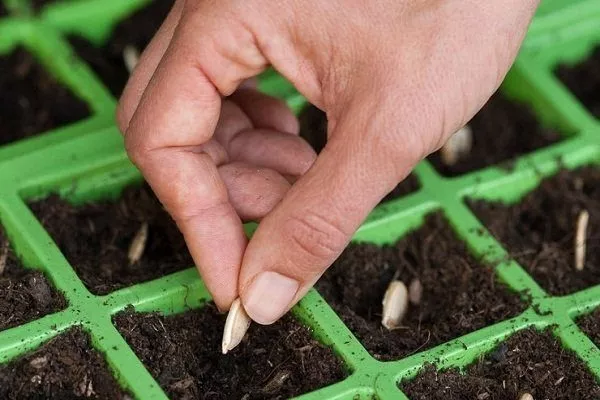
The seeds prepared in the above manner should be planted in separate plastic cups with a capacity of 200 ml and a diameter of no more than 10 cm, following these instructions:
- You can purchase the substrate at a gardening store or prepare it yourself by mixing humus, fertile turf, rotted sawdust, and peat crumbs in a ratio of 2:2:1:1, respectively. The resulting mixture should be disinfected using any available method—baking in the oven, freezing, steaming, or watering with a pink-purple solution of potassium permanganate. For additional disinfection of the seeds, you can add crushed chalk or sifted wood ash to the mixture at a rate of 1 tablespoon per 2 liters of mixture.
The substrate can simply be watered with a solution of Fitosporin.
- Fill the pots halfway with substrate and plant 2 seeds in each pot to a depth of 2-3 cm, then sprinkle soil on top.
- Place all the pots in a single spacious container (box, basket), cover with glass or film and transfer to the growing area.
Caring for seedlings
The planting requires proper care, which involves the following activities:
- Maintaining an optimal microclimateUntil mass germination occurs, keep the seedlings in a dark, warm place at a temperature of 18–23ºC. Ventilate the room daily to remove accumulated condensation. Once mass germination occurs, remove the "hotbed" and move the pots to a bright location. To prevent the shoots from becoming leggy, provide 10–12 hours of daylight. Once the first leaves emerge, lower the temperature to 20ºC. Optimal humidity is up to 70%.
- WateringEvery 5-7 days, the seedlings need to be moistened with room temperature water from a spray bottle (100 ml per plant) to prevent the top layer (2-3 cm) of the substrate from drying out.
- Top dressingSeven days after removing the greenhouse, the seedlings should be watered with a solution of any nitrogen and phosphorus fertilizer (2-2.5 g/L). After another 1.5 weeks, use any complex fertilizer (15-20 ml per plant). Popular products include Bud, Rostok, and Kemira-Lux.
- RejectionWhen the first leaf appears, culling is necessary if both seeds have sprouted. The one showing the best development should be retained. The second one should be carefully trimmed off at the ground.
- HardeningOne to one and a half weeks before transplanting, seedlings should be hardened off by placing them outdoors for several hours. Gradually increase this time, eventually allowing the seedlings to spend the night outdoors. This will help them adapt more quickly to their new environment.
It will take about a month for the seedlings to grow. By this time, they should have at least 2-3 true leaves.
Transplanting seedlings into the ground
Seedlings should be transplanted into the garden bed on a cloudy day. However, the weather should be fairly warm – around 20–23ºC during the day and 16–19ºC at night. The holes should be prepared in advance using a 60x70 cm pattern.
The planting depth depends on the soil quality. In light and sandy soil, the seedlings should be planted 10-12 cm deep, while in heavy soil, up to 8 cm should be sufficient. The holes should be watered with warm water (30…35ºC) to ensure the zucchini are planted literally in the "mud." At the bottom of each furrow, you can add 1 tablespoon of superphosphate or wood ash, a handful of compost, and onion peels, the pungent odor of which will repel many pests.
After planting, the soil should be gently compacted and watered generously, creating a low, circular "mound" of soil 25-30 cm from the stem. Next, install arches over the bed and stretch white covering material over them. This can be removed around June 20th.
Caring for Tsukesha zucchini
This zucchini variety isn't particularly fussy, but it does require a number of timely agricultural practices. Let's look at each of these separately.
Watering and soil cultivation
Zucchini requires a lot of water to nourish its voluminous foliage and produce juicy fruit. Therefore, it needs to be watered properly, following these guidelines:
- water the roots every 7-8 days at a rate of 1.5-2 liters per bush;
- in arid regions, increase the frequency of watering to 2 times a week;
- during the flowering and fruit formation period, water the bushes 2 times every few days at the rate of 10-12 liters per 1 sq. m;
- pour water under the roots and only on the driest days can you give the plant a shower;
- For watering, use settled warm water (not lower than +20ºC).
Even when watering at the roots, water will get under the fruit, so the soil should be mulched with straw or dry grass so that the zucchini dry out faster and don’t lie in the mud.
After watering, lightly loosen the soil between the rows and remove weeds to prevent them from reducing the zucchini yield. These procedures will also prevent crust formation and promote root aeration. Once 4-5 leaves appear, lightly hill the plant to stimulate the development of lateral root shoots.
Leaf thinning
The Tsukesha variety is characterized by its overly large leaves, which create a dark, damp, and dry environment. This often causes them to rot, posing a risk to the entire plant. Therefore, they must be regularly removed with pruning shears. Choose leaves that lie on the ground and overlap the center of the plant, obscuring the flowers and creating shade for the fruit.
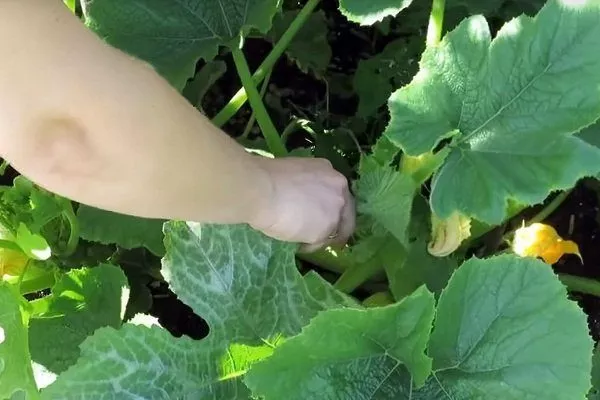
No more than 2-3 leaves can be removed from the south and east sides at a time.
Top dressing
If the soil has been well-composted, or the zucchini is grown in a compost heap or warm beds, fertilizing is unnecessary. Otherwise, excess nitrogen will cause the plant to become overweight, producing even larger leaves on thick petioles, while the fruit will fail to set or will grow poorly and rot.
If this has already happened, sprinkle wood ash under the bushes and loosen the soil. This will help normalize the nutrient balance and promote fruit formation.
If your zucchini is growing in poor soil, the situation is different. Its roots will lack nutrients and won't grow strong. To support them, the plant should be fed with natural fertilizers:
- Infusion of weedsFill a bucket or barrel with fresh herbs, add water, and let sit for 1-2 weeks, stirring regularly. Add 2 liters of the infusion per watering can of water.
- Infusion of bird droppings (mullein)Fill a quarter of a bucket with manure and top it off with water. Leave it for 5-10 days. For a 10-liter watering can, 0.5 liters of this solution is sufficient. Mullein infusion is made in the same way, but for every 10 liters of water, use 1 liter of fertilizer.
The application rate for these fertilizers is the same as for regular watering. Finally, rinse the zucchini with clean water from a watering can with a strainer. A few days after this application, sprinkle ash over the damp soil and loosen it. Alternatively, add a cup of ash to the watering can, shake it, and water the plant.
If the zucchini grows in normal soil, you can simply feed them about 3 times during the growing season:
| Development period | Top dressing | Consumption |
| before flowering | 1 tablespoon of nitrophoska per 10 liters of water | 1 liter per 1 bush |
| during the flowering period | 1 tbsp. of complex fertilizer per 10 liters of water | 1 liter per 1 bush |
| during the fruiting period | mullein infusion (bird droppings) or a solution of 1 tbsp. superphosphate, 1 tsp. potassium sulfate and 1 tsp. urea per 10 liters of water | 2-3 liters per bush |
As a foliar fertilizer, zucchini can be sprayed with a urea solution every 10-13 days.
Protection from diseases and pests
Among the diseases that can pose a danger to the Tsukesha zucchini are:
- powdery mildew;
- gray mold;
- white mosaic.
As a preventative measure, the seedlings must be soaked in a disinfectant solution, such as water with potassium permanganate added. If the plant is already diseased, remove the affected plants and treat the remaining plantings with a fungicide (Isofen, Topaz, or Topsin-M). Additionally, the zucchini should be sprayed with a copper oxychloride solution.
Besides diseases, be aware of pests that can attack the plant, sucking its lifeblood and leaving behind only wilted bushes. Among these, the following may attack the Tsukesha squash:
- SlugsThey can be collected by hand, but if there are large numbers of insects, it is better to use wet rags as traps or sprinkle the ground around the plant with ash.
- Spider miteTo repel it, spray the bushes in hot weather with an infusion of onion and garlic peels (200 g per 10 liters). If it has already taken hold, you'll need to use pesticides such as Kelthane (Chloroethanol) or Isophene. Ground sulfur is more effective in greenhouse conditions.
- Melon aphidThese parasites multiply rapidly and inhibit plant growth, so if they are detected, drastic measures must be taken immediately. Karbofos and Trichlormetaphos-3 (Trifos) are effective treatments. The latter is best used in a greenhouse.
Affected pumpkin bushes can also be watered generously with a homemade solution. To prepare it, add 4 tablespoons of mustard powder to 1 liter of warm water, stir well, and leave in a warm, dark place for 2 days. Then, strain the solution, bring the volume to 10 liters with water, and use as directed. - Sprout flyIt poses a danger to young pumpkin seedlings. To get rid of the fly, spray the plant with a solution of Iskra or Intavir during dry weather.
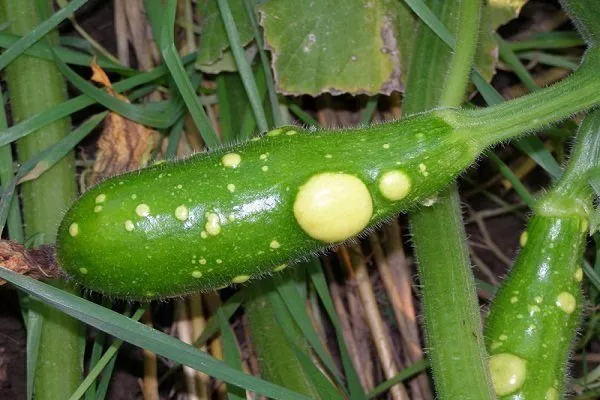
To protect your crop from any pests, it is important to regularly remove weeds, thoroughly remove plant debris, and follow crop rotation rules.
Harvesting and storage
The Tsukesha squash begins to produce fruit in late June and produces fruit regularly until the end of August. Fruits are ready to harvest when they reach about 35 cm in length. They must be harvested promptly, otherwise they will overripe and draw excess juices from the plant, inhibiting the development of new ovaries.
The zucchini should be harvested in dry weather, using a sharp, clean knife to cut off a 5-6 cm piece of the stem (tail). Next, store the zucchini in a dry, dark place. They can be placed in open boxes behind a cabinet, sofa, or other open space.
In early August, you can start thinking about storing your zucchini. To do this, harvest the young zucchini for the last time, but leave 1-3 ovaries so they can ripen in the garden and develop the firm skin needed for long-term storage. Place a waterproof material underneath these zucchini to prevent rot. This can be pieces of plywood, roofing felt, or glass. Alternatively, mulch the soil in the garden bed.
By mid-August, when cold nights and frequent temperature fluctuations begin to appear, the remaining ovaries should have already developed into mature zucchini. They should be cut off with long stems, discarding any specimens with any damage, and storing the remaining ones. Do not wash them.
Before storing zucchini in a cellar or basement, soak them in the open air for 4-6 hours. They can be stored in a cardboard box, a wooden crate, or directly on shelves. It's important to keep the zucchini from touching each other or the sides of the container or shelf. To achieve this, sprinkle the layers with small pieces of newspaper, sawdust, wood shavings, sand, etc. The optimal temperature for storing zucchini is 5 to 10°C, with humidity no higher than 60%. The storage room itself should be dark and well-ventilated.
Stored zucchini should be consumed within 2-3 months, as they will become too tough, have hollow flesh, and be difficult to peel.
An alternative storage option is freezing. Freezing will preserve the zucchini's flavor and nutritional value for 8-10 months. Before freezing, package the zucchini in small portions. Once defrosted, never refreeze.
Pros and cons
The Tsukesha zucchini has the following advantages:
- has one of the highest yields among other types of zucchini and varieties of white squash;
- has an early ripening period, so it quickly fills the gap in the vegetable ration on the table;
- It is distinguished by its tender flesh with small seeds, which does not become coarse even after the vegetable has outgrown itself;
- is a bush plant, so it takes up a minimum of space in the garden bed;
- to bear fruit with universal-purpose zucchini that can be stored and transported for a long time.
Reviews of the variety
The following video briefly describes the characteristics and experience of growing the Tsukesha zucchini:
Tsukesha is a low-branching zucchini variety. This variety delights gardeners with an excellent yield of dark green fruits with salad-like ridges. Unlike its white-fruited counterparts, it also boasts a long shelf life. This makes it popular among farmers and suburban homeowners.