
Tintoretto zucchini is a variety grown by both novice and experienced gardeners seeking a quick harvest. This crop is widely grown in our country due to its excellent taste, large fruit size, and low maintenance. To achieve generous harvests, careful attention to agricultural practices is required.
Who developed the variety and when?
The plant was approved for use in 2001. There is no information about its authors.
Description of the plant
Tintoretto is a bushy plant characterized by a compact growth habit and requires little space in the garden. The leaves are palmate, slightly dissected, and covered with a sparse downy hair, but are unspotted. The main stem of the bush is of medium thickness.
Fruits, their taste and purpose
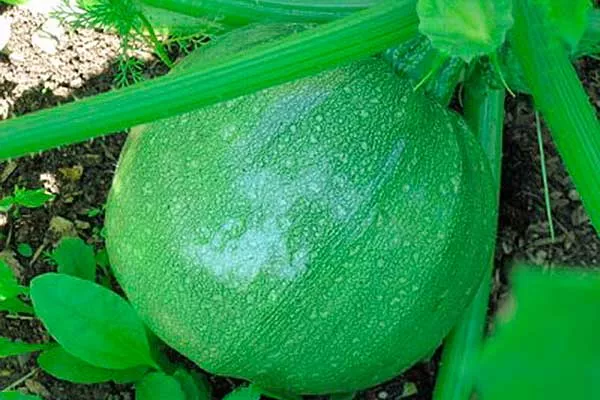
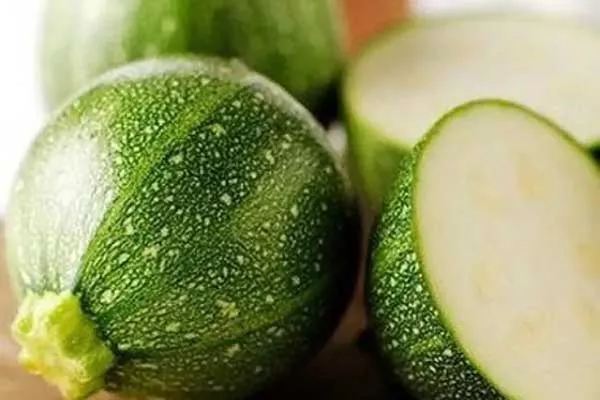
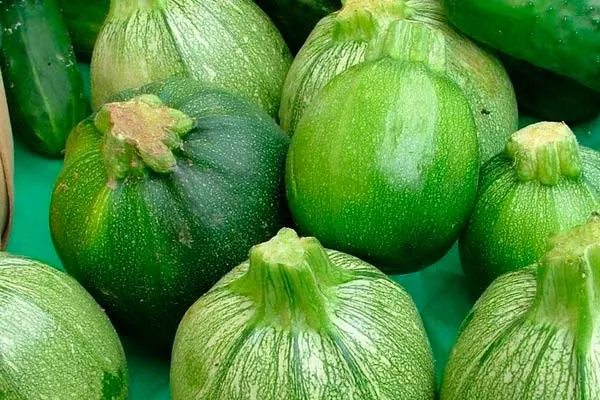
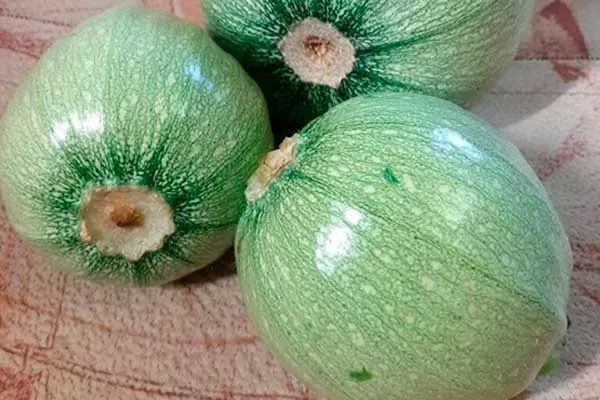
The fruits are characterized by a neat, round shape. They have the following distinctive features:
- Average weight is from 1.5 to 2.2 kg.
- The skin is light green in color, but as it ripens it turns yellow, covered with small specks and dark stripes.
- The surface is ribbed, the bark is thin.
- The flesh is light and tender in texture, containing large seeds.
- Zucchini has excellent taste characteristics and is ideal for frying, stewing, baking and canning.
- The dry matter content of vegetables is 3.7%.
Ripening and yield
This early-ripening variety completes its ripening cycle in just 48-51 days after sowing. With proper care, 1 square meter of soil can yield 6.6 to 9.9 kg of fruit.
Regions for cultivation
Tintoretto is ideal for cultivation in the Central region of the Russian Federation.
Resistance to diseases and pests
Fruit can sometimes be affected by various diseases, such as powdery mildew, anthracnose, white rot, gray mold, or mosaic. Biological treatments such as Fitosporin or Fitocide are often used to treat these diseases. Bordeaux mixture is also effective. This variety is rarely attacked by pests.
Landing features
Tintoretto zucchini thrives only in sunny locations; ripening is significantly slower in shaded areas. It is recommended to grow the plants after nightshades and legumes, but not after pumpkins, to prevent potential diseases.
Helpful tips:
- Prepare the soil for planting in the fall, adding superphosphate and potassium sulfate in a ratio of 2:1 (20 g per 1 sq. m).
- Vegetables are grown without seedlings, directly in the open ground in late April or early May. Preheat the seeds on a radiator for 24 hours, then place them in warm water for 3 hours, and then refrigerate for 48 hours to harden. After this, germinate the seeds.
- Plant the seeds in open ground in a 60x60 cm pattern, burying them 3-4 cm deep. Place several seeds in each hole. Water the seeds and cover with plastic wrap.
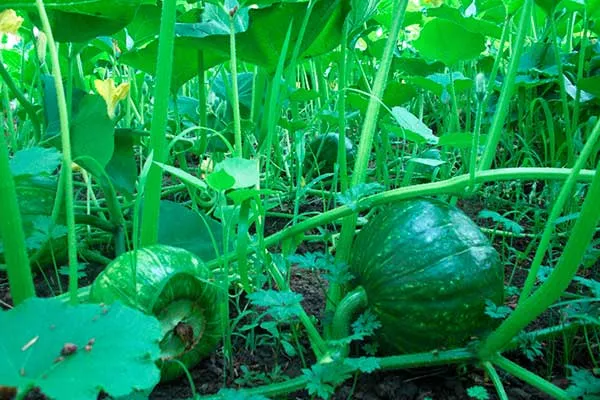
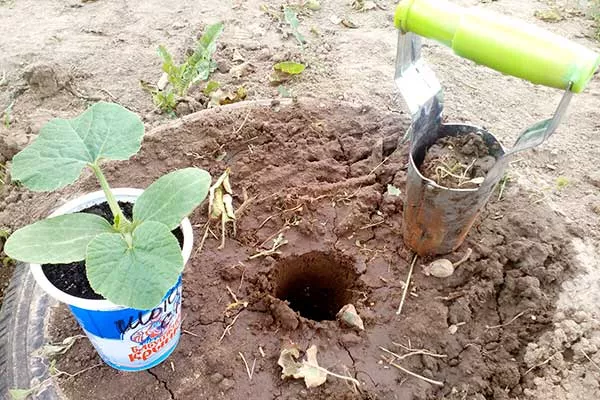
If the weather forecast predicts rain, use the seedling method. Sow seeds one month before transplanting outdoors. Pricking out is not required, but regular watering and fertilizing are essential. Plant young plants with a root ball, providing adequate light and pest protection.
Subtleties of agricultural technology
Zucchini requires regular and timely watering, especially during flowering and fruiting. Follow these basic care guidelines:
- At the beginning of growth, water them a couple of times a week, using about 3 liters of water per plant. Later, water once a week, but increase the amount. Pour the water under the roots. Perform this procedure in the evening.
- To avoid frequent soil loosening, mulch your garden beds. Cover the soil with black plastic to prevent weed growth and retain some warmth during cold weather. Other mulching options include straw, sawdust, or grass.
- If zucchini are growing in compost or organic soil, no additional fertilizer is required. Otherwise, apply nitrogen-rich fertilizers such as chicken manure or manure before flowering to stimulate growth.
- During flowering, spray with boric acid, and during the fruiting period, use complex fertilizers.

In greenhouses, ventilate zucchini regularly to avoid excessive humidity, which can promote leaf growth. If a leaf becomes too large and begins to shade the soil and fruit, remove it to prevent possible rot.
Pros and cons
Gardeners highly value the Tintoretto variety and note its many positive qualities. Among its advantages, they highlight the following:
Review of reviews
The Tintoretto squash is characterized by high yields, compact growth habit, and attractive fruit. Its disease resistance and low maintenance make it an ideal choice for both small plots and commercial cultivation. With proper care, this crop will reward you with generous harvests.