
Sukha zucchini is a promising hybrid variety with excellent flavor and marketability. As befits a hybrid, this zucchini is very hardy, disease-resistant, and produces high yields.
Description of the bush
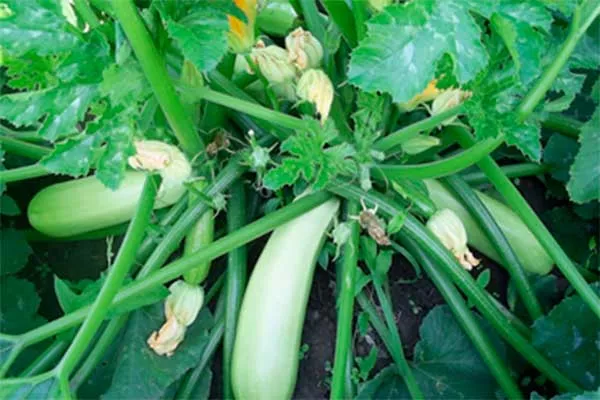
Sukha zucchini is a bush variety. It produces compact, sparsely branched plants with strong stems and moderate density. The leaves are small, light green, covered with small spots, and deeply dissected at the tips. The flowers are large, pale yellow, and standard.
Description of fruits
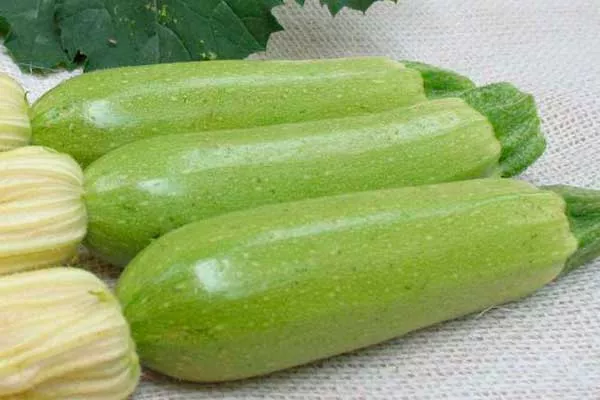
This variety is considered a medium-sized variety. Its fruits are a uniform light green color. They have a regular cylindrical shape and a smooth skin. The length of a ripe squash is 16-18 cm, the diameter is 4-6 cm, and the weight of one fruit is 0.4-1 kg.
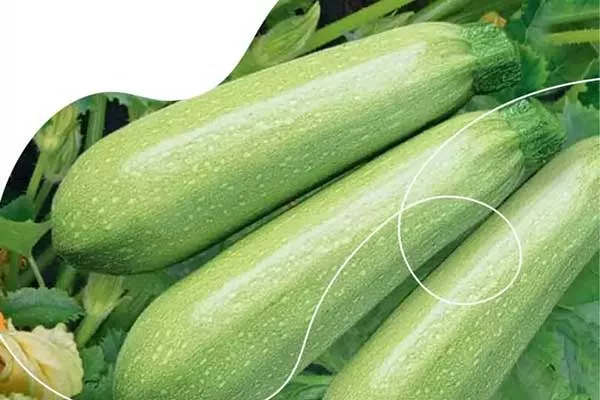
Ripe fruits have a uniform color, which may have diffuse light spots. The skin is thin, delicate, glossy, with barely noticeable ribbing.
History of creation
The Suha F1 zucchini was developed by Japanese breeders in 2006. The company Sakata developed the variety. It was added to the State Register in 2009. Suha zucchini is zoned for the North Caucasus region. It is suitable for both open and closed ground cultivation.
Taste and application
The Sukha squash flesh is dense, tender, and moderately juicy. The flavor is very pleasant and harmonious. The flesh is light yellow in color, with no voids or wateriness. The seeds are medium-sized and very few in number. The dry matter content is 5%, and the sugar content is 2.5%.
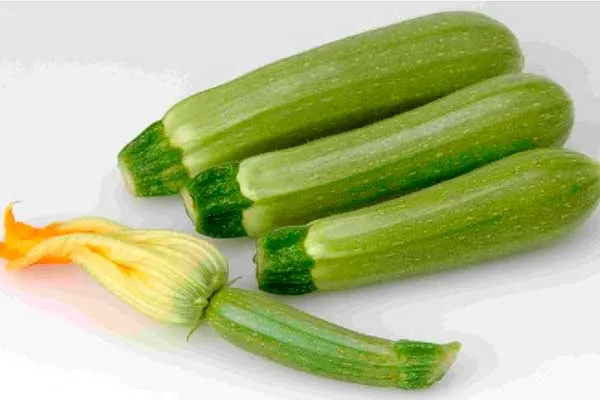
Sukha zucchini is suitable for frying, stuffing, and preparing main courses. It can also be canned and frozen. This variety is perfect for making salads, fritters, and caviar.
- ✓ Resistance to temperature fluctuations in the range from +10°C to +35°C.
- ✓ Self-pollination ability, which increases yield even in conditions of a limited number of pollinators.
Characteristics
The Japanese zucchini Suha is an early-ripening variety. Its growing season lasts less than 40 days. The first fruits are harvested 30-35 days after sowing. The fruits ripen uniformly and en masse, and fruiting continues almost all summer.
The Sukha hybrid is a high-yielding variety. With proper care, 35 kg of zucchini can be harvested per square meter. When grown commercially, 400-1250 centners can be grown per hectare.
Pros and cons
The Sukha hybrid, like most Japanese varieties, has many advantages. It's also a good idea to inquire about any potential drawbacks beforehand.
The Sukha squash has virtually no drawbacks. The only drawbacks are the need for regular watering and the risk of certain insect pests.
Features of cultivation
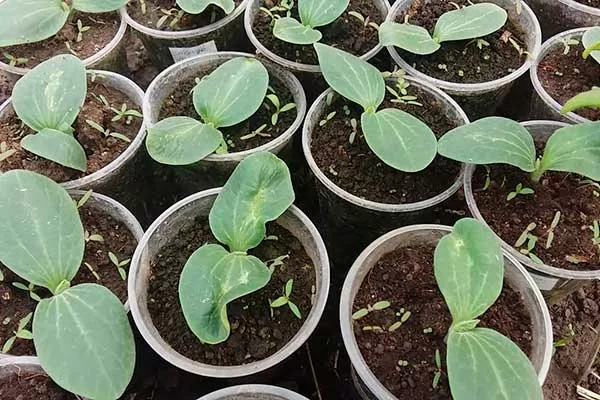
The vegetable is grown primarily from seeds. Seedlings are less common. They are typically used in regions with long springs and short summers, as they allow for an earlier harvest in areas with late, recurring frosts.
- ✓ The optimal soil pH level should be between 6.0-6.8 to ensure better absorption of nutrients.
- ✓ The soil should have high water holding capacity, but at the same time be well drained to prevent water stagnation.
Growing features:
- A well-lit area, level, without strong winds or drafts, is allocated for zucchini.
- The best soils for the growth and fruiting of zucchini are loose, moisture-retentive, nutritious and slightly acidic, such as light loams and sandy loams.
- The area is pre-dug, adding organic matter (compost or humus) and mineral fertilizers during digging.
- Seeds are sown from late April to mid-June. By this time, the air temperature should have warmed to 15–18°C, and the warmth should be stable.
- Sowing is done using a 60 x 60 cm pattern. The seeds are planted 3-6 cm deep. The depth depends on the soil structure; the denser the soil, the shallower the seeds are planted.
- To ensure faster germination, the crops are covered with plastic film.
- Water the beds as needed, using only warm water. Increase the watering rate during flowering and fruiting. Loosen and weed the soil regularly, and fertilize the crops two to three times per season.
If zucchini are grown using seedlings, planting is done early in the morning, in cloudy weather - this increases the chances of good rooting and survival.
Diseases and pests
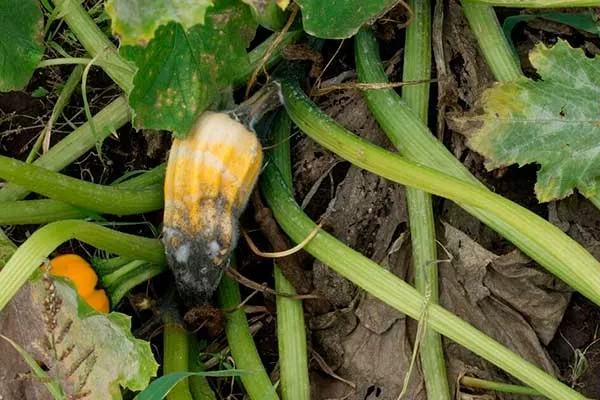
The variety is resistant to most diseases, including powdery mildew, bacterial blight, and anthracnose. Disease symptoms may appear under a combination of unfavorable factors, such as poor weather and improper care. Also, failure to follow proper agricultural practices can lead to attacks by thrips, spider mites, and melon aphids.
Collection and storage
It is recommended to harvest the fruit regularly, every 2-4 days. The more frequently ripe zucchini are harvested, the more vigorously new ones are formed. Over time, the fruit becomes dry and tough, so it is important to harvest them promptly, preventing them from becoming overripe.
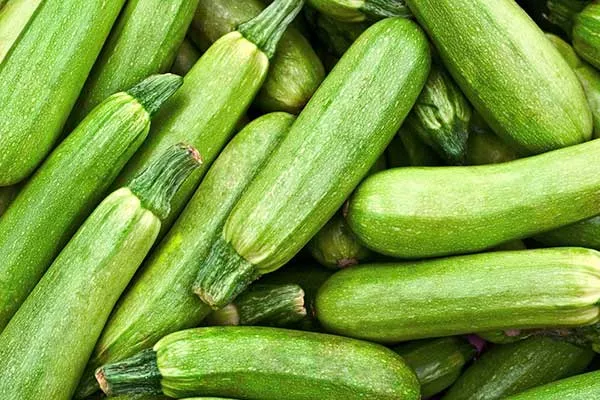
Experienced gardeners recommend picking Sukha zucchini when they're slightly unripe—they're tastier, much more tender, and juicier than ripened specimens.
This early-ripening variety is not suitable for long-term storage. It is eaten in the summer and used for preserves. If there are large quantities of fruits, they are stored in the refrigerator, indoors, on the balcony, or in the basement. To prolong their shelf life, use plastic bags.
Reviews
The Japanese variety Sukha is a worthy representative of its culture, possessing virtually all the qualities characteristic of an ideal zucchini. Despite its foreign origins, this variety adapts well to our climate, produces good yields, is unpretentious, hardy, and therefore poses virtually no problems for gardeners.