
Zucchini is a vigorous and resilient vegetable crop that doesn't require much attention from gardeners. If the plants begin to dry out, it indicates serious errors in cultivation practices. If the cause of the drying out is addressed promptly, most of the harvest can be saved.
Why do zucchini dry out?
If yellow, dry spots appear on the leaves, or they turn yellow and dry out completely, there's a chance to save the plant and harvest without significant losses. Everything depends on the underlying cause and how quickly appropriate measures are taken.
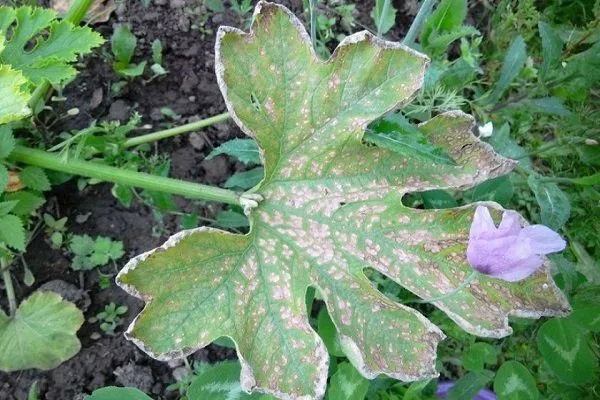
Low temperatures
Zucchini may appear hardy and undemanding, but in reality, they are very sensitive to environmental changes. Zucchini have large, loose leaves that are sensitive to various influences, including temperature.
A negative reaction of the bushes - drying of leaves, occurs when:
- frequent temperature changes - they exhaust and weaken plants;
- cold snap.
How to fight:
- Do not rush with sowing and planting seedlings in open ground - it is important to adhere to the planting deadlines and conditions;
- Cover the beds with agrofibre or film at night.
Planting density
Many inexperienced gardeners, seeking to make more efficient use of their plot space, plant zucchini too densely. A similar situation occurs with an excess of seedlings: gardeners feel sorry to throw them away, so they begin planting them too densely.
As a result of overcrowding, zucchini plants begin to dry out. The lower leaves are the first to suffer, as they receive the least sunlight. Drying out is only the beginning of the problems; overcrowding leads to disease, reduced yield, fruit rot, and other problems.
How to avoid crowding in zucchini beds:
- adhere to the planting pattern, 70 cm between bushes, 80 to 150 cm between rows, depending on the variety;
- If necessary, thin out the plantings, removing excess plants without regret.
Nutritional deficiencies
Withering of leaves and bushes is often caused by nutrient deficiencies. If mineral deficiencies become critical, plants lag in development and may fail to produce a harvest.
How to combat nutritional deficiencies:
- If the yellowing spreads evenly across the leaves, the bushes are likely suffering from a nitrogen deficiency. Applying mineral or organic fertilizers can help replenish this deficiency.
For example, you can water the bushes with chicken manure diluted in warm water at a ratio of 1:20. Add 1 liter of fertilizer per plant. Cow manure can be used instead of manure; dilute it in water at a ratio of 1:10. - Yellowing and drying of the lower leaves indicates a deficiency of all essential elements—potassium, magnesium, phosphorus, and nitrogen. It is recommended to feed the plants with a complex fertilizer such as Agricola or Diammophoska.
- If the upper leaves of your bushes are turning yellow and drying out, they most likely need iron, boron, or manganese. Iron deficiency can be replenished with Antichlorosis and Ferovit. The remaining elements can be obtained from the aforementioned complex fertilizers.
To prevent zucchini from drying out, it is recommended feed During flowering, use an infusion of nettle and ash. To prepare the fertilizer, dissolve 2 cups of wood ash in 10 liters of water and mix the resulting solution with the nettle infusion.
Incorrect watering
Zucchini readily absorb moisture, but they do not tolerate stagnant water. Overwatering, like water deficit, leads to leaf drying—a reaction to irregular watering.
- ✓ The water temperature for irrigation should be strictly in the range of +15…+20˚C to avoid stress on plants.
- ✓ The soil moisture depth should reach 40 cm, especially during the flowering and fruiting period.
How to water zucchini Right:
- Only warm (15 to 20˚C) and settled water is used for irrigation. It is collected in large containers, where it is heated by the sun.
- Watering should be regular, but take into account the current weather, amount of precipitation, and soil moisture. If zucchini are grown outdoors, water as soon as a hard crust forms on the soil surface.
- Water the roots, preventing water from reaching the above-ground parts of the plants. Watering beds with a watering can is not recommended, as splashes will likely land on the plant leaves. The best option is drip irrigation, which distributes moisture evenly and prevents water from reaching the green parts of the plants.
- It's best to water zucchini in the evening or morning, when the sun is out. This will prevent the leaves from burning if water does spill onto the plants.
- The average water requirement per square meter is 10 liters. It increases slightly during fruit setting and decreases as the fruit ripens.
- When growing zucchini in greenhouses, watering is much less frequent than in open ground. This helps avoid high humidity, which zucchini doesn't tolerate well.
- It is recommended to alternate watering with loosening. By loosening the crust formed after watering to a depth of 3-4 cm, you can reduce water evaporation by half.
Unsuitable soil
Zucchini requires moderately fertile and loose soil with a neutral pH. Excessive acidity is one of the causes of yellow and dry leaves. Plants in acidic soils wither, grow slowly, and begin to rot.
To reduce acidity, before planting, add the following to the soil per 1 sq. m:
- wood ash - 300 g;
- humus - 3-4 kg;
- slaked lime - 200 g.
Soils with a pH close to 5.5 are considered acidic. Zucchini reacts extremely negatively to increased acidity. Negative symptoms appear soon after planting the seedlings. The plants are unable to absorb nutrients in acidic soils, causing the leaves and stems to wilt and dry out.
Downy mildew
Yellowing and drying leaves are often associated with fungal diseases. One of these is downy mildew, or peronosporosis. It spreads rapidly through garden beds, infecting all plants. The disease can be recognized by small, yellow, oily spots.

What to do if you notice symptoms of downy mildew:
- remove all diseased leaves along with shoots;
- severely affected bushes should be pulled out and destroyed;
- Spray healthy and slightly affected plants with Bordeaux mixture or appropriate fungicides - Abiga-Peak, Trichoderma Veride, Consento.
The main cause of downy mildew is stagnant water in the soil. The disease typically appears after prolonged rainfall. Fertilizing with nitrogen and potassium helps prevent the disease. Phosphorus, copper, and iron are also added to boost the zucchini's immunity.
Leaves and bushes affected by downy mildew cannot be used for compost; they must be removed from the garden and burned to destroy the pathogen.
Spider mite
This tiny insect reaches no more than 0.5 mm in length. Mites suck the sap from leaves, causing them to turn yellow and eventually die. The insects nest on the undersides of leaves, which eventually become covered in webbing. If the mites are not eliminated, the plant withers and dies.
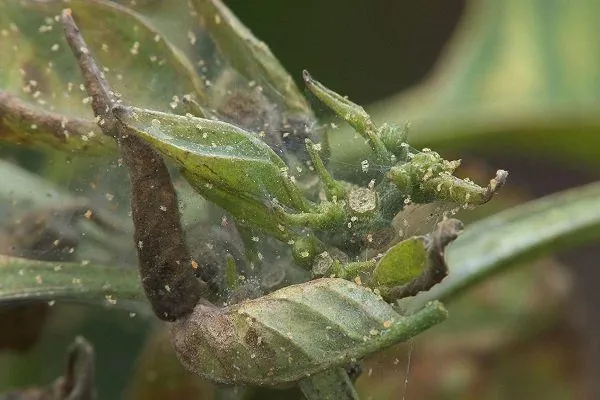
How to fight spider mites:
- Onion solution. Grind the onions through a meat grinder. Dissolve one cup of the resulting onion pulp in 10 liters of water. Add 1 tablespoon of ground pepper, 3 tablespoons of wood ash, and 1 tablespoon of soapy water. Spray the bushes with the resulting mixture twice, at weekly intervals.
- Chemicals. To combat ticks, special insectoacaricides are used. Suitable products include Actellic, Fitoverm, and similar products.
- Natural enemies. Predatory mites—Amblyseius and Phytoseiulus—are spread throughout garden beds. They are sold in gardening stores.
If the lesions are minor, wipe the zucchini leaves with a soapy solution. This solution is prepared by diluting a bar of grated laundry soap in 10 liters of water.
Anthracnose
This fungal disease often affects melons, including squash. It can strike at any time during the growing season. It is accompanied by the appearance of spots on the leaves, which eventually expand. Severely affected plants appear scorched.
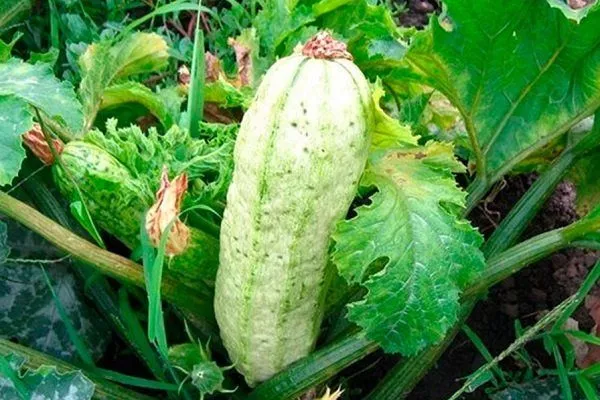
Anthracnose most often affects zucchini grown in greenhouses. If the disease reaches the fruit, it quickly rots.
How to combat anthracnose:
- careful sorting of seedlings - suspicious seedlings should be rejected;
- spraying with colloidal sulfur — 100 g is diluted in 10 liters of water;
- treatment with Bordeaux mixture — 100 g of lime and 100 g of copper sulfate are diluted in 10 liters of water.
Regular sanitization is recommended for greenhouses. For this purpose, use bleach—dilute 200 g of the product in 10 liters of water.
Fusarium wilt
This dangerous disease is caused by soil-borne fungi, which attack the roots. The plant's blood vessels, which transport water and nutrients, are affected. This causes the leaves to turn yellow, wilt, and curl. Within a few days, the entire plant dries up and dies.
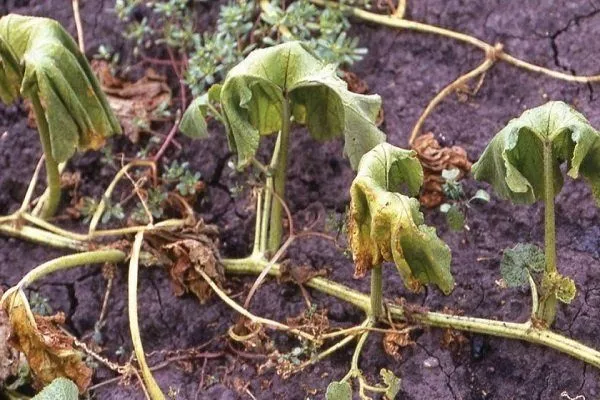
- ✓ The damage starts from the upper leaves, which distinguishes fusarium from other diseases.
- ✓ A pinkish-orange coating appears on the stems at the roots.
Fusarium wilt first affects the upper leaves, which can be used to distinguish the disease from other diseases. The stems near the roots turn brown, become covered with a pinkish-orange coating, and rot.
How to fight:
- the diseased bush is immediately pulled out and destroyed to prevent the spread of the disease;
- the seed material is treated;
- dust the bushes and soil with wood ash;
- After harvesting, the soil is improved by adding organic and mineral fertilizers, destroying all weeds, and adding calcium-containing preparations.
Cucumber mosaic
Mosaic is caused by a virus and affects all melon crops. The disease is characterized by the appearance of yellow and white spots resembling a mosaic pattern. The virus stunts plant growth and causes leaves to curl and dry out. Fruit on affected plants fails to ripen.
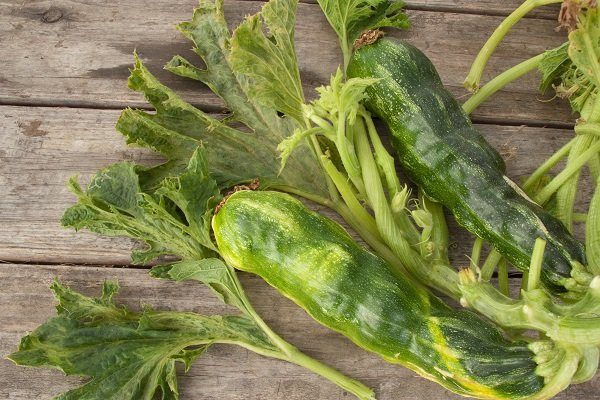
There is no cure for the disease. There are no medications or folk remedies that can cure affected plants. The only thing gardeners can do is prevent the virus from spreading as much as possible.
How to fight:
- destroy affected plants;
- seed treatment in a dark pink solution of potassium permanganate;
- disinfection of gardening equipment;
- remove plant debris;
- fight weeds;
- destroy virus carriers - ants, aphids, Colorado potato beetles;
- Preventive treatments with insecticides - preparations against insects.
Aphid
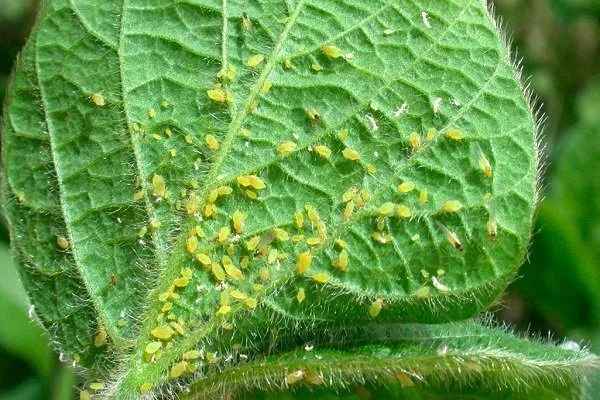
These tiny insects suck the sap from the above-ground parts of plants, weakening and killing them. They form colonies on the undersides of leaves, which become sticky, curl, dry out, and die. Aphids not only weaken plants but also infect them with dangerous, sometimes incurable, diseases.
How to fight:
- spraying with Fitoverm, Karbofos, Aktara and their analogues - in case of severe damage;
- treatment with a soap-ash solution - it is prepared from 100 g of grated laundry soap and two glasses of ash;
- spraying with tobacco infusion - 10 g of soap and 50 g of tobacco are diluted in 1 liter of hot water and left for 3-4 hours;
- planting fragrant plants along the beds - mint, fennel, calendula, coriander, mustard, marigolds;
- cleaning up plant debris from the garden;
- compliance with crop rotation;
- washing away insects with a stream of water;
- setting up glue traps.
How to prevent vegetables from drying out?
To prevent zucchini from drying out, gardeners use simple preventative measures.
How to prevent zucchini leaves and stems from drying out:
- Choose resistant varieties. It's recommended to grow hardy zucchini with a strong immune system, low maintenance, and robust qualities. In regions with harsh climates, only zoned varieties should be planted. The most hardy and low maintenance zucchini are:
- Malysh is an early variety with a high yield, it grows well in well-lit areas;
- Tsukesha is an early variety, unpretentious and cold-resistant, high-yielding;
- Skvorushka is resistant to cold and drought, and is easy to transport;
- Belukha is resistant to bad weather, not afraid of powdery mildew and bacteriosis;
- Chaklun has a strong immunity and is demanding in terms of agricultural technology.
- Water regularly. Water zucchini based on the weather and soil moisture—the soil should be moistened to a depth of approximately 40 cm. This is especially important during flowering, fruit formation, and fruiting. If the vegetable is growing in sandy or sandy loam soils, watering will be required more frequently.
- Do not plant in full sun. Zucchini don't thrive in the shade, but scorching sun won't do them any good either. It's best to plant them so they're lightly shaded during the sun's peak.
You can, for example, plant them along a hedge or fence, or against the wall of a barn. This will also protect them from drafts, which they absolutely hate. - Follow the feeding rules. During droughts and cold spells, it is recommended to apply mineral fertilizers, preferably complex preparations - there are special formulations for seedlings and for mature bushes.
- Protect from cold. Zucchini planted in open ground should be covered with film until the weather stabilizes.
- Protect from pests and diseases. To avoid dealing with extensive damage and losing yield, it is much more effective to prevent diseases and insect attacks. Recommended:
- dig the soil annually to the depth of a shovel blade;
- destroy all diseased bushes - burn them;
- spray plants with Bordeaux mixture and treat the soil with bleach;
- Observe crop rotation, do not plant zucchini in areas where melons and pumpkins were grown.
Despite their low maintenance, zucchini leaves often dry out. If you don't address the problem promptly, determine the cause, and take measures to save the plants, you could lose your entire harvest. Simple preventative measures can help reduce the risk of leaf dryout.