
The Skvorushka zucchini is a representative zucchini variety. It was bred in Russia and adapted to its climate. This productive and easy-to-grow variety attracts gardeners with its excellent flavor and resistance to various adversities.
Description of the plant and fruits
This bush variety grows compactly, without long stems. The medium-sized leaves are green, moderately dissected, five-fingered, pubescent, and have dense, light-colored veins. The stems are robust and well-branched, while the fleshy and flexible stems are thick, light green, and sparsely pubescent.
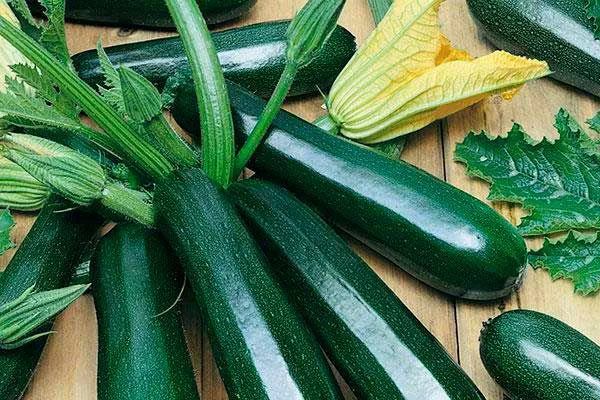
The fruits are medium-sized and cylindrical. A mature fruit weighs up to 0.9-1.2 kg. As is typical of zucchini, these squashes are dark green, and the flesh is white or slightly yellowish. The skin is fairly thin, speckled, and slightly ribbed. The seeds are small, cream-colored, and oval. The flowers are large, bright yellow, and predominantly female.
History of creation
The zucchini variety with the romantic name "Skvorushka" was developed in Russia. This zucchini was added to the State Register in 2009. It is ideal for central Russia and the Volga-Vyatka region.
Taste and application
The Skvorushka variety has ideal flesh: it's quite thick, tender, and juicy. The flavor is very pleasant, ideal for zucchini. Dry matter is 5-5.8%, sugars 3-4%.
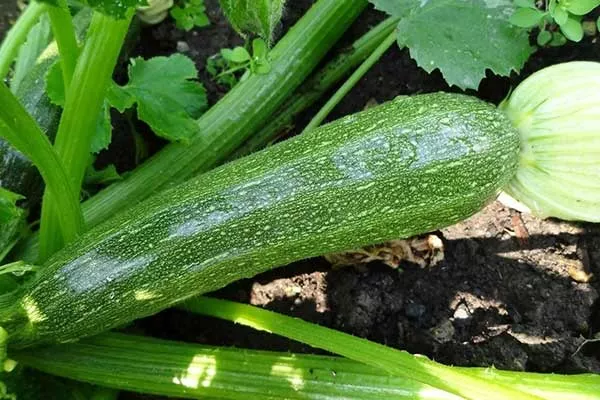
Ripe fruits can be eaten fresh. They can be cooked in a variety of ways and added to summer salads. These zucchini are also used in a variety of culinary delights, including frying, boiling, and stewing. They are suitable for all types of processing and for making winter preserves.
Characteristics
This variety is suitable for both open and closed ground cultivation. It is early maturing and cold-hardy. It takes about 40 days from germination to the ripening of the first fruits. It is also resistant to drought and fungal diseases.
Productivity
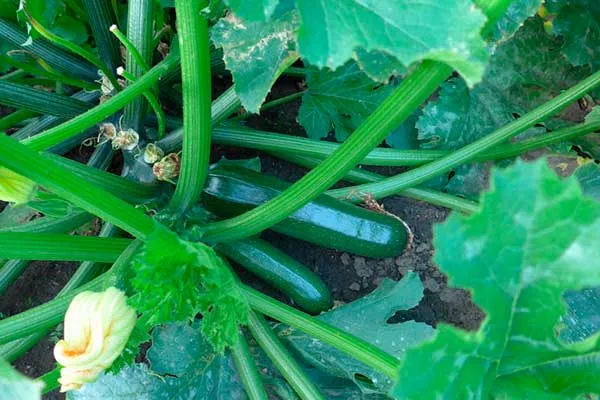
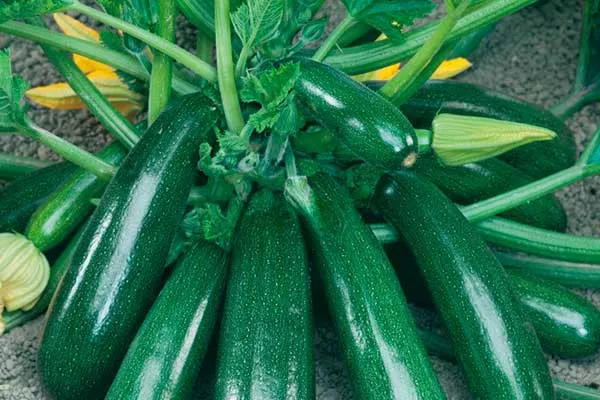
This variety is high-yielding. When grown commercially, an average yield of 600-700 centners is obtained per hectare. In a garden plot of 1 square meter, under favorable conditions and proper care, up to 10 kg of zucchini can be obtained. The fruits ripen fairly uniformly, which is especially convenient for large-scale cultivation.
Pros and cons
Before planting the Skvorushka zucchini in your garden, it's recommended to evaluate all its pros and cons. This will help you determine whether this variety is suitable for your intended purposes. If it's suitable for your region's climate, then weigh its advantages against any disadvantages.
No particular drawbacks have been identified with Skvorushka. Perhaps worth noting is its need for warmth and light, but this is more a characteristic of most zucchini than a drawback.
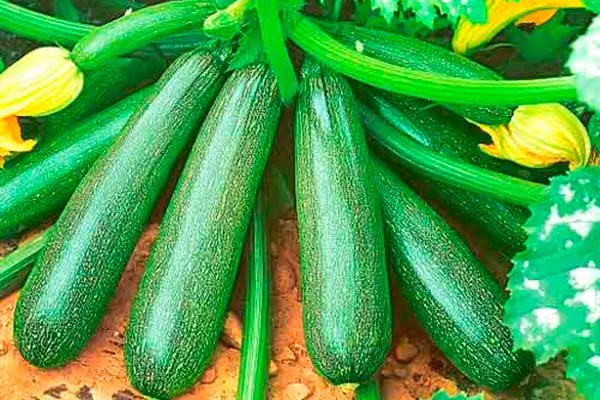
This feature of uniform ripening can also be perceived in two ways: when grown industrially or commercially (for sale), it can be seen as a plus. For gardeners, however, this nuance can be inconvenient.
Landing features
The Skvorushka squash can grow and bear fruit under the most unfavorable conditions. However, to obtain a good harvest, it requires specific growing conditions and care.
- ✓ Check the soil pH level; the optimal range for zucchini is 6.0-7.5.
- ✓ Ensure there is no stagnant water, providing drainage if necessary.
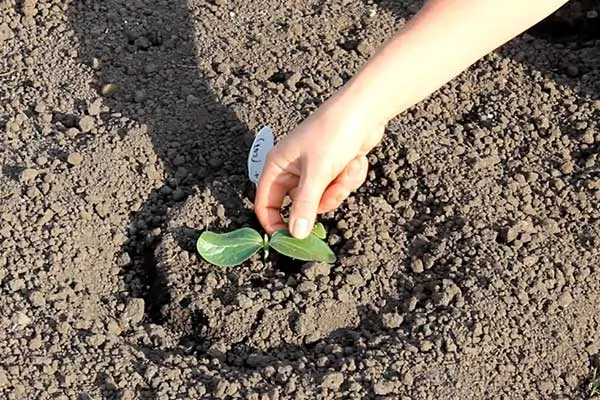
This variety is suitable for both open-ground sowing and seedling cultivation. Seedlings are grown in containers, plastic cups, or peat pots.
Features of growing the Skvorushka zucchini:
- Soils. The crop grows best in sandy and loamy soils. They should be well-aerated, rich in humus, and free from stagnant water, whether from rain or groundwater.
- Landing site. Preference is given to warm, well-lit areas, without drafts, protected from cold winds.
- Predecessors. Zucchini can be planted after tomatoes, potatoes, onions and eggplants.
- Site preparation. The soil is dug in the fall, adding organic matter (compost, humus) and components that improve the soil structure and adjust its acidity. In the spring, the area is leveled with a rake, and holes or rows are prepared for planting.
- Planting dates. Zucchini are planted taking into account local climate and weather conditions. In temperate climates, planting occurs after May 25th. Seeds for seedlings are sown in April, approximately a month before transplanting outdoors.
- Planting diagram. Optimal option: 70x70 cm.
Zucchini seeds are planted approximately 3 cm deep, and seedlings are planted up to the cotyledon leaves. Three seeds are planted in each hole to ensure germination. When sprouts appear, select the strongest one and leave it, while the others are carefully removed.
Caring for zucchini
Caring for the Skvorushka zucchini is easy if you ensure adequate soil aeration and consistent watering. Otherwise, preventative spraying is necessary. The biggest problems arise in dense clay soils with stagnant water.
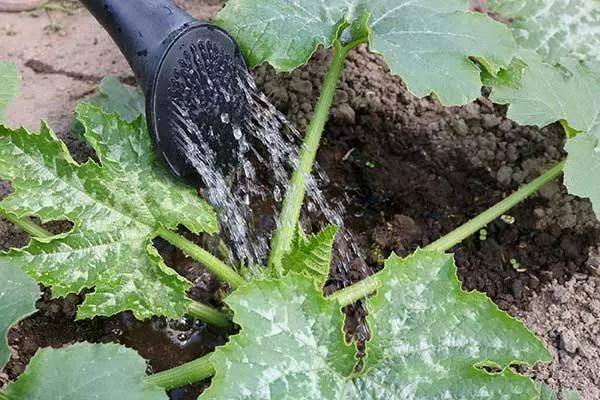
Zucchini responds well to mineral fertilizers, but they should be applied sparingly, otherwise there is a risk of damaging the root system. Even when applying small doses of fertilizer, it must be diluted with water.
The soil around the zucchini plants and between the rows should be regularly loosened, weeded, and mulched. Watering should be done on average once every 10 days. Use warm, settled water to prevent root rot.
Collection and storage
Zucchini are harvested in dry weather. The harvest can be used not only for cooking, canning, and processing, but also for storage. Skvorushka zucchini are very shelf-stable; under favorable conditions, they can be stored for up to four months without losing their flavor or appearance.
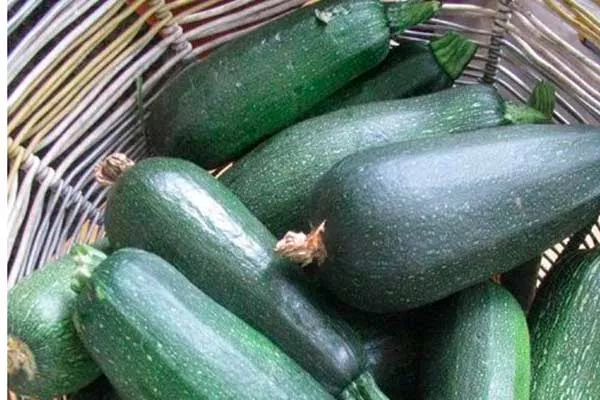
Zucchini Skvorushka is a prominent representative of domestic zucchini varieties. It appeals to gardeners for its flavor and cold-hardiness. This squash grows and produces fruit well in virtually all regions of Russia, including those with challenging climates.