
Zucchini are easy-to-grow plants, well-adapted to growing in any climate. But even they can have problems. Most of these problems are indicated by leaf curling. It's important to determine the cause so you can respond promptly and save the crop.
Improper care
The most common cause of leaf curling is care errors made during cultivation. These are easy to identify and correct.
Violation of the watering regime
During hot weather (especially if it lasts for a long time), leaf curling is a common reaction of zucchini plants to high temperatures. Young leaf blades on the top of the plant take on a funnel-like shape. This is how the plant conserves moisture by preventing it from evaporating.
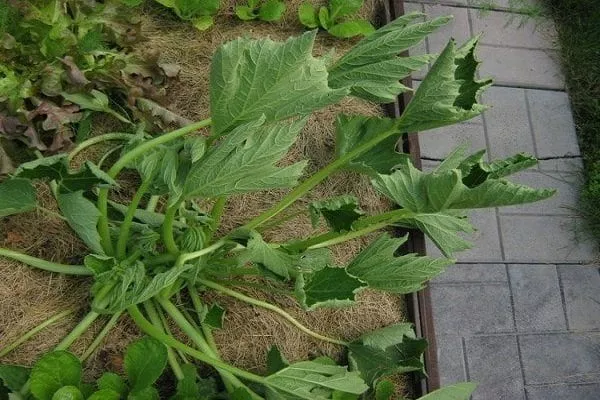
This phenomenon typically occurs during the hottest hours, and as the weather cools, the leaves straighten out. However, if left untreated, the zucchini will begin to dry out and drop its leaves. This will halt photosynthesis, and the plant will die.
However, excessive waterlogging leads to root rot. This is indicated by inward-curling leaves early in the growing season. To avoid this problem, follow these guidelines:
- during the hot period water the zucchini daily;
- use 1–1.5 liters of water for each bush;
- Irrigate in the evening, when the heat subsides, or early in the morning;
- in cool, damp weather, reduce watering to 2-3 times a week or until the soil dries out;
- If there is frequent rain, stop watering.
- ✓ The water temperature for irrigation should not be lower than 20°C to avoid stress on plants.
- ✓ The watering depth should reach 30 cm to ensure sufficient moisture for the root system.
It's recommended to give each zucchini plant its own separate portion of water. However, generous watering between the rows is also recommended. This is especially helpful in the morning if the day is hot.
Nutritional deficiencies
Incorrect fertilizing can also affect zucchini growth. Nitrogen is beneficial for their development, but too much of it can negatively impact the leaves, even causing them to wilt. If high nitrogen levels are accompanied by low phosphorus levels, the plant will also struggle.
To avoid this kind of problem, it is recommended to prepare the soil in advance for planting and then throughout the growing season, carry out additional feedingThe nutritional rules are as follows:
- Make a mixture of disinfected soil and compost with added ash. The latter ingredient can be replaced with superphosphate or any complex vegetable fertilizer.
- Prepare a biofuel bed by alternating layers of rotted leaves, grass, and manure. As they decompose, they will warm the soil mixture and enrich it with beneficial micronutrients.
- The first feeding is done during the flowering stage. It should be nitrogen-based. Natural fertilizer is made from any weed (nettles, dandelions, etc., without seed pods) and plain water. The result is a green infusion.
- The second feeding is a complex one. It's best to use any suitable commercial fertilizer. It's applied after the ovaries have set and before the fruit begins to develop. It can be repeated during rainy weather if soil is washing out between the bushes.
- The final feeding is carried out during fruit growth with a solution of ash infusion.
Planting zucchini in the same spot is not recommended. The plants will extract all the nutrients from the soil, leading to depletion. In this case, additional fertilizing and enriching the soil with fertilizers will not help.
Dense plantings
Zucchini requires full sun. A lack of sun can cause leaf discolouration and curling. Plant the crop in an open area. Small trees, shrubs, or a fence along the bed are acceptable. Manipulating the soil will provide some shade on very hot days.
Zucchini plants grow vigorously, so they require ample space. Otherwise, the leaves won't get enough sun and the roots won't get enough moisture, causing unhealthy competition and affecting the plant's health. When planting, maintain a distance of 1 meter between seedlings.
If this step has not been followed, thinning and removal of excess bushes is recommended. This will not negatively impact the number and size of fruits in the harvest. A bush given more space will begin to bear fruit more abundantly.
Fungal diseases
Fungal diseases are often the cause of zucchini leaf deformation. Plants with creeping vegetative parts are particularly susceptible.
Anthracnose
The disease affects not only the leaves but all parts of the plant except the roots. It manifests itself as yellow-brown spots on the leaf blades. As the disease progresses, the spots dry out, and the leaf blade curls.
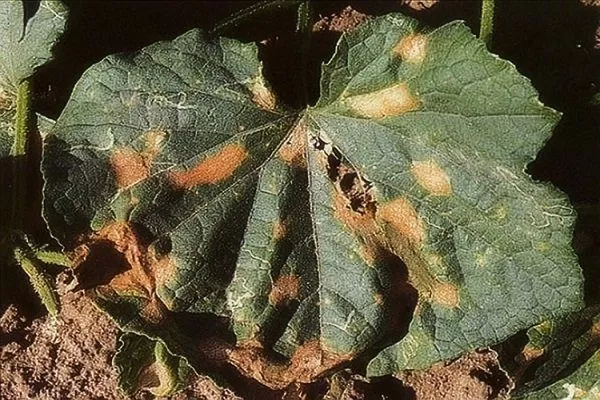
To prevent the development of anthracnose, the following measures are taken:
- carefully select seedlings (the strongest and healthiest);
- affected seedlings are removed from the garden bed;
- weeds are removed in a timely manner;
- After harvesting, all plant residues are removed from the garden bed;
- As frost approaches, the soil is dug up.
When the first signs of disease appear on the leaves, spray the plant with a colloidal sulfur solution or Bordeaux mixture. If zucchini is grown in a greenhouse, disinfect all surfaces with a bleach solution in the fall and spring.
Ascochytosis
The above-ground parts of seedlings are susceptible to damage. Symptoms include the formation of black spots on the stems and leaves. Leaf curling is a secondary symptom and is often absent. The disease progresses rapidly. If symptoms are detected late, the plant cannot be saved.
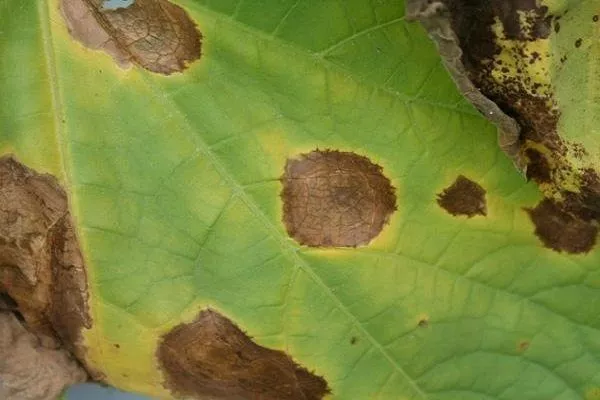
Ascochyta blight is caused by overwatered soil or spores remaining in the soil from the previous season. Disease control measures include:
- compliance with crop rotation;
- timely replacement of soil during greenhouse cultivation;
- moderate watering;
- cleaning the garden bed in the fall after harvesting.
At the first signs of disease, dust the zucchini area with a mixture of chalk and copper sulfate, sometimes with the addition of crushed activated charcoal. This helps dry out the plant tissue and localize the problem.
Sclerotinia (white rot)
All parts of the plant are susceptible to the disease. The harmful mycelium develops in dense plantings or when the soil is excessively wet. Fungal spores become especially active during the squash fruiting period.
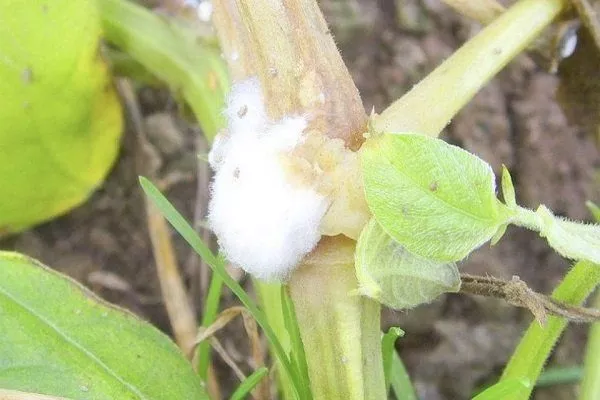
The disease manifests itself as a white coating on the leaves, significantly softening and curling them. Sliminess of the tissues is also observed.
To prevent the occurrence and development of sclerotinia, the following methods are used:
- annual replacement of the area for planting crops;
- disinfection of seed material;
- maintaining the interval between bushes;
- dusting the soil with wood ash;
- compliance with the watering regime and amount of water.
Fusarium
The danger of this disease is that it only manifests itself externally in its late stages. The infection begins in the roots and vascular system of the zucchini, and only in the active phase does it spread to the leaves. It is usually impossible to save the plant. Furthermore, the disease quickly spreads to neighboring shoots.
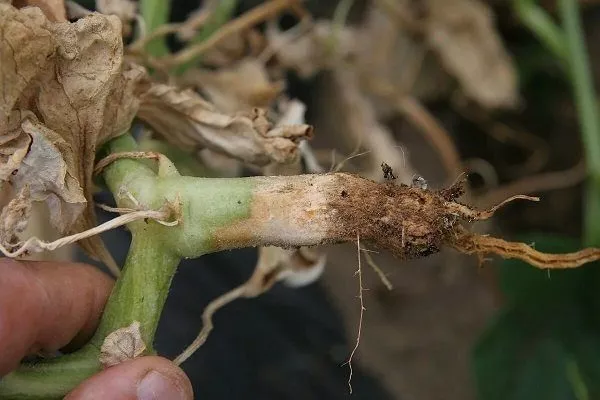
When the first symptoms are detected, all nearby healthy plants are dusted with wood ash. If the disease has already manifested itself on the stems and leaves, treatment with biological products (Trichodermin, etc.) is carried out.
One of the causes of fusarium wilt is an excess of organic fertilizers, which increase soil fertility. It is recommended to improve the soil by planting green manure:
- mustard;
- radishes;
- lupine.
White powdery mildew
The disease destroys micronutrients within the plant, causing its death. It manifests itself as round white spots on the leaves, which then grow, coalesce, and cover the entire surface. Subsequently, the leaf blades turn brown, dry out, and curl up.
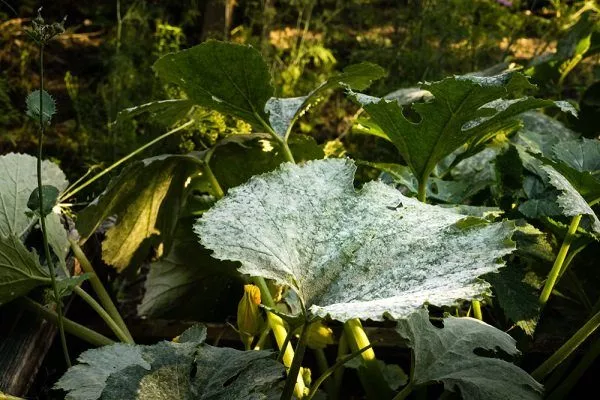
There are two reasons for powdery mildew infection:
- spores that overwintered in plant debris on the ground;
- nitrogen fertilizer deficiency.
If the infestation has already manifested itself, zucchini should be treated with Gamair, Fitosporin, or Fitoflavin. Preventative measures include:
- seed disinfection;
- compliance with the feeding schedule;
- weed control.
Peronosporosis
The disease can appear at any stage of zucchini development. It manifests itself as yellowing of the leaves, curling, the formation of rounded and angular spots, and the appearance of a gray or purple coating on the underside. In the later stages, the green tissue dries out, leaving only the petioles.

Downy mildew thrives in a warm, humid environment. If signs of the disease are detected, all affected leaves should be removed immediately. It is recommended to treat all plants with onion peel infusion or herbal remedies.
Dry blossom-end rot
It manifests itself as yellow, damp spots on plant tissue. Over time, these spots turn brown and develop a putrid odor. Zucchini leaves affected by necrosis lose their ability to retain moisture. They shrivel and dry out.
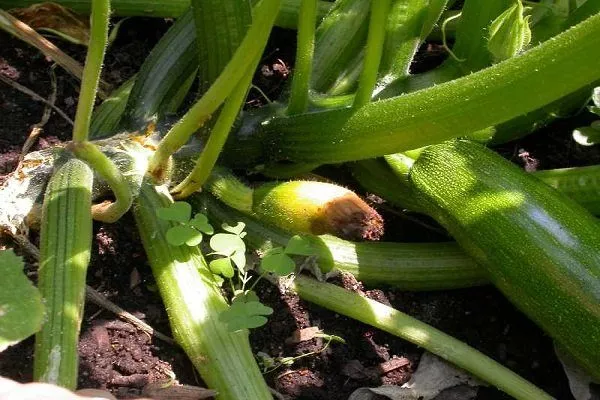
At the first signs of disease, enrich the soil with calcium-containing fertilizers. As a preventative measure, add wood ash or crushed eggshells to the beds in the fall.
Pests
Insects also cause leaf curl and poor growth in zucchini. Some of them affect the plant directly, while others transmit dangerous diseases.
| Name | Method of struggle | Period of activity | Vulnerability to drugs |
|---|---|---|---|
| Spider mite | Spraying with sulfur solution | Summer | High |
| Sprout fly | Application of granular insecticides | Spring | Average |
| Melon aphid | Treatment with Iskra and Intavir | Summer | High |
| Whitefly | Spraying with Confidor solution | July | High |
Spider mite
Spider mites suck nutrients and sap from plant tissue. Colonies of the insects settle on the undersides of leaves and multiply rapidly. Their activity causes leaf curling and subsequent wilting.
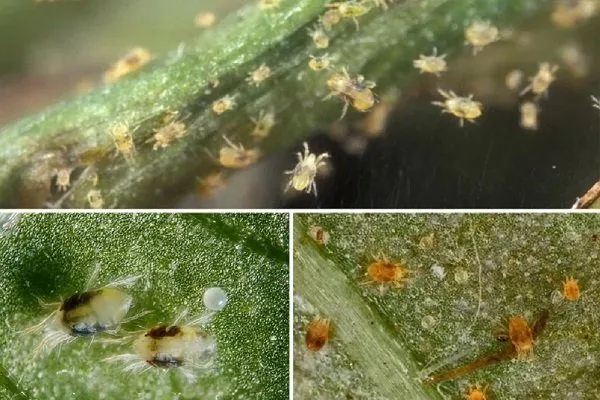
To get rid of ticks, use the following means:
- Izofrene according to the instructions;
- sulfur solution;
- onion peel infusion.
To make liquids stick to the plant's surfaces and stay there, liquid soap is added to the solution.
Sprout fly
It's not the insect itself that's dangerous, but its larvae. They feed on the plant's seeds and young shoots. The caterpillars hide in the leaves, causing them to curl.
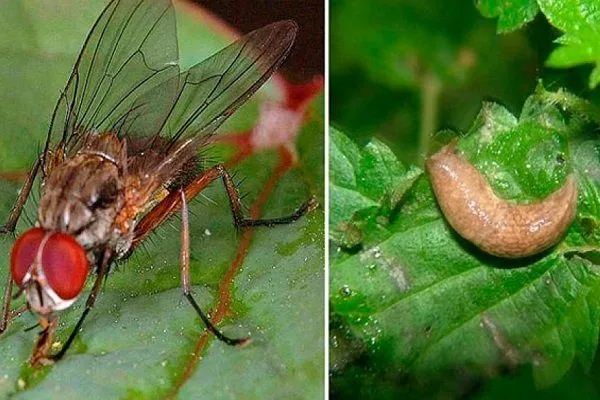
The sprout fly breeds in manure used as fertilizer. There's no guaranteed way to get rid of it (or prevent its reappearance). If squash is infested, granular insecticides are applied to the soil in the garden bed.
Melon aphid
Aphids are considered one of the most dangerous vegetable pests. These insects live in large colonies, and their numbers are constantly increasing.
The infestation spreads to all above-ground parts of the squash. On leaves, aphids cluster on the underside, causing the leaves to shrink.
The impact of aphids leads to tissue drying out and damage by viruses (especially in dense plantings) - squash mosaic and phytophage.
Prevention is accomplished by thoroughly removing all plant debris from the garden bed. This is where aphids overwinter. For insect control, use Iskra, Intavir, and Karbofos.
Whitefly
The insect typically becomes active in July. Whitefly infestations can be identified by sticky secretions on the surface of leaves. Subsequently, sooty mold—a black coating resembling a layer of dust—forms on these areas. The development of this fungal disease causes leaf blade deformation.
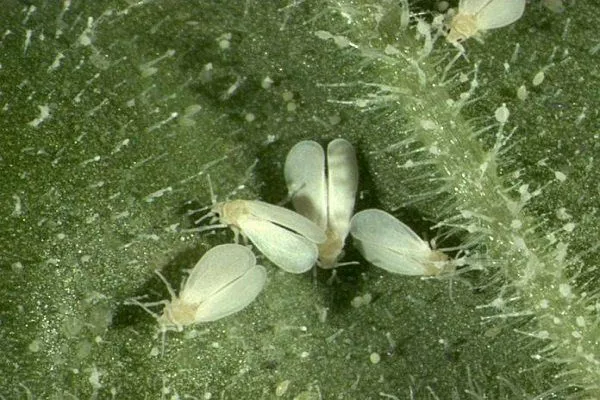
To combat whiteflies, plants are sprayed with a solution of Confidor or Fosbecid. The solution is then washed off each leaf with water (a mild soap solution can be used), and the soil around the bushes is thoroughly loosened.
Preventive measures
Growing zucchini is simple and includes preventative measures. This will significantly reduce the risk of infection of zucchini leaves (and other plant parts) and prevent pest attacks. Key preventative measures include:
- compliance with crop rotation;
- seed disinfection;
- cleaning the area after harvesting from plant residues;
- soil treatment for sowing (pouring with boiling water or a solution of potassium permanganate);
- preventing overcrowding by following the planting pattern;
- thorough weeding and removal of weeds from the area;
- timely watering with sufficient amount of water;
- Regular inspection of bushes for damage and lesions.
The easiest way to avoid the problems that precede leaf curl is to strictly adhere to proper gardening practices. Growing zucchini doesn't require much time or effort, and infection or other damage is very easy to spot, and oftentimes, it's not difficult to fix.