
Sangrum squash is a hybrid suitable for any purpose. It's hardy, productive, and produces fruit for a long time. It's the ideal variety for lovers of squash caviar and all kinds of winter preserves.
General information about the Sangrum variety
Sangrum F1 is a Dutch bush hybrid intended for outdoor cultivation. This hybrid incorporates all the best qualities of its parent varieties, while eliminating all of their parents' shortcomings. The variety is noted for its high yield, yielding approximately 4.5 kg per square meter.
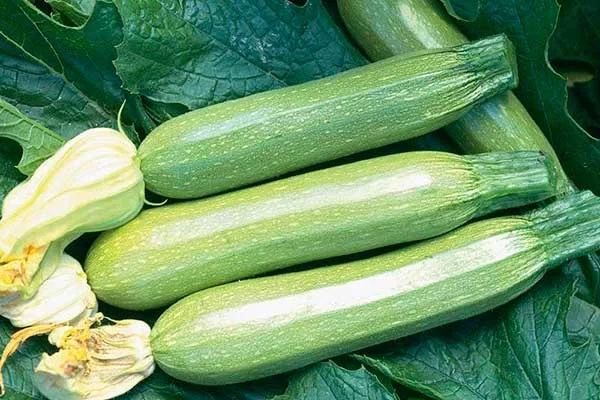
Sangrum squash is an early-ripening variety, with the first ripe fruits harvested 40 days after germination. Ripening times vary widely depending on the climate zone, from June to August. In the south, gardeners harvest two squash crops: the first from seedlings, and the second from ground-sown squash.
Description of the variety
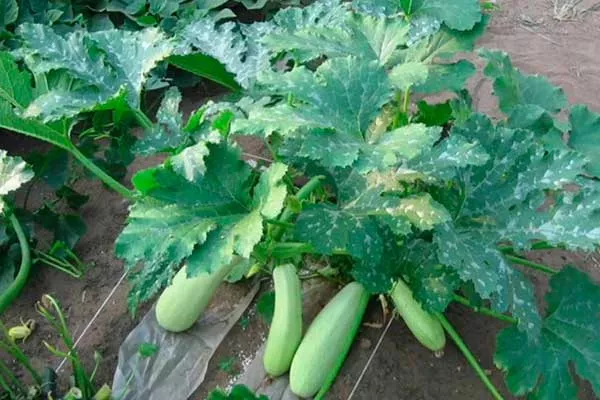
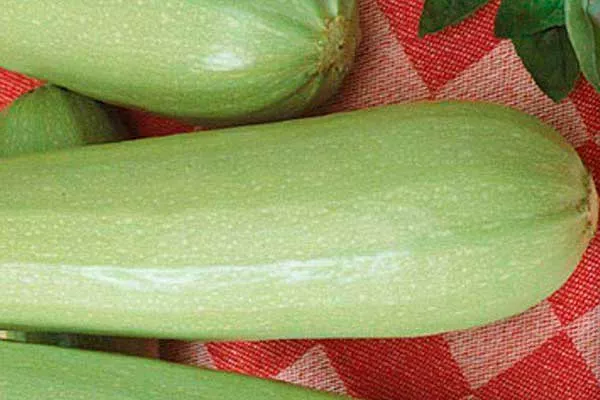
Sangrum squash grows small, with upright stems. The leaves are deeply dissected. The fruits are cylindrical, light green in color, smooth in surface, and whitish in flesh. The fruits are 18-20 cm long and weigh an average of 400 g.
Application and taste
The flesh of the Sangrum zucchini is very tender and juicy, with a pleasant zucchini flavor. It contains 7% dry matter and 5.6% sugar. This variety is suitable for cooking; the fruits make a delicious caviar, but they can also be fried, baked, frozen, and canned. Young zucchini are eaten fresh, making excellent salads.
Pros and cons
The hybrid zucchini Sangrum has many advantages that attract gardeners.
Sangrum zucchini has no drawbacks, except that it is impossible to grow it from self-collected seeds, since it is a hybrid.
Landing features
When planting zucchini, whether from seeds or seedlings, it's important to consider crop rotation. Proper preceding crops will help prevent fungal diseases and other infections that affect pumpkins and melons. Zucchini should be planted only after four years.
- ✓ The soil pH level should be strictly within 6.0-7.0 for optimal nutrient absorption.
- ✓ The depth of groundwater should not exceed 1.5 meters to prevent root rot.
Features of planting Sangrum zucchini:
- The best predecessors are tomatoes and potatoes, other nightshade crops, onions, garlic, and peas.
- The soils should preferably be light, loose, fertilized with organic matter, with the optimal acidity being neutral.
- In the fall, regardless of the method of planting the zucchini, the soil is dug up to the depth of a spade, adding 15 kg of humus or compost per 1 square meter, as well as 500 g of wood ash.
- The site for planting should be well-lit, with a low groundwater level, not swampy or low-lying.
- Seeds are sown in the beds once stable temperatures have been established and the soil has warmed to 10 to 15°C. Even then, it is recommended to cover the seedlings with film or agrofibre in case of recurrent frosts.
- The planting pattern is standard: 50-60 cm are left between holes in a row, and 60 cm between rows.
To get a harvest super early, gardeners use the seedling method. This method is also widely used in regions with short and cool summers. In the south, seedlings are not particularly popular among gardeners.
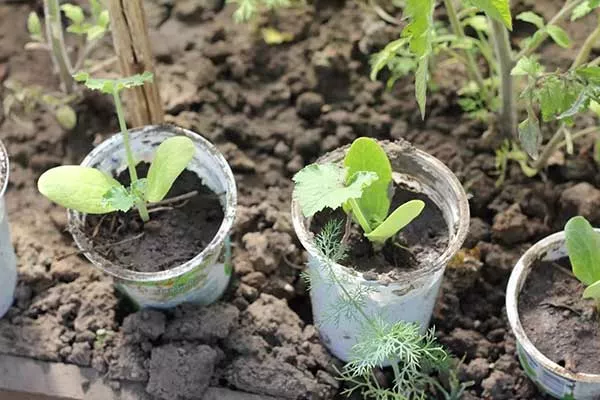
For seedlings, sow seeds a month before planting. They are sown in plastic or peat pots or containers. Zucchini don't need to be pricked out, as they don't tolerate this well. The soil for seedlings is prepared from humus, turf, peat or rotted sawdust, and coarse sand, mixed in a ratio of 4:6:2:1.
Zucchini seedlings are grown using standard techniques (except for transplanting). When the seedlings have 3-4 true leaves, they can be planted in the ground in a 60x60 or 70x70 cm pattern. The plants are watered, and the beds are mulched.
Care
Sangrum zucchini requires basic care; this variety has no special requirements. The key is to follow all the necessary steps promptly and notice any problems that arise.
Care features:
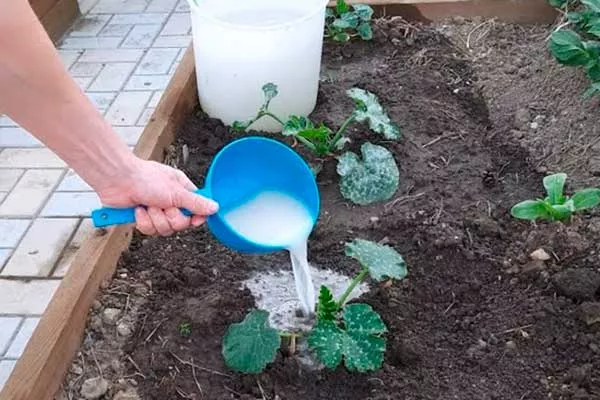
- The first time zucchini is watered after 5-7 days. Zucchini do not like overwatering. It is recommended to use warm, settled water. The optimal temperature is 22°C to 25°C; cold water is dangerous, as it can cause root rot.

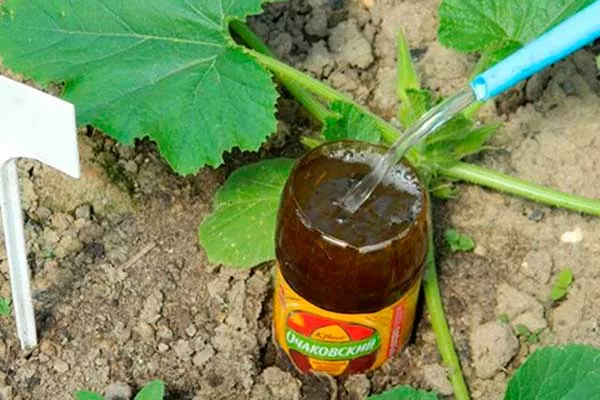
- To stimulate green growth, add organic matter, such as diluted mullein, to the zucchini. Add 1 liter of mullein (or bird droppings) to 10 liters of water and 20-30 g of superphosphate.
- Before flowering, as well as during the fruit setting and growth phase, apply phosphorus (40 g superphosphate) and potassium (5 g potassium salt) fertilizers. It is recommended to add urea (10 g) to these fertilizers.
Diseases and pests
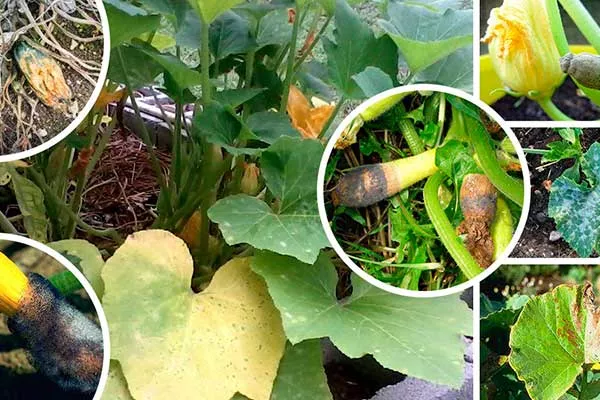
The variety is highly resistant to powdery mildew, but under a combination of unfavorable conditions, it can be affected by this disease, as well as other diseases such as anthracnose, bacterial blight, and downy mildew. All of these have an extremely negative impact on the development and yield of zucchini.
| Method | Efficiency | Period of application |
|---|---|---|
| Colloidal sulfur | High against powdery mildew | At the first signs of illness |
| Bordeaux mixture | Universal | Preventatively and at the first symptoms |
When signs of powdery mildew appear, plants are sprayed with colloidal sulfur. For symptoms of other diseases, Bordeaux mixture, copper sulfate, and fungicides such as Topaz, Skor, Topsin, Previkur, and Hom are also recommended.
Sangrum squash can be infested by spider mites or melon aphids, and sometimes by other insect pests, such as thrips, flower beetles, whiteflies, and slugs. Poisonous insecticides are rarely used against these insects, as squash grows quickly and spraying can interfere with harvesting and consumption. Prevention and folk remedies are usually the only options.
Collection and storage
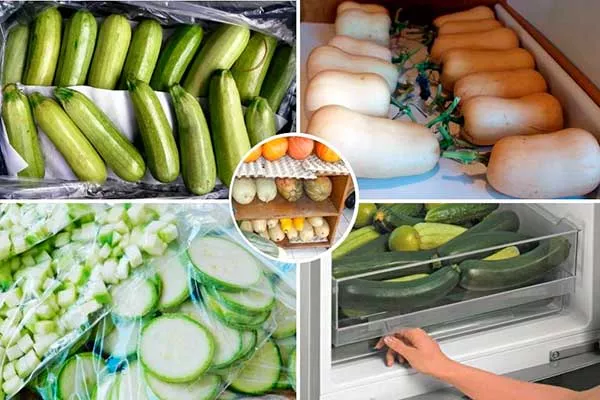
Zucchini should be harvested at least every 2-3 days to prevent them from becoming overgrown. Regular harvesting also stimulates new fruit set. Zucchini harvested at technical ripeness can be stored in the refrigerator for 7-10 days. Fruit that has reached biological ripeness can be stored in a cool, dry place for 2-4 months.
Reviews
Sangrum F1 is undoubtedly one of the most popular Dutch hybrids. If you follow basic growing techniques, your garden will soon be full of young zucchini that are not only delicious but also store well.