
Bush zucchini offers a bountiful harvest that can be used for a variety of culinary purposes. There are many varieties of this crop. With proper care and selection of the right variety, you can regularly harvest fresh vegetables throughout the season.
What are the characteristics of bush varieties?
If a site requires a mix of trees, shrubs, and vegetable crops, bush varieties are usually chosen. These plants form compact bushes without vines. Therefore, two bushes can be placed per square meter without obscuring each other's leaves or shading each other.
- ✓ Consider the variety's cold tolerance for northern regions.
- ✓ For southern regions, choose varieties with high drought resistance.
- ✓ In regions with frequent rainfall, varieties resistant to fungal diseases are preferred.
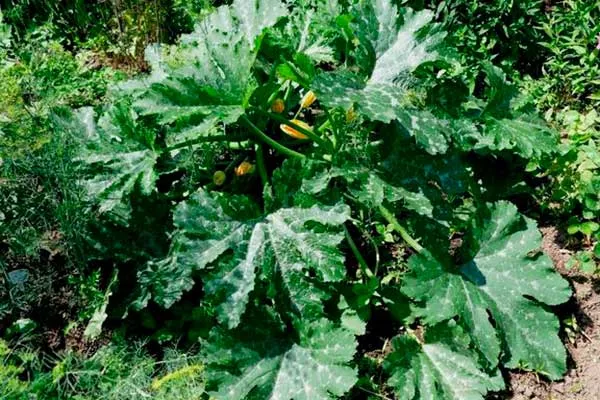
Bush squashes come in many hybrids and varieties, both foreign and domestic. Typically, two or three varieties are grown in a single garden to control ripening time and produce vegetables with different flavors and colors.
What are the differences between bush zucchini?
The diversity of zucchini is evident in their color and shape: some varieties are yellow, others green. There are elongated and rounded shapes, each with its own characteristics.
The number of fruits per bush varies: some varieties produce 8-10 fruits, while more compact bushes produce 2-4 vegetables.
Early bush hybrids and varieties
Early plants can yield a harvest in as little as 37-45 days after germination. Early varieties are suitable for northern regions with a short summer season. In southern regions, they are often planted after the harvest of early green crops.
| Name | Ripening period (days) | Cold resistance | Fruit shape |
|---|---|---|---|
| Video clip | 28-34 | High | Oval |
| Chaklun | 47 | Average | Cylindrical |
| Polar bear | 35 | High | Oval |
| Belogor F1 | 34 | Average | Cylindrical |
| Kavili F1 | 42 | Low | Cylindrical |
| Lena F1 | 26-29 | High | Cylindrical |
| Sadko F1 | 45 | Average | Cylindrical |
| Aeronaut | 46 | Low | Cylindrical |
| White-fruited | 44 | Average | Oval |
| Ardendo F1 | 40-48 | High | Club-shaped |
| Aral F1 | 45 | High | Pear-shaped |
| Hugo F1 | 38-40 | High | Cylindrical |
| Hospitable mother-in-law F1 | 40-45 | Average | Cylindrical |
| Iskander F1 | 45 | High | Cylindrical |
Video clip
The time from germination to the first fruits is 28-34 days. This variety is characterized by excellent cold tolerance and is suitable for the central regions, Siberia, and the Urals. The fruits are white, smooth, and thin-skinned, with an oval shape.
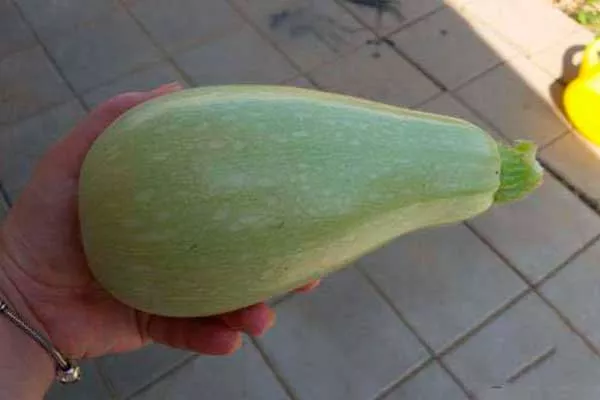
Zucchini weigh from 1 to 1.5 kg and reach 12-15 cm in length. They have juicy, greenish flesh with a delicate texture. The yield is 8-9 kg per square meter.
Chaklun
It has a long fruiting period. The first fruits can be harvested as early as 47 days after germination. The plant has a robust bush structure and is resistant to many diseases. The Chaklun squash is considered versatile, but the tastiest fruits typically weigh around 0.5 kg.
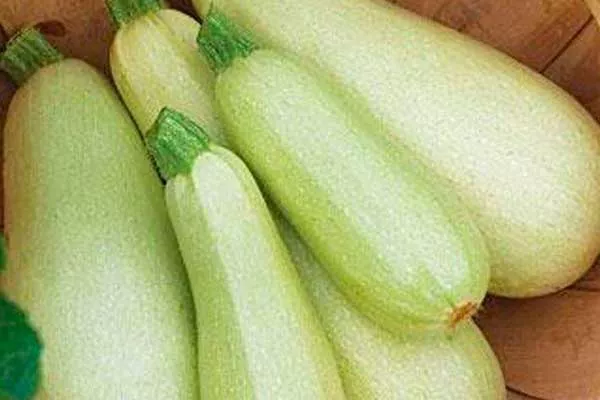
The cylindrical zucchini are 15 to 20 cm long and 5 to 7 cm in diameter. They weigh approximately 350 g and are white in color. The flesh is very tender.
Polar bear
Ideal for gardeners who prefer minimal care, thanks to its low demands, it ripens early, with the first harvest occurring 35 days after germination. The medium-sized, white fruits with thin, smooth skin weigh between 700 g and 1.2 kg.
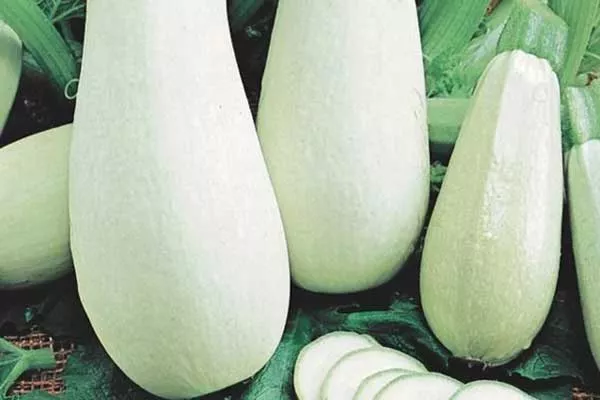
The zucchini has yellowish, juicy flesh with a delicious flavor. This variety is resistant to low temperatures and is easy to transport. With proper care, yields can reach 10-12 kg per square meter.
Belogor F1
Designed for outdoor cultivation, the first fruits appear just 34 days after germination. The white zucchini typically weighs no more than 1 kg. This vegetable is prized by gardeners for its excellent taste and versatility. A yield of up to 16 kg can be obtained from 1 square meter.
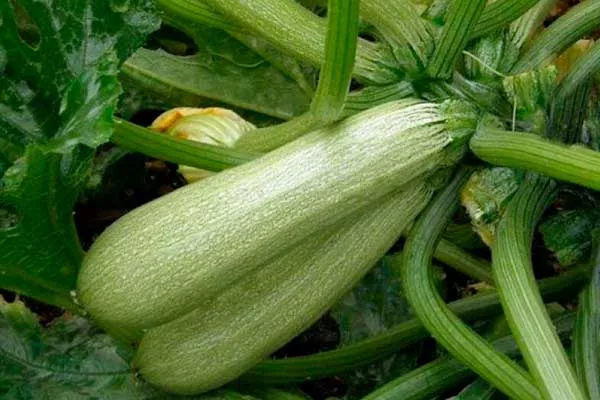
Kavili F1
It has a cylindrical shape. It grows to no more than 22 cm in length, and averages around 300 g in weight. Its light green skin conceals whitish flesh, which is particularly tender and juicy. The hybrid is capable of self-pollination in the absence of bees.
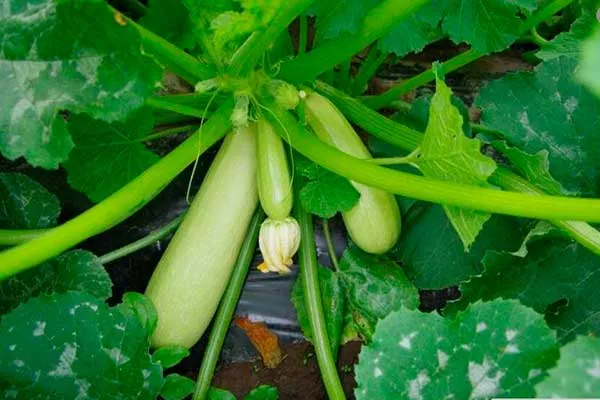
The plant can bear fruit for up to two months, making it ideal for greenhouse cultivation. Zucchini responds favorably to fertilization, which increases the yield. Overripe fruits have a tender texture. Yields are up to 9 kg per square meter.
Lena F1
A compact variety with an early ripening period: just 26-29 days from germination to first harvest. The whitish-green fruits with slightly ribbed skin weigh 300 to 500 g and reach a length of about 17 cm. The flesh is white, juicy, and aromatic.
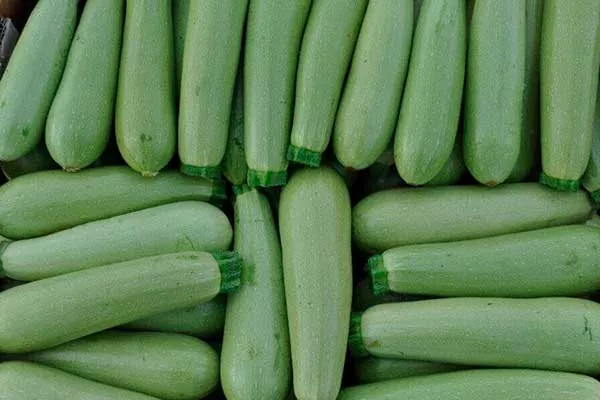
Hybrid plants are highly resistant to fungal diseases such as powdery mildew and tolerate low temperatures well, ensuring excellent transportability. With proper care, yields reach 11 kg per square meter.
Sadko F1
The first fruits can be harvested from the bush as early as 45 days after the seeds have sprouted. The fruit is cylindrical, averaging 20 to 30 cm in length and weighing between 0.7 and 1.3 kg. The fruit is white with sparse light green spots. The surface has a slightly ribbed texture.
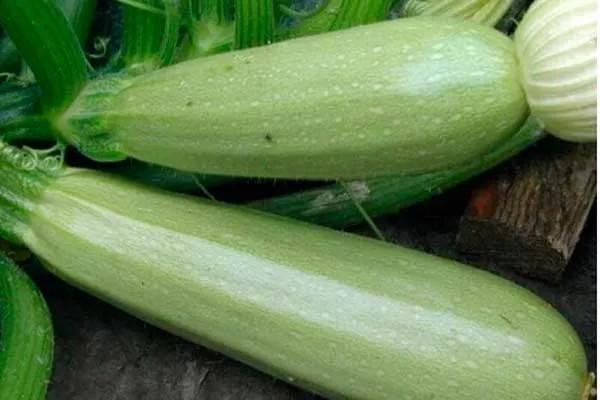
The flesh is light creamy, with a delicate texture and pleasant flavor. With regular watering, a 1 square meter plot can yield up to 18 kg.
Aeronaut
Known for its vigorous growth, zucchini squash develops rapidly after germination, with the first fruits appearing in 46 days. The vegetables are characterized by a neat and uniform appearance, reaching an average length of up to 15 cm and weighing up to 1.5 kg. They are cylindrical in shape and uniformly dark green in color.
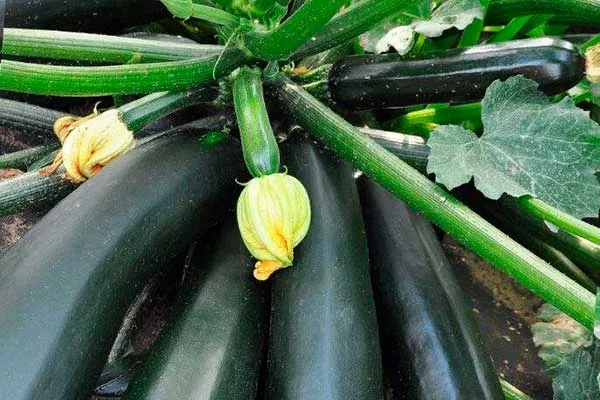
The white flesh boasts excellent flavor thanks to its tenderness and juiciness. A minimum yield of 7 kg can be harvested from 1 square meter.
White-fruited
The plant thrives both in the open garden and in a greenhouse. The first fruits appear as early as 44 days after germination. The smooth white zucchini typically weighs a maximum of 900 g.
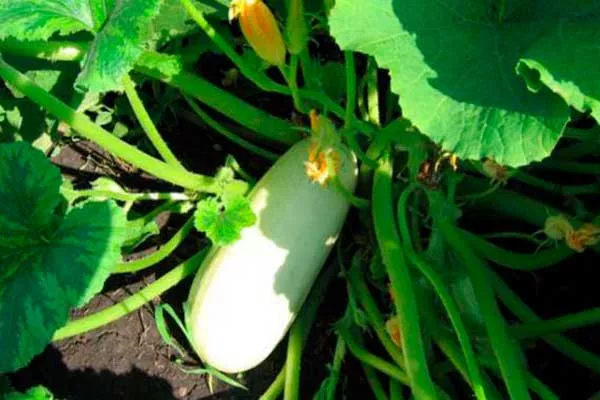
The bush plant is very compact and takes up little space. The fruits are ideal for winter preservation. Approximately 8.7 kg of harvest can be obtained from 1 square meter.
Ardendo F1
It is distinguished by its early ripening period of 40-48 days. Its characteristics include pale green skin with a smooth surface and dotted patterns, as well as slight ribbing. The club-shaped fruits reach a weight of 400 to 600 g and a length of 15 to 20 cm.
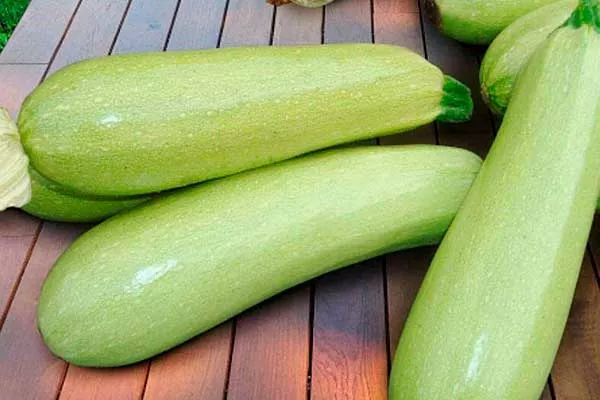
The flesh is juicy, whitish-cream, with a delicate, sweet flavor. This hybrid is characterized by long-lasting fruiting, even with significant temperature fluctuations. The plants are highly resistant to stress and many diseases common to pumpkin crops. Yields range from 8 to 14 kg per square meter.
Aral F1
This compact plant is considered a hybrid. It begins bearing fruit within 45 days of sowing. The hybrid tolerates rainy and cold weather without sacrificing yield. The fruits have a greenish tint and can become pear-shaped as they mature.
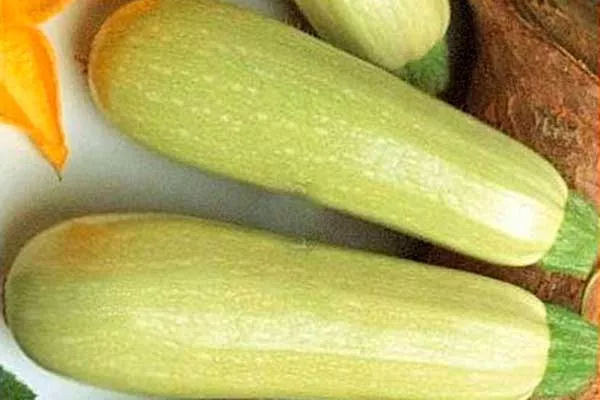
The ideal size for this variety of zucchini is 16 to 20 cm in length, with each specimen at least 6 cm in diameter and weighing approximately 500 g. The flesh is firm, yet still has the characteristic tenderness of this variety. This is a high-yielding variety, yielding up to 10 kg of fruit per square meter.
Hugo F1
This standard hybrid is characterized by a compact bush up to 30 cm tall. The period from germination to the first young zucchini is 38-40 days. The light green, cylindrical fruits are up to 20 cm long with a slightly ribbed surface and weigh 300-500 g.
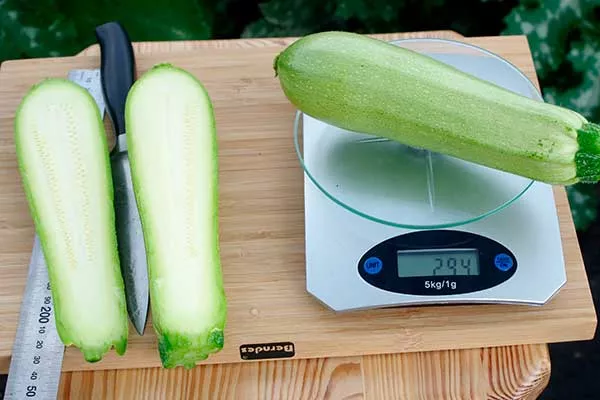
Characterized by tasty, tender, and dense flesh, the variety is self-pollinating and has good tolerance to sudden temperature fluctuations. Yields range from 10-12 kg per square meter.
Hospitable mother-in-law F1
Ripens in 40-45 days. The bush is compact, with a long fruiting period. The fruits are light green with a ribbed surface, weighing up to 1.5 kg and up to 15 cm in diameter. The flesh is whitish-cream, juicy, dense, slightly fibrous, and sweet in flavor.
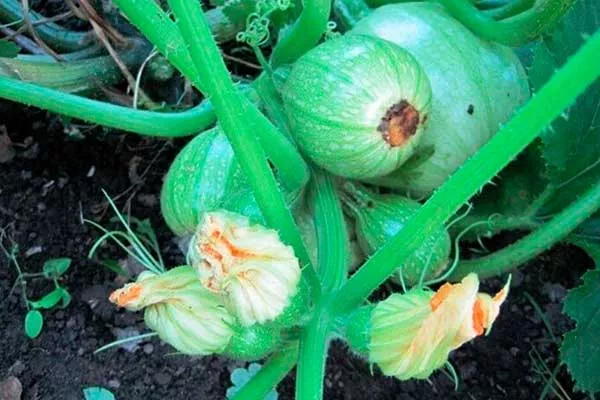
This hybrid is characterized by a consistent harvest and requires regular watering, fertilization, and soil loosening to achieve high results. It has good immunity to fungal infections and stores well. It boasts high yields, reaching up to 12 kg per square meter.
Iskander F1
The fruits are cylindrical, reaching an average length of 20 cm and weighing up to 600 g. The thin, waxy skin has a pale green hue and subtle light veins and speckles. The flesh is a delicate white and has excellent flavor.
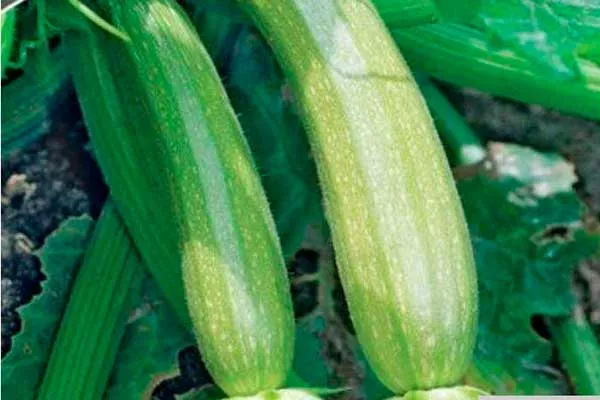
Iskander is characterized by a strong immune system and effectively resists many diseases. The variety is known for its high yield: on average, 12-15 kg of zucchini can be harvested per square meter.
Bush mid-season zucchini
Among mid-season bush squash varieties, the fruits can be harvested approximately 55 days after the first shoots emerge above the soil surface. The most popular varieties are listed below.
| Name | Ripening period (days) | Fruit color | Fruit shape |
|---|---|---|---|
| Ambassador | 45-55 | Dark green | Cylindrical |
| Goldfinch | 50-60 | Yellow | Cylindrical |
| Tsukesha | 55 | Bright green | Cylindrical |
| Kuand | 57 | Pale green | Cylindrical |
Ambassador
Compact bushes with shortened internodes make zucchini ideal for growing in any region, even in pots and containers. Depending on conditions, it takes 45-55 days from germination to harvest.
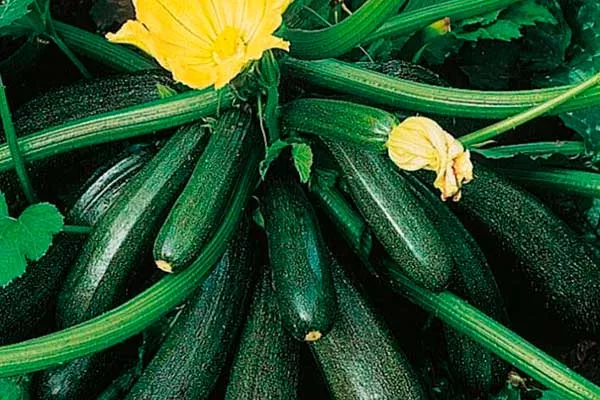
The fruits are dark green and cylindrical, weighing approximately 300-700 g. They have crisp, white flesh and excellent flavor. Yields range from 7 to 10 kg, depending on growing conditions.
Goldfinch
This attractive yellow variety is a tender vegetable with light-colored flesh. The plant is characterized by a compact bush, dominated by female flowers. Fruit weight ranges from 200 to 400 g.
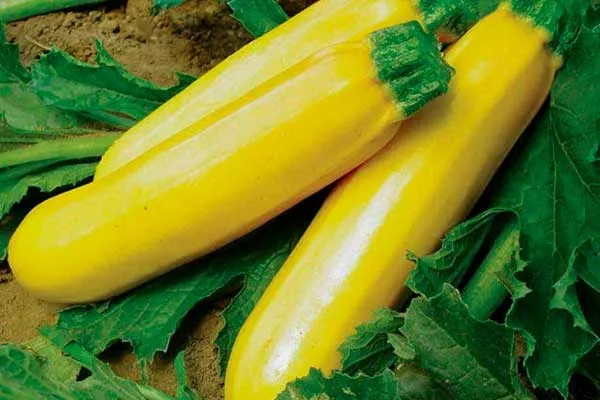
The flesh of this variety is reminiscent of cucumber in its juiciness and density. It also has a slightly sweet flavor and a pleasantly crunchy texture. Yields range from 6-8 kg per square meter.
Tsukesha
The plant demonstrates cold tolerance in the early stages of growth and thrives in both open beds and greenhouses. The bright green fruit has a high sugar content, making it versatile.
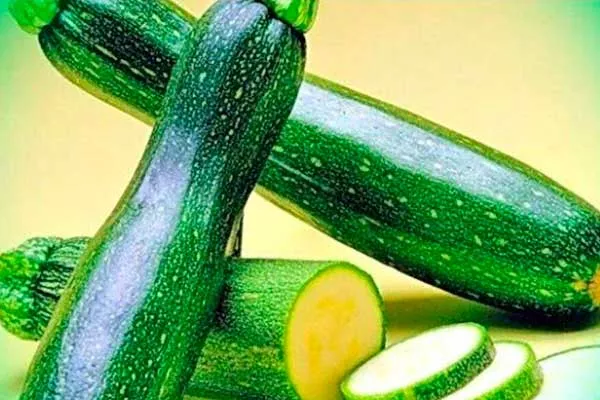
Zucchini transports well and can be stored for about 15 days. Up to 12 kg of harvest can be obtained from 1 square meter.
Kuand
The first fruits can be harvested 57 days after germination. They are cylindrical in shape, tapering slightly toward the stalk. They are quite long, approximately 21 to 28 cm long, with a diameter of about 6-8 cm and weighing 1.1 to 1.5 kg. They are pale green in color with jagged dark green stripes.
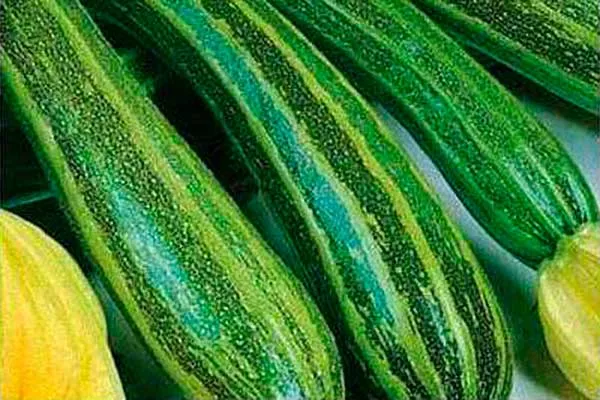
The plant tolerates slush, cold, and most diseases. Zucchini is considered a versatile crop. The average yield is 20.3-24.8 kg per square meter.
Late-ripening bush zucchini
The fruits are ideal for winter preservation, as they keep well and can be canned, frozen, or otherwise preserved. Some varieties can be stored successfully in the cellar for long periods.
| Name | Ripening period (days) | Fruit color | Fruit shape |
|---|---|---|---|
| Spaghetti Raviolo | 120-130 | White/yellow | Cylindrical |
| Zucchini | 90-100 | Multicolored | Cylindrical |
| Tivoli F1 | 160 | Cream | Oval |
| Gribovsky Gold | 45-60 | Light green/yellow | Oval |
| Delicacy | 60 | Dark green | Cylindrical |
Spaghetti Raviolo
It takes approximately 120-130 days from germination to fruiting. The fruits are cylindrical in shape. When they reach technical maturity, the skin turns white, and when fully ripe, it turns yellow. The flesh has a characteristic creamy-orange hue.
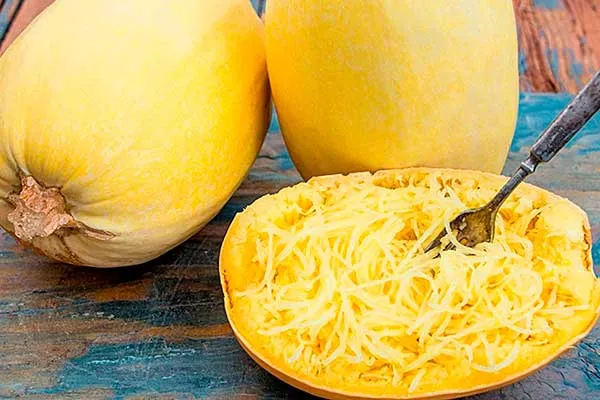
It is drought-resistant and tolerates small temperature fluctuations. Although its immunity to powdery mildew and bacterial blight is weak, it is moderately resistant to fruit rot. An average yield of 5 to 7 kg of fruit per square meter of garden bed is achieved.
Zucchini
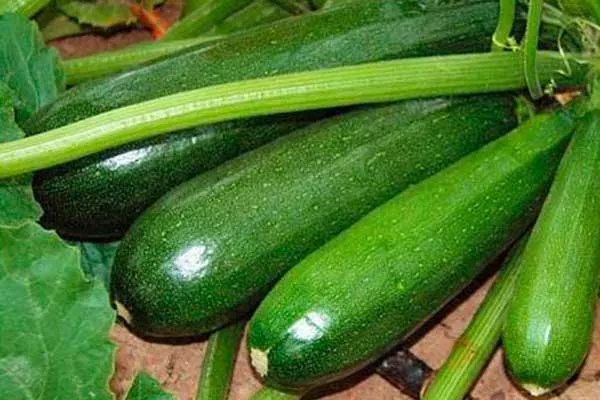
It attracts attention with its multicolored fruits, which can range from light green to light or dark green, or even yellow. The pulp is delicious and considered a versatile plant. The plant never forms vines, making it easy to care for and grow.
Tivoli F1
This hybrid bush spaghetti squash matures in 160 days after sowing. The fruits are cream-colored, smooth, and oval, gradually tapering toward the stem. Fruit weight ranges from 1 to 1.5 kg. The flesh is fibrous.
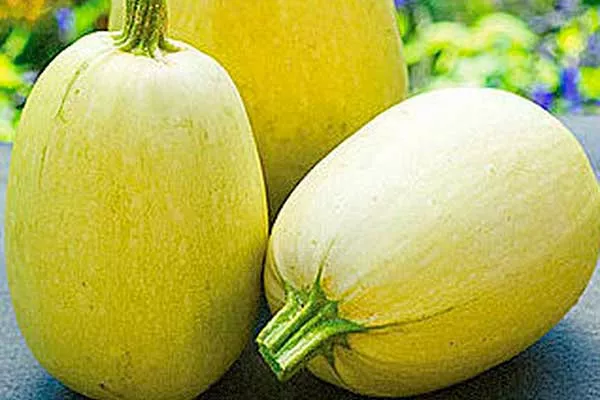
Gardeners note its advantages: high yields, an excellent creamy flavor, and the ability to be used as vegetable vermicelli, which produces a golden hue when cooked. A yield of 5-10 kg per square meter is obtained.
Gribovsky Gold
From seeding to the first harvest, it typically takes 45 to 60 days. The fruits are short-cylindrical or elongated oval in shape, averaging around 1 kg in weight and ranging from 20 to 25 cm in length.
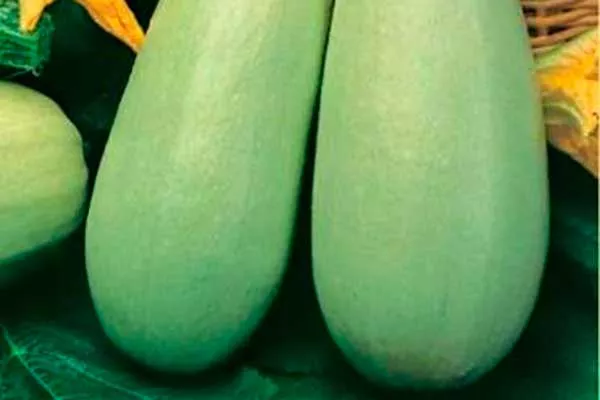
At first ripe, the fruits are light green (light green), but as they mature, they may acquire a yellowish tint. The skin is firm. The flesh is tasty and juicy; in young specimens, it is white with cream-colored seeds, firm, and medium-dense. With proper care, 1 square meter can yield 4 to 8 kg of fruit.
Delicacy
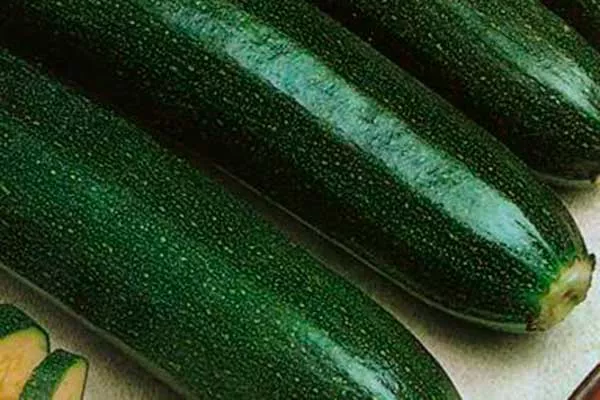
This bush squash is a late-ripening variety. The first harvest can be collected two months after the seeds germinate. The fruits of this variety are dark green, grow up to 35 cm long, and weigh up to 2 kg.
This vegetable is considered versatile. On average, up to 12 kg of ripe zucchini can be harvested from one square meter.
Planting and care
Compact zucchini plants are easier to care for than climbing varieties. They can be grown from both seedlings and seeds, making the growing process more flexible and accessible.
Rules for growing bush squash seedlings
Growing using this method produces fruits that don't store well. To obtain a varied harvest for various needs, both growing methods can be combined. The crop is fairly cold-hardy, but frost can cause damage. The optimal temperature for growing strong seedlings is above 25°C.
The fruits are well suited for canning and preparing various dishes.
The process of growing seedlings includes several stages, each of which has its own characteristics:
- Preparation of seed material. Treat the seeds, soak them in a nitrophoska solution, then in a stimulating solution to increase the germination rate.
- Sowing seeds in containers. Place the seeds in containers with soil mixture, providing them with optimal conditions for germination.
- Caring for seedlings. Water the seedlings regularly, maintaining humidity and temperature, and providing them with sufficient light. Fertilize the seedlings to ensure healthy growth.
- Hardening off seedlings. Before planting in open ground, harden off the seedlings by taking them outside for a while.
A properly selected and carried out seedling growing process ensures a good zucchini harvest for subsequent stages of cultivation.
Planting in open ground
Zucchini prefers well-lit and warm areas. Create beds about 70 cm wide. Avoid planting in areas previously grown with other squash crops. Ideal pre-planting crops include legumes, greens, onions, potatoes, cruciferous vegetables, and tomatoes.
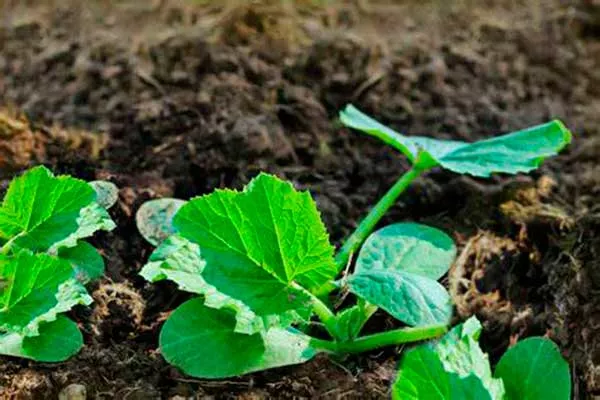
Fertile loams with a neutral pH are a good growing option. Peaty soils can impair plant growth and fruit development, and clay soils are unsuitable. Till the area two weeks before planting.
- Dig up the area 2 weeks before planting.
- Add humus, sawdust, urea, superphosphate and ash.
- Remove all weeds while digging.
For every square meter of soil, add 500 g of humus, 5 kg of sawdust, 20 g of urea, 40 g of superphosphate, and 40 g of ash. Remove weeds during digging. Avoid using fresh organic matter, as this can lead to disease and reduced yields.
The process of sowing seeds includes the following steps:
- Water the bed with hot water to ensure optimal temperature and soil moisture.
- Form holes up to 5 cm deep at a distance of about half a meter from each other.
- Place the seeds, 2 at a time, vertically with the pointed end facing up.
- Moisten the holes and fill them with soil.
- After sowing, remove all weak shoots, leaving only one of the two strongest.
Watering, fertilizing
Caring for zucchini involves regular watering. Use water to prevent rot. Water the roots, avoiding contact with the foliage. It's best to water less frequently but more thoroughly.
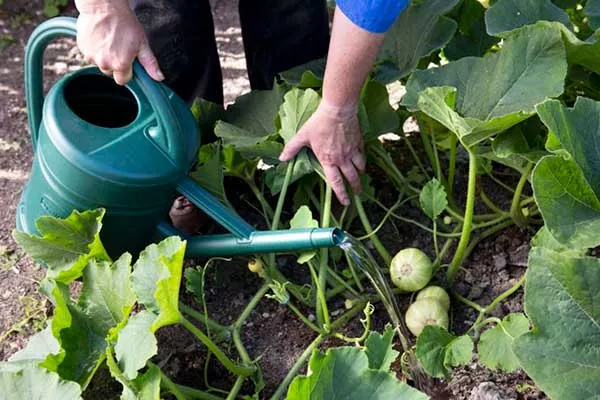
The watering schedule consists of watering before flowering and during fruiting. Use 9 liters of water per square meter. In the first case, water the plants once a week; in the second, water twice every 7 days.
It is very important to feed plants correctly during different periods of their growth:
- Before budding. Use an organic infusion diluted with nitrophoska.
- During the flowering period. Use a solution of wood ash with Effecton.
- During the fruiting period. Introduce potassium sulfate, urea and superphosphates.
If the plant is not growing well, supplement the regimen with foliar fertilizers applied once every 10 days.
Pest and disease control
To prevent pests and diseases, thoroughly prepare the area in the fall. Remove any remaining vegetation and till the soil. Treat the soil with a Bordeaux mixture solution.
Some of the most dangerous diseases include:
- Powdery mildew. It manifests itself as a coating, browning, and dryness of the foliage. Two treatments with fungicides are required.
- Black mold. There is no cure. Remove and destroy infected plants.
- Bacteriosis. It appears as oily spots. Treat the plants with a solution of Bordeaux mixture.
- Sclerotinia. A white coating and slippery texture on the foliage causes the plant to wilt. Remove affected plants immediately.
- Root rot. Causes yellowing and death of foliage. Treat leaves and shoots with copper-containing products.
- Anthracnose. It appears as spots on stems and foliage. Treat plants with Bordeaux mixture.
Helpful tips for growing
Forming bush zucchini is a useful practice, especially if the foliage is actively growing during flowering and interfering with fruit formation. In such cases, remove three leaves from the center to facilitate pollination, which promotes vigorous fruit set.
Pollination may sometimes be disrupted, and in such cases, it should be done manually. To do this, cut a male flower and transfer the pollen to a female flower. Creating favorable conditions for pollinating insects can aid pollination.
Reviews of bush zucchini
Bush zucchini is popular among gardeners. It's a valuable source of vitamins and minerals. Its compact size and high yield make it an ideal choice for small gardens. It's important to choose the right variety and provide proper care to ensure a bountiful, high-quality harvest.