
The Salvador zucchini is a popular Dutch variety, distinguished by its excellent flavor and high yield. This zucchini variety has already gained popularity among both home gardeners and large industrial agricultural complexes.
Origin
The Salvador variety is a hybrid developed by Dutch breeders. It was added to the Russian State Register in 2009. Authors: Jolanda Kouters, ENZA ZADEN BEHEER BV, The Netherlands.
Description of the plant
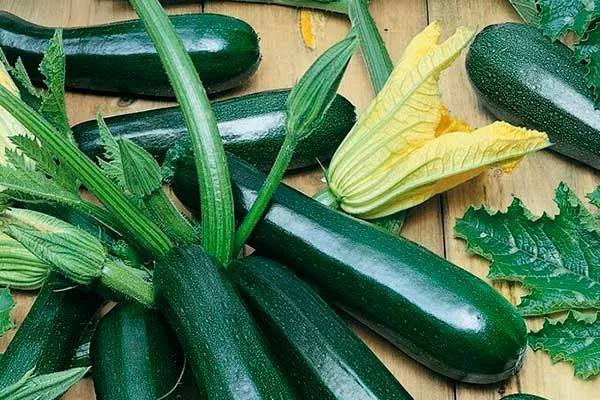
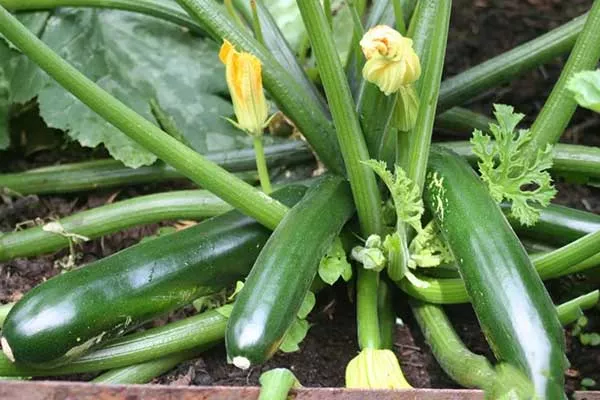
The Salvador variety is a bushy plant. Its plants are compact, sparsely branched, but well-foliated. The leaves are medium to small, deeply dissected, green, and spotted. The flowers are large, yellow, and predominantly female.
Description of fruits
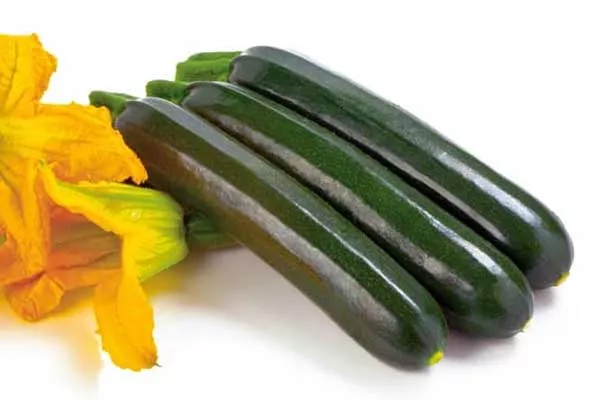
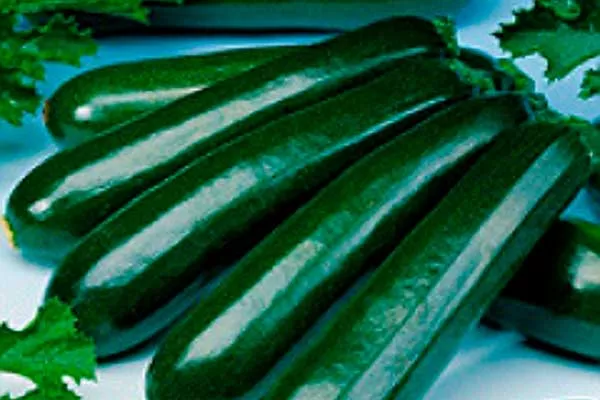
The fruits are cylindrical, slightly ribbed, and dark green, with some specimens being almost black. A mature zucchini is 20-22 cm long and weighs an average of 400-900 g. Larger specimens do exist, but these are considered overgrown. The flesh is yellowish-green, and the seeds are medium-sized, elliptical, and cream-colored.
Purpose and taste
The early Salvador variety is versatile and can be grown successfully both outdoors and in greenhouses and hotbeds. Salvador squash has excellent flavor. The flesh is rich and medium-juicy.
Productivity
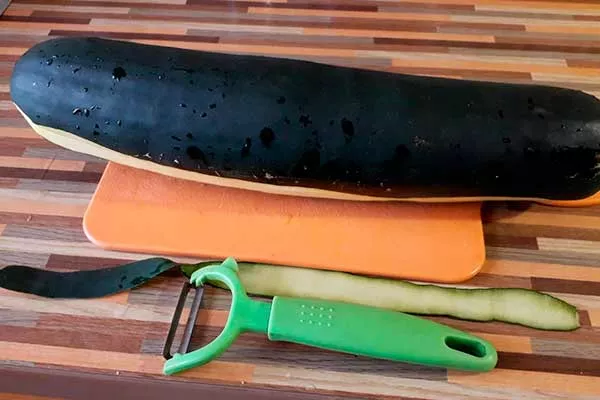
Salvador zucchini is a high-yielding variety. When grown commercially, it yields 350-600 centners per hectare. The yield is influenced by a variety of factors, including soil conditions, weather, quality of care, and other factors. Each plant can produce up to 30 fruits during the growing season.
Ripening time
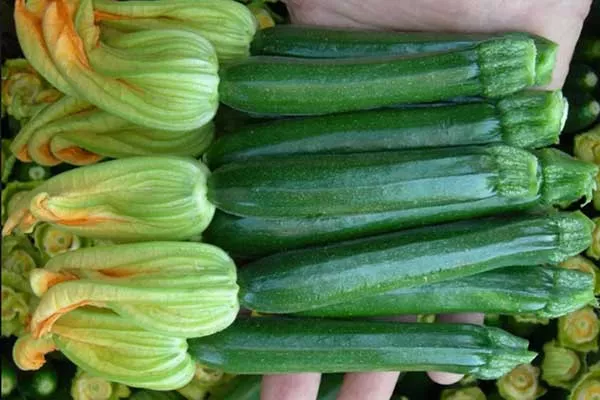
Salvador zucchini is an early-ripening variety, so the first fruits ripen within 45-55 days after sowing the seeds. This zucchini produces fruit over a long period of time, making it convenient for growing for food. Fruit formation lasts for 2-2.5 months.
Pros and cons
It's no wonder the Dutch hybrid variety Salvador is popular with gardeners and large agricultural producers. It has numerous advantages that have caught the attention of both casual zucchini lovers and large agricultural producers.
Landing features
Salvador squash can be grown by sowing in open ground—this is the practice in the south and central regions—or by using seedlings. The latter option is used in areas with very short and cool summers to ensure an earlier harvest.
Features of planting zucchini Salvador:
- Zucchini should be planted in sunny, warm areas, away from strong drafts or cold winds. Ideal predecessors include onions, potatoes, tomatoes, and eggplants.
- ✓ The soil pH level should be strictly within 6.0-7.0 for optimal growth of Salvador zucchini.
- ✓ The organic matter content in the soil should be at least 3% to ensure sufficient nutrition for the plant.
- In temperate climates, zucchini is planted in the second half of April. In the south, it's planted in the first ten days of April, and in the north, it's planted in early June. Generally, planting timing depends on the regional climate and weather conditions—it's important to wait until warm weather sets in. Temperatures should reach at least 14°C, and the soil should warm up to 12°C to 14°C.
- Prepare the planting site in the fall by digging it a spade deep. Zucchini requires loose, fertile soil with a neutral pH. It's recommended to add organic matter, such as humus or compost, when digging. If the soil is heavy, add sand, and acidic soils can be deacidified with dolomite flour, lime, or wood ash.
- Before planting, soak the seeds for 24 hours to allow them to swell and germinate. There's no need to disinfect them—the seeds are usually sold already treated and ready for planting. You can't use your own seeds (home-grown ones), as this is a hybrid variety.
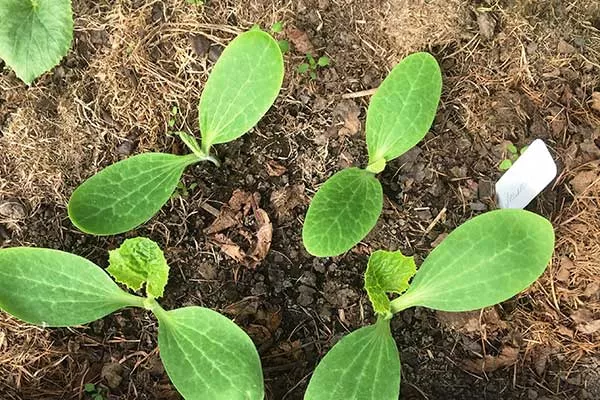
- Seeds are planted in a 60x60 cm pattern. First, rows are made in loosened soil or holes are dug. Several seeds, usually two or three, are placed in each hole. This is in case some of the seeds fail to germinate. The seeds are planted approximately 3 cm deep.
- When the seedlings appear, they are thinned out if the sowing was done in rows, or the strongest sprout from 2-3 is selected if the planting was done in holes.
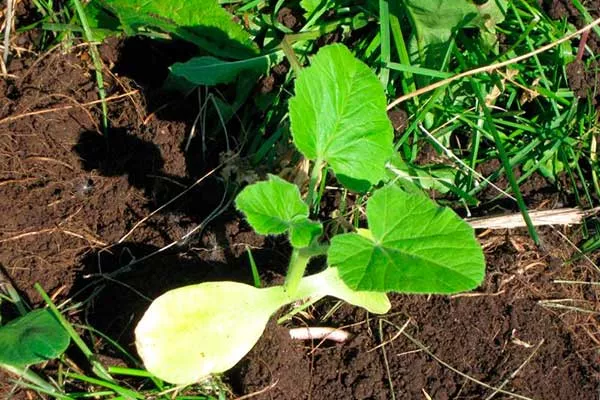
If you choose the seedling method, sow the seeds approximately 30 days before planting. Containers, trays, or peat mounds are used for sowing—this is the most convenient option, as it allows you to transplant the seedlings into the soil along with the container. These seedlings grow quickly because they don't experience the stress of transplantation.
As soon as the seedlings develop two leaves, they are pricked out by pinching the roots and transplanted into individual pots. Alternatively, they can be simply planted in a container at a distance sufficient to allow the seedlings to grow without interfering with each other. Before planting, harden the seedlings by taking them outside—first for 15-20 minutes, then for several hours. The time spent outside is gradually increased.
Planted seedlings are watered, mulched, and covered with transparent film to protect them from night frosts, which are common even in temperate climates, not to mention the Urals, Siberia, and northern regions. Furthermore, during strong sunlight, it is recommended to provide some shade to prevent damage to the delicate young leaves.
Proper care
The Dutch variety Salvador, as befits a zucchini, is very low-maintenance. However, to produce a decent harvest, it requires specific care. This care must be not only correct but also consistent.
Features of caring for the Salvador variety:
- Zucchini plants are watered 1-2 times a week. The frequency depends on the soil and weather conditions. During drought, the beds are watered more frequently—every 2 days—and less frequently in wet weather. Use warm, settled water for watering.

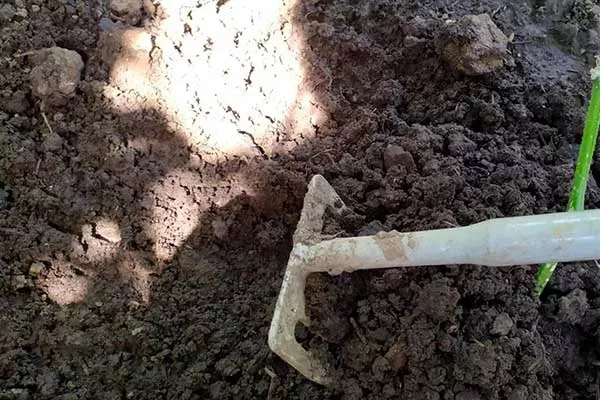
- After each watering, it's a good idea to loosen the soil to prevent crusting. While loosening the soil, weed it out, but don't dig the hoe too deep, as this can damage the surface roots. Every two weeks, hill up the zucchini, raking the soil upward.
- If zucchini is grown in a greenhouse, it is necessary to ventilate it daily.
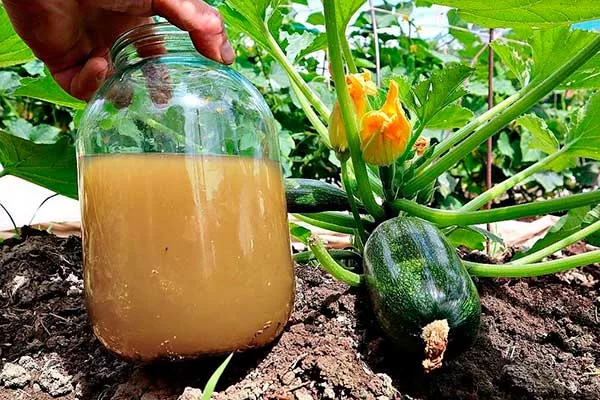
- Organic or complex fertilizers can be used for fertilizing. The first application is made when the third leaflet is forming, the second before flowering, and the third when the ovaries are forming.
Diseases and pests
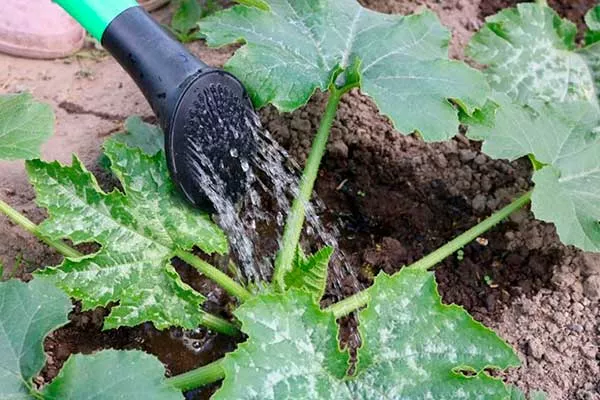
The Salvador squash, like most hybrids, is highly resistant to various rose diseases, including fungal and bacterial ones. However, if cultivation practices are severely violated, especially when combined with unfavorable growing conditions, the plants can become susceptible to powdery mildew, downy mildew, bacterial blight, and anthracnose.
| Fungicide | Effectiveness against powdery mildew | Efficacy against anthracnose |
|---|---|---|
| Topsin | High | Average |
| Previkur | Average | High |
| Ridomil Gold | High | High |
Broad-spectrum fungicides are used to combat diseases. Popular and effective products include Topsin, Previkur, and Ridomil Gold, as well as copper-containing fungicides such as copper sulfate or Kuproksat.
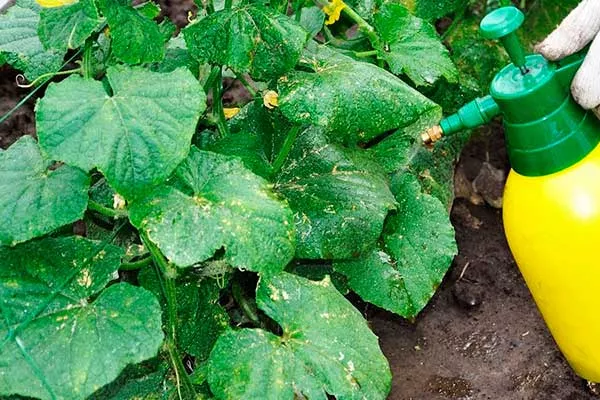
Among insect pests, spider mites, thrips, and melon aphids pose the greatest threat to zucchini. Powerful insecticides, such as BI-58, Karate, and Confidor, are used against them. These are typically used for severe infestations, for small insect infestations, and for prevention. Folk remedies can also be used.
What to spray zucchini with:
- Onion infusion: 5 liters of onion peel per 10 liters of hot water. Let it steep for 24 hours. Then dilute with water in a 2:1 ratio.
- Hot pepper tincture: 50 g of pods per 10 liters of hot water mixed with 1 tbsp. of laundry soap, grated on a coarse grater, and 3 tbsp. of wood ash.
- Garlic infusion: 150 g of leaves and peel per 10 liters of hot water. Let it steep for 24 hours, then use it to treat the bushes.
Harvesting
It's recommended to harvest zucchini at least once every four days. Otherwise, the fruit will overgrow, losing its flavor. It's best to pick zucchini when they reach 18-20 cm in length. This is when they're at their most delicious and juicy.
Reviews
The Salvador squash is sure to appeal to zucchini lovers. This Dutch variety possesses all the qualities of an ideal squash—it's tasty, hardy, and prolific. While its high yields require regular care, it's also easy for gardeners to maintain—with watering, fertilizing, and loosening the soil, this "Dutchman" is sure to delight you with bountiful harvests.