
Zucchini S Kulachok is a popular variety for growing outdoors or in greenhouses. This zucchini (a type of squash) boasts excellent nutritional qualities and will be a real find for any garden.
Description of the variety
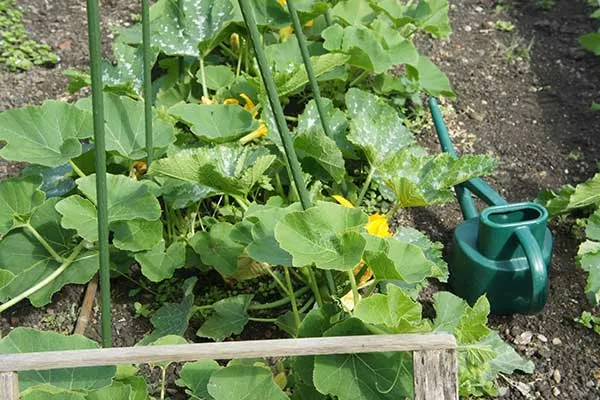
The S Kulachok zucchini plant is a bushy, very compact plant that doesn't spread out in all directions. The bush can grow up to 50-60 cm in height. Its leaves are large and slightly pubescent.

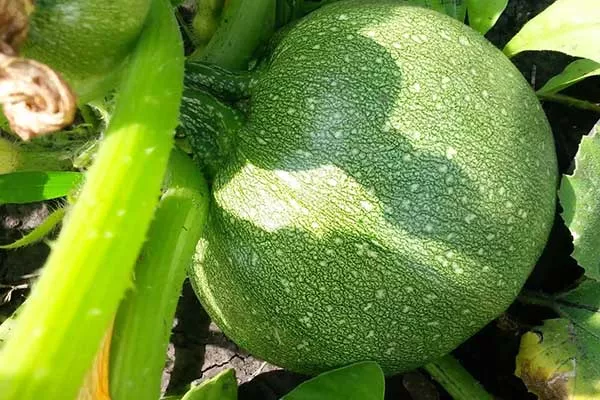
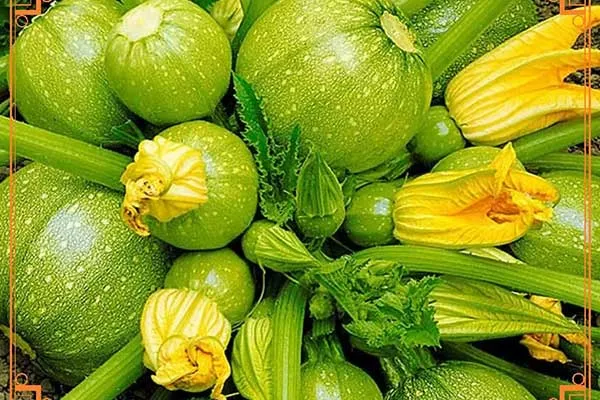
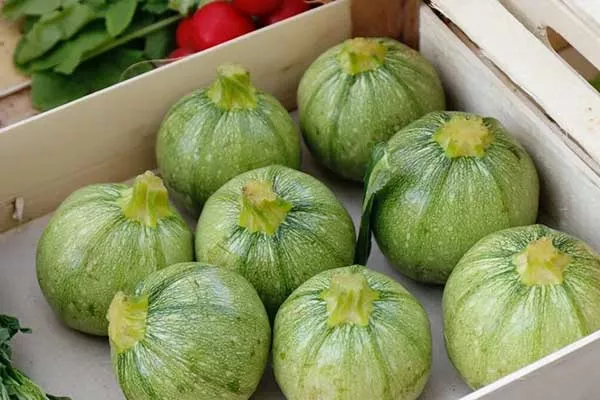
The fruits of this variety have an unusual shape for zucchini and squash; they are round and quite small, which is why they received their original name.
Fruit characteristics:
- length - 15-20 cm;
- diameter - 10-12 cm;
- weight - from 0.5 to 0.6 kg.
The fruits have subtle ribbing and are light green in color. The background is marked with whitish spots and speckles. The flesh is white and has a delicate texture.
Taste and purpose
The fruits are delicious; unlike most, their flesh is very tender, and the flavor is pleasant, without any off-flavors. These round zucchini can be used in a variety of ways, including steaming, grilling, canning, and are ideal for home cooking and all types of processing.
Characteristics
The variety is early maturing; already 35-40 days after emergence, you can look for young zucchini in the beds.
Pros and cons
Zucchini S Kulachok was developed by Russian breeders at Semena Altaya. This variety has many advantages, but also has some drawbacks that are worth knowing about in advance. Furthermore, this variety is definitely not suitable for those looking for regular zucchini or zucchini with long fruits.
Features of planting zucchini With Cam
In the south of the country, the S Kulachok squash is grown primarily by direct seeding. In regions with late springs, seedlings are often used to achieve earlier harvests.
- ✓ The optimal soil pH for the S Fist squash should be within 6.0-6.8.
- ✓ The soil should be well drained to avoid water stagnation.
Landing features:
- Sowing should only occur after warm weather returns and the threat of frost has passed. Zucchini seedlings are sown approximately three weeks before planting.
- The soil is carefully prepared before sowing; it is dug up and fertilized in the fall, and in the spring it is deeply loosened and beds are made or holes are dug.
- Seeds and seedlings are planted according to a 100x100 cm pattern. The seeds are planted 3-5 cm deep. The denser the soil, the shallower the planting depth.
- If sowing or planting seedlings early, when there's a risk of cold weather, cover the sowings/plantings with plastic film. On sunny, warm days, remove the covering.
Caring for zucchini
The S Kulachok zucchini requires care; without it, it's unlikely you'll achieve a good harvest. However, this variety isn't fussy, and nothing special is required for its growth and fruiting; standard watering, fertilizing, etc. are sufficient.
What to pay attention to during care:
- Avoid overwatering the soil, so watering should be moderate. Water deficit is also unacceptable, as it will result in less-juicy fruits and a poorer flavor. Moisten the soil to a depth of approximately 40 cm, preferably in the morning or evening, when it's not too hot. The recommended watering rate is 4-5 liters of settled or rainwater per square meter.
- To ensure healthy bushes and a high-quality harvest, fertilize several times a season. You can use mineral fertilizers, organic matter, or folk remedies. These are applied before and after planting, during flowering, and during the period of active fruiting. Acidic soils must be deoxidized with lime, wood ash, or dolomite flour.
- Between waterings, the soil in the beds is carefully loosened, while weeding out weeds.
Diseases and pests
Like most squash, zucchini, with its round fruit, has a high immunity. Under favorable conditions and proper care, it is not susceptible to infection. However, under adverse conditions and severely improper cultivation practices, the plants can become infected.
Most often, zucchini is affected by powdery mildew, brown spot, and various types of fungal rot. Topaz, Skor, Topsin, and other fungicides can be used to combat these diseases. Biological products such as Fitosporin-M and even a solution of sodium ash can also be used for treatment.
Slugs also pose a threat to zucchini. Fitoverm, Akarin, and other insecticides are used to control these pests. Folk remedies such as onion peel infusions and mustard solutions have also proven effective.
Harvesting and storage
Zucchini S Kulachok is an early variety that typically doesn't store well. It's eaten or processed as it ripens. The more frequently and in larger quantities you pick the zucchini, the more vigorously new fruit will grow. Cut the zucchini at a right angle with a sharp knife, leaving a 5-7 cm stem.
Do not pick or break off the fruits. Harvested zucchini should be dried and stored in the refrigerator or a dark, well-ventilated, and cool place. If it rains during harvesting, do not wash the dirty zucchini; gently wipe away the dirt with a napkin.
Reviews
If you love unusual varieties and accept the idea of round zucchini, then the S Kulachok variety is for you. This zucchini is truly delicious, productive, hardy, and easy to grow like all zucchini. Just a few plants are enough to provide you with fresh fruit and plenty of room for winter preserves.