
The Rolik zucchini variety is characterized by abundant yields, excellent transportability and shelf life, and resistance to sudden cold snaps and major diseases, except powdery mildew. It's easy to grow, but requires a specific type of soil for planting. Cultivation is possible in all regions of Russia, even in areas with harsh climates (recurrent frosts are not a concern).
Who developed the variety and when?
Thanks to the work of Yurina O. V., Ermoolenko I. V., and Artyugina Z. D., a new variety of squash was developed in 1990. The name was given to it due to the rounded shape of its pumpkins.
- ✓ Soil pH should be in the range of 6.0-6.8 for optimal growth of the Roller zucchini.
- ✓ The substrate must be well drained to avoid water stagnation and root rot.
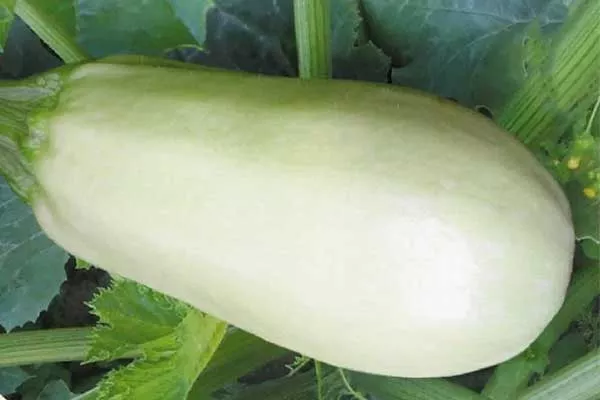
Characteristics of the appearance of the plant and fruits
Roller is a bushy rather than climbing plant, so its root system is robust and its bush compact. It doesn't require trellis support and takes up minimal space in garden beds. The variety can be identified by the following characteristics:
- stem type – standard;
- height of the bush – from 25 to 35 cm;
- sparseness – strong;
- stem – erect and thickened, with hard villi on the surface;
- central root – thick;
- structure of the root system – branched, with underground adventitious shoots;
- color of buds – yellow;
- flower sizes – large;
- shape of corollas – bell-shaped;
- internodes – shortened;
- leaf blades – strongly dissected type, pentagonal, classic green and relatively small (sometimes light spots appear on the surface);
- number of fruits on 1 bush – 4-5 pcs.;
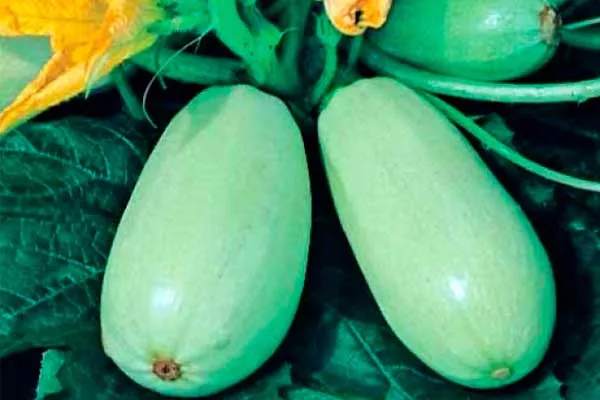
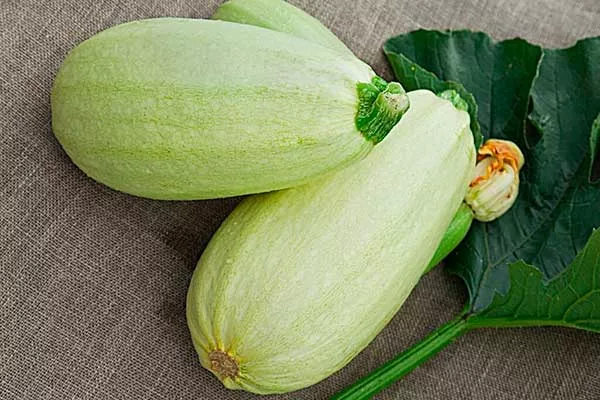
- pumpkin shape – oval-round;
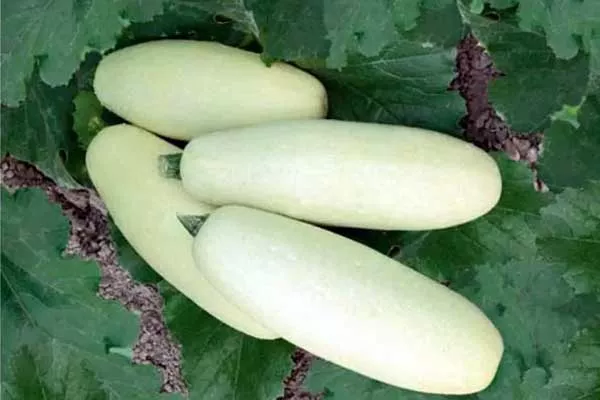
- skin and pulp color – light green;
- fruit parameters – their weight varies from 900 g to 1.3 kg, and their length from 15 to 22 cm;
- peel density – average;
- pulp structure – juicy and a little loose, but tender.
Purpose and taste
The Rolik zucchini variety is highly prized for its excellent flavor. It has a delicate, yet not sweet, flavor, making it ideal for creating a variety of appetizers, such as:
- squash caviar;
- fried vegetable slices in batter;
- zucchini boats with savory fillings such as minced meat, vegetables or mushrooms;
- zucchini cake;
- vegetable salads.
Ripening and yield
Rolik is an ultra-early squash variety. It takes only 28-35 days from sprouting to harvesting, allowing you to begin harvesting as early as mid-June. Ripening isn't uniform, so the harvesting period extends over several weeks.
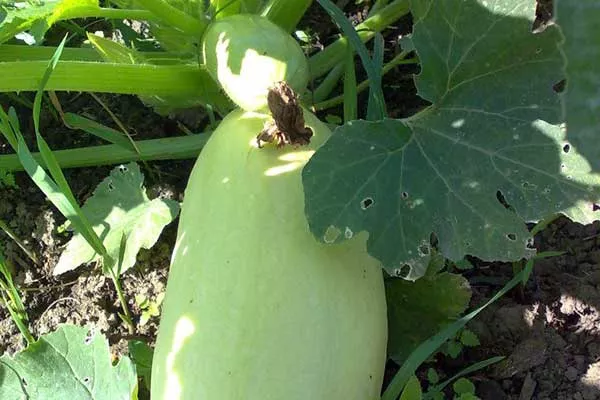
In industrial conditions, the yield averages 60-80 tons per hectare, and in private gardens – up to 7-10 kg per 1 sq. m.
Resistance to diseases and pests
The Rolik zucchini is highly resistant to diseases and pests. It tolerates fluctuations in nighttime temperatures well, which does not affect the fruit's productivity or flavor. The variety is resistant to common diseases such as:
- powdery mildew;
- copperhead (anthracnose);
- white and gray rot;
- Fusarium wilt.
Melon aphids can be a problem, especially if the soil around the trunk is overly waterlogged. Chemical insecticides and folk remedies, such as dandelion or tomato top infusions, are used to control this pest.
How is sowing carried out?
The seeds of the Rolik variety are large and covered with a thick shell. If dark or colored spots are visible on the shell, this may indicate a fungal infection, and such seeds are not suitable for planting. It is important to thoroughly wash them and treat them with an antiseptic, such as a 1% solution of potassium permanganate.

Other necessary actions:
- To activate metabolic processes in the planting material, it is placed in warm water for 12 hours, treated with a solution of table salt (25 minutes), and treated with a biostimulant such as Epin or a similar one. After this preparation, the seeds are ready for sowing.
- For indoor planting, prepare a mixture of peat, sawdust, and sand. Fill cups with it, and spray the substrate with an ash solution. Let it sit for 24 hours. The soil mixture should be kept at 25 degrees Celsius during planting.
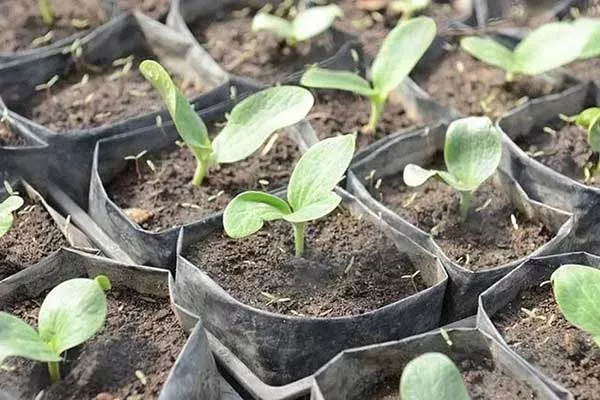
- After planting the seeds, cover the cups with plastic wrap and maintain the ambient temperature at 30 degrees Celsius. Remove the plastic wrap regularly for ventilation, and water as needed using a spray bottle. The first leaves appear within 6 days.
How to plant seedlings?
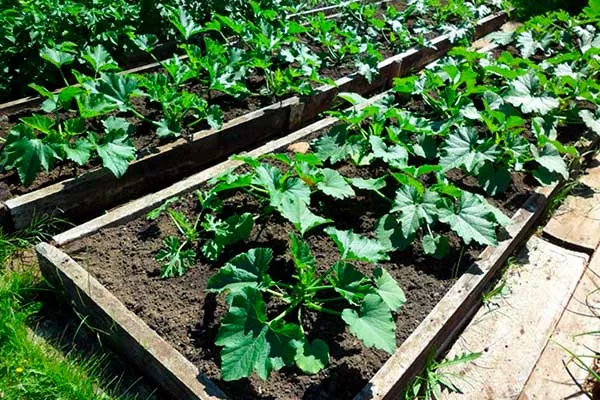
When transplanting seedlings, space the plants in a staggered pattern, 60-75 cm apart. Each hole should contain seedlings that are 10-15 cm tall and have 3-5 leaves. Water the bush with 1 liter of warm water.
Caring for zucchini
The main agricultural practices for the Roller zucchini include care, which consists of regular watering, loosening the soil, weeding, fertilizing, as well as disease and pest prevention and control:
- To prevent fungal infections, it's important to regularly aerate the soil under the film tunnels. Drip irrigation, which delivers water directly to the roots and keeps the soil surface dry, is an effective way to minimize the risk of fungal diseases.
- Before zucchini plants begin to flower, the soil around the trunk should be moistened once a week. Once the fruiting period begins, increase the watering frequency to twice a week, taking into account weather conditions. Apply approximately 5-8 liters of water under each plant, avoiding directing the water directly to the roots and avoiding directing the water onto the green foliage.
- To retain soil moisture, it's helpful to use mulching, which involves layering organic or inorganic porous materials. These can include sawdust, pine needles, leaves, or hay.
- It is important to regularly loosen the soil around young plants, being careful not to damage the superficial roots.
- Before planting, add rotted manure to the soil at a rate of 5 kg per 1 m².
- Two weeks after the seedlings appear, feed the plants with a mullein solution (1:10).
- During the flowering period, add ash at a rate of 200 g per 1 m² to improve fruit formation.
Harvesting
Squash harvesting takes place from midsummer to late September. It's recommended to pick the fruit twice a week, avoiding overripeness, as this reduces the flavor. Here are some guidelines for storing pumpkins:
- To keep zucchini fresh, they are stored in the refrigerator.
- For long-term storage, carefully wipe the fruit clean of soil with a dry cloth and then place them in boxes so they don't touch each other. You can place a layer of paper between them or sprinkle them with sawdust.
- Such boxes should be stored in a dark, dry and cool place, such as a basement or cellar.
- Canning is also an effective way to preserve zucchini. The Rolik variety is excellent for making canned salads, zucchini caviar, and other dishes. Zucchini can also be diced or sliced and frozen for use throughout the winter.
Advantages and disadvantages of the variety
The roller is a high-yielding variety, but this is not the only reason why consumers and gardeners love it.
Reviews
Rolik zucchini has stood the test of time and gardeners' experience – it has proven itself in terms of taste and ease of cultivation. It's not a hybrid, but a cultivar, making it possible to harvest and plant the seeds yourself. The key is to sort the seeds correctly.
I also plant this variety often. They're good zucchini, require minimal care and don't take up much space. The flavor is excellent.
Thank you for the article, Alina. It's a detailed description of the variety and its growing requirements.