
Zucchini is known as a fast-growing crop, ripening earlier than many other garden plants. Along with early and mid-season varieties, there are late-season varieties that not only make good use of your late-season garden but also allow you to prepare a variety of zucchini preserves.
The best late varieties
Late-season zucchini varieties are widely available on the seed market. For each region, you can find varieties optimally suited to local climate conditions.
| Name | Ripening period (days) | Yield per bush (kg) | Fruit weight (kg) |
|---|---|---|---|
| Walnut | 90 | 8 | 3-5 |
| Spaghetti Raviolo | 130 | 1 | 1 |
| Tivoli F1 | 160 | 5 | 1-1.5 |
| Lagenaria Calabaza | 180-200 | 40-45 | 1.5-5 |
| Lagenaria vulgaris | 120 | 40 | 10-11 |
Walnut
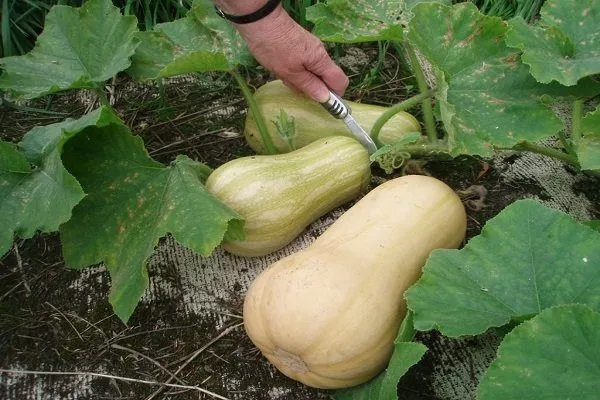
This variety produces smooth, cylindrical, beige-colored fruits with aromatic orange flesh and a small seed chamber. Mature specimens weigh 3-5 kg and reach 17-22 cm in length. The first ripe fruits can be harvested 90 days after germination. A single plant yields up to 8 kg of fruit.
Advantages:
- easily tolerates extreme heat and rainy periods;
- not affected by fungal rot;
- easy to transport;
- Delicious baked, steamed, or stuffed.
Spaghetti Raviolo
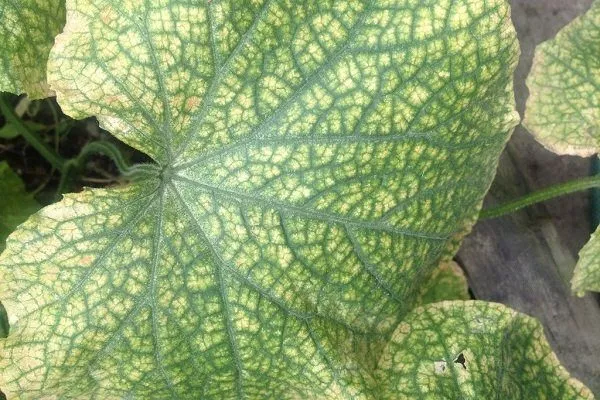
The variety's distinctive feature is the fibrous texture of its flesh. The fruits are cylindrical, initially green, and whitish when fully ripe. Length: 15-20 cm, weight: 1 kg. Some specimens weigh up to 1.5 kg. The flesh has a slightly sweet flavor. Ripening takes 130 days. Yield per bush: 1 kg.
Advantages:
- excellent taste;
- original pulp.
Tivoli F1
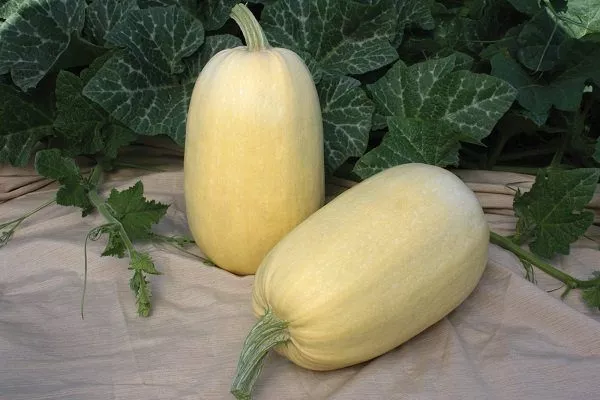
A hybrid spaghetti squash with a bush form. Ripens 160 days from sowing. The fruits are cream-colored, oval, smooth, and tapering toward the stem. The yield per bush is up to 5 kg. The flesh is fibrous. Fruit weight is 1-1.5 kg.
Advantages:
- high yield;
- excellent creamy taste;
- When cooked, the resulting vegetable vermicelli is golden brown.
Lagenaria Calabaza
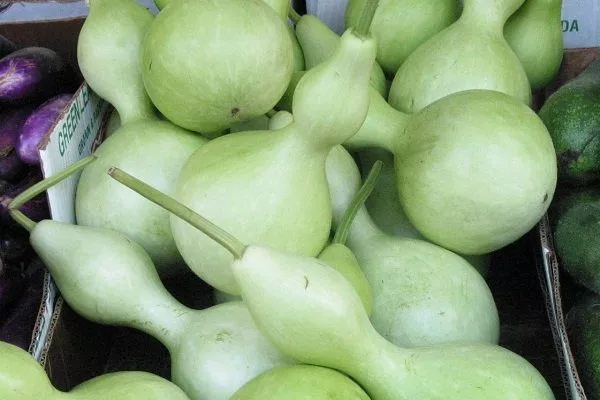
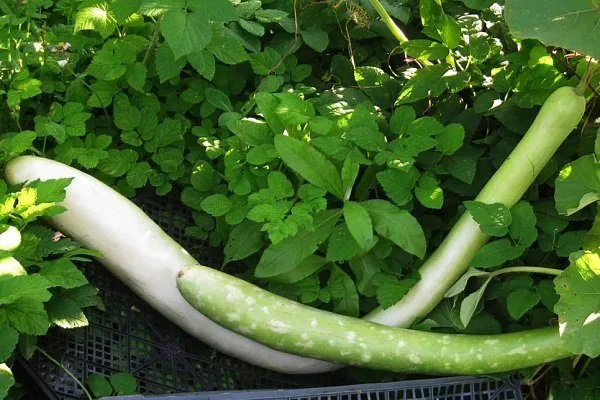
A vigorous plant with large vines and unusually shaped fruits—they resemble giant pears. The yield per bush is 40-45 kg. Depending on the subspecies, the fruits grow 30-60 cm long and weigh 1.5-5 kg. Ripening time is 180-200 days.
Advantages:
- pleasant, sweetish taste;
- you can cut off a piece for eating, and the rest of the zucchini will continue to grow;
- disease resistance;
- Overripe fruits can be used to make dishes and souvenirs.
Lagenaria vulgaris
A vigorously climbing variety with long fruits. Individual specimens reach 170 cm in length. A single zucchini weighs 10-11 kg. Ripening occurs 120 days after planting. A single bush yields up to 40 kg of fruit.
Advantages:
- high yield;
- good shelf life;
- high taste characteristics;
- you can cut a piece of zucchini straight from the bush;
- universal use - young fruits are pickled, fried, stewed, boiled.
Advantages and disadvantages of growing late-season zucchini
Sometimes, summer squash yields such a bountiful harvest that late-season varieties are a no-brainer. But if you only planted a few squashes in the first half of the season, or the harvest wasn't successful, why not replant? Late-season varieties have many advantages that their earlier counterparts lack.
Advantages of late varieties:
- more shelf-stable than early and mid-season zucchini;
- they supplement the autumn diet when cucumbers, tomatoes and many other vegetable crops finish fruiting;
- They differ from their early and middle-aged counterparts in their more multifaceted and rich flavors.
Flaws:
- There are nuances of agricultural technology, failure to comply with which leads to a lack of harvest;
- there is a risk of crop loss in the event of early frosts (a film stretched over the beds at night will help prevent this);
- the seeds quickly become hard.
Features of planting and growing
Growing techniques for late-season zucchini differ little from those for early and mid-season varieties, but there are still some nuances worth considering. The correct approach to planting and caring for late-season varieties will ensure maximum yield.
Timing and methods of planting
The timing of planting late-ripening zucchini depends on the onset of cold weather in a given region. Ripening, which takes approximately 120-180 days for late-ripening varieties, should be completed before frost sets in. Typically, in central Russia, zucchini are planted from May 1st to 10th.
What to consider when planting late zucchini:
- Late zucchini, if there is no danger of night frosts, can be safely sown in open ground - there is no point in messing around with seedlings;
- Don't rush to plant late varieties - their harvest will be at the end of the season anyway, which means there's no need to take risks and rush with sowing;
- Prepare the soil well, add organic matter in advance - 10-15 kg of humus, 200 ml of ash and 50-60 g of double superphosphate per 1 sq. m;
- Before sowing, soak the seeds or germinate them by wrapping them in a wet cloth and placing them in a warm place;
- plant seeds in holes 4-6 cm deep at intervals that take into account the characteristics of the variety;
- Place 2-3 seeds in each hole, and when the shoots appear, remove the excess sprouts, leaving the strongest one.
If desired, you can plant late-season zucchini using seedlings. In this case, planting occurs around late May or early June. Seedlings are planted when they are 25-30 days old.
Zucchini are easy to grow and grow well both outdoors and indoors, the key is to choose the right variety:
- For growing under cover, it is better to choose compact and bush varieties;
- For open ground, varieties with large bushes and strong, dense shoots are more suitable.
- ✓ Resistance to fungal infections is critical for late varieties due to the long growing season.
- ✓ Ability to withstand autumn frosts without loss of yield.
It's recommended to choose varieties that are resistant to diseases, pests, and fungal infections. They are also hardy and can withstand summer heat and possible autumn frosts.
The nuances of agricultural technology
Late-ripening zucchini have a long growing season, so they have to be doubly hardy, as they are more likely to encounter droughts, heavy rains, and fungal infections.
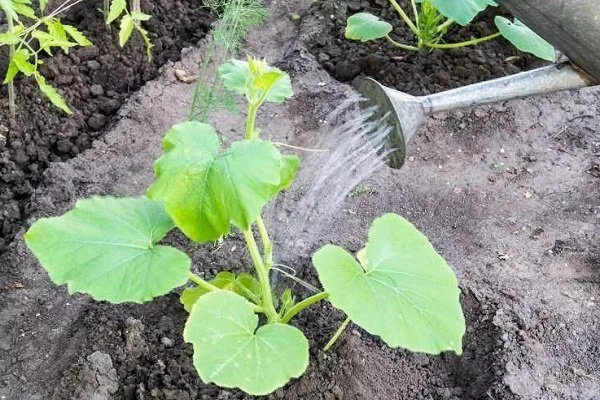
Watering
In order for the fruits to have time to gain the mass required by the variety before the seeds ripen, the plants need regular wateringOtherwise, the seeds will become hard prematurely.
In the south of Russia, where late zucchini is usually grown, droughts occur in July and August, and artificial irrigation is essential.
Watering features:
- recommended frequency: 3 times a week;
- watering rate: 4-5 liters per bush;
- in extreme heat and in the absence of rain, water the zucchini every day;
- recommended watering time is morning and evening;
- Water for irrigation is not cold.
Hilling
Late-planting zucchini requires regular loosening, hilling, and removal of weeds, which not only absorb nutrients intended for the plants but also attract insects. If necessary, rake the soil toward the center of the tree trunk to prevent exposed roots.
Top dressing
Late-ripening varieties are extremely demanding of soil. They require nutritious, loose, and fertile soil. A decent harvest will be impossible on depleted soil.
It is better to feed zucchini with natural fertilizers - for example, rotted manure (2-3 kg per 1 sq. m) and wood ash (100-200 ml per bush).
Simply sprinkle the ash around the trunk, then gently loosen the soil. This allows the fertilizer to be incorporated into the soil without damaging the zucchini root system (which is very close to the surface).
Harvesting
Unlike early varieties, late-ripening zucchini don't give gardeners time to think. They seem to sense the onset of cold weather and rush to form seeds. Therefore, harvest the fruit promptly—if you neglect it, they will quickly become tough and unfit for consumption.
What to pay attention to when harvesting late zucchini:
- If the fruits become overgrown and hard, their flesh becomes tasteless and the seeds tough. Such specimens are fed to livestock and are not even suitable for canning.
- The ripening time for zucchini is usually indicated on the seed packaging. Late-ripening varieties typically ripen within 110 days from germination.
- Experienced gardeners advise not counting the days, but simply tapping the zucchini with your knuckles. Ripe specimens will produce a dull sound, while overripe ones will produce a ringing sound.
Pick the first 2-3 young fruits before they reach full varietal height. This will stimulate the growth of subsequent fruits. If they are left on the vine, the plant will devote all its energy to seed formation and maturation, which will lead to a reduced yield.
How to extend the autumn fruiting of zucchini?
In the summer, summer residents and gardeners often face the problem of what to do with zucchini. They're eaten voraciously, shared with relatives and neighbors, fed to chickens, and pickled. Autumn, however, is a different story—by this time, everyone's already longing for zucchini, and the large, juicy fruits come in handy.
By using a few tricks, you can stretch out and prolong the fruiting period until the very frost:
- Remove 2-3 leaves from the center of the rosette. They shade the fruit, absorb nutrients, and interfere with air circulation. Trim the leaves in the morning on a dry day, and sprinkle the cuts with wood ash or charcoal. After this, do not water or fertilize the bushes for 2 days.
- Two days after pruning, fertilize the bushes with a urea (carbamide) solution—mix 1 tablespoon with 10 liters of water. Apply the fertilizer in the morning after watering. Apply 1 liter of solution per bush.
In the evening, spray the bushes with an iodine solution: dilute 10 ml of pharmacy iodine and a complex preparation with microelements (for example, Uniflor Micro) in 10 liters of water. - From the first days of September, zucchini plants are threatened by autumn frosts and heavy, cold dew. To prevent frost damage to the plants, which can lead to fungal diseases, they are insulated. For example, you can set up mini-greenhouses by covering the plants with agrofibre stretched over arches.
It is not recommended to cover late zucchini with film, as it disrupts the air exchange process, causing dampness and condensation.
Dig up and burn any bushes affected by the fungus. They will be of no use in the fall, but the infection will rapidly spread to neighboring plants and throughout the garden. It's recommended to spray newly formed zucchini ovaries with boric acid (2 g per 10 liters of water) to stimulate their development and prevent them from shedding.
Helpful Tips
Gardeners growing late-season zucchini for the first time often encounter problems caused by unfamiliarity with growing techniques or by making serious mistakes. Advice from experienced gardeners can help prevent these growing errors.
Tips for growing late-ripening zucchini:
- When growing late-season zucchini, it's important to promptly remove dying leaves. This isn't usually a problem in early and mid-summer, but as August approaches, the lower foliage begins to dry out. Removing old leaves helps prevent infections and insect attacks.
- Frequent watering often washes away the soil around the stem, exposing large roots. This slows the growth of late-blooming zucchini and inhibits fruit set. Mulching the area around the trunk with a mixture of equal parts soil and compost can solve this problem.
- To ensure a good harvest, zucchini plants need good pollination. If problems with fruit set are observed, it's recommended to spray the plants with diluted honey. Or, use an infusion of male flowers with added sugar syrup. Let the infusion steep for 24 hours, then spray the female flowers.
During rainy summers, when pollinating insects are scarce or absent, female flowers can be pollinated by hand if plantings are small. One male flower is enough to pollinate two to three female flowers.
By planting late-season zucchini, you can reap a bountiful harvest of large, delicious fruits at the end of the season. They'll not only add vitamin-rich dishes to your menu but also make a wonderful base for winter preserves.