
The Povarenok zucchini attracts gardeners not only for its pleasant taste and early ripening time, but also for its unusual shape. The fruits of this variety are perfectly round, resembling small, unripe pumpkins.
Description of the Povarenok variety
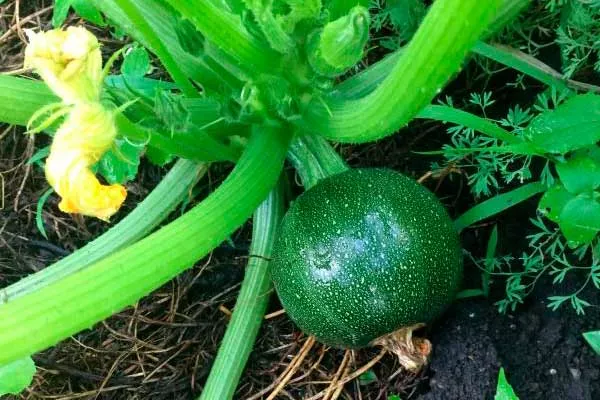
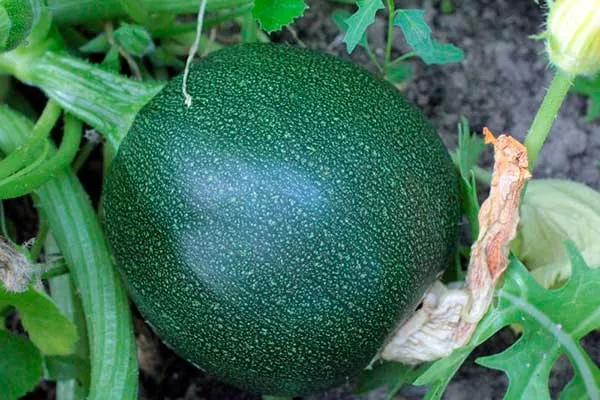
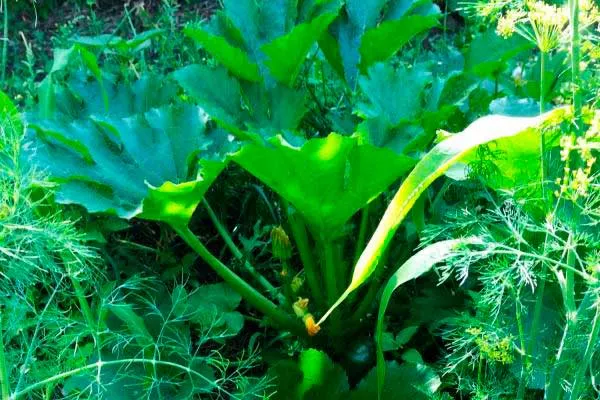
This squash grows vigorously, large, yet compactly, with a short main stem. The fruits are round, spherical, and green. Small light speckles are visible on the surface.

History of creation
The Povarenok variety is of Russian origin. It's relatively new, developed in 2018. Its creators are breeders from the popular Russian breeding firm Gavrish, known for its high-quality and diverse seed stock.
Characteristics of the variety
This variety is suitable for outdoor cultivation. It ripens early, with only 40 days from planting to the first ripe fruit. The Povarenok variety has a medium yield of 6.5 to 10 kg per square meter. Up to 20 fruits can be harvested from a single bush.
Taste and application
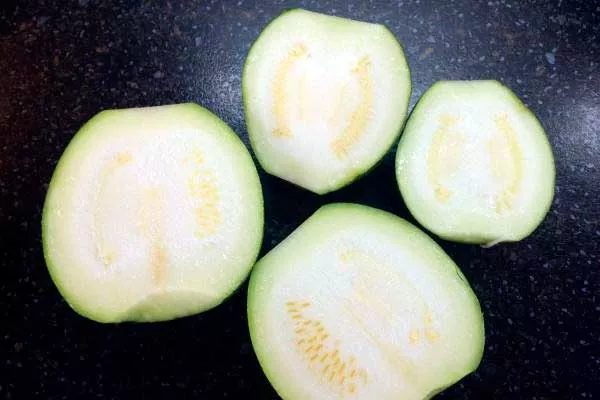
The Povarenok variety's fruit has a very pleasant flavor, making it ideal for preparing a wide variety of culinary delights. They can be fried, baked, marinated in slices, stuffed with meat or vegetables, and served in unique edible "pots." This variety is suitable for all types of processing, including freezing.
Pros and cons
Before planting round zucchini in your garden, it is useful to familiarize yourself with all their advantages and disadvantages.
No particular disadvantages were found in this variety.
Seed preparation
Before sowing, it's advisable to disinfect the seeds with an antiseptic solution. For example, a 1% solution of potassium permanganate. You can also use an iodine solution, prepared by dissolving one drop of iodine in 1 liter of water. Soak for half an hour.
Landing
This variety can be grown in any way—by sowing directly into the ground or by growing seedlings. Choose open, unshaded areas for planting; zucchini requires plenty of sun and warmth to thrive and produce fruit.
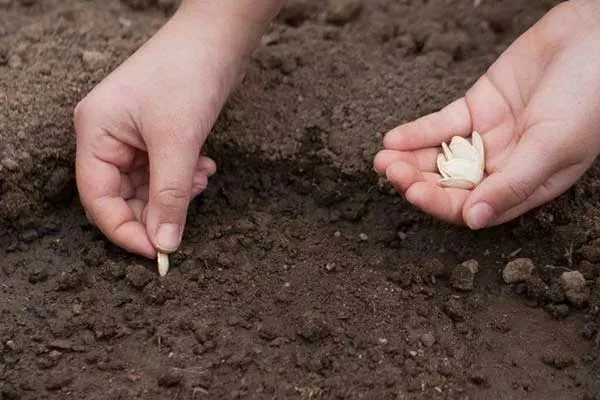
- ✓ Optimum soil temperature for planting: +12…+14°C at a depth of 10 cm.
- ✓ Required acidity level: neutral or slightly acidic (pH 6.0-7.0).
Features of planting the Povarenok variety:
- Zucchini shouldn't be planted where pumpkins were grown. A four-year break is necessary. However, after tomatoes, eggplants, and other nightshades, as well as onions, zucchini grows very well.
- The plant responds very well to organic fertilizers. The soil should be well-drained, loose, breathable, and fertile. In the fall, the area is dug over, adding the necessary fertilizers and other components that improve the soil quality.
- It is not recommended to grow zucchini on heavy clay soils; they must be loosened using coarse sand, adding 10 liters per square meter.
- The optimal soil acidity for zucchini is neutral or slightly acidic. If the soil is too acidic, you can check it with special test strips. You should deacidify the soil with lime or wood ash, or you can also use dolomite flour.
- Planting should only take place after the weather has become consistently warm, as zucchini is a heat-loving crop. The soil should warm to a depth of at least 10 cm, reaching 12 to 14°C. However, it is recommended to cover the seedlings with plastic at least overnight.
- Dig holes or make rows for the seeds. The optimal sowing pattern is 60x60 cm. Sow the seeds more densely than necessary to ensure germination. Place two or three seeds per hole, not just one. If all sprout, select the strongest seedling and remove the others.
In regions with harsh climates and short summers, it's recommended to grow zucchini using seedlings. They are grown using the standard method: a month before planting, they are sown in plastic or peat seedling pots.
The seedlings are watered, pricked out, hardened off, and then planted in the ground. For the first few days, if the sun is shining brightly, the planted seedlings are shaded.
Care
The variety easily adapts to various climates and weather conditions, producing a harvest under virtually any, even the most unfavorable, circumstances. However, to obtain a high-quality and abundant harvest, the plant requires specific care.
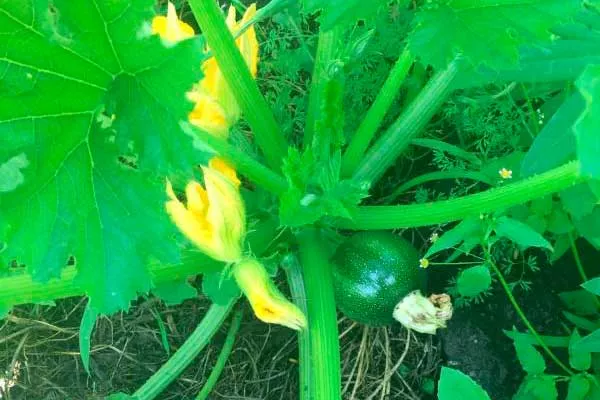
The Povarenok zucchini responds well to organic fertilizers. During the growing season, it can be fed with diluted mullein. This should be done after planting, during flowering, and during fruiting. Water, loosen the soil, and mulch the plants as needed.
Diseases and pests
The variety is fairly resistant to various diseases, so growing it doesn't present any particular problems. If spots, rot, or other signs of disease appear on the leaves, stems, or fruits, fungicides should be applied. Spraying the bushes with copper-containing preparations is also recommended as a preventative measure.
| Disease/Pest | Resistance of the Povarenok variety | Recommended control measures |
|---|---|---|
| Powdery mildew | High | Preventive spraying with copper-containing preparations |
| Aphid | Average | Use of broad-spectrum insecticides |
Broad-spectrum insecticides are used against aphids, spider mites, thrips, and other pests that can attack zucchini plants. For small infestations, popular folk remedies such as soap and tobacco solutions can be used.
Harvesting
The plants bear fruit all summer long, so they are harvested regularly as the fruit grows. Harvesting occurs every 2-4 days. If there are many zucchini, they are harvested in dry weather and stored in the refrigerator. Here, they can be safely stored for up to 10 days.
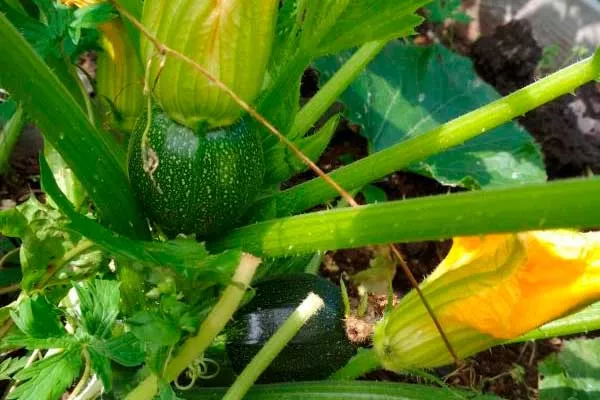
Fruit ripeness is determined by its size. Zucchini that have reached milky ripeness are approximately 10 cm in diameter. Mature zucchini can grow up to 20 cm in diameter and weigh up to 2 kg.
Reviews
The Povarenok zucchini is a favorite among gardeners who appreciate unusual varieties. These round zucchini not only look attractive but are also suitable for preparing interesting dishes—they can even be used as edible dishes. The Povarenok zucchini successfully combines the flavor and other characteristics of the fruit with the excellent agronomic characteristics of the variety.