
Fertilizing is an important agricultural measure when growing zucchini. Fertilizers should be applied in stages. There are several types of zucchini fertilizers, each with its own purpose. These substances must be used in specific dosages.
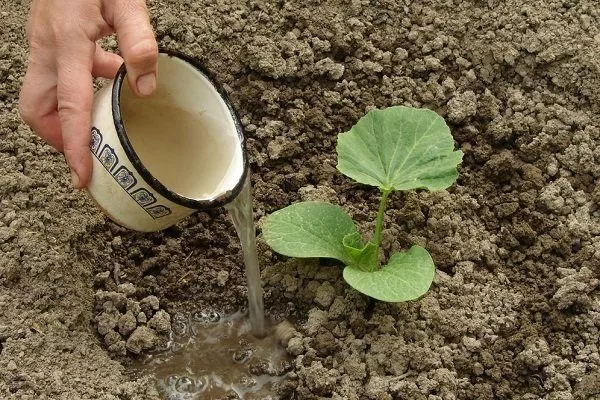
The need for fertilizing zucchini
Fertilizers are applied several times, including during the soil preparation stage for planting. Fertilizing serves several purposes:
- optimization of the chemical composition of the soil, increasing its fertility;
- stimulation of crop growth and development, formation of ovaries and fruits;
- prevention of diseases and pests;
- increased yields – the figures can double or even more;
- ensuring good taste characteristics of fruits;
- improving the chemical composition of fruits – increasing the amount of sugars, vitamins and other useful elements.
- ✓ The optimal time of day for applying fertilizer is early morning or late evening to avoid burning plants.
- ✓ The temperature of the water for fertilizer solutions should be close to the soil temperature to avoid stressing the plants.
Proper feeding of zucchini is beneficial, but using too much fertilizer can also have the opposite effect, harming the plant. This can happen when overfeeding, using improper dosages, or using only one type of fertilizer.
Stages of fertilization
Fertilizing zucchini requires a gradual process. Fertilizing at each stage has its own specific goals and specific requirements.
Spring preparation of garden beds
The plot is dug over in the fall, and the same treatment is repeated in the spring. All weeds are removed and the first fertilizers are applied.
For zucchini, use compost or humus; fresh manure should not be used. It is recommended to apply 2-3 kg of organic matter per square meter, along with mineral fertilizers: 2 tablespoons of potassium and 20 g of nitrophoska.
First feeding
Zucchini can be planted from seeds or seedlings. The first feeding is done 1.5 weeks after sowing the seeds, regardless of the chosen planting method. Fertilizing at this stage helps strengthen the root system and ensure its proper development, stimulating shoot growth.
The first feeding should definitely include nitrogen to promote plant growth. A combination of organic and mineral fertilizers is effective, applied through the roots.
When fertilizing at the seedling stage, it should be remembered that the concentration of the compounds used should be half that for adult plants.
After planting seedlings in the ground
Fertilizers are needed a week after planting. Additional nutrition at this stage promotes rooting of the seedlings and stimulates their growth and development. Fertilizers are applied to the roots. Various fertilizers can be used, but inorganic fertilizers are recommended.
During flowering
When zucchini flowers begin to bloom, apply organic fertilizers or traditional methods. This provides additional nutrition for the crop.
At the beginning of flowering, yeast feeding is effective. Yeast contains various vitamins and minerals, and its composition is very rich. Use fresh yeast, not dry yeast in packets. Wood ash can be added when preparing the infusion.
During flowering
At this stage, zucchini need more potassium, phosphorus, and nitrogen. This problem can be solved by adding mineral fertilizers. You can mix different substances yourself or use ready-made combinations. Fertilizers are applied to the roots. A solution containing ammonia is effective.
Foliar feeding can also be done. To prepare a solution, use mullein and nitroammophoska.
During fruiting
Fertilizers should be used with particular caution at this stage, as they can affect the chemical composition of the fruit. You can feed the crop with organic matter or use safe mineral fertilizers.
Fertilizing zucchini during fruiting stimulates fruit growth and improves their flavor and quality. Potassium-rich fertilizers, urea, and superphosphate are effective for this purpose.
Types of fertilizers for zucchini
Crops are fertilized with various substances: organic and mineral fertilizers, complex formulations, and folk remedies. These can be applied either through root or foliar application.
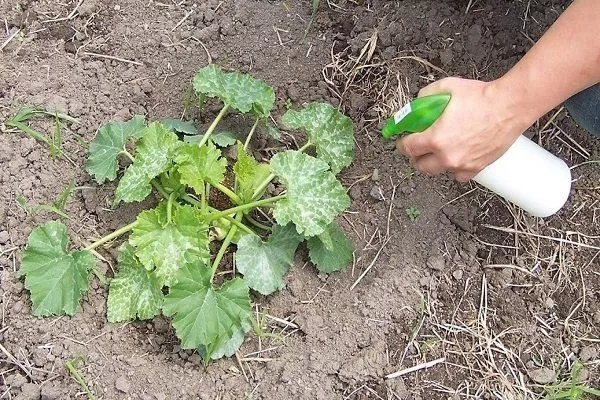
Root feeding is considered essential. Fertilizer solutions are most often used, but some apply dry fertilizer. The nutrients reach the roots, but this takes time.
Foliar feeding involves spraying the leaves. The plant receives nutrients more quickly, but in smaller quantities, since concentrated solutions cannot be used. Foliar feeding is done in addition to foliar feeding, often to prevent diseases and pests.
Organic fertilizers
These fertilizers are of plant or animal origin. For zucchini, manure, compost, humus, and wood ash are most commonly used.
The introduction of organic matter has many purposes:
- improving soil structure;
- release of carbon dioxide for aerial nutrition of the crop;
- activation of zucchini growth and stimulation of their development.
The following organic fertilizers are popular:
- MulleinIt's effective to use before flowering. The fertilizer should be diluted with 10 parts water, mixed, and watered at the roots of the plants. A bucket of the infusion is distributed among 10 plants.
- Fresh chicken manureIt's best used during flowering. It should be diluted with 3 parts water. You can also use a complex mineral fertilizer, diluting 1 tablespoon in a bucket of water. This mixture is used for root feeding; a bucket of the infusion is divided among 5 plants.
- Wood ashIt contains dozens of vitamins and other beneficial substances. A solution of the product is effective for root feeding: add 3 tablespoons of ash to each liter of water and let it steep for a week. Water the zucchini, using 0.5 liters of the solution. Be sure to water the plant generously with plain water after applying the solution.
- EffectonA ready-to-use organic fertilizer based on compost. It can be used for both root and foliar feeding. For root feeding, apply 200 g of the product per bucket of water; for foliar feeding, apply 30 g.
Don't use only organic fertilizers for zucchini. They need to be carefully combined with mineral fertilizers.
Mineral fertilizers
Minerals accelerate biochemical processes, which ensures plant growth and development. Their use also serves other purposes:
- increasing crop yields;
- improving fruit quality;
- increasing crop resistance to drought, cold, and disease.
Mineral fertilizers are usually used not individually, but in combination, combining 2-3 substances in one feeding:
- For the first feeding after emergence, a mixture of 40 g of superphosphate and 20 g each of ammonium nitrate and potassium nitrate per bucket of water is effective. Zucchini should be watered at the roots with this solution, using 1 liter per plant.
- During the fruiting period, potassium-phosphorus fertilizers will be needed. Superphosphate and potassium nitrate are suitable; 50 g of each is needed per bucket of water. Apply the fertilizer to the roots, using 1.5 liters per bush.
Urea helps improve crop growth and reduce the risk of disease. It is applied in two ways:
- Foliar feedingDissolve 15 g of the solution in a bucket of water, add 5 g of manganese sulfate and 4 g of copper sulfate. Spraying can be done three times per season, at intervals of at least two weeks. If zucchini are experiencing poor growth, weak stems, and pale foliage, it's helpful to spray them with a urea solution—10 g per bucket of water. Spraying can be done several times before flowering.
- Root feedingTo do this, dissolve 10 g of the substance in a bucket of water. Fertilizing the plants several times is effective—during flowering and when the fruit is ripening. Allow at least 1.5 weeks between applications.
It's important to remember to apply fertilizers in moderation and adhere to the correct dosage. Mineral deficiencies increase the risk of infectious diseases, but excesses are also harmful.
Ready-made complex compositions
These fertilizers can be universal or designed for specific crops. Their use makes life easier for gardeners, as they eliminate the need to prepare the mixture themselves—all you need to do is dilute the concentrate in the required proportions.
Among the popular complex fertilizers for zucchini, gardeners highlight the following:
- NitroammophoskaIt is applied dry before sowing the seeds at a rate of 40 g per square meter. During the growing season, prepare a solution of 20 g of fertilizer per bucket of water. Water at the roots, using a liter per bush. The first feeding can be done two weeks after sowing the seeds, and again during flowering when the ovaries are forming.
- BudThere are several varieties of this fertilizer. It is used to stimulate growth, flowering, and fruit formation. Foliar feeding is done by adding 20 g of the product per bucket of water.
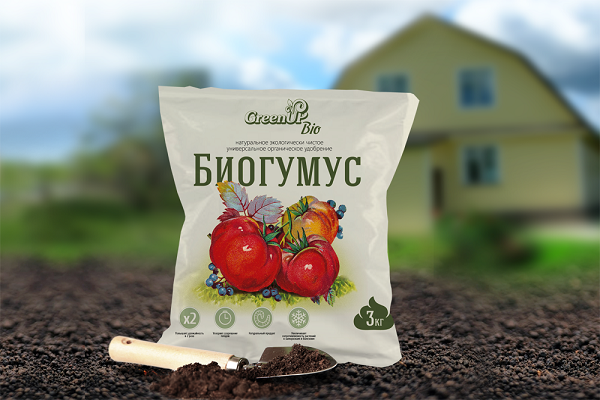
- BiohumusA complex of organic and mineral fertilizers. Add 100 ml of the liquid solution to a bucket of water. The solution is used for root feeding, which can be done once a week. Foliar feeding can also be done by adding 25 ml of the liquid to a bucket of water.
- ✓ Contains trace elements such as magnesium and zinc, which are critical for plant health.
- ✓ The NPK (nitrogen, phosphorus, potassium) ratio should correspond to the current stage of zucchini growth.
Folk remedies
These fertilizers are safer than many store-bought chemicals when used correctly. There are several options for fertilizing zucchini with folk remedies:
- Sugar syrupFor every liter of water, add 0.5 kg of sand and any honey plant oil. The resulting mixture is applied foliarly. It attracts bees, which ensure pollination of the crop, which is essential for fruit set.
- AmmoniaThis product is used instead of nitrogen fertilizers. It is used for the first feeding. Add 1 tablespoon of the product to a bucket of water. This composition is suitable for any type of feeding.
- YeastDilute 100 g of the product in 0.5 liters of warm water and let sit for 24 hours. Add the resulting mixture to a bucket of water and water the plant at the roots.
- Green fertilizer with yeastThe mixture is rich in nitrogen and should be used sparingly. To prepare, fill a bucket a third full with grass; nettles are best. Add 50 g of yeast and warm filtered water to the top. Let it steep for 2 days, then strain and use.
- IodineAfter this type of feeding, plants gain increased immunity and disease resistance, and they better absorb nitrogen. The fertilizer is applied to the roots, using 40 drops of iodine per 10 liters of water. Fertilizing is best done during flowering or fruiting.
- Boric acidThis product promotes nitrogen synthesis and potassium absorption, stimulates fruit set, and improves fruit flavor. It's effective to apply it before planting by watering the beds with a solution of 2 grams of the substance per 10 liters of water. One liter of fertilizer is needed per square meter. Boric acid is also used as a foliar fertilizer for fruit rot. To do this, dissolve 4 grams of the substance in a liter of hot water, then dilute it with 20 parts regular water.
- Onion peelAn infusion made from it is a preventative measure for many illnesses. The husk should be boiled in any quantity, strained, and diluted with water – the color should resemble tea. This infusion is used for foliar feeding.
How do you know if zucchini needs fertilizing?
When growing zucchini, inspect the beds regularly. The following signs indicate the need for fertilizing:
- slow fruit growth;
- pale color of leaves;
- yellowing of the leaves of the lower row;
- curling of leaves at the edges;
- fragility and brittleness of stems and leaves;
- lots of greenery, but no inflorescences;
- signs of fungal diseases;
- few fruits;
- wilting of fruits, yellow spots on them.
To learn how to fertilize zucchini with iodine and boric acid, watch the following video:
Proper application of fertilizers when growing zucchini This will lead to the desired result—a bountiful and high-quality harvest. Thanks to fertilizers, crops grow and develop better, the fruits grow larger, and accumulate essential nutrients.