
Octopus squash is a new, productive zucchini variety that can produce up to eight fruits at a time on a single plant. This gives it the appearance of a sea creature with numerous tentacles. This zucchini is still little known, but it has every potential to become one of the most popular varieties among vegetable lovers.
Description of the Octopus variety
Octopus Zucchini is a hybrid intended for outdoor cultivation. It produces neat bushes with very few leaves and abundant fruit. The leaves are green, lightly speckled, and moderately dissected.
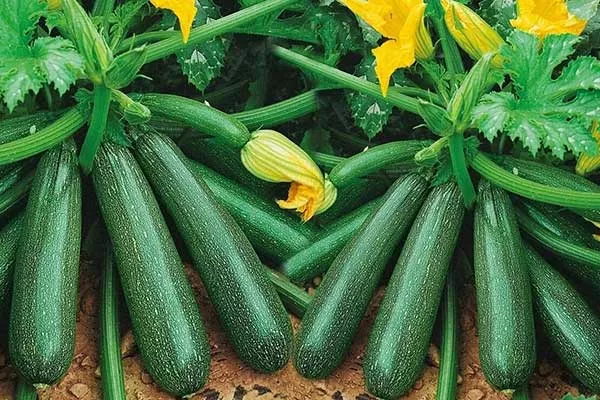
The fruits are dark green, smooth, and not ribbed. They are cylindrical, elongated, and tapering toward the stem. They can weigh up to 1 kg and reach up to 25 cm in length. The flesh is firm, whitish-cream, and moderately juicy. The seeds are small and almost invisible in young fruits.
Taste and use of fruits
Ripe zucchini has a very delicate, slightly sweet flavor. The flesh is slightly crunchy. These zucchinis are indispensable for dietary nutrition and can be given to very young children.
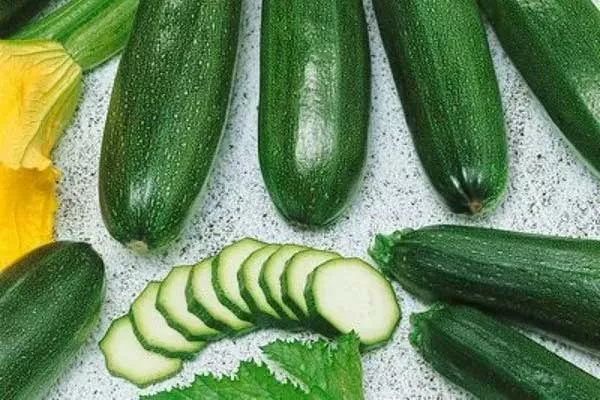
This variety is ideal for creating culinary masterpieces. Ripe fruits make excellent caviar, pancakes, and adjika; they can also be pickled and used in various winter preserves. Young fruits retain their flavor and appearance for two months in the refrigerator.
Productivity and other characteristics
The Octopus F1 hybrid belongs to the early-ripening group. The first fruits appear 40-45 days after the first shoots emerge. This makes the variety suitable even for regions with short summers. The Octopus variety has a high yield, with up to 10 kg of zucchini per square meter.
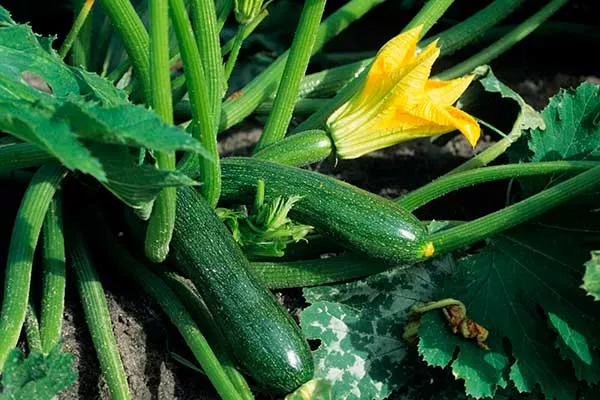
This variety is cold-hardy and tolerates low temperatures well. It is highly resistant to diseases, including powdery mildew.
Pros and cons
The Octopus zucchini has many advantages that are sure to please fans of this crop. Before planting this hybrid in your garden, it's helpful to familiarize yourself with all its pros and cons.
No particular disadvantages have been found in the Octopus zucchini.
How to plant?
The quality and quantity of the harvest directly depend on how well the plant develops. This, in turn, is largely determined by growing conditions and proper planting.
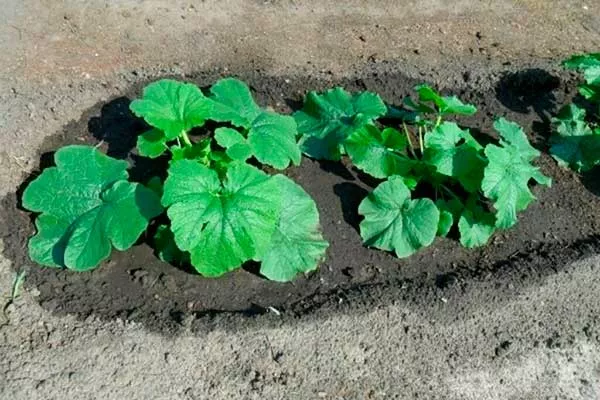
- ✓ The soil temperature for sowing should be at least +12°C to ensure good seed germination.
- ✓ The depth of seed placement should not exceed 3-4 cm, otherwise this may slow down their germination.
How to plant Octopus zucchini correctly:
- The area for planting zucchini should be well-lit and protected from drafts.
- The crop grows best in light, loose, and fertile soils with neutral pH. Heavy soils are loosened with sand, while acidic soils are deacidified with wood ash or lime.
- The best crops to plant zucchini include garlic, onions, legumes, and nightshades. Avoid planting zucchini in areas previously occupied by melons, watermelons, cucumbers, or squash. Zucchini should be planted in these areas no sooner than four years later.
- The planting site is prepared in the fall: it is dug up and fertilized with organic matter, rotted manure, compost, etc.
- Planting pattern: 60x60 cm. Add wood ash to the bottom of the dug holes and plant 2-3 seeds (in case germination isn't 100%). Remove any excess seedlings.
Octopus squash can be grown not only by sowing directly into the ground but also from seedlings. This method is commonly used in regions with harsh climates, where springs are late and summers are short. Seedlings are sown approximately a month before planting in the ground. Peat or regular pots filled with nutrient-rich substrate are used for sowing.
At one month of age, the seedlings are transplanted into the ground using the standard method. The plants are watered, mulched, and covered with transparent film or agrofibre to protect them from subsequent frosts.
Watering and fertilizing
Octopus zucchini doesn't require any special care; standard farming practices are sufficient. Regular watering, loosening the soil, weeding, hilling, and fertilizing are all it takes.
Care features:
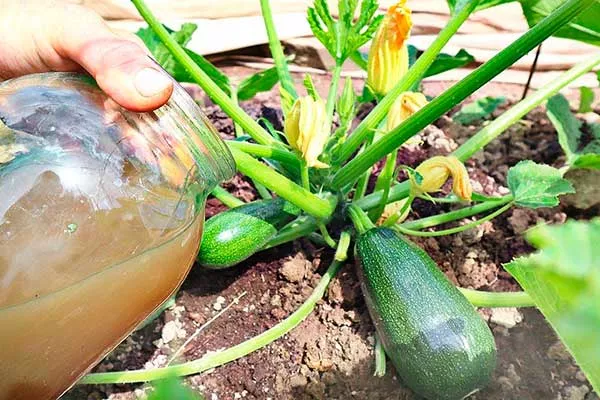
- Zucchini plants are watered approximately 1-2 times a week. In hot weather, watering frequency increases. Watering occurs in the morning or evening. The water should be settled and warmed by the sun and applied directly to the roots. The need for watering increases during the fruit set stage.
- The bushes are periodically loosened and hilled. Loosening prevents the formation of a hard crust that impedes air flow to the roots. The soil is loosened carefully, as zucchini roots are located close to the surface. Weeds are removed at the same time.
- Hilling is done a couple of times during the growing season. This helps young plants gain strength and develop more roots.
- When the bushes are a month old, they are fed with organic fertilizer (mullein or bird droppings) diluted 1:10. Before flowering, apply Agromix, Bud, or similar fertilizers to the zucchini plants to prevent the formation of barren flowers. During the fruit formation stage, it is recommended to add superphosphate, potassium fertilizer, and yeast.
Is it necessary to form?
The Octopus variety is a bush squash that doesn't require pinching. For good fruiting, simply pick the growing fruits on time. The lower leaves also don't need to be trimmed—the Octopus squash has very few of them, so the fruits aren't shaded.
Diseases and pests
The Octopus zucchini is virtually immune to powdery mildew, a significant advantage this new variety has over older varieties. However, poor agricultural practices combined with adverse natural factors can trigger other diseases. Zucchini is primarily susceptible to fungal infections.

Possible diseases:
- Anthracnose. It occurs when heat and high humidity combine. Crop rotation and moderate watering can help prevent the disease. Treatment with Fitosporin is recommended.
- Bacteriosis. It is triggered by fluctuations in day and night temperatures, as well as high humidity. To prevent this disease, crop rotation is practiced and seeds are thoroughly disinfected. Spraying with Bordeaux mixture is recommended.
- Gray rot. It appears in densely packed beds and when there's too much nitrogen. Timely weeding helps prevent the disease. Copper sulfate mixed with chalk in a 1:1 ratio helps combat the problem.
- Root rotIt can be caused by cold water used for irrigation, as well as an excess of fertilizer. Copper sulfate can be used to eliminate the problem.
To combat insect pests that attack zucchini plants, use Karbofos, Fufanon, Intravir, and other insecticides. For minor infestations, folk remedies are preferred, such as treating the plants with soapy water, tobacco infusion, and so on.
Harvesting and storage
It's recommended to harvest zucchini every 3-4 days to prevent them from becoming overgrown. Young zucchini are tastier, with tender flesh and thin skin, and virtually no seeds. These zucchini can be stored safely in a cool place for up to two months.
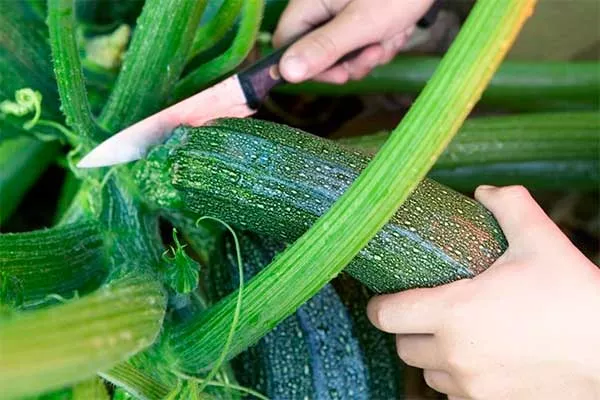
Fruits that have reached technical maturity can be stored for a long time. Their skin is thicker than that of young specimens, reliably protecting the fruit from damage. Zucchini are cut, cutting off 5 cm of the stem. Over time, the stem dries out, preventing bacteria from accessing the flesh.
Reviews of the variety
Octopus zucchini is the perfect choice for lovers of squash caviar and other culinary delights. This productive and delicious variety, with its large number of fruits ripening simultaneously, will certainly be appreciated by gardeners and summer residents who prepare large quantities of winter produce.