
The Nezhnyy Zephyr zucchini is very popular among gardeners. It has good varietal characteristics, a uniform shape, and a sweet flavor. This variety is easy to grow, but to achieve high yields and strong immunity, it requires strict adherence to agricultural practices.
Botanical characteristics
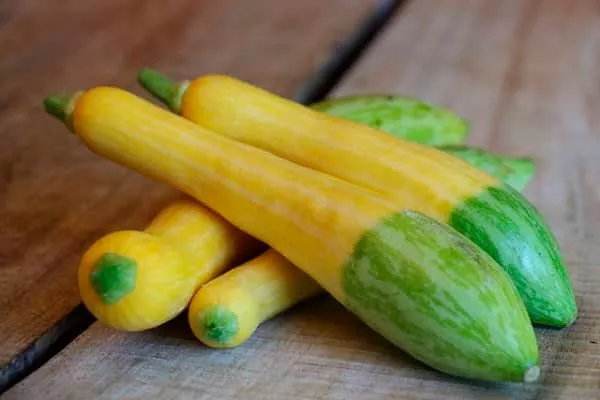
This yellow-fruited variety stands out for its unusual coloring—yellow with a sharp transition to green. The flesh has a more fibrous texture than other varieties. It is very popular among vegetable growers in our country, and not only because of its unique appearance.
Description of fruits and yield
This early-ripening zucchini has a short growing season of about 40 days. The plant exhibits resistance to certain diseases, such as mosaic and stolbur, which often affect cucurbits.
It has the following distinctive qualities:
- Characterized by light yellow skin with white vertical stripes that are almost invisible.
- It has a cylindrical shape, tapering toward the stalk; sometimes the fruits can curve into a slight arc. The seeds are virtually invisible.
- Mature zucchini have a thicker skin and larger seed cavities, which affects the taste of the pulp.
- The weight of young vegetables is no more than 120 g, while adults can reach a weight of up to 700-800 g and a length of up to 40 cm.
- A distinctive feature is its high vitamin A content, which is unusual for this type of vegetable. This makes it beneficial for children with growth retardation, and it's a rich source of magnesium, which has a beneficial effect on the nervous system.
Purpose and taste
It has a unique flavor. It's recommended to eat zucchini in its milk stage, when it's up to 10 cm long and up to 5 cm in diameter, when its flesh is tender and sweet, similar to melon.
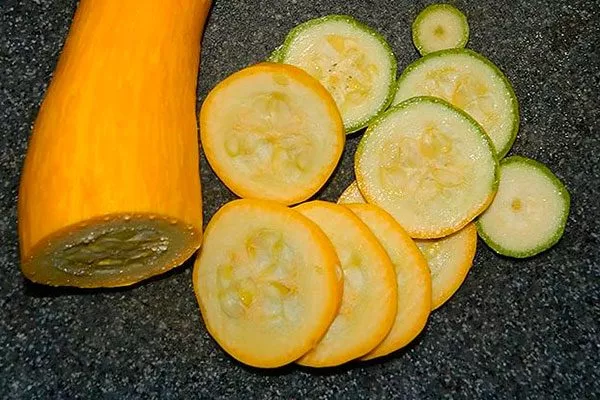
The vegetables are eaten fresh as a dessert, so they are harvested early, when the seeds are very small and barely noticeable. The fruits are used in a variety of dishes, including vegetable salads, pancakes, and cakes.
Stuffed zucchini is popular. It's used for stewing and frying in batter. Besides vegetables, you can also fry the florets in batter.
Advantages and disadvantages
Before planting any plants in your garden, consider their pros and cons. This delicacy variety has numerous advantages:
Features of growing zucchini using seedlings
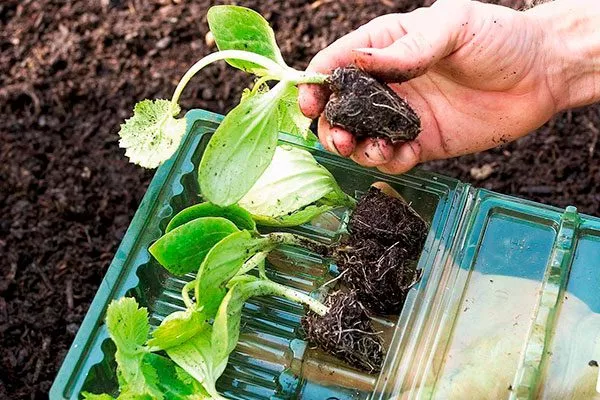
Sow seeds for seedlings in mid-March and grow for several months using separate containers for each plant, such as peat pots, paper cups, or cardboard boxes measuring approximately 10x10 cm.
- ✓ The optimal soil pH for zucchini seedlings should be within 6.0-6.8.
- ✓ The soil must be well-drained to avoid water stagnation and root rot.
Helpful tips for growing seedlings:
- Before sowing the seeds, prepare them by soaking them in warm water (approximately 25°C) for 24 hours and leave them in a damp cloth until the sprouts appear.
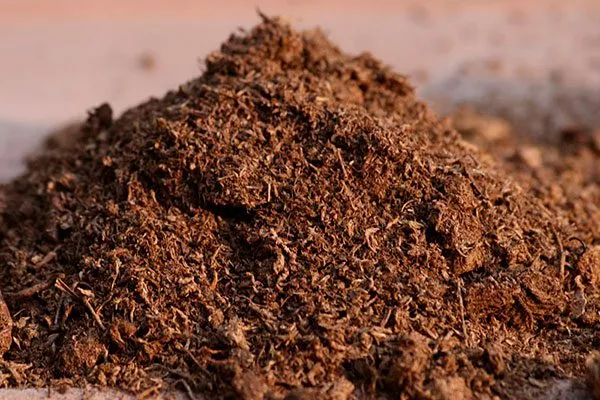
- Prepare a soil mixture consisting of peat, humus, turf, and sawdust in a ratio of 6:2:2:1. To enrich the mixture with microelements, add ash, ammonium nitrate, urea, potassium sulfate, and superphosphate.
- Sow the seeds 2-3 cm deep in a prepared container filled with soil and watered with hot water or a potassium permanganate solution. To ensure optimal germination conditions, the room temperature should be 18-25°C before germination and 18-20°C afterward. The seedlings require sufficient light to establish.
- Fertilize the seedlings a couple of times: immediately after germination and 10 days later. Use fertilizers such as Bud or Agricola.
- Ten days after sowing the seeds, add moistened soil. When planting outdoors, harden off the seedlings first. Take them outside for a few hours each day for a week before planting.
The planting process itself involves digging holes, adding compost, watering (about 2 liters per hole), and planting the seedlings. Maintain a planting density of no more than 2 plants per square meter. The best time for planting is late May or early June, when frost is no longer expected, as zucchini does not tolerate frost well.
- ✓ The soil temperature at planting should be at least 15°C.
- ✓ The distance between plants should be at least 70 cm to ensure sufficient space for growth.
Basic rules for growing zucchini without seedlings
This hybrid is highly productive and ripens early. When planting seeds, you can expect the first harvest in just 40 days, thanks to its early maturity, making it particularly popular.
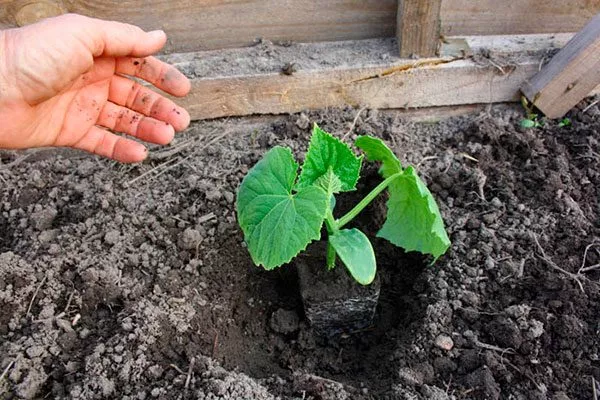
Follow certain rules:
- Sow seeds outdoors in late May, when the threat of frost has passed. This variety's unique feature is that the seeds can be sown several times throughout the season at weekly intervals, ensuring a long harvest.
- Soak the seeds in warm water for 24 hours.
- Prepare the area by adding humus and potassium fertilizer.
- Dig holes and sow 4 seeds in each.
- Fill the holes with soil and water generously.
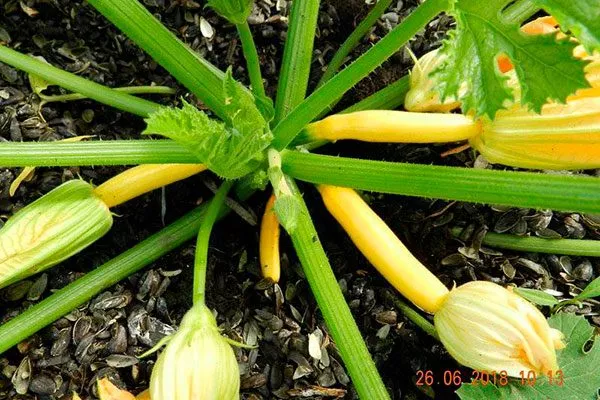
Caring for this plant is easy. Water the seedlings once every few days, and cover them with plastic wrap overnight during cold weather. Regularly trim off excess leaves that obscure the inflorescences and fruits, which is important for ensuring healthy growth.
Pests and diseases
The hybrid is highly resistant to various diseases and pests. However, there is a risk of powdery mildew, white rot, and insect attacks. To prevent these problems, follow these simple guidelines:
- Avoid planting seedlings in areas where zucchini was previously grown to avoid the transmission of diseases through the soil.
- Before planting, thoroughly water the soil, removing weeds and other plants that may be a source of infection.
- If you notice signs of disease on your bushes, remove them from the garden immediately to prevent the infection from spreading to other plants.
Reviews from summer residents and gardeners
The Nezhnyy Zephyr zucchini is an excellent choice for growers who appreciate compact and tasty vegetables. This variety is suitable for both open-field and greenhouse cultivation. Its tender flesh and sweet flavor make it an attractive choice. Proper care is essential for successful cultivation.