
The Negritenok zucchini variety produces beautiful dark fruits, perfect for creating culinary masterpieces and winter preserves. This Russian-bred variety is easy to grow, hardy, productive, and has excellent flavor.
Description of the Negritenok variety
The Negritenok squash grows compactly, with deeply dissected, small, green, slightly spotted leaves with soft pubescence. The flowers are large, yellow, and primarily female. The seeds are oval, light-colored, and medium-sized.
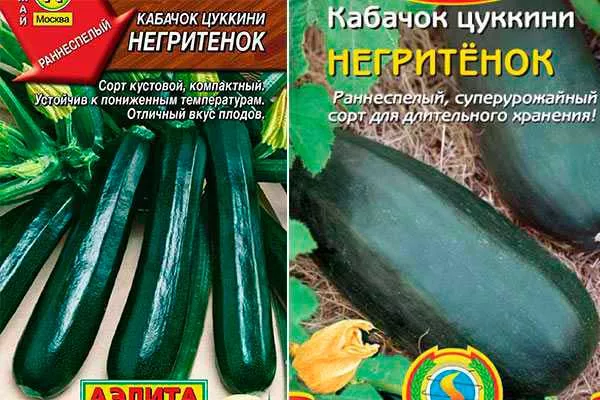
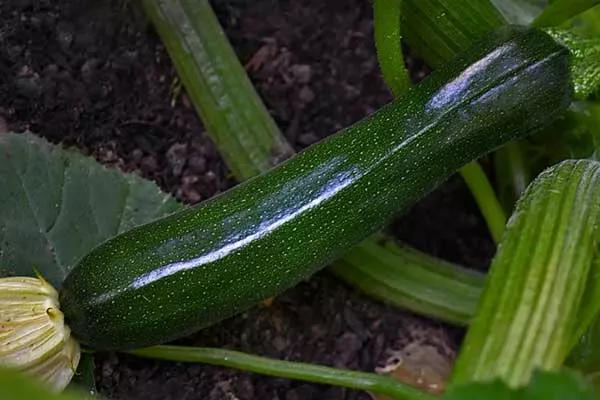
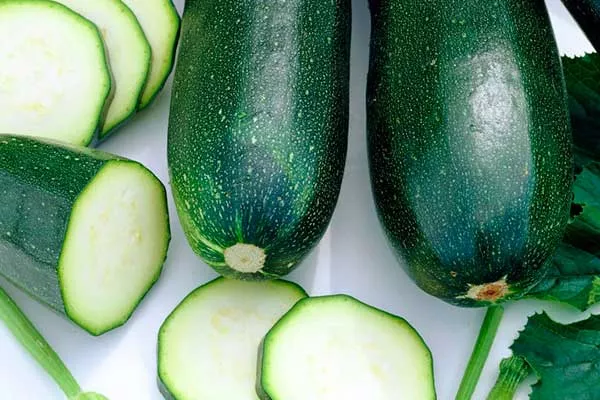
The fruits are smooth, dark green, speckled with white, and cylindrical in shape. The average weight is 400-900 g. The skin is medium thick, allowing the fruits to be stored for quite a long time. The flesh is greenish-cream and has a delicate consistency.
Who brought it out and when?
The Negritenok zucchini is a domestically bred variety, so it was developed with consideration for local climatic conditions, including those unfavorable for this crop. The variety was approved for cultivation in 2007. Designed by G. A. Tekhanovich and A. G. Yelatskova.
The variety is suitable for cultivation in various regions of Russia, including the North Caucasus and the Far East.
Characteristics
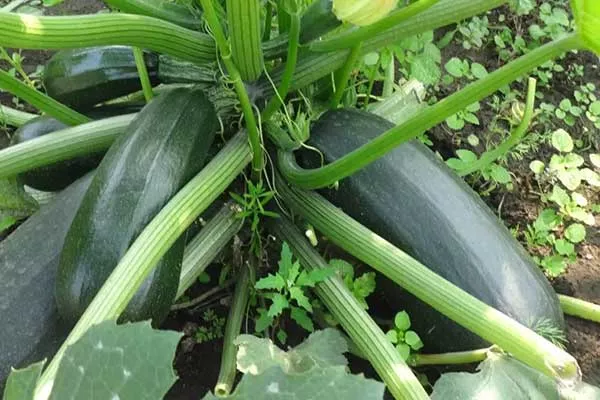
This bush variety is intended for outdoor cultivation and belongs to the early-ripening group. It takes approximately 45 days from germination to harvest. It is disease-resistant and virtually immune to powdery mildew.
Productivity
This zucchini variety exhibits very good yields. When grown properly, one plant can produce up to 15-20 zucchinis, or approximately 10 kg of zucchini. When grown commercially, this variety yields 450 to 780 centners per hectare.
Pros and cons
Before planting Negritenok zucchini in your garden, it is useful to familiarize yourself with all of its advantages and disadvantages, if any.
Pros:
No particular disadvantages have been found in this domestic variety.
Application
The fruit has a pleasant flavor and firm flesh, containing 3.8% dry matter and 2.4% sugar. Negritenok zucchini is used in a variety of culinary dishes—fried, stewed, or baked—as well as for winter preserves. These zucchinis can also be added to salads and used as a pie filling.
Landing
Negritenok zucchini is planted in well-lit, warm, and sunny areas. They can be planted after potatoes, cabbage, onions, and legumes. Ideal soils are those with neutral pH.
- ✓ Soil pH level should be strictly between 6.0-7.0 for optimal growth.
- ✓ The soil must be well drained to avoid water stagnation.
Acidic soils are deacidified with lime—this is done in the fall, during digging time. If the soil is poor, fertilizer is also added, preferably compost.
The Negritenok variety can be grown in two ways:
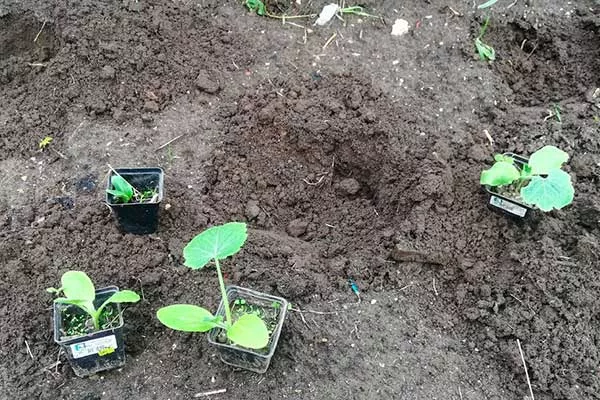
- By sowing in the ground. This option is the most popular among gardeners. It is used in the south and in regions with a temperate climate. Planting is done in April-May, taking into account local climate conditions.
Sprouted and disinfected seeds are sown to a depth of no more than 5 cm. The heavier the soil, the shallower the planting depth. - Seedlings. This method is used in regions with late springs and short summers. Seeds are sown for seedlings around April. About a month later, the seedlings are planted outdoors. Cover the plantings with plastic to protect them from night frosts, which are common in harsh climates.
The optimal sowing/planting pattern for Negritenok zucchini is 60 x 60 cm.
Care
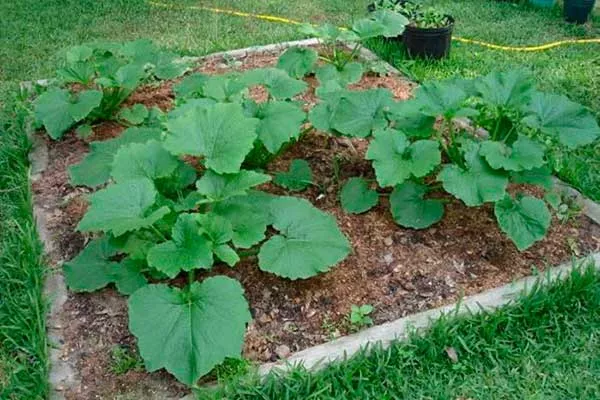
To produce high-quality fruit and a bountiful harvest, standard care is necessary: watering, fertilizing, and cultivating the spaces between rows. Zucchini should be watered approximately once a week, depending on weather conditions. If insect pests or signs of disease appear, apply appropriate insecticides and fungicides.
Reviews
The Negritenok zucchini possesses all the qualities of a good variety. Undemanding and hardy, this zucchini offers excellent consumer qualities, allowing it to be grown both for home use and for sale.