
The Nephrite zucchini is very popular among gardeners in our country. It is chosen for its large, delicious fruits, its low maintenance requirements, and its versatility. With proper care, this variety boasts a strong immune system and regular harvests, making it suitable for both small plots and commercial-scale cultivation.
Breeding history
Nephrite zucchini is a variety of zucchini created by Horal Jiri, Petr Klapště, and Jana Mohelska. It was first introduced in 1997.
Description of the variety
This variety is suitable for outdoor cultivation and has a wide range of uses. It possesses positive qualities and is easy to grow.
- ✓ Resistance to powdery mildew: high.
- ✓ Recommended planting density: 70×70 cm.
Characteristics of the appearance of the plant and fruits
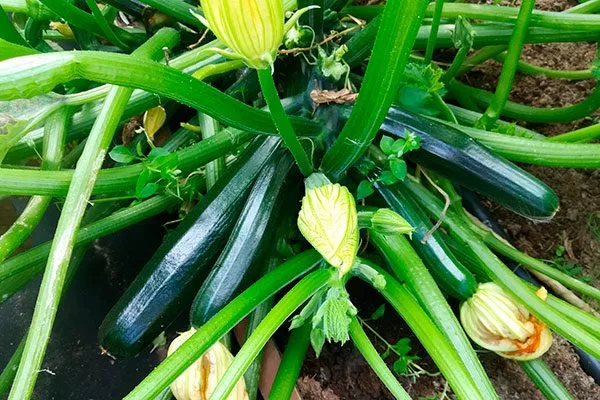
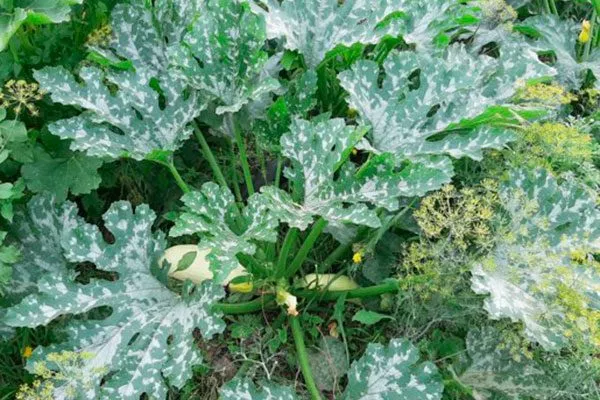
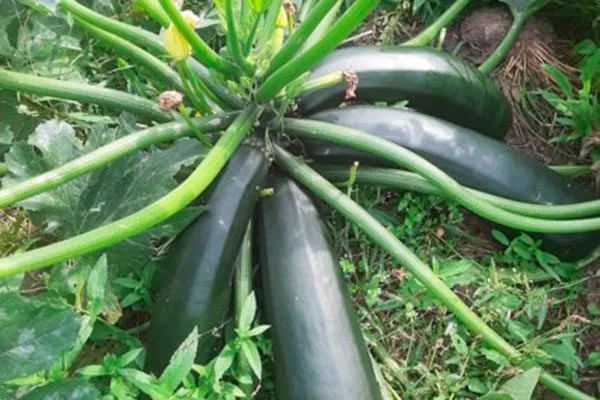
Bush squash is characterized by a small number of shoots on which the fruit develops. The leaves are medium-sized and green in color. Whitish spots appear on the surface of the leaves.
Purpose and taste
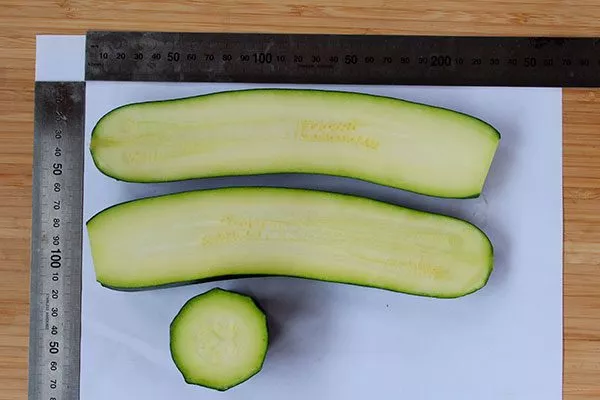
The flesh is light creamy and characterized by incredible tenderness, juiciness, and minimal fiber content. Its excellent flavor makes it ideal for home cooking, canning, and caviar production. It has excellent transportability and marketability.
Yield when ripe
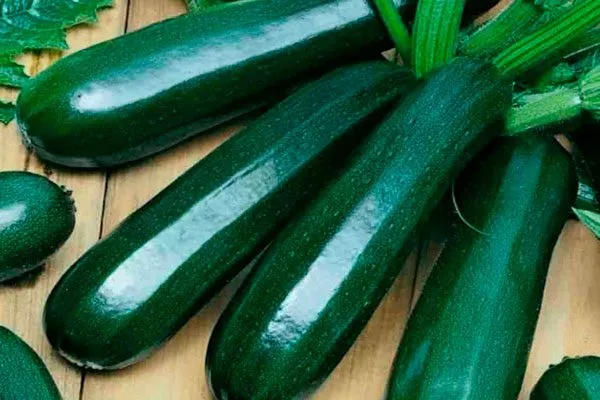
This is a mid-season variety. From germination to harvest, it takes 53-58 days. Yields range from 416 to 914 centners per hectare.
Growing and care
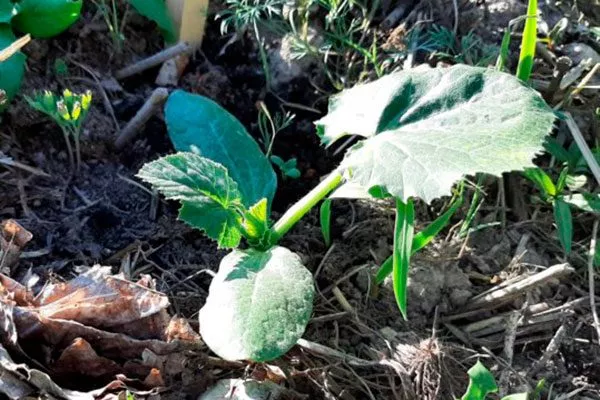
Sow Jade Zucchini seeds in March or early April. It's important to water them generously during the first few weeks. When the seedlings reach a height of 10-15 cm, transplant them into open ground. If the soil is still cool, cover the plants with a warming material, such as agrofibre.
- ✓ Optimum water temperature for irrigation: 20-25°C.
- ✓ Frequency of watering during dry periods: every 3-4 days.
Helpful tips:
- The plant requires regular watering. Water in the morning or evening after sunset. Water the roots once a week. Avoid getting the foliage wet to prevent fungal diseases.
One bush requires 10 to 20 liters of water, depending on the type of soil, age of the plants and climatic conditions. - Avoid overwatering and underwatering to prevent a decrease in the quality and quantity of the harvest and protect the bushes from diseases and pest attacks.
- Apply mineral fertilizers to the roots of plants, first dissolving them in water. One of the most common types of fertilizer is nitroammophoska, which contains nitrogen, phosphorus, and potassium, providing plants with all the necessary elements.
- Organic fertilizers (compost, humus, ash, and peat) are equally important for plants. They enrich the soil with nutrients and microelements, but are absorbed more slowly than mineral fertilizers. Too little or too much fertilizer can negatively impact the yield or the health of the plants. Maintain the correct fertilizer ratio, regulate watering volume, and conduct a soil test if necessary. The right choice of fertilizer will ensure a bountiful zucchini harvest.
- Loosening the soil plays a key role, allowing air and water to reach plant roots. This process helps prevent crusting on the soil surface and improves its drainage properties.
Soil requirements
Before you begin growing the crop, select a suitable planting site. This variety requires a warm, sunny location, protected from strong winds. Good soil is essential for successful growth.
To enrich your soil and create a favorable growing environment, use a few simple methods. Adding compost or humus to the soil will improve drainage and enrich it with nutrients. Add a small amount of sulfur and lime to the soil to achieve the optimal pH level.
Reviews
Even novice gardeners choose the Nephrite zucchini, while experienced gardeners appreciate it for its excellent taste and ease of cultivation. This variety is large, versatile, and produces abundant harvests. With proper cultivation techniques, you can prevent the spread of diseases and pests and enjoy regular harvests.