
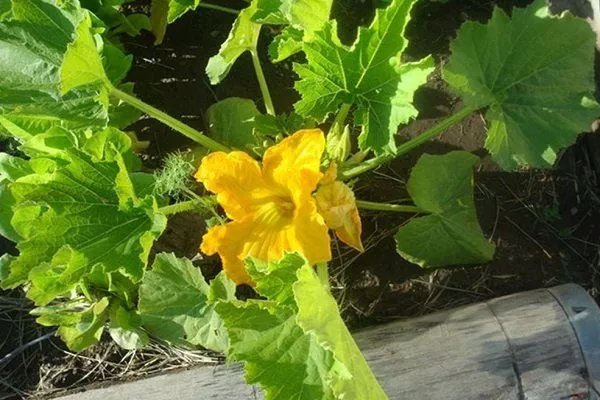
A lack of ovaries despite abundant flowering is a common problem when growing zucchini. Improper cultivation practices are the main cause of barren flowers. However, other factors also exist. In most cases, there are options for correcting the situation.
Immature seed material
Seeds that are too young and unripe can cause squash to fail to set fruit. This happens if the fruit isn't harvested within the proper timeframe.
- ✓ Check seeds for germination by soaking them in water for 24 hours before planting.
- ✓ Use of seeds stored at a temperature of at least +10°C to preserve their viability.
Purchased seeds are tested for maturity by placing them in water. Only those that sink to the bottom are planted. It is recommended to use seed that is three years old.
To obtain seeds from your own grown zucchini, follow these steps:
- Once the zucchini have reached technical maturity (depending on the variety, this period ranges from 30 to 120 days from germination), select the required number of healthy fruits (without cracks, any spots, etc.).
- Leave the selected specimens on the plant until fully ripe. By this time, the zucchini will have grown to 50 cm (or more) in length, a girth of 20 cm (or more), and a weight of 1.5 kg (or more). It's difficult to give specific figures, as everything depends on the variety.
It takes approximately 5 months for the squash to produce seeds. The skin of the mother plant becomes woody. - Then remove the fruits and leave them to ripen for 30 days in a dark room with an air temperature of +5 degrees and humidity of 80%.
The quality of the seeds is also important. If they're store-bought, there are several criteria to consider:
- Expiry date control. Expired seeds will not produce a harvest.
- Zoning. It is recommended to select varieties cultivated for specific regions, taking into account climatic features.
- Reliable and proven manufacturerThe packaging should contain information about the variety, cultivation characteristics, and the company's contact information.
Unsuitable soil
Soil acidity is crucial for the crop. The optimal soil for zucchini is neutral or moderately alkaline, with a pH of 6–6.8. Higher acidity can cause fruit failure.
To deoxidize the soil, use dolomite flour or ash. The following is taken per square meter:
- with high acidity - 0.5 kg;
- at medium acidity - 0.3 kg;
- with slightly increased acidity - 0.2 kg.
Poorly chosen site
Zucchini is a light-loving plant. It requires plenty of sunlight for vigorous growth and proper development.
If a shaded area is chosen for planting:
- most likely, most of the flowers will be male or sterile;
- the risk of powdery mildew increases when the plant weakens and drops its flowers;
- pollinating insects will not reach the crop.
Planting density
Since zucchini plants grow quickly and over a large distance, each plant requires a large area. It is recommended to plant seedlings at least 1 meter apart. Otherwise, the plants' roots will compete for nutrients in the soil.
Planting too densely or overgrown branches and leaves can significantly shade the part of the squash where the ovary should form. This will negatively impact development, and the flower will likely be barren.
The growth of abundant green mass takes away the plant's strength for ovary formation.
This problem is easily solved:
- If the seeds were planted too densely, thin them out. This won't affect the yield. A bush with extra space will produce more fruit.
- To avoid excessive growth of green mass, pinch off any excess shoots that produce only leaves, without flowers.
The first side shoot removal is done early in the plant's development. This will help ensure proper shoot formation and large fruit. No more than four ovaries should remain. As the plant develops, weak side shoots are removed.
Unfavorable temperature conditions
Temperature fluctuations are dangerous even for zucchini, which is adapted to any climate. They negatively affect the growth and development of the crop in general and the formation of normal fruit ovaries in particular.
During sudden cold snaps or prolonged periods of cold weather, wrap plants in lutrasil or spunbond. Mulching with a thick layer of straw will also help.
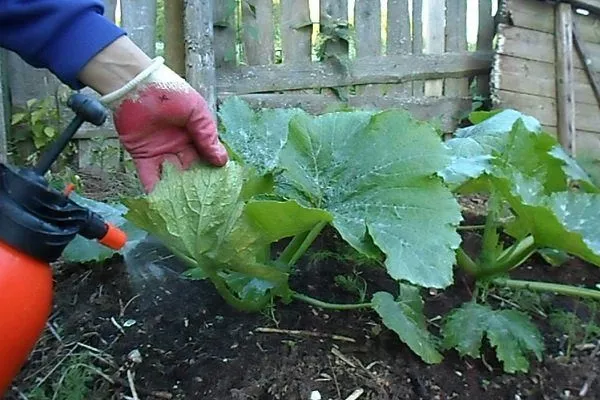
In hot weather, it's more difficult to maintain normal conditions. High temperatures cause pollen to stick together, rendering it sterile. Treating plants with a weak solution of boric acid (5 g per 10 liters of water) is recommended. This will help the pollen maintain its properties.
Incorrect watering
There is an opinion that zucchini needs a lot of water throughout its growth. However regular watering At the beginning of flowering, it can lead to the formation of only male flowers. To change the flowers to female, stop watering during this period until ovaries form.
Prolonged heat also affects the formation of male flowers—a distinctive feature of zucchini. Water the beds as needed. Take a handful of soil, squeeze it, and release. If the soil has crumbled, water the plants. If it remains in a lump, wait.
Lack or excess of nutrition
Often, the formation of barren flowers is due to a lack of nutrients. Soil depletion occurs when squash beds are planted in the same spot (the crop selects all the micronutrients it needs year after year).
Follow crop rotation rules:
- do not plant zucchini in the same area earlier than 4 years later;
- Do not alternate the crop with pumpkin, cucumbers, melon, or watermelon.
Also, the soil can be poor depending on its type. Therefore feeding zucchini Fertilizers are needed every 2 weeks. Any vegetable complex fertilizer will do. Dilute 2–3 tablespoons of concentrate in 10 liters of water and apply it to the roots of each plant. It is recommended to alternate this type of fertilizer with organic matter.
Excessive nutrient levels also cause fruit set. This is due to both overfertilization and elevated nitrogen levels in the soil (especially when combined with a phosphorus deficiency).
Lack of pollination
A lack of pollinating insects in the area, or a small number of them, will inevitably lead to the formation of barren flowers. Pollen carriers include:
- butterflies;
- bees;
- bumblebees.
- ✓ Ensuring access of pollinating insects to flowers by removing some of the leaves that cover the flowers.
- ✓ Carrying out manual pollination in the morning hours, when pollen is most active.
To attract them to your zucchini bed, spray the plants with a honey solution (2–3 tablespoons per 10 liters of water). Or pollinate them yourself:
- Take the male flower without separating it from the stem.
- Tear off all the petals.
- Apply to female flowers.
- Repeat the procedure every morning until the ovaries appear on the plants.
Lack of pollination may be due to insects not having access to the squash. This can occur if the plants are heavily covered with leaves (which obscure the flowers), the plantings are very dense, or they are constantly covered due to severe cold weather.
Flower overload
Even if most of the inflorescences were female, fruiting may cease after the first set (or not occur at all). This is caused by the plant becoming overloaded with inflorescences at the very beginning of flowering.
To correct the situation, fertilize the crop with a solution of Nitrophoska (50 g per 10 liters of water), and treat the entire bush with fruiting stimulants:
- Ripen;
- Top-Max;
- Bud;
- Ovary.
Diseases and pests
Exposure to pathogenic bacteria, fungi, and viruses can lead to fruit failure. Controlling these diseases early on is easy:
- If the plant is affected by powdery mildew, treat it with colloidal sulfur. It is sold as a liquid, paste, or granules. Isophene and disodium phosphate also show good results.
- Timely and thorough care of plantings, weeding, proper watering, and fertilizing with urea, gray zinc, and copper sulfate fertilizers will help combat white rot.
- To prevent mosaic virus infection, carefully select seedlings and monitor the plants. At the first sign of infection, remove damaged leaves.
- Any yellow or brown spots on zucchini leaves indicate infection with certain types of leaf spot or rot. Remove all affected tissue and cauterize the cut surfaces with colloidal sulfur. If the spots are widespread, it's best to dig up the entire plant.
Insect pests also cause damage to the plant, which can lead to fruit failure. Spraying with insecticides according to the instructions will help get rid of pests.
Aphids, spider mites, and sprout flies pose a particular threat to zucchini. Their activity forces the plant to devote energy to maintaining its own integrity rather than fruiting.
You can learn more about why zucchini aren't setting fruit in the following video:
Preventive measures for intensive fruit set
To ensure good fruit set, it's important to follow certain rules. This should begin with preliminary preparation and continue until the first harvest:
- Select high-quality seeds that are aged for 2–3 years. Both fresh and over-aged seeds will not produce good results.
- Ensure proper storage of seeds. They require warmth, similar to room temperature.
- Plant the plants in an open area. Zucchini thrive in bright light. Some shade won't hurt them, especially during prolonged hot periods, but frequent and intense shade won't do them any good.
- Don't overexpose the seedlings under the covering material. This will negatively impact the plant's respiration and photosynthesis, and will block access for pollinating insects. This will result in the zucchini producing only barren flowers.
- Strictly adhere to the watering schedule. Both insufficient and excessive moisture will prevent fruit set.
- Excessive fertilizer, especially organic fertilizer, leads to the buildup of green mass. The plant expends too much energy on this, leaving little energy for fruit formation.
- Monitor your zucchini for signs of disease and pest infestation. Take immediate action if symptoms are detected.
A gardener can influence the abundance of flowers on zucchini plants and their ability to develop into full-fledged fruit. Adhering to proper agricultural practices and monitoring for disease symptoms and pests are the most necessary steps to ensure a high yield of fruit.